



Language is a powerful tool that connects people, preserves cultures, and serves as a vessel for history. In the rich tapestry of Jewish culture, two distinct languages, Hebrew and Yiddish, play significant roles. Despite the shared heritage, it is crucial to recognize that Hebrew and Yiddish are not interchangeable – they are distinct languages with unique histories, structures, and cultural implications.
Hebrew: A Language with Ancient Roots
Hebrew stands as one of the oldest languages in the world, with a history spanning over three thousand years. Originally a language of ancient scriptures and religious texts, Hebrew has evolved into a modern language spoken in Israel and by Jewish communities worldwide.
The revival of Hebrew as a spoken language in the late 19th and early 20th centuries is a testament to its cultural resilience. Eliezer Ben-Yehuda, a pioneer in the language revival movement, played a pivotal role in transforming Hebrew from a sacred language to a living, breathing means of communication. Today, Hebrew serves as the official language of Israel and connects Jewish communities globally.
Hebrew and Yiddish are languages spoken by Jews all over the world. Interestingly, Hebrew and Yiddish are very dissimilar even though both languages use the Hebrew alphabets in their scripts. While Hebrew is a Semitic language (subgroup of Afro-Asiatic languages) like Arabic and Amharic, Yiddish is a German dialect which uses many Hebrew words but with a very distinctive Ashkenazic pronunciation.
Diffen
Yiddish: A Fusion of Languages and Cultures
In contrast, Yiddish has a more recent origin, emerging around a thousand years ago in Central and Eastern Europe. Yiddish is a fusion of German, Hebrew, Aramaic, and various Slavic languages, with a sprinkling of Romance language elements. Developed as a vernacular language among Ashkenazi Jews, Yiddish became a vital tool for communication, literature, and expression within Jewish communities.
Yiddish has a distinctive written script, known as the Hebrew script, but this doesn’t make it Hebrew. The linguistic structure, vocabulary, and cultural context of Yiddish set it apart as a separate entity within the Jewish linguistic landscape.

The image above shows how Yiddish is an Indo-European language, and NOT Afro-Asiatic like Hebrew.
Key Differences:
Linguistic Roots:
- Hebrew: Rooted in ancient Semitic languages and primarily associated with religious texts.
- Yiddish: A fusion of Germanic and Slavic languages with Hebrew elements, evolving as a spoken language among Ashkenazi Jews.
Geographic Spread:
- Hebrew: Predominantly spoken in Israel, with communities worldwide using it for religious and cultural purposes.
- Yiddish: Historically spoken in Central and Eastern Europe, with a decline in usage after the Holocaust but still present in some Hasidic and Orthodox communities.
Cultural Significance:
- Hebrew: Holds immense cultural and religious significance as the language of the Torah, prayers, and modern Israeli society.
- Yiddish: A language of literature, folklore, and everyday communication in Ashkenazi Jewish communities, contributing to a unique cultural identity.
Conclusion:
While Hebrew and Yiddish share historical ties and a place in the heart of Jewish heritage, it is crucial to acknowledge their distinctions. Hebrew, with its ancient roots and revival as a modern language, stands as a symbol of continuity and resilience. On the other hand, Yiddish, born from the complex interplay of diverse linguistic influences, reflects the cultural diversity of Ashkenazi Jewry.
By recognizing the unique qualities of Hebrew and Yiddish, we honor the depth and diversity of the Jewish linguistic tradition. Each language contributes uniquely to the multifaceted mosaic of Jewish culture, underscoring the importance of preserving and celebrating both Hebrew and Yiddish for generations to come.


About the author


Understanding Allodial Titles, Land Patents, and Their Legal Implications
In property rights and land ownership, the concepts of allodial titles and land patents hold significant legal weight. These terms are often used in discussions related to the protection of property rights, land ownership, and the interplay between various areas of law such as the Uniform Commercial Code, contract law, constitutional law, and statutory law. In this in-depth blog post, we will explore into the intricacies of allodial titles and land patents, exploring their definitions, legal implications, and dispelling common myths and misconceptions associated with them. Key Takeaways: Allodial Titles Explained: An allodial title represents the highest form of land ownership, granting the owner absolute and unburdened ownership of the property, free from any encumbrances, liens, or taxes imposed by external parties. Land Patents and Their Legal Implications: A land patent is a legal document issued by the government that […]

Outsmart the System: Top Legal Strategies You Need to Know
Understanding the Legal Landscape While the legal system may seem intimidating, grasping its core concepts can empower you to navigate its complexities effectively. Understanding this landscape is vital for anyone looking to outsmart the system and optimize their legal strategies. Whether you’re seeking legal hacks for small businesses or tips on how to use legal loopholes to your advantage, recognizing the different legal frameworks at play can be crucial in making informed decisions. Overview of Legal Systems An understanding of the various legal systems is pivotal for recognizing your rights and obligations. Legal frameworks can vary significantly from one country to another, with common systems including civil law, common law, and religious law. Each system has its own structure, offering unique legal strategies and challenges. For example, in a common law system, previous judicial decisions can influence future cases, allowing […]

Ilataza Ban Yasharahla EL’s Public Records Request for Elyria Board of Education
24-0001492: Ilataza Ban Yasharahla EL's Public Records Request for Elyria Board of Education. All Rights Expressly Reserved and Retained. https://nationalnoticerecord.com/elyria-boe-members-required-to-follow-rulings https://nationalnoticerecord.com/is-elyria-school-board-bound-by-ohio-courts https://nationalnoticerecord.com/understanding-the-oath-of-office-legal-obligations-and-consequences

Ohio Legalizing Recreation Marijuana Use May Hurt Dispensaries in Monroe, Michigan
In recent years, the movement to legalize marijuana for adult recreational use has gained significant momentum across the United States. Ohio, a state long synonymous with conservative values, has also embraced this shift in public opinion. With the passing of Ohio Issue 2 and the Ohio Home Grow Bill, the state has joined the ranks of those allowing the recreational use of marijuana. This blog post will delve into the pros and cons of Ohio's legalization, as well as the potential implications for marijuana dispensaries in Monroe, Michigan, which previously benefited from Ohio buyers crossing state lines. https://www.youtube.com/watch?v=0KRzqZ8dUwc Pros of Ohio's Recreational Marijuana Legalization 1. Economic Boost: Legalizing recreational marijuana in Ohio has the potential to generate substantial economic benefits for the state. The marijuana industry has proven to be a lucrative market, with tax revenue and job creation being […]
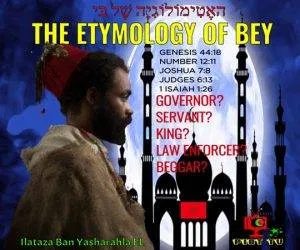
The Etymology of “Bey” EXPOSED
TURN UP YOUR VOLUME & PRESS PLAY Have you ever wondered what the true origin and meaning of "Bey" is? We've been told that it means "Governor", "Law Enforcer", Chief, etc. But, what if that's incorrect? What if we've been using the "title", "Bey", incorrectly? FILL OUT THE FORM TO GET STARTED First Name: Last Name: Phone Number: Email: I agree to receive email updates and promotions. Submit
Are You A “Colored Person”?
Tune in as we dissect the term "person of color", exposing how its PURPOSELY steeped in plausibility, DECEPTION, and used as a weapon.

We’ve Been FORCED to Make Some Changes
Due to receiving so many tasks that our work has become more tedious, we've been forced to make some changes at National Notice Record.

Gas Go Express Food Mart Unjust Enrichment Via Debit Card Surcharge Fees
https://www.youtube.com/watch?v=eJknhtE9JEI In this video, I talk about a consumer experience I had while shopping at Gas Go Express Food Mart Gas Station, located at 237 Lake Avenue, Elyria, Ohio. On November 24, 2021, I made a purchase for 4 taxable items at the location. Each item was $0.99 per. With taxes, it came up to $4.26. As I got ready to place my debit card into the card reader, the Gas Go Express Food Mart clerk immediately added a $.50 debit card surcharge fee. As a common practice, some merchants/stores add a surcharge to your total purchase amount when you spend less than $5 or $10 when using a credit/debit card to process the payment. Being a merchant myself, I know that Master Card, Visa, Discover, and some of the other financial institutions have a strict policy that states that […]

The Hidden Truth: You Don’t Own Your Smartphone Data
Wait, I bought the phone but not the data? Let's talk about that You paid good money for your smartphone, right? It's sitting in your hand. But here's the kicker: that purchase only covered the hardware. The personal data your device generates, that's a whole different ballgame. You don't own it. The big myth that your data belongs to you Many people assume their data is automatically theirs. This is a dangerous misconception. When you hit "agree" on those terms, you often sign away control. Your digital life becomes a commodity. How phone companies turned your privacy into a cash cow Think about the sheer volume of data your phone collects. Phone companies saw this goldmine early on. They built entire business models around harvesting your information, turning your digital footsteps into pure profit. Companies track your calls, texts, and […]

Do Background Checks Align With the Constitution’s Intent?
Let's Be Real: Are Background Checks Actually Constitutional? Some folks point to court decisions, like the U.S. Supreme Court Holds that Constitutional Privacy ... ruling, as proof background checks are fine. They say the courts have consistently allowed these checks, seeing them as reasonable limits on rights. You might wonder, does that make them truly constitutional in spirit? Are we just accepting them because the courts say so, or do we really feel they align with our foundational freedoms? This isn't just about legality; it's about what feels right for a free people. My take on whether they're unconstitutional by design or just abuse Picture this: The government wants to know everything about you before you can do anything. That feels pretty intrusive, doesn't it? Background checks, when they dig too deep, start to feel like they're designed to make […]

Is Forced Hospitalization Legal Without a Court Order?
It's a frightening thought, isn't it? The idea that someone could take your freedom without a judge's order. You might wonder, can a hospital really hold you against your will without court intervention? This isn't just a legal question; it's about your most basic rights. Could this happen to you? Key Takeaways: * Your fundamental liberties are at risk from involuntary psychiatric holds. Imagine losing your freedom without a judge's order.* Forced hospitalization often occurs without court oversight, raising serious due process concerns. Should a doctor's opinion outweigh your rights?* State laws permit temporary detention, but this doesn't guarantee lawful confinement. Are you truly safe from unlawful medical detention?* The definition of "danger to self or others" is alarmingly subjective. Could a misunderstanding strip you of your freedom?* Many fear forced hospitalization can be weaponized by others. What if a […]

If States Can’t Secede, Is Federalism a Fraud?
There's a growing unease among many Americans about the true nature of their federal system. We're often told federalism ensures a balance of power, but if states are powerless to leave, even when faced with an overreaching federal government, does this system truly represent shared governance or something far more unilateral? This foundational question challenges the very legitimacy of the Union, pushing us to consider if federalism, without the possibility of secession, is a deceptive illusion. Key Takeaways: You know, we're always taught that federalism is this perfect balance, states and the feds working together like equals. But what if a state can't ever, ever leave the Union? That really makes you wonder if it was ever a true partnership or just a clever illusion, right? The big, uncomfortable truth is, if the Constitution doesn't actually have a clause saying […]
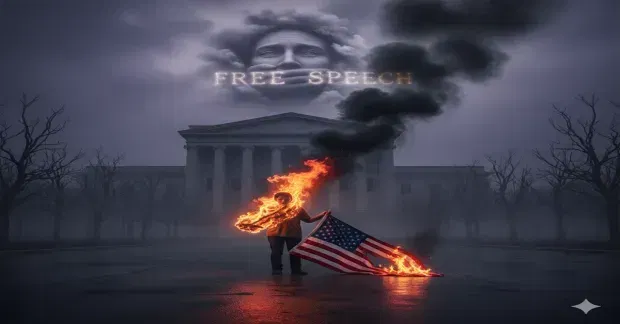
Is Criminalizing Flag Burning a Direct Attack on Free Speech?
Free speech protects even unpopular viewpoints, you know? When you consider criminalizing flag burning, you're looking at a direct challenge to a core constitutional principle. This isn't just about a flag; it's about the dangerous precedent of government controlling symbolic expression. You must ask: where does this control end? Key Takeaways: You know, the idea of criminalizing flag burning really gets people talking. It touches on something deeply personal for many, doesn't it? This whole debate isn't just about a piece of cloth; it's about what we believe free speech truly means in this country. The Supreme Court has repeatedly affirmed that flag burning is protected symbolic speech. This means actions conveying a message fall under First Amendment protections. Criminalizing flag burning targets political expression, not just an act. This type of law seeks to control how people convey unpopular […]

Can Swearing at Cops Get You Jailed? What States Allow
Just imagine you're in a heated moment, speaking your mind. Can those words land you in jail? You might think your speech is always free, but the truth is far more complex. We'll explore if cursing at a cop can get you arrested and which states allow it. It's about knowing your rights and avoiding serious consequences. The Legal Battleground: Are You Actually Allowed to Insult Police Under the First Amendment? You might think yelling at a cop is always protected. But the First Amendment, while broad, isn't absolute. It protects most offensive speech, even towards officers, but there are critical exceptions where your words become a crime. Free Speech vs. Police Authority: Does Mocking an Officer Violate the Law? Mocking an officer usually falls under free speech. However, if your words are combined with agitation, physical proximity, or a […]
Related
The Hidden Truth: You Don’t Own Your Smartphone Data
Wait, I bought the phone but not the data? Let's talk about that You paid good money for your smartphone, right? It's sitting in your hand. But here's the kicker: that purchase only covered the hardware. The personal data your device generates, that's a whole different ballgame. You don't own it. The big myth that your data belongs to you Many people assume their data is automatically theirs. This is a dangerous misconception. When you hit "agree" on those terms, you often sign away control. Your digital life becomes a commodity. How phone companies turned your privacy into a cash cow Think about the sheer volume of data your phone collects. Phone companies saw this goldmine early on. They built entire business models around harvesting your information, turning your digital footsteps into pure profit. Companies track your calls, texts, and […]
Do Background Checks Align With the Constitution’s Intent?
Let's Be Real: Are Background Checks Actually Constitutional? Some folks point to court decisions, like the U.S. Supreme Court Holds that Constitutional Privacy ... ruling, as proof background checks are fine. They say the courts have consistently allowed these checks, seeing them as reasonable limits on rights. You might wonder, does that make them truly constitutional in spirit? Are we just accepting them because the courts say so, or do we really feel they align with our foundational freedoms? This isn't just about legality; it's about what feels right for a free people. My take on whether they're unconstitutional by design or just abuse Picture this: The government wants to know everything about you before you can do anything. That feels pretty intrusive, doesn't it? Background checks, when they dig too deep, start to feel like they're designed to make […]
Is Forced Hospitalization Legal Without a Court Order?
It's a frightening thought, isn't it? The idea that someone could take your freedom without a judge's order. You might wonder, can a hospital really hold you against your will without court intervention? This isn't just a legal question; it's about your most basic rights. Could this happen to you? Key Takeaways: * Your fundamental liberties are at risk from involuntary psychiatric holds. Imagine losing your freedom without a judge's order.* Forced hospitalization often occurs without court oversight, raising serious due process concerns. Should a doctor's opinion outweigh your rights?* State laws permit temporary detention, but this doesn't guarantee lawful confinement. Are you truly safe from unlawful medical detention?* The definition of "danger to self or others" is alarmingly subjective. Could a misunderstanding strip you of your freedom?* Many fear forced hospitalization can be weaponized by others. What if a […]
If States Can’t Secede, Is Federalism a Fraud?
There's a growing unease among many Americans about the true nature of their federal system. We're often told federalism ensures a balance of power, but if states are powerless to leave, even when faced with an overreaching federal government, does this system truly represent shared governance or something far more unilateral? This foundational question challenges the very legitimacy of the Union, pushing us to consider if federalism, without the possibility of secession, is a deceptive illusion. Key Takeaways: You know, we're always taught that federalism is this perfect balance, states and the feds working together like equals. But what if a state can't ever, ever leave the Union? That really makes you wonder if it was ever a true partnership or just a clever illusion, right? The big, uncomfortable truth is, if the Constitution doesn't actually have a clause saying […]
Is Criminalizing Flag Burning a Direct Attack on Free Speech?
Free speech protects even unpopular viewpoints, you know? When you consider criminalizing flag burning, you're looking at a direct challenge to a core constitutional principle. This isn't just about a flag; it's about the dangerous precedent of government controlling symbolic expression. You must ask: where does this control end? Key Takeaways: You know, the idea of criminalizing flag burning really gets people talking. It touches on something deeply personal for many, doesn't it? This whole debate isn't just about a piece of cloth; it's about what we believe free speech truly means in this country. The Supreme Court has repeatedly affirmed that flag burning is protected symbolic speech. This means actions conveying a message fall under First Amendment protections. Criminalizing flag burning targets political expression, not just an act. This type of law seeks to control how people convey unpopular […]
Can Swearing at Cops Get You Jailed? What States Allow
Just imagine you're in a heated moment, speaking your mind. Can those words land you in jail? You might think your speech is always free, but the truth is far more complex. We'll explore if cursing at a cop can get you arrested and which states allow it. It's about knowing your rights and avoiding serious consequences. The Legal Battleground: Are You Actually Allowed to Insult Police Under the First Amendment? You might think yelling at a cop is always protected. But the First Amendment, while broad, isn't absolute. It protects most offensive speech, even towards officers, but there are critical exceptions where your words become a crime. Free Speech vs. Police Authority: Does Mocking an Officer Violate the Law? Mocking an officer usually falls under free speech. However, if your words are combined with agitation, physical proximity, or a […]