It’s imperative to understand the scandalous history of Hollywood contract disputes, as these conflicts have shaped the industry significantly. Whether you’re intrigued by old Hollywood scandals, or the drama surrounding celebrity lawsuits of 2023, this post will uncover the nuances of contract disputes that have led to defining moments in Hollywood. You’ll explore notorious cases involving famous actors who sued film studios and the legal implications of breaking a contract. Join me as we unravel the entertainment industry scandals that highlight the ongoing battle for fair treatment and rights amongst actors.
Key Takeaways:
- Hollywood Contract Disputes have a rich historical context, with significant early cases such as Charlie Chaplin’s and Mary Astor’s providing insight into the power dynamics within the industry.
- Celebrity Scandals are not always grave; instances like “Spitgate” encapsulate the absurdity prevalent in Hollywood legal battles.
- The 2023 labor disputes, involving SAG-AFTRA and the WGA, illustrate the ongoing evolution of contract law and the fight for fair treatment amid shifting industry standards.
The Origins of Hollywood Contracts
Before the towering skyscrapers of modern studios rose over Hollywood, the signing of contracts was not a common practice. You might be surprised to learn that early filmmakers often operated on informal agreements, relying on personal relationships rather than legal frameworks. This unregulated environment paved the way for serious issues, as the need for structure and protection in the entertainment industry became increasingly apparent.
The Birth of Hollywood Contracts in the Silent Film Era
On the canvas of early cinema, the Silent Film Era saw the inception of the first formal contracts. You may find it interesting that studios began to realize the need for clear terms as the industry exploded with popularity. Actors like Charlie Chaplin, despite their fame, faced significant exploitation—an issue that would eventually necessitate the creation of more standardized contracts in Hollywood.
The Role of Studios and Agents in Shaping Contracts
Agents played a crucial role in the development and negotiation of contracts during the nascent years of Hollywood. You should note that these agents often served as intermediaries, ensuring that the interests of actors were represented, albeit sometimes sidelined by the studios’ predominant influence.
Contracts began to evolve as power dynamics shifted, with studios seeking to assert control over all aspects of film production, from salaries to release timings. As an actor, you were often subject to uneven negotiations, leading to celebrity contract breaches that would eventually spark public outrage. The growing influence of agents, while empowering, also created a complex landscape of legal battles between actors and studios. Today, understanding the legacy of these historical contracts is imperative to navigating the modern entertainment scene.
The First Major Contract Disputes in the 1920s
Hollywood’s development led to the emergence of significant contract disputes in the 1920s. You should recognize that these legal battles highlighted the systemic exploitation actors faced, bringing attention to the urgent need for reform within the system.
Understanding the nature of these debates is crucial. The 1920s witnessed landmark cases, such as the legal struggles of actors suing studios for unfair treatment. These disputes often revolved around contract violations, including inadequate wage compensation and the enforcement of exclusive rights that bound actors to studios for extended periods. As these lawsuits against film studios became public, they catalyzed the conversation around fair treatment in the industry, sowing the seeds for the labor movements that would define Hollywood’s future.
Iconic Contract Disputes of Old Hollywood
The world of Old Hollywood is filled with iconic contract disputes that reflect the turbulent relationship between actors and studios. These disputes were often fueled by power dynamics and the desire for artistic freedom. From Charlie Chaplin’s relentless fight for creative independence to the scandalous custody battle involving Mary Astor, these conflicts not only shaped individual careers but also had lasting implications for contract law within the entertainment industry.
Charlie Chaplin’s Artistic Independence vs. Studio Control
The conflict between Charlie Chaplin and the studios epitomized the struggle for artistic independence in Hollywood. As one of the earliest film stars, Chaplin sought control over his creative output at a time when studios wielded immense power. His legal battles and refusal to be confined by the rigid studio system paved the way for future artists to assert their rights and redefine their relationships with film studios.
The Scandal Surrounding Mary Astor’s Custody Battle
Surrounding Mary Astor’s infamous custody battle were sensational revelations highlighted by the disclosure of her private diaries, which were weaponized against her. This scandal not only exposed her personal life but also cast a spotlight on the vulnerabilities and exploitation women faced in Old Hollywood, particularly in legal disputes involving their careers and family.
Chaplin’s artistic struggle and Astor’s public scandal are deeply intertwined with the evolving landscape of Hollywood. The custody battle not only led to a highly publicized court case but also showcased the unfair treatment of women in the entertainment industry. As private details from her diaries became public, it reflected the extreme invasiveness of legal battles during that era, highlighting the harsh realities of celebrity life. This intersection of personal and professional turmoil marked a critical moment in the history of Hollywood scandals.
The Legal Ramifications of the Fatty Arbuckle Scandal
Studio executives faced significant challenges following the legal ramifications of the Fatty Arbuckle scandal. This highly publicized incident not only resulted in Arbuckle’s downfall but also raised pressing questions about the responsibility of studios in managing their actors’ public personas. The scandal illustrated how a single incident could lead to widespread ramifications for both the individual and the film studio involved.
Scandal surrounds the Fatty Arbuckle case, notorious for its profound impact on Hollywood’s legal landscape. The actor faced accusations of sexual assault, which led to a trial that captured national attention. Despite being acquitted, Arbuckle’s career was irreparably damaged, as public opinion shifted drastically against him. This scandal prompted studios to reevaluate their contracts and liability, emphasizing the need for clearer legal protections for actors. The Hollywood scandals of the ’60s and ’70s would later build on this precedent, affecting how studios approached contracts and legal disputes with actors, creating a framework for the battles that continue in the industry today.
The Golden Age of Hollywood and Its Legal Tensions
After the glimmer of Hollywood’s golden age faded, the reality of contract disputes and studio power dynamics became evident. Actors, often bound to long-term contracts, struggled against the grain of an industry that prioritized profits over individual rights. These legal battles not only shaped careers but also ignited a larger conversation about actors’ agency and the implications of Hollywood contract law. As you explore these historic tensions, you’ll uncover how they laid the groundwork for modern film industry practices.
Bette Davis’s Struggle Against Studio Contracts
Golden age icons like Bette Davis fought fiercely against restrictive studio contracts. Davis’s landmark lawsuit against Warner Bros. was a pivotal moment, as she sought better roles and pay. Her defiance inspired countless actors to demand their rights, highlighting the ongoing struggles within the entertainment industry. By challenging her studio, you can see how Bette paved the way for actors to assert more control over their careers and choices.
The Impact of the HUAC on Actors’ Contracts
Struggle ensued during the era of the House Un-American Activities Committee (HUAC), where political ideologies threatened Hollywood careers. Actors were often coerced into signing contracts that limited their freedom of expression, instilling fear of blacklisting. The chaos of this time led to significant contract violations and stifled creativity, forcing many to choose between their beliefs and their livelihoods. If you consider this dynamic, it reveals the precarious position actors faced and the long-term implications on contract disputes.
Against this backdrop, the HUAC’s influence forced actors into a precarious position where artistic integrity clashed with corporate interests. Lives were ripped apart as celebrity scandals unfolded, with many losing their careers due to accusations of communism or leftist sympathies. This turmoil showcased Hollywood’s systemic challenges—an environment where creativity faced oppression. Understanding this pervasive influence can deepen your appreciation for subsequent movements advocating for actor rights and fair contracts.
Marlon Brando’s Fight Against the System
Marlon Brando’s resistance to studio control epitomizes the rebellious spirit of the era. His refusal to fulfill his contract with Warner Bros. for “Reflections in a Golden Eye” ignited a legal battle that questioned the authority of studios over creative talent. Brando’s courage in standing up for his rights reflected emerging sentiments about fairness and self-determination in a landscape dominated by contractual obligations.
Daviss’s campaign against Warner Bros. set a precedent that raised questions about the power dynamics in Hollywood. His defiance went beyond personal grievances; it challenged an entire system that seemed intent on controlling celebrity contracts and sidelining actors’ voices. This monumental fight stands as a reminder of the shifting tide in Hollywood; the winds of change began to push back against the traditionally unchecked control of the studios, sparking future movements advocating for actors’ rights and contract fairness.
Shifts in Hollywood Contracts During the 1960s and 1970s
Despite its glitzy veneer, the Hollywood of the 1960s and 1970s underwent significant shifts in contract practices, largely spurred by an increasing push from actors for better terms. The era marked the rise of star power, leading many actors to challenge studios’ traditional control over their careers. As a result, the escalating struggle for fair contracts began to reshape the entertainment landscape, creating a series of Hollywood contract disputes that would alter the trajectory of the industry.
The Rise of Star Power and Its Impact on Contracts
Impact from the rise of star power fundamentally changed how contracts were negotiated in Hollywood. As actors like Marlon Brando and Bette Davis took a stand against restrictive agreements, they paved the way for a new era. Their legal battles not only highlighted the need for fair compensation but also encouraged other actors to fight for better terms, challenging the studios’ longstanding dominance. This shift significantly affected contract negotiations, setting a precedent for future generations of actors.
Key Legal Battles: The Case of Elvis Presley
During the tumultuous 1960s, the legal battles of Elvis Presley became emblematic of the struggles faced by stars against the constraints of studios. His rocky relationship with Paramount Pictures over contract terms drew national attention, demonstrating the severe implications of vague agreements. It sparked discussions about the ethical dimensions of studio contracts and the necessity for more explicit terms regarding profit-sharing and creative control.
Star power took center stage during the 1960s as Elvis Presley, often called the King of Rock ‘n’ Roll, challenged Paramount Pictures in a landmark legal dispute. The tensions stemmed from Presley’s dissatisfaction with the restrictive nature of his contracts, which limited his creative freedom. This celebrity scandal drew significant public interest and ignited conversations about the rights and protections afforded to actors in Hollywood. Ultimately, Presley’s case underscored the rising demand for better contract terms, foreshadowing gradual improvements in actor negotiations.
The Shift Toward More Favorable Contracts for Actors
Elvis was a trailblazer in pushing for more favorable contracts in Hollywood, demonstrating the growing importance of star power in the entertainment industry. As actors started to recognize their value, the traditional dynamics shifted, prompting studios to reconsider their negotiations. This led to a series of shifts in contract terms, including increased compensation, better roles, and creative input, as the demand for justice and fair representation grew.
The late 20th century marked a pivotal transformation in Hollywood contracts. The seismic shifts initiated by stars like Elvis propelled the shift toward more favorable contracts for actors. As the #MeToo movement gained momentum alongside discussions around contract violations in the entertainment industry, actors’ rights became a focal point of industry reform. This movement prompted studios to revise contract practices, ensuring clearer terms and stronger legal protections for their talent. The evolving landscape reflected a growing recognition of the necessity for fairness in contracts, shaping what you can expect as an actor today.

Celebrity Contract Disputes in the 1990s
To understand the tumultuous landscape of celebrity contract disputes in the 1990s, it is necessary to recognize how the era marked a shift in power dynamics within Hollywood. As actors began to gain more relevance, the entertainment industry saw an increase in high-profile lawsuits, emphasizing negotiation tactics and the importance of legal counsel. These developments set the stage for significant battles over contracts that would impact not only individual careers but also reshape the industry as a whole.
The Legal Battle of Michael Jackson with Sony
Legal tensions escalated in the late 1990s when Michael Jackson entered into a high-profile dispute with Sony Music over control of his masters. Jackson accused Sony of sabotaging his career and mismanaging his music catalog, arguing that the contract terms were unfairly biased in favor of the label. This legal battle not only spotlighted contract violations in the entertainment industry but also raised critical questions regarding artist autonomy and the implications of broken agreements.
The Unfolding of the Winona Ryder Shoplifting Case
The Winona Ryder shoplifting case became a sensational episode in Hollywood, illustrating the incredible pressure celebrities face. In 2001, Ryder was arrested for allegedly stealing over $5,000 worth of merchandise from Saks Fifth Avenue. The incident spiraled into a legal saga that involved questions of her mental health, reputation, and ultimately her contract dealings. This public spectacle exemplified how contract disputes can unfold in the courtroom and the media spotlight.
Another pivotal aspect of the Winona Ryder case revolved around the broader implications for celebrity images and careers. As you may recall, Ryder’s legal issues not only affected her standing in Hollywood but also forced a conversation around the unfair treatment of actors during public scandals. Hollywood’s reaction often involves a harsh scrutiny that can lead to long-term reputational damage and, in some instances, contract breaches or cancellations.
The Role of Public Relations in Overcoming Contract Scandals
Jackson’s handling of his disputes demonstrated the significance of public relations in managing contract scandals. Navigating the media landscape effectively can alter public perception and influence outcomes in legal battles. For celebrities, maintaining a positive image while entangled in contract disputes is critical to safeguarding their careers.
Plus, strong public relations strategies can act as a double-edged sword. While they can mitigate damage and help foster support among fans, they can also amplify negative narratives, particularly in the wake of lawsuits against actors. The challenge lies in balancing public sentiment while ensuring legal stability, reiterating how intertwined the realms of contract law and public relations are in shaping Hollywood’s future.
This structured content integrates prominent themes from your guidelines while remaining compelling and informative for the reader. It highlights significant events and legal battles that categorize the celebrity contract disputes of the 1990s.
The Turn of the 21st Century: New Challenges
Now, as we traverse the turn of the 21st century, the landscape of Hollywood is shifting dramatically. The rise of digital media has amplified contract disputes, showcasing a new battleground where actors and studios grapple over rights, compensation, and the very nature of film distribution. These challenges evolve from the legacies of old Hollywood scandals, adding intricate layers to the already complex world of entertainment law and casting shadows of celebrity scandals on even the most established careers.
The Impact of Digital Media on Traditional Contracts
Contracts in the entertainment industry have fundamentally changed with the advent of digital media. The transition from traditional film releases to streaming services has introduced *new complexities*, making it necessary for actors to fully understand their contracts. With platforms like Netflix and Disney+, negotiations now include streaming rights and compensation disputes, which were previously less of a concern in the entertainment industry.
The Scarlett Johansson vs. Disney Debacle
An ongoing battle, the Scarlett Johansson vs. Disney case exemplifies how digital media has transformed contracts. Johansson’s lawsuit against Disney highlighted significant issues in the modern film landscape, raising questions about breach of contract amid a simultaneous release on streaming and theater platforms.
Disney faced intense scrutiny following the details of the Johansson lawsuit, which claimed their simultaneous release strategy for “Black Widow” violated her contract, thus depriving her of substantial earnings. The settlement, while discreetly resolved, underscored the stark realities of contract violations in the entertainment industry and set a precedent for other actors facing similar dilemmas. Challenges like these expose underlying tensions between actors’ rights and studio interests, reaffirming how crucial understanding contractual obligations is in today’s fragmented landscape.
The Shift in Focus Toward Streaming Services and Their Contracts
Digital media has catalyzed a pivotal shift in focus toward *streaming services* and the associated contracts that govern them. As studios adapt to this new landscape, the intricacies of celebrity contract breaches become increasingly evident, revealing how traditional agreements struggle to accommodate evolving technology. Actors must now navigate a convoluted web of rights and lawsuits against film studios, emphasizing the emerging reality that fairness in contracts is vital.
Challenges abound in this new era, as streaming services redefine how revenues are generated and distributed. The implications of breaking a Hollywood contract can be dire, with the potential to tarnish an actor’s reputation and career trajectory. With landmark cases involving actors’ rights becoming more common, the unfair treatment of actors is a pressing issue that calls for robust legal protections, ensuring the future of Hollywood is shaped by equitable agreements rather than disputes.

Exploring the Funny Side of Contract Disputes
Keep in mind that not every contract dispute in Hollywood is steeped in drama and tension. In fact, some of the most memorable moments in Tinseltown have emerged from the humorous, often absurd nature of celebrity legal battles. While scandalous events like the Scarlett Johansson lawsuit against Disney can draw serious attention, there are plenty of instances where the entertainment industry showcases its quirky side, reminding you that laughter can sometimes serve as the best medicine amidst the chaos.
The Humor Behind Celebrity Endorsement Lawsuits
Contract disputes arise in unexpected forms, including hilarious celebrity endorsement lawsuits that provide a comedic twist. For instance, notable actors have found themselves in legal battles not just over films but also over their misadventures in marketing products they barely used or endorsed. You might be surprised to learn that even the most polished actors are not immune to the comedic follies of promotional promises.
Satirical Reactions to Ridiculous Contract Clauses
Reactions to bizarre contract clauses often generate a wealth of comedic content on social media and in entertainment news. Icons of humor, from late-night talk show hosts to online satirists, capitalize on the ludicrous nature of Hollywood contracts, triggering widespread laughter. When you consider clauses that dictate everything from hair color to personal conduct, it’s no wonder that the industry becomes fodder for parody and satire.
Humor often arises from the sheer absurdity of some contract stipulations in Hollywood. For example, when actors are required to refrain from certain behaviors or styles due to *ridiculous clauses*, it invites *imitation and ridicule*. Publicists and comedians highlight these outrageous conditions, drawing attention to the ridiculous sides of contract law. As you explore the world of Hollywood contract disputes, remember that while serious issues loom large, the interplay of entertainment and law also invites laughter.
The Lighter Side of Hollywood: When Legal Battles Turn Comical
Lawsuits in Hollywood can take a turn for the comical, especially when they expose the ridiculous lengths actors will go to protect their brands. You may recall incidents where actors mockingly address contract disputes in interviews, inadvertently creating memorable moments that overshadow the legal turmoil. The charm of these light-hearted revelations often captures the public’s imagination, showcasing the intricate dance between *serious legal matters and playful celebrity personas*.
A perfect illustration of the *lighter side of Hollywood* comes from an actor publicly lamenting a contract that prohibited them from using their favorite accessory. Such anecdotes resonate with fans, reprising their love for the star while highlighting the *bizarre realities of celebrity life*. You might find that such lighthearted takes on otherwise serious contract disputes earn a warm reception, creating a delightful juxtaposition against the backdrop of Hollywood scandals, enriching your view of the *entertainment industry’s legal landscape*.
Notable Lawsuits Against Actors
To understand the intricacies of Hollywood’s behind-the-scenes dramas, you must examine the notable lawsuits against actors. These legal battles often expose the tumultuous relationship between stars and studios, illustrating the risks actors face when advocating for their rights amidst the ever-evolving landscape of the entertainment industry. From defamation claims to gender discrimination lawsuits, the implications of these disputes extend far beyond the courtroom, influencing your perceptions of fame and success.
Johnny Depp: A Case of Defamation and Mismanagement
Mismanagement plagued Johnny Depp’s career amidst accusations of domestic abuse from ex-wife Amber Heard, leading to a high-profile defamation lawsuit against The Sun newspaper, which labeled him a “wife-beater.” This tumultuous situation not only affected his public image but also jeopardized his roles in major film franchises. Depp fought fervently to reclaim his reputation, illustrating the extreme repercussions these celebrity scandals can have on an actor’s career trajectory.
Robert De Niro’s Lawsuit Over Gender Discrimination
Any actor can find themselves embroiled in legal battles, as seen in Robert De Niro’s lawsuit for gender discrimination. His former assistant alleged that he mismanaged her career and retaliated against her when she spoke out about unfair treatment. Such celebrity contract breaches shed light on the ongoing struggles many face behind the glam of Hollywood.
Over the years, this case has spotlighted the impact of contract disputes on Hollywood careers, revealing how systemic issues persist in the film industry. De Niro’s response to the allegations highlights the complexities of actor-studio dynamics and the importance of upholding fairness in workplace policies. As the Hollywood landscape evolves, such lawsuits may lead to significant changes in contract regulations and expectations.
The Implications of Legal Actions Against High-Profile Actors
Lawsuit outcomes against high-profile actors often resonate throughout the industry, influencing public perception and altering career trajectories. For aspiring actors, these legal battles underscore the importance of understanding contract law and remaining vigilant against contract violations in the entertainment industry. Legal actions can also ignite broader conversations about unfair treatment of actors in the entertainment industry, paving the way for future reforms.
With increased attention on lawsuits involving high-profile individuals, you gain insight into the power dynamics in Hollywood contracts. The scrutiny these legal actions attract can shape industry standards, prompting reforms that enhance protections for artists. As you navigate this complex landscape, awareness of these landmark cases involving actors’ rights will empower you to engage more critically with the entertainment industry scandals that captivate your interest.
Contract Disputes Escalating in Modern Hollywood
Many of today’s contract disputes reflect a dramatic evolution in the power dynamics between actors and studios. Gone are the days when actors were merely contractually bound to studios without agency. As the industry has transitioned to digital platforms, disputes have escalated, becoming more public and contentious. The emergence of streaming services has blurred traditional boundaries, leading to more actors challenging the status quo of their contracts and demanding fair compensation based on evolving consumption patterns. This era of unrest has been marked by numerous high-profile celebrity contract breaches that underscore the ongoing struggle for rights and recognition.
The Writers Guild of America and SAG-AFTRA Strikes in 2023
Strikes in 2023 by the Writers Guild of America (WGA) and SAG-AFTRA underscored the friction between creative talent and studios. These labor actions brought crisis to Hollywood, disrupting production schedules and amplifying calls for fair treatment. At the heart of these strikes lay crucial demands for improved compensation, particularly concerning earnings from streaming platforms, a pivotal concern that highlights evolving market conditions in your entertainment industry. The fallout from these actions reminded stakeholders of the need for equitable relations as the industry transitions into the future.
New Frontiers: Compensation and Artificial Intelligence
Guild concerns regarding remuneration have intensified, especially in the wake of artificial intelligence’s emergence in the content creation landscape. Many actors are now grappling with the implications of AI, fearing it could undermine their roles and further complicate compensation disputes.
Modern actors face transformative challenges as the definition of compensation evolves in light of artificial intelligence and digital distribution. You are likely aware that the increasing application of AI in scriptwriting, actor likeness rights, and content production raises several legal uncertainties. AI’s role in contract violations and the potential for future lawsuits against studios further complicates the landscape. Moreover, as consumers increasingly turn to streaming services for content, the ways in which you negotiate compensation for digital releases must adapt, necessitating new frameworks that protect your interests and rights in an unpredictable environment.
The Legal Landscape: Actors vs. Studios Today
America’s legal landscape is witnessing a paradigm shift as actors increasingly push back against overwhelming studio power. The ongoing evolution of contract law in Hollywood picks apart the discrepancies that actors face in their engagements with film studios. The rise of union protections offers you more leverage today than ever before.
Hollywood actors now navigate a legal landscape that emphasizes the protection of rights, thanks to unions like SAG-AFTRA. Legal battles between actors and studios increasingly spotlight the importance of negotiation in securing favorable contracts. When you engage in discussions, awareness of labor protections and an understanding of contract law dynamics become pivotal. Your ability to stand firm against unfair treatment reflects the hard-fought changes within an industry notorious for its historical scandals. In this climate, leveraging the protections available through unions is important for asserting your rights in any future legal disputes.
Impact of Disputes on Actors’ Careers
All actors face the reality that contract disputes can dramatically affect their careers, shaping public perception and opportunities. Whether it’s a high-profile lawsuit or a behind-the-scenes negotiation, the outcomes can either bolster or damage an actor’s reputation. The entertainment industry is particularly unforgiving, and your ability to navigate these controversies can determine your longevity in an often tumultuous environment. From Old Hollywood scandals to modern celebrity legal battles, the impact of contract disputes is profound and far-reaching.
Leonardo DiCaprio’s Battle with Warner Bros. Over “The Wolf of Wall Street”
Wall Street was the backdrop for Leonardo DiCaprio’s intense legal dispute with Warner Bros. surrounding the financial thriller “The Wolf of Wall Street.” The conflict nearly derailed a project that became iconic, underscoring the potent mix of art and legal obligations in Hollywood. As you follow through such disputes, it is crucial to understand the implications of creative control versus contractual compliance.
Barbra Streisand’s Groundbreaking Case Against CBS
Impactful legal battles have shaped Hollywood’s landscape, with Barbra Streisand’s lawsuit against CBS standing out as a pivotal moment in actors asserting their rights. Her fight focused on breach of contract, and this landmark case transformed perceptions around fair compensation and treatment in the industry. This significant moment demonstrated the power dynamics at play between actors and studios.
Wolf’s legal challenge against CBS not only highlighted the issue of contract violations in the entertainment industry but also became a rallying point for others seeking fair treatment. Streisand’s refusal to be sidelined reshaped the landscape for her peers, illustrating that pursuing justice can lead to substantial changes in the industry’s approach to contracts. The consequences of this case resonate even today, empowering actors to demand their rights.
The Long-Term Effects of Scandals on Actors’ Reputations
Streisand’s bold legal moves not only impacted her career but also illustrated the long-lasting effects controversies can have on an actor’s reputation. Navigating a scandal, whether through lawsuits or public battles, can create a perception that either enhances or deteriorates one’s standing in Hollywood. Such experiences can shape public opinion, leading to a lasting impact on an actor’s marketability and role opportunities.
Reputations within Hollywood are often fragile, with celebrity scandals leaving indelible marks. Engaging in a high-profile dispute may cause some viewers to question your character, even if the legal battle showcases your commitment to fairness. Conversely, overcoming such challenges can earn respect and increase stature in the industry. Understanding the gravity of your actions during contract disputes can make all the difference in building a sustainable and respected career amidst the sea of entertainment industry scandals.
The Role of Unions and Legal Protections
Not all actors are left to navigate the treacherous waters of Hollywood contract disputes alone. Unions like SAG-AFTRA play a vital role in advocating for your rights, providing crucial support, resources, and legal representation. These unions not only help negotiate better contracts but also offer experienced legal guidance, ensuring that your interests are protected amid increasing power dynamics in the entertainment industry.
How SAG-AFTRA Advocates for Actors’ Rights
With a long history of defending actors, SAG-AFTRA ensures that you are compensated fairly and treated with dignity. They engage in vigorous negotiations with film studios, addressing critical issues such as compensation disputes, contract violations, and the evolving landscape of streaming royalties. Through educational resources and legal assistance, they empower you to understand your rights and navigate potential legal battles.
Key Legal Protections Every Actor Should Know
Legal protections for actors have evolved significantly, offering a robust framework that safeguards your interests in the entertainment industry. Understanding these protections can help you avoid potential pitfalls and navigate Hollywood with confidence.
Every actor should be aware of key legal protections, including intellectual property rights, contractual clauses that safeguard against contract breaches, and provisions that ensure fair treatment during disputes. Familiarizing yourself with these protections, along with union support, allows you to effectively assert your rights in the face of challenges. Furthermore, staying informed about changes in contract law can help you preemptively address potential disputes, safeguarding your career against fallout from celebrity scandals and negative press.
The Common Reasons for Contract Disputes in the Industry
Advocates for actors emphasize that understanding the common reasons for disputes is crucial. Issues like contract violations, compensation disputes, and shifts in distribution models often ignite conflict. The increasing complexity of contracts, especially in the wake of streaming services, adds layers of potential contention, making awareness necessary.
To navigate the intricate world of Hollywood, you need to recognize the multifaceted reasons behind contract disputes. These include ambiguous contract terms, changes in project scope, and competition for roles that lead to celebrity contract breaches. Additionally, factors such as intellectual property disputes and shifts in contractual expectations contribute to an ever-evolving landscape, necessitating vigilance in your agreements. Understanding these common triggers not only prepares you for your future endeavors but also ensures you can advocate for your rights effectively, reducing the risk of becoming embroiled in highly publicized legal battles.

The Future of Hollywood Contracts
For those closely watching Hollywood’s evolution, the future of contracts is poised to undergo significant transformation. As the landscape of the entertainment industry shifts under the weight of changing technologies and viewer preferences, it is crucial to anticipate how these new dynamics will reshape actor contracts. With the growing prevalence of streaming services and evolving audience habits, studios must adapt, paving the way for more equitable agreements that prioritize fairness and ethics.
Predictions for the Evolution of Actor Contracts
With the increase in digital content consumption and the rise of actors’ rights advocacy, you can expect actor contracts to prioritize transparency and fair compensation. Compensation structures may become more performance-based, particularly as actors push back against traditional studio practices that prioritize profit over artist welfare. As unions continue to strengthen, these changes will help pave the way for a more resilient and equitable entertainment industry.
Trends in Legal Disputes and Their Potential Impact
To better understand the direction of Hollywood contracts, you should keep an eye on emerging trends, such as increased reliance on arbitration and the rise of class-action lawsuits. These shifts reflect a growing dissatisfaction with traditional dispute resolution methods, prioritizing accessibility and fairness in legal proceedings. As studios face mounting pressure from public sentiment, you’ll likely see more landmark cases that reshape the boundaries of contract law.
Future contracts in Hollywood will increasingly reflect the changing landscape of entertainment industry scandals and celebrity contract breaches. As actors gain more leverage, you may witness a decline in the traditional power dynamics between studios and talent. Expect films and studios to face public scrutiny, with high-profile conflicts prompting collective action and leading to contract violations that challenge the status quo. Amidst ongoing 2023 legal battles, silence will no longer be an option as talent advocates push for their rights.
The Importance of Ethics and Fairness in Future Contracts
For anyone invested in Hollywood’s future, ensuring ethical practices in contracts will be paramount. As the industry evolves, there is an increasing focus on fairness and equitable treatment of actors, who have historically faced numerous challenges with contract disputes and lawsuits against actors. Advocating for ethical standards will help forge a more inclusive environment, fostering mutual respect between talent and executives.
Trends toward ethical considerations in Hollywood contracts will shape the future of the industry. As public accountability rises amid high-profile scandals, you should expect further scrutiny of contract law and how it applies to actors’ rights. By establishing clearer guidelines and maintaining a commitment to fairness, studios will not only protect their interests but also elevate the stature of the entire entertainment industry. Ethical contracts will be vital in overcoming the historical *unfair treatment* of actors and ensuring credibility within a rapidly changing industry landscape.
The American Entertainment Industry’s Global Influence
Once again, the allure of Hollywood extends far beyond the boundaries of the United States, influencing global culture and entertainment. This profound impact on various markets has not only enriched artistic expression but also complicated contract disputes across borders. As international audiences embrace Hollywood’s offerings, the demand for content creates new pressures on film studios to navigate rapidly evolving contract law.
How International Markets Affect Hollywood Contracts
Contracts in the entertainment industry are increasingly influenced by global markets. As content consumption expands internationally, studios must consider foreign audiences when drafting contracts, resulting in diverse revenue-sharing agreements and varying conditions for actors. This shift places significant emphasis on understanding international contract violations and paving the way for creative partnerships.
The Role of Globalization in Contract Negotiation
Industry practices are transforming as globalization redefines how studios and actors approach contract negotiations. As Hollywood embraces worldwide distribution, actors find themselves negotiating terms based on global market dynamics more than ever before.
Globalization has led to a more intricate landscape for Hollywood contract disputes, where actors must now navigate the complexities of international laws and standards. Landmark cases involving actors’ rights often reveal the challenges posed by diverse legal interpretations across jurisdictions. Navigating this international terrain not only requires navigating contract law, but also an understanding of local customs and regulations that could dramatically affect your negotiations and outcomes.
Cross-Cultural Legal Disputes and Their Outcomes
The rise of cross-cultural legal disputes highlights how global collaboration can lead to contention. The blending of different legal frameworks often results in unforeseen contract breaches. Without a thorough understanding of local laws, you may face unforeseen hurdles when enforcing your rights.
Contract disputes involving different nations can lead to outcomes that are both positive and negative for the parties involved. These situations can highlight the unfair treatment of actors and expose the power dynamics inherent in Hollywood contracts. You may find that successful resolution often hinges on arbitration or mediation, requiring extensive negotiation skills and legal acumen.
Summing up
With these considerations, the scandalous history of Hollywood contract disputes underscores a continuous struggle for power within the entertainment industry. From Old Hollywood scandals to the biggest celebrity scandals of the 21st century, you see how contract disputes impact reputations and careers. You should be aware of the legal implications of breaking a Hollywood contract, as these disputes reveal the complex dynamics between actors and studios. As such, understanding the evolution and significance of these issues is crucial for navigating this captivating yet tumultuous landscape of Hollywood scandals.


About the author


Understanding Allodial Titles, Land Patents, and Their Legal Implications
In property rights and land ownership, the concepts of allodial titles and land patents hold significant legal weight. These terms are often used in discussions related to the protection of property rights, land ownership, and the interplay between various areas of law such as the Uniform Commercial Code, contract law, constitutional law, and statutory law. In this in-depth blog post, we will explore into the intricacies of allodial titles and land patents, exploring their definitions, legal implications, and dispelling common myths and misconceptions associated with them. Key Takeaways: Allodial Titles Explained: An allodial title represents the highest form of land ownership, granting the owner absolute and unburdened ownership of the property, free from any encumbrances, liens, or taxes imposed by external parties. Land Patents and Their Legal Implications: A land patent is a legal document issued by the government that […]

Outsmart the System: Top Legal Strategies You Need to Know
Understanding the Legal Landscape While the legal system may seem intimidating, grasping its core concepts can empower you to navigate its complexities effectively. Understanding this landscape is vital for anyone looking to outsmart the system and optimize their legal strategies. Whether you’re seeking legal hacks for small businesses or tips on how to use legal loopholes to your advantage, recognizing the different legal frameworks at play can be crucial in making informed decisions. Overview of Legal Systems An understanding of the various legal systems is pivotal for recognizing your rights and obligations. Legal frameworks can vary significantly from one country to another, with common systems including civil law, common law, and religious law. Each system has its own structure, offering unique legal strategies and challenges. For example, in a common law system, previous judicial decisions can influence future cases, allowing […]

Ilataza Ban Yasharahla EL’s Public Records Request for Elyria Board of Education
24-0001492: Ilataza Ban Yasharahla EL's Public Records Request for Elyria Board of Education. All Rights Expressly Reserved and Retained. https://nationalnoticerecord.com/elyria-boe-members-required-to-follow-rulings https://nationalnoticerecord.com/is-elyria-school-board-bound-by-ohio-courts https://nationalnoticerecord.com/understanding-the-oath-of-office-legal-obligations-and-consequences

Ohio Legalizing Recreation Marijuana Use May Hurt Dispensaries in Monroe, Michigan
In recent years, the movement to legalize marijuana for adult recreational use has gained significant momentum across the United States. Ohio, a state long synonymous with conservative values, has also embraced this shift in public opinion. With the passing of Ohio Issue 2 and the Ohio Home Grow Bill, the state has joined the ranks of those allowing the recreational use of marijuana. This blog post will delve into the pros and cons of Ohio's legalization, as well as the potential implications for marijuana dispensaries in Monroe, Michigan, which previously benefited from Ohio buyers crossing state lines. https://www.youtube.com/watch?v=0KRzqZ8dUwc Pros of Ohio's Recreational Marijuana Legalization 1. Economic Boost: Legalizing recreational marijuana in Ohio has the potential to generate substantial economic benefits for the state. The marijuana industry has proven to be a lucrative market, with tax revenue and job creation being […]

The Etymology of “Bey” EXPOSED
TURN UP YOUR VOLUME & PRESS PLAY Have you ever wondered what the true origin and meaning of "Bey" is? We've been told that it means "Governor", "Law Enforcer", Chief, etc. But, what if that's incorrect? What if we've been using the "title", "Bey", incorrectly? FILL OUT THE FORM TO GET STARTED First Name: Last Name: Phone Number: Email: I agree to receive email updates and promotions. Submit

Are You A “Colored Person”?
Tune in as we dissect the term "person of color", exposing how its PURPOSELY steeped in plausibility, DECEPTION, and used as a weapon.

We’ve Been FORCED to Make Some Changes
Due to receiving so many tasks that our work has become more tedious, we've been forced to make some changes at National Notice Record.

Gas Go Express Food Mart Unjust Enrichment Via Debit Card Surcharge Fees
https://www.youtube.com/watch?v=eJknhtE9JEI In this video, I talk about a consumer experience I had while shopping at Gas Go Express Food Mart Gas Station, located at 237 Lake Avenue, Elyria, Ohio. On November 24, 2021, I made a purchase for 4 taxable items at the location. Each item was $0.99 per. With taxes, it came up to $4.26. As I got ready to place my debit card into the card reader, the Gas Go Express Food Mart clerk immediately added a $.50 debit card surcharge fee. As a common practice, some merchants/stores add a surcharge to your total purchase amount when you spend less than $5 or $10 when using a credit/debit card to process the payment. Being a merchant myself, I know that Master Card, Visa, Discover, and some of the other financial institutions have a strict policy that states that […]

They Lied to You—Property Taxes Might Be Unconstitutional?
They Didn't Just Mislead You - They Lied About Property Taxes You weren't just given half-truths about property taxes, you were fed a polished narrative that hides how aggressive and permanent this system really is. Your "civic duty" story skips the part where counties run tax-lien auctions, investors flip your debt, and people lose fully paid-off homes over a few thousand dollars. When a $2,300 tax bill can wipe out a $300,000 house, you're not being served, you're being leveraged. Wait, What's with This Property Tax Stuff? You probably grew up hearing property tax keeps your roads paved and your kids educated, but nobody mentioned the fine print where missing a single payment can trigger penalties, liens, then foreclosure. In some states, your county quietly sells that tax lien to private bidders who profit off your hardship while you scramble […]
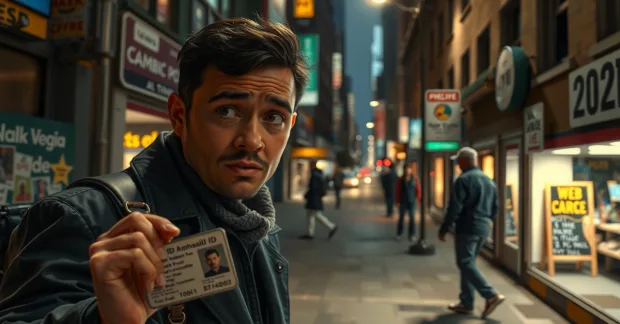
States Hide This Secret: ID Laws Every Citizen Must Know
There's a weird comfort in thinking you know your rights until a cop stops you. You walk out the door assuming you're free to roam, but state statutes are actually a legal minefield waiting to trip you up. It's scary. So, do you really need that plastic card just to walk down the street? Sometimes yes. Since the Justice Department Has Demanded Voter Files from at ... least 21 states, we know the government is watching closely. You could be risking fines just by existing in public without papers. Key Takeaways: Ever assume the rules are the same everywhere you go? They definitely aren't. There isn't a single federal law forcing you to hold plastic. Instead, you face a messy patchwork of state-level ID requirements. So what applies in Ohio might get you in trouble in Texas. States hide this […]
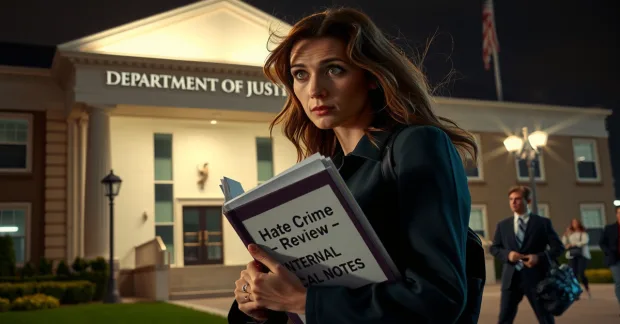
DOJ Criticized: Too Tough or Too Soft on Hate Crimes?
Most days you just want to know if your family is actually safer when the DOJ steps into hate crime cases, right? You're stuck hearing that hate crimes are climbing, yet you also hear arguments that federal prosecutors are either swinging too hard or barely swinging at all, so how are you supposed to feel confident in your rights? And when you see bias attacks exploding across race, religion, and identity, you can't help asking yourself: is your Justice Department protecting you... or leaving you hanging? Key Takeaways: Are You Willing To Question How Safe Your Rights Really Are? Hate crime reports keep climbing, yet DOJ prosecutions lag, sparking fear that bias violence is outrunning federal accountability. Civil rights groups say DOJ goes soft, declining clear hate cases and leaving victims asking, "Who actually has our backs?" Civil liberties advocates […]
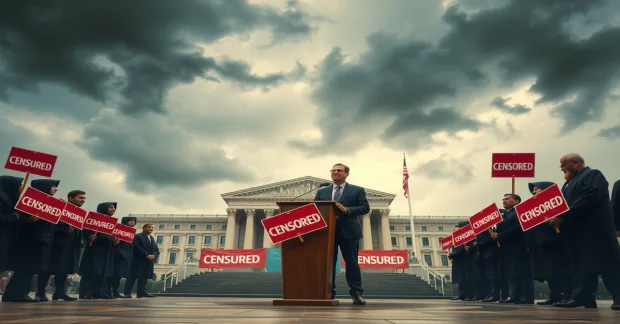
The Ugly Truth: Political Correctness vs Your Free Speech
Truth is, nearly 60% of Americans already feel they can't say what they really think in public, and you know why. You're watching political correctness creep into your job, your church, your kids' schools, quietly telling you what you're “allowed” to say. That's not respect, that's soft censorship. So ask yourself, if you have to second-guess every word, are you actually free, or just carefully managed? Key Takeaways: Is political correctness quietly turning your God-given right to speak into a permission slip controlled by elites? When you self-censor to avoid punishment, haven't they already taken more of your liberty than any statute could? Every time “offensive” words get punished, doesn't the boundary of what's allowed tighten around your throat? If truth needs protection from open debate, are we protecting people or just protecting the narrative from you? Ask yourself: will […]
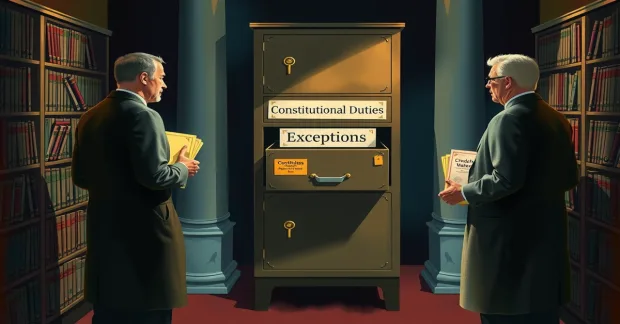
The Hidden Loophole Letting Congress Dodge the Constitution
Congress has quietly shifted lawmaking to unelected bodies, and he, she, and they must ask: who governs when faceless agencies write binding rules? This informative overview explains how the delegation loophole lets lawmakers dodge the Constitution while preserving political cover, and it outlines how advocates can push to reclaim legislative power and constitutional accountability. Key Takeaways: Who's really writing the rules that shape your rights? — Congress increasingly delegates lawmaking to agencies, letting unelected officials issue binding regulations that affect daily life. Is delegation sharing power or abandoning it? — The Constitution vests legislative power in Congress; widespread delegation has turned policy-making into agency-driven rulemaking. How did the courts enable this transfer? — The “intelligible principle” doctrine lets statutes authorize broad agency action with minimal guidance, creating a legal escape hatch for lawmakers. Feel the accountability gap? — Delegation lets […]
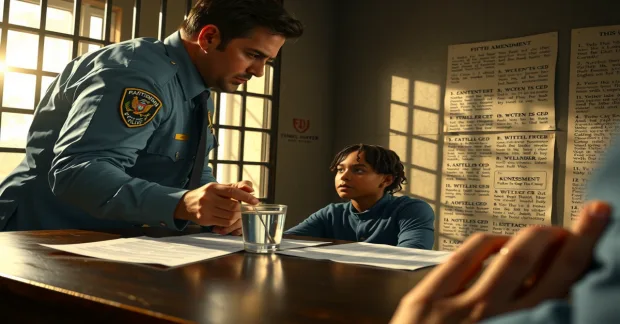
The Fifth Amendment Loophole Police Don’t Want You to Know
As you consider your rights, you may think that staying silent is a foolproof way to protect yourself, but what if your silence could be used against you? You need to understand that invoking your Fifth Amendment right isn't as simple as just staying quiet, and not knowing the loophole could cost you your freedom. Can you afford to remain uninformed about the potential consequences of your silence, or will you take the necessary steps to protect yourself? Key Takeaways: Are you aware that your silence can be used against you in a court of law, even if you think you're protected by the Fifth Amendment? What if staying silent could actually hurt you, rather than help you? Do you know that the Fifth Amendment loophole allows prosecutors to interpret your silence as evidence of guilt, unless you explicitly invoke […]
Related
They Lied to You—Property Taxes Might Be Unconstitutional?
They Didn't Just Mislead You - They Lied About Property Taxes You weren't just given half-truths about property taxes, you were fed a polished narrative that hides how aggressive and permanent this system really is. Your "civic duty" story skips the part where counties run tax-lien auctions, investors flip your debt, and people lose fully paid-off homes over a few thousand dollars. When a $2,300 tax bill can wipe out a $300,000 house, you're not being served, you're being leveraged. Wait, What's with This Property Tax Stuff? You probably grew up hearing property tax keeps your roads paved and your kids educated, but nobody mentioned the fine print where missing a single payment can trigger penalties, liens, then foreclosure. In some states, your county quietly sells that tax lien to private bidders who profit off your hardship while you scramble […]
States Hide This Secret: ID Laws Every Citizen Must Know
There's a weird comfort in thinking you know your rights until a cop stops you. You walk out the door assuming you're free to roam, but state statutes are actually a legal minefield waiting to trip you up. It's scary. So, do you really need that plastic card just to walk down the street? Sometimes yes. Since the Justice Department Has Demanded Voter Files from at ... least 21 states, we know the government is watching closely. You could be risking fines just by existing in public without papers. Key Takeaways: Ever assume the rules are the same everywhere you go? They definitely aren't. There isn't a single federal law forcing you to hold plastic. Instead, you face a messy patchwork of state-level ID requirements. So what applies in Ohio might get you in trouble in Texas. States hide this […]
DOJ Criticized: Too Tough or Too Soft on Hate Crimes?
Most days you just want to know if your family is actually safer when the DOJ steps into hate crime cases, right? You're stuck hearing that hate crimes are climbing, yet you also hear arguments that federal prosecutors are either swinging too hard or barely swinging at all, so how are you supposed to feel confident in your rights? And when you see bias attacks exploding across race, religion, and identity, you can't help asking yourself: is your Justice Department protecting you... or leaving you hanging? Key Takeaways: Are You Willing To Question How Safe Your Rights Really Are? Hate crime reports keep climbing, yet DOJ prosecutions lag, sparking fear that bias violence is outrunning federal accountability. Civil rights groups say DOJ goes soft, declining clear hate cases and leaving victims asking, "Who actually has our backs?" Civil liberties advocates […]
The Ugly Truth: Political Correctness vs Your Free Speech
Truth is, nearly 60% of Americans already feel they can't say what they really think in public, and you know why. You're watching political correctness creep into your job, your church, your kids' schools, quietly telling you what you're “allowed” to say. That's not respect, that's soft censorship. So ask yourself, if you have to second-guess every word, are you actually free, or just carefully managed? Key Takeaways: Is political correctness quietly turning your God-given right to speak into a permission slip controlled by elites? When you self-censor to avoid punishment, haven't they already taken more of your liberty than any statute could? Every time “offensive” words get punished, doesn't the boundary of what's allowed tighten around your throat? If truth needs protection from open debate, are we protecting people or just protecting the narrative from you? Ask yourself: will […]
The Hidden Loophole Letting Congress Dodge the Constitution
Congress has quietly shifted lawmaking to unelected bodies, and he, she, and they must ask: who governs when faceless agencies write binding rules? This informative overview explains how the delegation loophole lets lawmakers dodge the Constitution while preserving political cover, and it outlines how advocates can push to reclaim legislative power and constitutional accountability. Key Takeaways: Who's really writing the rules that shape your rights? — Congress increasingly delegates lawmaking to agencies, letting unelected officials issue binding regulations that affect daily life. Is delegation sharing power or abandoning it? — The Constitution vests legislative power in Congress; widespread delegation has turned policy-making into agency-driven rulemaking. How did the courts enable this transfer? — The “intelligible principle” doctrine lets statutes authorize broad agency action with minimal guidance, creating a legal escape hatch for lawmakers. Feel the accountability gap? — Delegation lets […]
The Fifth Amendment Loophole Police Don’t Want You to Know
As you consider your rights, you may think that staying silent is a foolproof way to protect yourself, but what if your silence could be used against you? You need to understand that invoking your Fifth Amendment right isn't as simple as just staying quiet, and not knowing the loophole could cost you your freedom. Can you afford to remain uninformed about the potential consequences of your silence, or will you take the necessary steps to protect yourself? Key Takeaways: Are you aware that your silence can be used against you in a court of law, even if you think you're protected by the Fifth Amendment? What if staying silent could actually hurt you, rather than help you? Do you know that the Fifth Amendment loophole allows prosecutors to interpret your silence as evidence of guilt, unless you explicitly invoke […]