

In the era of digital communication, where billions of people are connected through platforms like Facebook, Twitter, Google, and Instagram, the dissemination of information is rapid and far-reaching. With this connectivity comes an unprecedented challenge—misinformation, or worse, deliberate disinformation. The rise of false narratives online has triggered a strong response from social media companies, who have instituted fact-checking measures to control the spread of misleading or outright false information. On the surface, this sounds like a noble cause. However, this action raises profound concerns regarding free speech and censorship in a Constitutional Republic like the United States.
The First Amendment to the American Constitution guarantees that free speech is a fundamental right, a cornerstone of democracy. As Americans, we cherish our ability to speak our minds, express dissent, and challenge power without fear of retribution. However, in this new age of social media content moderation, many believe these rights are being eroded under the guise of fact-checking. The question that emerges is a pivotal one for our times: Is social media fact-checking a protective mechanism against misinformation, or is it an encroachment on free speech that veers into censorship?
This article delves deeply into the mechanics of social media fact-checking, scrutinizing its fairness, effectiveness, and broader societal implications. As we explore this topic, it’s crucial to consider whether these platforms are guarding truth or unjustly stifling the freedom of speech guaranteed to us by the First Amendment.

The Role of Social Media Fact-Checkers: Guardians of Truth or Biased Gatekeepers?
How Social Media Fact-Checking Works
The rise of social media fact-checking is a direct response to the spread of misinformation on social platforms. Over the last decade, as users increasingly turned to these platforms for news, the ease with which false or misleading information could go viral became a critical concern. Misinformation about public health, elections, and social issues has had real-world consequences, influencing behaviors, votes, and public opinion.
In response, platforms like Facebook, Google, Twitter, and Instagram have implemented social media fact-checking policies designed to flag, label, and remove misinformation. They partner with independent fact-checkers—often third-party organizations—to review content that users flag as potentially false. The fact-checkers examine the content, compare it with verified sources, and label it accordingly—either confirming its accuracy, labeling it as false, or providing context for misleading claims.
However, as users search for answers to questions like “How does social media fact-checking work?,” many have grown frustrated by the opaque processes behind these decisions. Unlike traditional journalism, where readers can access the full range of sources and investigations, social media platforms often offer vague explanations about why a piece of content was labeled as false or removed. This lack of transparency has fueled concerns about whether the process is truly fair or whether fact-checkers wield too much unchecked power.
Social Media Fact-Checking Policies and Guidelines
Each platform has developed its own set of fact-checking policies and guidelines. For example, Facebook relies on partners from the International Fact-Checking Network (IFCN) to evaluate the veracity of content. Twitter, meanwhile, focuses on labeling misleading tweets, providing additional context to help users understand when information might be false or deceptive. Google has implemented its own system of fact-checking in Google News, elevating sources that adhere to rigorous journalistic standards.
Despite these efforts, the policies and guidelines that govern social media fact-checking are often vague, leaving both users and content creators confused about what standards are being applied. For instance, who decides what counts as “misinformation”? What sources are considered trustworthy? How are fact-checkers themselves vetted?
These questions are crucial because, as Bing users frequently search for phrases like “How effective is social media fact-checking?,” people are keenly interested in whether these mechanisms are genuinely protecting the public from harm or if they are arbitrarily controlling the flow of information.
Effectiveness of Social Media Fact-Checking
When social media platforms first introduced fact-checking measures, many hailed it as a necessary step to combat the rampant spread of misinformation. However, the effectiveness of these measures remains under scrutiny. Some studies suggest that fact-checking does reduce the overall spread of false information, as users become more cautious about sharing content that has been flagged as misleading.
However, other studies point to a more nuanced outcome. While social media fact-checking might curtail misinformation on major platforms, it often drives false narratives to less-regulated corners of the internet, such as private forums or smaller, decentralized platforms. In other words, while fact-checking may mitigate the spread of misinformation on one platform, it doesn’t necessarily prevent it from circulating elsewhere. Users searching for “Is social media fact-checking effective?” on platforms like Ecosia or Google often find mixed results.
Additionally, many users feel that fact-checking disproportionately targets certain types of content, particularly those expressing minority political or social views. This perception, whether accurate or not, has led to a decline in trust in the fact-checking process. For instance, content flagged as misleading is often shared even more widely by users who believe they are being unjustly censored. This “backfire effect” suggests that fact-checking alone is not sufficient to combat misinformation and that more transparent and effective solutions are needed.
Social Media Content Moderation: Balancing Between Preventing Misinformation and Protecting Free Speech
One of the most significant challenges that social media companies face is finding the right balance between content moderation and free speech. While it’s clear that false information can cause harm, particularly when it relates to public health or democracy, many users fear that fact-checking and content moderation are infringing on their right to express themselves freely.
This fear is especially prevalent among those who hold alternative views or who question mainstream narratives. They feel that social media fact-checking unfairly targets their content, silencing their voices in a way that contradicts the principles of the First Amendment. The question of whether social media platforms should act as arbiters of truth is a deeply controversial one, and it strikes at the heart of the debate over free speech in the digital age.
Users often search for answers to questions like “Does social media fact-checking violate free speech?” on Facebook, Bing, and Google, as they seek to understand whether these platforms have the right to regulate speech in this way. While social media companies argue that they are private entities and therefore not bound by the First Amendment, critics contend that these platforms have become the modern public square, where free speech must be protected.
Is Social Media Fact-Checking Fair? A Critical Analysis
The Pros and Cons of Social Media Fact-Checking
Like any tool, social media fact-checking has both advantages and disadvantages. On the positive side, it helps to combat the spread of misinformation, which can have dangerous real-world consequences. For example, during the COVID-19 pandemic, false claims about vaccines spread rapidly on social media, leading to lower vaccination rates and higher rates of illness and death. Fact-checking helped to counter these false narratives by providing users with accurate information.
However, there are significant downsides as well. One of the main criticisms of social media fact-checking is that it often lacks transparency. Users who see their content flagged as false or misleading are often left in the dark about why their content was singled out. Additionally, many people believe that fact-checkers are biased, either politically or ideologically, and that they use their position to silence dissenting voices.
When users search for phrases like “Social media fact-checking pros and cons” or “Is social media fact-checking fair?” on platforms like Yandex, Google, and Bing, they often encounter this tension. While fact-checking is undoubtedly useful for preventing the spread of harmful misinformation, it also risks silencing legitimate debate and discussion.
Transparency in Social Media Fact-Checking: Are the Processes Open and Fair?
One of the most frequently raised concerns about social media fact-checking is the lack of transparency in how decisions are made. While platforms like Facebook, Google, and Twitter have partnerships with independent fact-checkers, users are often given little information about the criteria used to flag content as false or misleading. This has led to growing skepticism about the fairness of the fact-checking process.
Many users search for terms like “Transparency in social media fact-checking” or “How are social media fact-checking decisions made?” in an attempt to understand the inner workings of these systems. Unfortunately, they are often met with vague or incomplete answers, further fueling the perception that fact-checking is not applied fairly. This lack of transparency has eroded public trust in the fact-checking process, leading many to believe that social media companies are more interested in controlling the narrative than in providing users with accurate information.
Are Social Media Fact-Checkers Biased?
One of the most contentious issues in the debate over social media fact-checking is the question of bias. Are fact-checkers truly neutral
, or do they allow their own political or ideological views to influence their decisions? Critics of social media fact-checking argue that fact-checkers are biased, often disproportionately targeting conservative or libertarian viewpoints while allowing misinformation from the left to go unchecked.
Users frequently search for phrases like “Are social media fact-checkers biased?” on Google, Bing, and Ecosia, reflecting widespread concerns about the neutrality of the fact-checking process. Whether this perception of bias is accurate or not, it has a significant impact on public trust in social media platforms. Many users feel that their views are being unfairly censored, and this has led to growing calls for greater accountability and transparency in the fact-checking process.

Impact on Freedom of Expression: Does Fact-Checking Inhibit Free Speech?
One of the most significant criticisms of social media fact-checking is that it stifles freedom of expression, particularly for those with controversial or minority viewpoints. Critics argue that by labeling certain content as false or misleading, fact-checkers are effectively silencing voices that challenge mainstream narratives. This is especially concerning in a Constitutional Republic like the United States, where the First Amendment guarantees the right to free speech.
Many users who search for terms like “Impact of social media fact-checking on freedom of expression” or “Does fact-checking violate free speech?” on platforms like Facebook and Google are concerned that fact-checking is being used as a tool of censorship. They argue that fact-checking should not be used to suppress dissenting views, even if those views are controversial or unpopular. Instead, they advocate for a more open and transparent system that allows for robust debate and discussion.
The Thin Line Between Fact-Checking and Censorship: A Constitutional Dilemma
Social Media Censorship vs Free Speech: Where Do We Draw the Line?
As the role of social media platforms has grown, so too has the debate over whether their actions amount to censorship. Fact-checking is just one of many tools these platforms use to regulate the content shared by their users. However, many believe that these actions have crossed the line from content moderation into censorship.
Users who search for phrases like “Social media censorship vs free speech” or “Does social media fact-checking infringe on free speech?” are grappling with a fundamental question about the nature of free speech in the digital age. While social media companies argue that they are simply removing harmful misinformation, critics argue that they are suppressing dissenting voices and curating a narrow range of acceptable viewpoints.
The First Amendment protects free speech, but it does not apply directly to private companies like Facebook or Twitter. However, given the outsized role these platforms play in shaping public discourse, many believe they have a responsibility to uphold the spirit of the First Amendment. The line between fact-checking and censorship is a thin one, and social media platforms must tread carefully to avoid infringing on users’ rights.
Legal Issues in Social Media Fact-Checking: Exploring the Ramifications
The legal issues surrounding social media fact-checking are complex and evolving. While fact-checking itself is not illegal, there are concerns about whether these practices violate users’ rights to free speech and due process. For example, when social media platforms remove or restrict content based on a fact-checking decision, are they violating the user’s right to free expression?
Users searching for terms like “Legal issues in social media fact-checking” or “Can social media fact-checking violate free speech?” are trying to understand the legal landscape surrounding this issue. The answers are not always clear, as the law has struggled to keep pace with the rapid evolution of social media. While private companies have the right to set their own content policies, the sheer size and influence of platforms like Facebook and Twitter have raised questions about their role in regulating speech.
Case Studies of Social Media Censorship: Real-Life Examples
To understand the potential dangers of social media fact-checking and censorship, it’s helpful to look at real-life examples where content moderation has gone awry. One of the most prominent examples occurred during the 2020 U.S. presidential election, when platforms like Facebook and Twitter took aggressive steps to limit the spread of misinformation. In some cases, this meant removing posts from sitting politicians, including the President of the United States.
This led to widespread accusations of censorship, with many arguing that these platforms had overstepped their bounds. The search queries “Examples of social media censorship” and “How social media fact-checking affects elections” reflect the public’s interest in these controversial decisions. Critics argue that by removing content from public figures, social media companies are exerting an undue influence on the political process.

Public Trust in Social Media Fact-Checking: How Do Users Perceive These Efforts?
As the debate over social media fact-checking continues, one thing has become clear: public trust in these efforts is eroding. Many users feel that fact-checking is being applied unevenly, with certain viewpoints being unfairly targeted. This perception of bias has led to a growing mistrust of social media platforms, with many users questioning the fairness and transparency of the fact-checking process.
Users who search for terms like “Public trust in social media fact-checking” or “How do users perceive social media fact-checking?” are often skeptical of the motives behind these efforts. They believe that fact-checking is less about protecting the public from harm and more about controlling the narrative. This mistrust has fueled the rise of alternative platforms that promise more open and uncensored communication, further fragmenting the information ecosystem.
Impact on Democracy and Society: The Broader Implications of Social Media Fact-Checking
How Social Media Fact-Checking Affects Democracy
The role of social media fact-checking in shaping public opinion and influencing democratic processes cannot be understated. In a Constitutional Republic like the United States, where free speech and the right to vote are fundamental pillars of democracy, the ability to share information freely is essential. However, when social media platforms take it upon themselves to regulate this information, they wield a tremendous amount of power over the political process.
Users searching for phrases like “How social media fact-checking affects democracy” or “Does social media censorship impact elections?” are concerned about the potential for these platforms to influence voter behavior. For example, during the 2020 election, fact-checkers labeled or removed content related to election fraud, leading some to believe that social media companies were suppressing important information. While fact-checking may be intended to protect the integrity of elections, it can also have the unintended consequence of stifling legitimate debate and discussion.
Social Media Misinformation and Public Trust: Can Fact-Checking Restore Faith in Social Media?
One of the main goals of social media fact-checking is to restore public trust in the information shared on these platforms. However, the question remains: can fact-checking really achieve this goal? While some users appreciate the efforts to curb misinformation, many others see fact-checking as a form of censorship that undermines free speech.
Users who search for terms like “Can fact-checking restore trust in social media?” or “Does social media fact-checking build trust?” are often divided on this issue. While fact-checking may help to reduce the spread of false information, it can also alienate users who feel that their views are being unfairly targeted. This erosion of public trust is a significant challenge for social media platforms, as they try to balance the need for accurate information with the principles of free speech.
Social Media Fact-Checking and Its Societal Impact: Shaping Social Narratives
Beyond its impact on democracy, social media fact-checking also plays a significant role in shaping the broader societal narratives that influence public opinion. By deciding which information is promoted and which is suppressed, fact-checkers have the power to shape the way we understand the world. This is a tremendous responsibility, and it raises important ethical questions about who gets to decide what is true and what is false.
Users searching for phrases like “The societal impact of social media fact-checking” or “How does social media fact-checking shape social narratives?” are concerned about the potential for fact-checking to be used as a tool of social control. When only certain viewpoints are allowed to be shared, it can create a distorted version of reality, where alternative perspectives are silenced. This has serious implications for our ability to engage in meaningful discussions about important social and political issues.

Strategies for Effective Fact-Checking: Best Practices and Future Directions
Best Practices for Social Media Fact-Checking: What Works and What Doesn’t
While social media fact-checking is fraught with challenges, there are several best practices that can help to improve its effectiveness. One of the most important principles is transparency. Fact-checkers should clearly explain their decisions and provide users with access to the sources they relied on. This can help to build **public
trust** and ensure that users feel confident in the fact-checking process.
Users who search for phrases like “Best practices for social media fact-checking” or “How to improve social media fact-checking” are looking for ways to make the system more fair and effective. By focusing on transparency, neutrality, and accountability, social media platforms can improve the integrity of their fact-checking efforts and reduce the perception of bias.
The Future of Social Media Fact-Checking: What’s Next?
As social media fact-checking continues to evolve, there are several important trends to watch. One of the most significant is the increasing use of artificial intelligence (AI) to automate parts of the fact-checking process. AI can help to identify patterns of misinformation and flag potentially false content more efficiently than human fact-checkers. However, there are also concerns that AI systems may be prone to their own forms of bias, particularly if they rely on flawed data sets.
Users searching for phrases like “The future of social media fact-checking” or “How will AI impact social media fact-checking?” are interested in how these new technologies will shape the future of content moderation. While AI has the potential to make fact-checking more efficient, it also raises important questions about accountability and fairness.
FAQs
What is social media fact-checking?
Social media fact-checking refers to the process by which platforms like Facebook, Twitter, and Google review and label content to determine its accuracy. This is typically done in partnership with independent fact-checkers, who evaluate the veracity of claims and flag content that is found to be misleading or false.
How does social media fact-checking work?
Social media platforms rely on a combination of user reports, automated systems, and partnerships with third-party fact-checkers to identify potentially false information. Once content is flagged, it is reviewed by fact-checkers, who compare it to verified sources and determine whether it is accurate, misleading, or false.
Is social media fact-checking effective?
The effectiveness of social media fact-checking is a matter of debate. While it has been shown to reduce the spread of misinformation, it also faces criticism for its lack of transparency and perceived bias. Additionally, fact-checking may push misinformation to less-regulated platforms, where it can continue to spread.
Does social media fact-checking violate free speech?
This is a contentious issue. While social media platforms are private companies and not directly bound by the First Amendment, critics argue that their fact-checking efforts amount to censorship. They contend that by flagging or removing content, these platforms are infringing on users’ rights to express themselves freely.
Are social media fact-checkers biased?
Many users believe that social media fact-checkers are biased, particularly against conservative or libertarian viewpoints. While fact-checking organizations strive for neutrality, the perception of bias is widespread, and it has eroded public trust in the fact-checking process.

Key Takeaways
- Social media fact-checking is a tool used by platforms like Facebook, Google, and Twitter to combat the spread of misinformation.
- The effectiveness and fairness of social media fact-checking are widely debated, with concerns about bias, transparency, and free speech.
- Critics argue that fact-checking can lead to censorship, particularly of minority viewpoints or dissenting opinions.
- The future of social media fact-checking may involve greater use of artificial intelligence, but this raises new questions about accountability and fairness.
- Public trust in social media platforms is eroding, as many users believe that fact-checking is being used to control the narrative rather than to protect the public from harm.
In a world where information is power, the role of social media fact-checking is more important than ever. However, as we navigate this new reality, it’s essential to strike a balance between protecting the truth and safeguarding our right to free speech.


About the author


Understanding Allodial Titles, Land Patents, and Their Legal Implications
In property rights and land ownership, the concepts of allodial titles and land patents hold significant legal weight. These terms are often used in discussions related to the protection of property rights, land ownership, and the interplay between various areas of law such as the Uniform Commercial Code, contract law, constitutional law, and statutory law. In this in-depth blog post, we will explore into the intricacies of allodial titles and land patents, exploring their definitions, legal implications, and dispelling common myths and misconceptions associated with them. Key Takeaways: Allodial Titles Explained: An allodial title represents the highest form of land ownership, granting the owner absolute and unburdened ownership of the property, free from any encumbrances, liens, or taxes imposed by external parties. Land Patents and Their Legal Implications: A land patent is a legal document issued by the government that […]

Outsmart the System: Top Legal Strategies You Need to Know
Understanding the Legal Landscape While the legal system may seem intimidating, grasping its core concepts can empower you to navigate its complexities effectively. Understanding this landscape is vital for anyone looking to outsmart the system and optimize their legal strategies. Whether you’re seeking legal hacks for small businesses or tips on how to use legal loopholes to your advantage, recognizing the different legal frameworks at play can be crucial in making informed decisions. Overview of Legal Systems An understanding of the various legal systems is pivotal for recognizing your rights and obligations. Legal frameworks can vary significantly from one country to another, with common systems including civil law, common law, and religious law. Each system has its own structure, offering unique legal strategies and challenges. For example, in a common law system, previous judicial decisions can influence future cases, allowing […]

Ilataza Ban Yasharahla EL’s Public Records Request for Elyria Board of Education
24-0001492: Ilataza Ban Yasharahla EL's Public Records Request for Elyria Board of Education. All Rights Expressly Reserved and Retained. https://nationalnoticerecord.com/elyria-boe-members-required-to-follow-rulings https://nationalnoticerecord.com/is-elyria-school-board-bound-by-ohio-courts https://nationalnoticerecord.com/understanding-the-oath-of-office-legal-obligations-and-consequences

Ohio Legalizing Recreation Marijuana Use May Hurt Dispensaries in Monroe, Michigan
In recent years, the movement to legalize marijuana for adult recreational use has gained significant momentum across the United States. Ohio, a state long synonymous with conservative values, has also embraced this shift in public opinion. With the passing of Ohio Issue 2 and the Ohio Home Grow Bill, the state has joined the ranks of those allowing the recreational use of marijuana. This blog post will delve into the pros and cons of Ohio's legalization, as well as the potential implications for marijuana dispensaries in Monroe, Michigan, which previously benefited from Ohio buyers crossing state lines. https://www.youtube.com/watch?v=0KRzqZ8dUwc Pros of Ohio's Recreational Marijuana Legalization 1. Economic Boost: Legalizing recreational marijuana in Ohio has the potential to generate substantial economic benefits for the state. The marijuana industry has proven to be a lucrative market, with tax revenue and job creation being […]
The Etymology of “Bey” EXPOSED
TURN UP YOUR VOLUME & PRESS PLAY Have you ever wondered what the true origin and meaning of "Bey" is? We've been told that it means "Governor", "Law Enforcer", Chief, etc. But, what if that's incorrect? What if we've been using the "title", "Bey", incorrectly? FILL OUT THE FORM TO GET STARTED First Name: Last Name: Phone Number: Email: I agree to receive email updates and promotions. Submit
Are You A “Colored Person”?
Tune in as we dissect the term "person of color", exposing how its PURPOSELY steeped in plausibility, DECEPTION, and used as a weapon.

We’ve Been FORCED to Make Some Changes
Due to receiving so many tasks that our work has become more tedious, we've been forced to make some changes at National Notice Record.
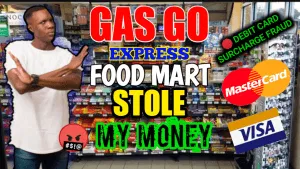
Gas Go Express Food Mart Unjust Enrichment Via Debit Card Surcharge Fees
https://www.youtube.com/watch?v=eJknhtE9JEI In this video, I talk about a consumer experience I had while shopping at Gas Go Express Food Mart Gas Station, located at 237 Lake Avenue, Elyria, Ohio. On November 24, 2021, I made a purchase for 4 taxable items at the location. Each item was $0.99 per. With taxes, it came up to $4.26. As I got ready to place my debit card into the card reader, the Gas Go Express Food Mart clerk immediately added a $.50 debit card surcharge fee. As a common practice, some merchants/stores add a surcharge to your total purchase amount when you spend less than $5 or $10 when using a credit/debit card to process the payment. Being a merchant myself, I know that Master Card, Visa, Discover, and some of the other financial institutions have a strict policy that states that […]

Is Your Signature a Trap? The UCC Truth
Just a quick question for you: Are you sure about what your signature really means? Your signature, under the Uniform Commercial Code (UCC), isn't just an autograph. It can be a legal trap, binding you to terms you never fully understood. Learn to protect yourself from these hidden dangers in commercial transactions. Seriously, is your signature actually a legal trap or just a silent endorsement? You probably think your signature is just a formality, right? But under the Uniform Commercial Code (UCC), it's much more. Your signature acts as a binding endorsement, fueling the financial system, often at your personal expense. Why we're conditioned to sign stuff without looking and the bad news that follows Ever feel rushed to sign? This conditioning makes you enter "contracts of adhesion." You're then seen as a "debtor" or "representative", not a living person […]

The Merchant’s Bible: Decoding UCC Article 1
Many entrepreneurs overlook the bedrock of commercial law. You must understand UCC Article 1. This article governs your business transactions, from agreements to definitions. Ignoring these foundational provisions can lead to costly disputes. Master this crucial legal framework to protect your interests and achieve success. Key Takeaways: * UCC Article 1 forms the foundational rules of US commercial law. It defines core concepts, distinguishing an "agreement" from a binding "contract."* Merchants must recognize that UCC Article 1 rules often supersede common law in business dealings. This shift dictates different legal obligations and expectations.* Certain mandates cannot be disclaimed, including good faith, diligence, reasonableness, and care. These duties always govern commercial transactions.* Past actions, such as course of dealing and course of performance, can redefine written contracts. Documenting reservations of rights protects legal leverage.* UCC Article 1 is adapting to the […]

Hidden in Plain Sight: The UCC 1-308 Shield
You probably feel something is off. You sign documents daily, but do you truly understand their hidden implications? This little-known shield can protect your inherent rights. It's a secret many miss, but you don't have to be one of them. Key Takeaways: You know, there's this growing buzz online about reclaiming personal sovereignty, and a lot of folks are looking into how the Uniform Commercial Code fits into that. It feels like we're all just waking up to how much of our lives are governed by unspoken rules. * Signing documents "without prejudice UCC 1-308" isn't just legal jargon; it's a profound declaration. This simple act communicates you are performing an action, but you aren't consenting to hidden contract terms. * Many everyday agreements, like your driver's license application, are "adhesion contracts." You typically accept their terms completely, or you […]

UCC Secrets: The Code That Owns Your Daily Life
UCC is everywhere, shaping your financial reality. You might not realize it, but the Uniform Commercial Code governs your daily life. This code dictates how your assets are handled, often without your explicit understanding. You need to know these secrets. Key Takeaways: You know, most folks think they're playing by "Civil Law" rules, but the truth is, the Uniform Commercial Code (UCC) is the real silent puppet master pulling the strings of daily life. It's not just some obscure legal jargon; it's the very foundation of our commercial world. That "Corporate Personhood" stuff in the UCC isn't just for big companies; it's about the "Strawman" created with your birth certificate. This legal fiction might be the key to understanding why your identity feels like a perfected security interest. UCC 1-308, that "without prejudice" phrase, it's not a magic spell, but […]

What If Traffic Tickets Are Just Municipal Profit Schemes?
The Great Harvesting: Why Traffic Tickets are Municipal Profit Schemes I. What If Traffic Tickets Were Never About Safety? What if everything you’ve been told about traffic tickets is wrong? What if traffic enforcement has quietly shifted from “public safety” to public revenue? This shift transforms ordinary citizens into municipal ATMs. You are not being “protected” on the road. Instead, you are being harvested. This is happening algorithmically, administratively, and unconstitutionally. For decades, Americans accepted traffic tickets as routine. But here is the question almost no one asks. Are traffic tickets unconstitutional? Is this a cleverly disguised municipal profit scheme? These municipal corporations depend on fines. They need them like businesses depend on sales. There is a massive rise in public distrust today. People ask: “Are traffic tickets unconstitutional revenue streams?” This is an explosive search trend across all major […]

Service Providers Are Hiding Fees-and It’s NOT Legal
Many of you have likely felt the sting of unexpected charges on your bills. You signed a contract, yet the total is higher than expected. This isn't just annoying; it's often illegal. You deserve to know every cost upfront. Are you tired of feeling cheated by hidden fees? Key Takeaways: * Does that bill make your stomach drop? Hidden fees are a sneaky strategy, not an accident, making your monthly charges mysteriously higher than expected.* Are they playing fair with your money? Companies often use vague terms like “service fees” or “administrative costs” to mask charges you never agreed to.* Is this even legal? No, concealing fees violates consumer protection laws, making it deceptive and unfair to you.* Why did they hide it from you? Businesses exploit emotions, getting you to commit before revealing the costly details in fine print.* […]
Related
Is Your Signature a Trap? The UCC Truth
Just a quick question for you: Are you sure about what your signature really means? Your signature, under the Uniform Commercial Code (UCC), isn't just an autograph. It can be a legal trap, binding you to terms you never fully understood. Learn to protect yourself from these hidden dangers in commercial transactions. Seriously, is your signature actually a legal trap or just a silent endorsement? You probably think your signature is just a formality, right? But under the Uniform Commercial Code (UCC), it's much more. Your signature acts as a binding endorsement, fueling the financial system, often at your personal expense. Why we're conditioned to sign stuff without looking and the bad news that follows Ever feel rushed to sign? This conditioning makes you enter "contracts of adhesion." You're then seen as a "debtor" or "representative", not a living person […]
The Merchant’s Bible: Decoding UCC Article 1
Many entrepreneurs overlook the bedrock of commercial law. You must understand UCC Article 1. This article governs your business transactions, from agreements to definitions. Ignoring these foundational provisions can lead to costly disputes. Master this crucial legal framework to protect your interests and achieve success. Key Takeaways: * UCC Article 1 forms the foundational rules of US commercial law. It defines core concepts, distinguishing an "agreement" from a binding "contract."* Merchants must recognize that UCC Article 1 rules often supersede common law in business dealings. This shift dictates different legal obligations and expectations.* Certain mandates cannot be disclaimed, including good faith, diligence, reasonableness, and care. These duties always govern commercial transactions.* Past actions, such as course of dealing and course of performance, can redefine written contracts. Documenting reservations of rights protects legal leverage.* UCC Article 1 is adapting to the […]
Hidden in Plain Sight: The UCC 1-308 Shield
You probably feel something is off. You sign documents daily, but do you truly understand their hidden implications? This little-known shield can protect your inherent rights. It's a secret many miss, but you don't have to be one of them. Key Takeaways: You know, there's this growing buzz online about reclaiming personal sovereignty, and a lot of folks are looking into how the Uniform Commercial Code fits into that. It feels like we're all just waking up to how much of our lives are governed by unspoken rules. * Signing documents "without prejudice UCC 1-308" isn't just legal jargon; it's a profound declaration. This simple act communicates you are performing an action, but you aren't consenting to hidden contract terms. * Many everyday agreements, like your driver's license application, are "adhesion contracts." You typically accept their terms completely, or you […]
UCC Secrets: The Code That Owns Your Daily Life
UCC is everywhere, shaping your financial reality. You might not realize it, but the Uniform Commercial Code governs your daily life. This code dictates how your assets are handled, often without your explicit understanding. You need to know these secrets. Key Takeaways: You know, most folks think they're playing by "Civil Law" rules, but the truth is, the Uniform Commercial Code (UCC) is the real silent puppet master pulling the strings of daily life. It's not just some obscure legal jargon; it's the very foundation of our commercial world. That "Corporate Personhood" stuff in the UCC isn't just for big companies; it's about the "Strawman" created with your birth certificate. This legal fiction might be the key to understanding why your identity feels like a perfected security interest. UCC 1-308, that "without prejudice" phrase, it's not a magic spell, but […]
What If Traffic Tickets Are Just Municipal Profit Schemes?
The Great Harvesting: Why Traffic Tickets are Municipal Profit Schemes I. What If Traffic Tickets Were Never About Safety? What if everything you’ve been told about traffic tickets is wrong? What if traffic enforcement has quietly shifted from “public safety” to public revenue? This shift transforms ordinary citizens into municipal ATMs. You are not being “protected” on the road. Instead, you are being harvested. This is happening algorithmically, administratively, and unconstitutionally. For decades, Americans accepted traffic tickets as routine. But here is the question almost no one asks. Are traffic tickets unconstitutional? Is this a cleverly disguised municipal profit scheme? These municipal corporations depend on fines. They need them like businesses depend on sales. There is a massive rise in public distrust today. People ask: “Are traffic tickets unconstitutional revenue streams?” This is an explosive search trend across all major […]
Service Providers Are Hiding Fees-and It’s NOT Legal
Many of you have likely felt the sting of unexpected charges on your bills. You signed a contract, yet the total is higher than expected. This isn't just annoying; it's often illegal. You deserve to know every cost upfront. Are you tired of feeling cheated by hidden fees? Key Takeaways: * Does that bill make your stomach drop? Hidden fees are a sneaky strategy, not an accident, making your monthly charges mysteriously higher than expected.* Are they playing fair with your money? Companies often use vague terms like “service fees” or “administrative costs” to mask charges you never agreed to.* Is this even legal? No, concealing fees violates consumer protection laws, making it deceptive and unfair to you.* Why did they hide it from you? Businesses exploit emotions, getting you to commit before revealing the costly details in fine print.* […]