Overwhelming public scrutiny of law enforcement conduct has become a defining issue of our time, sparking critical discussions about police accountability and legal boundaries. In an era where police misconduct cases regularly make headlines, understanding the complex relationship between law enforcement authority and legal limitations has never been more important. From excessive force incidents to questions about qualified immunity, citizens increasingly demand transparency and accountability from those sworn to protect and serve. This examination investigates into the challenging intersection of police power, legal constraints, and the fundamental rights of citizens in modern America.
Key Takeaways:
- Legal Boundaries – Police officers have specific immunities and privileges while performing duties, but these must be properly justified and authorized to avoid crossing into misconduct
- Accountability Measures – Various oversight mechanisms exist including internal affairs investigations, civilian review boards, and body cameras to ensure police accountability
- Constitutional Rights – Citizens are protected under the Fourth Amendment from unreasonable searches and seizures, with legal recourse available through Section 1983 civil rights lawsuits
- Police Powers vs Rights – Law enforcement authority must be balanced against citizens’ constitutional rights, requiring probable cause and proper warrants for many actions
- Public Trust – When officers break laws without consequences, it erodes community confidence and can lead to social unrest and demands for police reform

Constitutional Framework of Police Powers
For law enforcement officers, their authority stems from a complex web of constitutional provisions and legal precedents that both grant and limit their powers. The U.S. Constitution, particularly through the Bill of Rights, establishes the fundamental framework within which police must operate, balancing the need for effective law enforcement with the protection of individual civil liberties.
Fourth Amendment Limitations
Fourth Amendment protections serve as a primary check on police authority, requiring law enforcement to obtain warrants based on probable cause before conducting searches or seizures. This constitutional safeguard specifically prohibits unreasonable searches and has led to the development of the exclusionary rule, which prevents illegally obtained evidence from being used in court.
Color of Law Doctrine
Powers exercised by law enforcement under the color of law doctrine refer to actions taken by officers while appearing to act in their official capacity. This doctrine becomes particularly significant when officers abuse their authority, as it forms the basis for federal civil rights violations under Section 1983 of the Civil Rights Act.
Constitutional violations under color of law occur when officers knowingly exceed their lawful authority while appearing to act within their official capacity. Such actions can result in both criminal prosecution and civil liability for the offending officers.
Jurisdictional Boundaries
Boundaries of police authority are strictly defined by geographical and jurisdictional limits, with specific restrictions on where and when officers can exercise their powers. These limitations vary between local, state, and federal law enforcement agencies, creating a complex system of overlapping jurisdictions and mutual aid agreements.
Further complications arise when officers operate across jurisdictional lines, requiring careful attention to inter-agency cooperation protocols and mutual aid agreements. These arrangements must balance the need for effective law enforcement with respect for local autonomy and constitutional protections.
Police Immunities and Legal Exceptions
It is crucial to understand that law enforcement officers operate under specific legal protections and exceptions that shield them from liability in certain situations. These immunities and exceptions are designed to allow officers to perform their duties effectively while maintaining public safety, though they have become increasingly controversial due to potential misuse. The balance between protecting officers and ensuring accountability has sparked significant debate in recent years.
Qualified Immunity Doctrine
On the forefront of police protection stands the qualified immunity doctrine, established by the Supreme Court in 1967. This doctrine shields government officials from civil lawsuits unless their actions violated “clearly established” constitutional rights. According to recent studies, this protection has resulted in the dismissal of approximately 57% of excessive force cases against police officers before trial.
Good Faith Exception
To protect officers acting on reasonable beliefs, the good faith exception allows evidence obtained through invalid warrants to be admissible in court if officers acted with an honest belief in the warrant’s validity. This exception has become increasingly significant in modern policing, particularly with the rise of digital evidence and complex search situations.
Plus, courts have expanded the good faith exception to cover various scenarios, including database errors and changes in law. However, this expansion has raised concerns about potential abuse and the weakening of Fourth Amendment protections.
Exigent Circumstances
About one-third of warrantless searches are justified through exigent circumstances, which allow officers to act without a warrant when there’s an immediate need to prevent evidence destruction, protect public safety, or pursue a fleeing suspect. This exception provides necessary flexibility for emergency situations while potentially creating opportunities for overreach.
Doctrine of exigent circumstances continues to evolve with technology and changing social conditions. Courts have increasingly had to balance public safety concerns against individual privacy rights, particularly in cases involving digital evidence and emergency response scenarios.
Categories of Police Misconduct
Many forms of police misconduct have been identified and documented over the years, ranging from minor procedural violations to severe criminal offenses. These categories help citizens and oversight bodies identify, track, and address patterns of misconduct within law enforcement agencies, with studies showing that proper categorization leads to more effective accountability measures.
Excessive Force
Around 1,000 people annually lose their lives due to police use of force in the United States, with studies indicating that minorities are disproportionately affected. This category of misconduct occurs when officers use more force than reasonably necessary to control a situation, often resulting in serious injuries or fatalities.
False Arrest
Between 2% and 10% of all arrests in major urban areas are estimated to be legally unfounded, resulting in wrongful detentions and civil rights violations. These incidents occur when officers detain individuals without probable cause or proper legal justification, often stemming from misidentification or procedural misconduct.
Indeed, the consequences of false arrests extend far beyond the immediate detention, often leading to job losses, damaged reputations, and significant psychological trauma for victims. Legal experts estimate that municipalities pay millions in settlements annually for false arrest claims.

Evidence Tampering
Before cases reach courtrooms, some officers engage in illegal manipulation or destruction of evidence, compromising the integrity of criminal investigations. This misconduct can include planting evidence, falsifying reports, or deliberately mishandling crucial case materials.
In fact, evidence tampering cases have led to the overturning of hundreds of criminal convictions nationwide, with some police departments implementing stricter chain-of-custody protocols and body camera requirements to prevent such misconduct.
Accountability Mechanisms
All law enforcement agencies must maintain robust systems of accountability to ensure their officers operate within legal boundaries. These mechanisms serve as important safeguards against abuse of power and help maintain public trust in law enforcement institutions. The multi-layered approach to police accountability includes internal investigations, civilian oversight, and federal intervention when necessary.
Internal Affairs
For most police departments, the Internal Affairs division serves as the primary investigative body for allegations of officer misconduct. These units conduct thorough investigations into complaints against officers, ranging from procedural violations to serious criminal allegations. Statistics show that Internal Affairs divisions nationwide handle thousands of cases annually, with outcomes varying from dismissal of charges to disciplinary actions including termination of employment.
Civilian Oversight
For many communities, civilian oversight boards represent a vital link between law enforcement and the public they serve. These independent bodies review police conduct, investigate complaints, and make policy recommendations to improve accountability. Recent studies indicate that cities with effective civilian oversight experience up to 25% fewer use-of-force incidents.
With increasing public demand for transparency, civilian oversight boards have gained additional powers in many jurisdictions. These boards now often have subpoena authority and can access body camera footage, personnel records, and other crucial evidence needed for thorough investigations.
Federal Intervention
Civilian rights violations by law enforcement can trigger intervention from the U.S. Department of Justice. Through pattern-or-practice investigations, federal authorities examine systemic issues within police departments and can mandate reforms through consent decrees. These interventions have led to significant improvements in police conduct and departmental policies in numerous cities.
At the federal level, the Department of Justice has conducted over 70 investigations into police departments since 1994, resulting in more than 40 consent decrees. These agreements have brought about comprehensive reforms in training, use-of-force policies, and accountability measures across the nation.

Civil Rights Violations
Unlike other forms of misconduct, civil rights violations by law enforcement officers represent direct infringements of constitutionally protected rights. These violations often include excessive force, unlawful arrests, and discriminatory practices that disproportionately affect minority communities. According to Department of Justice statistics, approximately 84% of police departments serve populations under 50,000, yet civil rights violations occur across departments of all sizes.
Section 1983 Claims
Before 1961, citizens had limited legal recourse against law enforcement officers who violated their constitutional rights. The landmark case Monroe v. Pape established that individuals could sue state officials, including police officers, under Section 1983 of the Civil Rights Act of 1871. This legislation provides citizens with a powerful tool to seek justice when their civil rights are violated under color of law.
Pattern or Practice Investigations
By examining systematic misconduct within police departments, Pattern or Practice investigations conducted by the Department of Justice have revealed widespread constitutional violations in numerous jurisdictions. These investigations, authorized under the 1994 Violent Crime Control and Law Enforcement Act, have led to significant reforms through consent decrees and memoranda of understanding.
Claims resulting from Pattern or Practice investigations have exposed systemic issues such as racial profiling, excessive force, and discriminatory policing practices. These investigations have resulted in mandatory reforms in cities like Ferguson, Baltimore, and Chicago, leading to improved accountability measures and policy changes.
Constitutional Torts
Section 1983 constitutional tort claims provide a legal framework for holding officers accountable for violations of clearly established constitutional rights. These cases often involve Fourth Amendment violations, including unreasonable searches and seizures, as well as First Amendment violations like retaliatory arrests.
To successfully pursue a constitutional tort claim, plaintiffs must demonstrate that the officer’s actions violated a clearly established constitutional right that a reasonable officer would have known about. This requirement balances the need for accountability with the recognition that officers must make split-second decisions in challenging situations.
Evidence of Misconduct
Your ability to identify and document police misconduct has never been more critical in today’s digital age. With the rise of technology and increased public awareness, various forms of evidence can now substantiate claims of law enforcement violations. From smartphone recordings to official documentation, each piece of evidence plays a vital role in building cases against police misconduct and ensuring accountability.
Body Camera Footage
Misconduct captured through body-worn cameras has become one of the most reliable forms of evidence in police accountability cases. Studies show that departments using body cameras have experienced a 93% reduction in citizen complaints and a 60% decrease in uses of force. The footage provides an unbiased, real-time account of police interactions, making it increasingly difficult for officers to dispute claims of misconduct.
Witness Testimony
About 70% of police misconduct cases rely heavily on witness accounts to establish the sequence of events. Eyewitness testimony remains a cornerstone in building cases against law enforcement misconduct, particularly when technological evidence is unavailable or incomplete.
Even in cases where video evidence exists, witness testimonies provide crucial context and additional perspectives that cameras might miss. Multiple witness accounts can help establish patterns of behavior and corroborate other forms of evidence, strengthening the overall case against police misconduct.

Documentary Evidence
Along with digital and testimonial evidence, written documentation plays a vital role in establishing patterns of police misconduct. This includes police reports, internal affairs investigations, disciplinary records, and medical reports that can reveal inconsistencies or confirm allegations of wrongdoing.
Camera footage, social media posts, and surveillance videos from nearby businesses or residences often provide additional documentary proof that can substantiate claims of police misconduct. These various forms of documentation create a comprehensive picture that can be crucial in legal proceedings and internal investigations.
Legal Remedies
Keep in mind that when law enforcement officers violate laws or constitutional rights, there are several established legal pathways for seeking justice. These remedies serve as important checks on police power and help maintain accountability in law enforcement. The legal system provides three main avenues for addressing police misconduct: criminal prosecution, civil litigation, and administrative sanctions.
Criminal Prosecution
Between 2015 and 2021, approximately 110 law enforcement officers were charged with murder or manslaughter for on-duty shootings in the United States. Criminal prosecution represents the most serious form of accountability, where officers face charges for violations ranging from assault to civil rights infractions. These cases are typically handled by state prosecutors or the Department of Justice’s Civil Rights Division.
Civil Litigation
One of the most common legal remedies against police misconduct is civil litigation under Section 1983 of the Civil Rights Act, which allows individuals to sue government officials for constitutional violations. These lawsuits can result in substantial monetary damages, with some major cities paying out millions annually in settlements.
Also worth noting is that civil litigation often leads to systemic changes in police departments through consent decrees and mandatory reforms, even when individual officers are not criminally charged. These cases have become powerful tools for police accountability and institutional change.
Administrative Sanctions
Sanctions through internal affairs investigations and civilian oversight boards provide another avenue for addressing police misconduct. These procedures can result in disciplinary actions ranging from suspension to termination, helping maintain professional standards within law enforcement agencies.
In fact, administrative sanctions often prove more effective than criminal prosecutions in addressing less severe misconduct, as they require a lower burden of proof and can be implemented more quickly than court proceedings. These measures help ensure that officers are held accountable for policy violations even when their actions don’t rise to the level of criminal conduct.
Systemic Issues
After decades of research and countless investigations, it’s clear that police misconduct often stems from deep-rooted systemic problems rather than just individual bad actors. Studies show that departments with poor oversight mechanisms and inadequate accountability measures are up to 3 times more likely to face recurring misconduct issues. These institutional failures create an environment where unlawful behavior can persist and even become normalized.
Training Deficiencies
Above all else, inadequate training remains one of the most significant factors contributing to police misconduct. With some departments providing as little as 13-19 weeks of basic training compared to 2-3 years required in many other countries, officers often lack crucial skills in de-escalation, cultural awareness, and constitutional law. This training gap leaves many officers ill-equipped to handle complex situations appropriately.
Cultural Problems
Below the surface lies a concerning pattern of departmental cultures that can enable or even encourage misconduct. The “blue wall of silence” and an “us versus them” mentality create environments where reporting violations becomes taboo, and accountability measures are viewed with hostility.
In addition to these cultural barriers, studies have identified that departments with toxic workplace cultures show significantly higher rates of excessive force complaints and civil rights violations. Research indicates that officers in such environments are 65% more likely to engage in misconduct than those in departments with healthy organizational cultures.
Policy Failures
To understand the full scope of systemic issues, we must examine how outdated or inadequate policies contribute to misconduct. Many departments operate under policies that haven’t been substantially updated in decades, failing to address modern challenges or incorporate evidence-based best practices.
Training gaps in policy implementation further compound these issues, with statistics showing that 40% of officers receive minimal ongoing education about policy updates or changes in legal requirements. This lack of continuous education creates dangerous knowledge gaps that can lead to constitutional violations and improper use of force.
Reform Measures
Despite the ongoing challenges in law enforcement, comprehensive reform initiatives have emerged nationwide to address police misconduct and enhance accountability. These measures range from legislative overhauls to community-based solutions, with data showing that departments implementing such reforms have seen up to 40% reduction in use-of-force incidents and improved public trust ratings.
Legislative Solutions
Beside traditional oversight mechanisms, new legislative reforms are being introduced at state and federal levels. These include mandatory body camera laws, restrictions on qualified immunity, and enhanced transparency requirements. States that have implemented stricter police accountability laws have reported a significant 25% decrease in misconduct complaints within the first year of implementation.
Departmental Changes
Reform efforts within police departments focus on transforming internal culture and operational procedures. This includes enhanced training programs, revised use-of-force policies, and implementation of early warning systems to identify officers at risk of misconduct. De-escalation training programs have shown particular promise, with participating departments reporting a 30% reduction in violent confrontations.
Measures such as improved recruitment standards, psychological screening, and regular performance evaluations have become standard practice in progressive departments. These initiatives have led to a measurable improvement in officer conduct, with some departments reporting up to 50% fewer civilian complaints after implementation.
Community Involvement
Along with institutional reforms, community engagement programs have emerged as vital components of police reform. Civilian oversight boards, community policing initiatives, and regular public forums have created channels for meaningful dialogue between law enforcement and residents. Cities with active civilian review boards have seen a 35% increase in public confidence in their police departments.
And beyond formal oversight, community-police partnerships have proven effective in building trust and reducing tensions. Programs involving joint community-police training sessions, neighborhood liaison officers, and youth outreach initiatives have contributed to a 20% improvement in public satisfaction with law enforcement services in participating communities.
International Comparisons
Now, examining police accountability across different nations reveals striking variations in how law enforcement misconduct is handled and prevented. From stringent oversight mechanisms in Scandinavian countries to more complex challenges in developing nations, these comparisons provide valuable insights for improving police accountability globally.
Global Police Accountability Measures
| Region | Key Features |
|---|---|
| Western Europe | Independent oversight bodies, mandatory training |
| Commonwealth | Civilian review boards, parliamentary supervision |
| Developing Nations | Limited resources, evolving accountability systems |
European Models
European police forces generally operate under strict accountability frameworks that emphasize prevention over punishment. Countries like Norway and Denmark have implemented comprehensive systems where every use of force must be documented and reviewed, resulting in significantly lower rates of police misconduct.
Commonwealth Approaches
Comparisons between Commonwealth nations reveal shared principles of policing by consent, with robust civilian oversight mechanisms. Countries like Canada and Australia maintain independent investigation units specifically tasked with examining police misconduct.
Due to their common legal heritage, Commonwealth nations often share similar approaches to police accountability, including mandatory body camera policies and standardized use-of-force protocols that have shown measurable success in reducing incidents of misconduct.

Developing Nations
For many developing nations, establishing effective police accountability systems presents unique challenges. Limited resources, cultural factors, and sometimes political interference can hamper efforts to implement robust oversight mechanisms.
Indeed, despite these challenges, some developing nations have made significant progress in police reform, implementing innovative solutions such as community oversight boards and digital reporting systems to track and prevent police misconduct more effectively.
Future of Police Accountability
Once again, the landscape of police accountability stands at a critical crossroads, with emerging technologies and evolving legal frameworks reshaping how law enforcement officers are held responsible for their actions. The convergence of public demand for transparency, technological advancement, and legislative reform is creating unprecedented opportunities for ensuring that police actions remain within legal boundaries.
Technological Solutions
At the forefront of police accountability efforts, advanced surveillance systems and body-worn cameras are becoming standard equipment, with over 80% of large police departments now utilizing these devices. The integration of artificial intelligence for analyzing police behavior patterns and identifying potential misconduct is revolutionizing oversight capabilities.
Legal Evolution
Along with technological advances, the legal framework governing police conduct continues to adapt, with new legislation being proposed and enacted across different jurisdictions. These changes reflect a growing understanding of the need for more robust accountability measures and clearer guidelines for law enforcement operations.
Due to increased public scrutiny and documented cases of misconduct, many states are now reforming qualified immunity doctrines and establishing more stringent requirements for police certification and training. These legal developments aim to balance law enforcement effectiveness with constitutional rights protection.
Social Changes
On the social front, there’s an unprecedented level of public engagement in police accountability issues, with community oversight boards gaining more authority and influence. Social media and digital platforms have become powerful tools for documenting and sharing instances of police misconduct, creating immediate accountability.
A significant shift in public consciousness has led to increased demand for transparency in police operations, with communities actively participating in policy-making processes and demanding regular audits of law enforcement practices. This grassroots movement is reshaping the relationship between police departments and the communities they serve.

To wrap up
Hence, the examination of police misconduct and law enforcement accountability reveals a complex landscape where the line between necessary police action and illegal behavior requires constant vigilance. The balance between effective law enforcement powers and protecting civil rights demands robust oversight mechanisms, transparent investigations of police violations, and consistent application of legal consequences when officers break the law. The growing public discourse around police accountability and law enforcement reform demonstrates the critical importance of maintaining checks on police authority while supporting their legitimate role in society.
The path forward requires active engagement from civic-minded citizens and constitutional advocates who understand that true public safety can only exist when those enforcing the law are themselves bound by it. As incidents of police misconduct continue to shape public discourse, the implementation of comprehensive accountability measures, including civilian oversight boards, mandatory body cameras, and stricter enforcement of existing regulations, becomes increasingly vital. The future of law enforcement integrity depends on our collective commitment to ensuring that no one, especially those in uniform, operates above the law.
FAQ
Q: What constitutes police misconduct under the law?
A: Police misconduct encompasses various illegal actions including excessive force, racial profiling, false arrest, evidence tampering, and corruption. These actions violate both criminal laws and constitutional rights. Any action by law enforcement that exceeds their legal authority or violates department policies can be considered misconduct.
Q: Can citizens sue police officers for violating their rights?
A: Yes, citizens can file civil lawsuits against police officers under Section 1983 of the Civil Rights Act. This law allows individuals to seek compensation when law enforcement violates their constitutional rights. Cases can address issues like excessive force, unlawful arrest, or illegal searches.
Q: What is qualified immunity and how does it affect police accountability?
A: Qualified immunity is a legal doctrine that protects police officers from civil lawsuits unless they violated “clearly established” constitutional rights. This protection has become controversial as critics argue it shields officers from accountability for misconduct, while supporters claim it’s necessary for effective law enforcement.
Q: How do body cameras impact police conduct and accountability?
A: Body cameras serve as objective witnesses to police interactions, providing evidence in misconduct investigations. They can deter improper behavior, protect officers from false accusations, and increase transparency. However, their effectiveness depends on proper implementation and consistent usage policies.
Q: What rights do citizens have during police encounters?
A: During police encounters, citizens have the right to remain silent, refuse searches without a warrant, film police in public, and request an attorney. The Fourth Amendment protects against unreasonable searches, while the Fifth Amendment protects against self-incrimination.
Q: How are internal affairs investigations conducted?
A: Internal affairs investigations examine allegations of police misconduct through witness interviews, evidence collection, and policy review. These investigations should be thorough and impartial, though some critics argue they can be biased when departments investigate their own officers.
Q: What role do civilian review boards play in police oversight?
A: Civilian review boards provide independent oversight of police conduct by investigating complaints, recommending disciplinary actions, and suggesting policy changes. These boards aim to increase community trust and ensure unbiased review of police actions.


About the author


Understanding Allodial Titles, Land Patents, and Their Legal Implications
In property rights and land ownership, the concepts of allodial titles and land patents hold significant legal weight. These terms are often used in discussions related to the protection of property rights, land ownership, and the interplay between various areas of law such as the Uniform Commercial Code, contract law, constitutional law, and statutory law. In this in-depth blog post, we will explore into the intricacies of allodial titles and land patents, exploring their definitions, legal implications, and dispelling common myths and misconceptions associated with them. Key Takeaways: Allodial Titles Explained: An allodial title represents the highest form of land ownership, granting the owner absolute and unburdened ownership of the property, free from any encumbrances, liens, or taxes imposed by external parties. Land Patents and Their Legal Implications: A land patent is a legal document issued by the government that […]

Outsmart the System: Top Legal Strategies You Need to Know
Understanding the Legal Landscape While the legal system may seem intimidating, grasping its core concepts can empower you to navigate its complexities effectively. Understanding this landscape is vital for anyone looking to outsmart the system and optimize their legal strategies. Whether you’re seeking legal hacks for small businesses or tips on how to use legal loopholes to your advantage, recognizing the different legal frameworks at play can be crucial in making informed decisions. Overview of Legal Systems An understanding of the various legal systems is pivotal for recognizing your rights and obligations. Legal frameworks can vary significantly from one country to another, with common systems including civil law, common law, and religious law. Each system has its own structure, offering unique legal strategies and challenges. For example, in a common law system, previous judicial decisions can influence future cases, allowing […]

Ilataza Ban Yasharahla EL’s Public Records Request for Elyria Board of Education
24-0001492: Ilataza Ban Yasharahla EL's Public Records Request for Elyria Board of Education. All Rights Expressly Reserved and Retained. https://nationalnoticerecord.com/elyria-boe-members-required-to-follow-rulings https://nationalnoticerecord.com/is-elyria-school-board-bound-by-ohio-courts https://nationalnoticerecord.com/understanding-the-oath-of-office-legal-obligations-and-consequences

Ohio Legalizing Recreation Marijuana Use May Hurt Dispensaries in Monroe, Michigan
In recent years, the movement to legalize marijuana for adult recreational use has gained significant momentum across the United States. Ohio, a state long synonymous with conservative values, has also embraced this shift in public opinion. With the passing of Ohio Issue 2 and the Ohio Home Grow Bill, the state has joined the ranks of those allowing the recreational use of marijuana. This blog post will delve into the pros and cons of Ohio's legalization, as well as the potential implications for marijuana dispensaries in Monroe, Michigan, which previously benefited from Ohio buyers crossing state lines. https://www.youtube.com/watch?v=0KRzqZ8dUwc Pros of Ohio's Recreational Marijuana Legalization 1. Economic Boost: Legalizing recreational marijuana in Ohio has the potential to generate substantial economic benefits for the state. The marijuana industry has proven to be a lucrative market, with tax revenue and job creation being […]

The Etymology of “Bey” EXPOSED
TURN UP YOUR VOLUME & PRESS PLAY Have you ever wondered what the true origin and meaning of "Bey" is? We've been told that it means "Governor", "Law Enforcer", Chief, etc. But, what if that's incorrect? What if we've been using the "title", "Bey", incorrectly? FILL OUT THE FORM TO GET STARTED First Name: Last Name: Phone Number: Email: I agree to receive email updates and promotions. Submit

Are You A “Colored Person”?
Tune in as we dissect the term "person of color", exposing how its PURPOSELY steeped in plausibility, DECEPTION, and used as a weapon.

We’ve Been FORCED to Make Some Changes
Due to receiving so many tasks that our work has become more tedious, we've been forced to make some changes at National Notice Record.

Gas Go Express Food Mart Unjust Enrichment Via Debit Card Surcharge Fees
https://www.youtube.com/watch?v=eJknhtE9JEI In this video, I talk about a consumer experience I had while shopping at Gas Go Express Food Mart Gas Station, located at 237 Lake Avenue, Elyria, Ohio. On November 24, 2021, I made a purchase for 4 taxable items at the location. Each item was $0.99 per. With taxes, it came up to $4.26. As I got ready to place my debit card into the card reader, the Gas Go Express Food Mart clerk immediately added a $.50 debit card surcharge fee. As a common practice, some merchants/stores add a surcharge to your total purchase amount when you spend less than $5 or $10 when using a credit/debit card to process the payment. Being a merchant myself, I know that Master Card, Visa, Discover, and some of the other financial institutions have a strict policy that states that […]

Are Your Parental Rights a Constitutional Guarantee-Or Not?
There's no explicit mention of parents in the 14th Amendment. Courts still recognize a fundamental liberty interest in parenting, but it's not absolute. Did you know the state can sometimes override your choices? That can feel scary, especially when courts use low civil standards to remove custody. But there are wins too, like Troxel and Pierce that give parents legal leverage. So what do you do? Learn the law, get help, fight smart. Key Takeaways: Meyer v. Nebraska (1923), Pierce v. Society of Sisters (1925), and Troxel v. Granville (2000) recognized parental liberty interests.Most parents assume those rights are absolute, but courts often clip them back. It stings, right? The 14th Amendment says nothing about parents, children, or family; courts read protections into due process.So your right to parent gets weighed against the state's interest in child safety. Feels unsettling […]

501(c)(3) in Danger? Churches Playing Politics Now!
Churches packed a gym last week for a candidate forum, and your pastor leaned in and named names. You're fired up, or terrified - which is it for you? This could jeopardize your church's 501(c)(3) status, cost donors deductions, and invite IRS scrutiny, so you need practical steps now. But there are defenses, legal strategies and practical steps to protect your pulpit. Key Takeaways: This matters to you because a church's tax status affects donations, community programs, and your privacy.Lose 501(c)(3) and funding dries up, reputations tank, and programs vanish. The Johnson Amendment still bars churches from endorsing candidates.That law can mean audits, fines, and loss of tax benefits.Feels like gagging the pulpit, right? The IRS's enforcement is patchy and unpredictable.Some churches get warnings, others get nothing.That creates fear - yet defiance grows. Single sermon lines, social posts, or donations […]

Silence or Survival? The Military’s Retaliation Machine
With thousands of retaliation claims filed each year, you face a brutal choice between silence and exposure. You risk career-ending retaliation, sudden reassignments, or social exile. It's scary, and it's real - you might lose your clearance, benefits, or future. Why stay silent? Why speak up? Consider this parallel Why didn't the US military in A Quiet Place lure a large ... Key Takeaways: Like an oath turned upside down, the system punishes truth-tellers instead of protecting them. You feel betrayed, and it stings deep. Compared to civilian whistleblowers, military ones vanish quietly - careers erased without fanfare. Who gets punished? The brave ones who speak up. Like a silent switch, evaluations and assignments flip to exile. Promotions vanish, referrals disappear, and life derails. Feels like career gaslighting, doesn't it? Where law promises protection, practice often delivers punishment. The MWPA […]
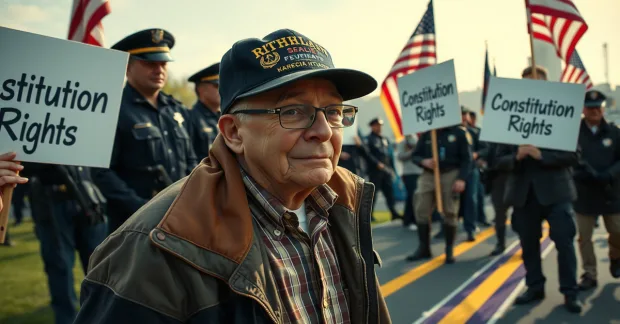
America’s Hidden Crisis: Police vs. the Constitution
Many treat the badge like a shield, but you feel it can become a sword when rights are ignored. You've granted officers power to protect the Constitution, not to pick and choose which rights survive. So when unlawful searches, impunity and selective enforcement happen, they steal trust, breed fear... What will you do? Key Takeaways: Police are breaking the Constitution, and that betrays the people's trust. We gave officers power to serve us, not rule over us. Unlawful searches and seizures are being normalized under vague probable cause claims. How would you feel if your home could be entered without a real warrant? Qualified immunity shields misconduct, leaving victims without justice. So officers can violate rights until some court says otherwise - that's insane, right? When enforcement ignores the Constitution, trust dies and communities fracture. Fear replaces faith, and justice […]

Government’s Hidden Hustle: Laws Made for You to Fail?
Laws like these, are they meant to protect you or to profit from your mistakes? You're hit with tiny rules. They're often laws made for you to fail, and they stack into massive bills. They turn into fines and court costs. Some laws are vague on purpose, and yeah, it makes you nervous when lights flash behind you. Who benefits? Not you. But you can push back, learn the tricks, organize and demand fair rules. Fines and fees line pockets - that's the danger. Stay sharp, this affects your wallet and freedom. Key Takeaways: Like a tollbooth on your life, laws are set up to collect, not protect. They trap ordinary people with tiny mistakes, and it feels rotten. Unlike rules meant to guide, many statutes are profit engines in plain sight. Lobbyists shape codes you later get fined for-who […]

Crypto Taxation: When Compliance Becomes Theft of Liberty
Just accept this bold claim: crypto taxation is legalized theft when authorities force you to surrender unrealized digital wealth control. Do you accept that compliance with ever-expanding crypto taxes quietly erodes your financial freedom, privacy, and ability to plan today? But you'll fight back, explore tax-free jurisdictions, legal options, and Navigating Crypto Regulatory Challenges: Key Insights to protect your rights. Key Takeaways: Compliance with crypto taxation is theft of liberty, and I'll show how your financial freedom is being quietly stripped away. When governments tax unrealized gains, crypto taxes feel like seizure of potential wealth, stealing your control and peace of mind. Forced wallet reporting under cryptocurrency taxation turns private holdings public, eroding anonymity and putting your HODL stash at risk today. Fear of audits and penalties forces compliance; it's psychological warfare against financial freedom, leaving investors anxious, stuck, and […]
Related
Are Your Parental Rights a Constitutional Guarantee-Or Not?
There's no explicit mention of parents in the 14th Amendment. Courts still recognize a fundamental liberty interest in parenting, but it's not absolute. Did you know the state can sometimes override your choices? That can feel scary, especially when courts use low civil standards to remove custody. But there are wins too, like Troxel and Pierce that give parents legal leverage. So what do you do? Learn the law, get help, fight smart. Key Takeaways: Meyer v. Nebraska (1923), Pierce v. Society of Sisters (1925), and Troxel v. Granville (2000) recognized parental liberty interests.Most parents assume those rights are absolute, but courts often clip them back. It stings, right? The 14th Amendment says nothing about parents, children, or family; courts read protections into due process.So your right to parent gets weighed against the state's interest in child safety. Feels unsettling […]
501(c)(3) in Danger? Churches Playing Politics Now!
Churches packed a gym last week for a candidate forum, and your pastor leaned in and named names. You're fired up, or terrified - which is it for you? This could jeopardize your church's 501(c)(3) status, cost donors deductions, and invite IRS scrutiny, so you need practical steps now. But there are defenses, legal strategies and practical steps to protect your pulpit. Key Takeaways: This matters to you because a church's tax status affects donations, community programs, and your privacy.Lose 501(c)(3) and funding dries up, reputations tank, and programs vanish. The Johnson Amendment still bars churches from endorsing candidates.That law can mean audits, fines, and loss of tax benefits.Feels like gagging the pulpit, right? The IRS's enforcement is patchy and unpredictable.Some churches get warnings, others get nothing.That creates fear - yet defiance grows. Single sermon lines, social posts, or donations […]
Silence or Survival? The Military’s Retaliation Machine
With thousands of retaliation claims filed each year, you face a brutal choice between silence and exposure. You risk career-ending retaliation, sudden reassignments, or social exile. It's scary, and it's real - you might lose your clearance, benefits, or future. Why stay silent? Why speak up? Consider this parallel Why didn't the US military in A Quiet Place lure a large ... Key Takeaways: Like an oath turned upside down, the system punishes truth-tellers instead of protecting them. You feel betrayed, and it stings deep. Compared to civilian whistleblowers, military ones vanish quietly - careers erased without fanfare. Who gets punished? The brave ones who speak up. Like a silent switch, evaluations and assignments flip to exile. Promotions vanish, referrals disappear, and life derails. Feels like career gaslighting, doesn't it? Where law promises protection, practice often delivers punishment. The MWPA […]
America’s Hidden Crisis: Police vs. the Constitution
Many treat the badge like a shield, but you feel it can become a sword when rights are ignored. You've granted officers power to protect the Constitution, not to pick and choose which rights survive. So when unlawful searches, impunity and selective enforcement happen, they steal trust, breed fear... What will you do? Key Takeaways: Police are breaking the Constitution, and that betrays the people's trust. We gave officers power to serve us, not rule over us. Unlawful searches and seizures are being normalized under vague probable cause claims. How would you feel if your home could be entered without a real warrant? Qualified immunity shields misconduct, leaving victims without justice. So officers can violate rights until some court says otherwise - that's insane, right? When enforcement ignores the Constitution, trust dies and communities fracture. Fear replaces faith, and justice […]
Government’s Hidden Hustle: Laws Made for You to Fail?
Laws like these, are they meant to protect you or to profit from your mistakes? You're hit with tiny rules. They're often laws made for you to fail, and they stack into massive bills. They turn into fines and court costs. Some laws are vague on purpose, and yeah, it makes you nervous when lights flash behind you. Who benefits? Not you. But you can push back, learn the tricks, organize and demand fair rules. Fines and fees line pockets - that's the danger. Stay sharp, this affects your wallet and freedom. Key Takeaways: Like a tollbooth on your life, laws are set up to collect, not protect. They trap ordinary people with tiny mistakes, and it feels rotten. Unlike rules meant to guide, many statutes are profit engines in plain sight. Lobbyists shape codes you later get fined for-who […]
Crypto Taxation: When Compliance Becomes Theft of Liberty
Just accept this bold claim: crypto taxation is legalized theft when authorities force you to surrender unrealized digital wealth control. Do you accept that compliance with ever-expanding crypto taxes quietly erodes your financial freedom, privacy, and ability to plan today? But you'll fight back, explore tax-free jurisdictions, legal options, and Navigating Crypto Regulatory Challenges: Key Insights to protect your rights. Key Takeaways: Compliance with crypto taxation is theft of liberty, and I'll show how your financial freedom is being quietly stripped away. When governments tax unrealized gains, crypto taxes feel like seizure of potential wealth, stealing your control and peace of mind. Forced wallet reporting under cryptocurrency taxation turns private holdings public, eroding anonymity and putting your HODL stash at risk today. Fear of audits and penalties forces compliance; it's psychological warfare against financial freedom, leaving investors anxious, stuck, and […]