Imagine receiving a devastating phone call from a debt collector, demanding payment for your deceased loved one’s outstanding debts, just as you’re trying to cope with the emotional aftermath of their passing. This heart-wrenching scenario is more common than you think, and it’s necessary to understand the intricacies of family debt inheritance to protect yourself and your assets from the financial fallout. You may be wondering, “Am I really responsible for their financial mistakes?” The answer is complex, and it’s crucial to know your rights and obligations to avoid inheriting a financial burden that could haunt you for years to come.

Key Takeaways:
- Inheriting debt is a reality that can affect anyone, and understanding the laws and implications is crucial to protect yourself and your assets.
- Filial responsibility laws can hold children accountable for their parents’ unpaid medical bills and long-term care costs, making it crucial to understand the laws in your state.
- Estate planning, insurance policies, and understanding debt inheritance laws can help mitigate the risk of inherited debt and protect your financial future.
The article provides a comprehensive overview of family debt inheritance, exploring the legal implications, types of debt, and strategies to protect yourself from inherited debt. It also probes into the emotional and financial impact of dealing with inherited debt, emphasizing the importance of seeking professional advice and support.
The Shocking Reality of Inherited Debt
To many, the concept of inherited debt is a foreign and unsettling idea. The thought of being held responsible for a loved one’s financial mistakes can be overwhelming, especially during a time of grief.
Brief Overview of Emotional and Financial Impact
An often-overlooked aspect of inherited debt is its emotional toll. The stress and anxiety of dealing with debt collectors, legal obligations, and financial responsibilities can be crushing. Moreover, the financial burden can be devastating, threatening your own financial stability and security.
Introduction to Debt Inheritance and Its Implications
Financial obligations don’t cease to exist when a loved one passes away. In fact, debts can linger, affecting not only the estate but also the family members left behind. Understanding the intricacies of debt inheritance is crucial to protecting yourself and your assets from the potential fallout.
Inherited debt can arise from various sources, including credit card debt, medical expenses, mortgages, and other liabilities. The key to navigating this complex issue lies in understanding your legal and financial responsibilities. Failing to do so can result in unexpected financial burdens, damaged credit scores, and even legal consequences.

Can You Inherit Debt?
Some individuals may assume that when a loved one passes away, their debts disappear along with them. Unfortunately, this is not always the case. Debts can linger, leaving family members to wonder if they are responsible for paying off their loved one’s financial obligations.
Explanation of How Debts Are Handled After Death
To clarify, when someone dies, their debts do not automatically disappear. Instead, the estate is responsible for settling outstanding debts before distributing assets to beneficiaries. This means that creditors will typically seek payment from the estate before approaching family members.
Discussion on Estate Debt and the Role of the Estate in Settling Debts
One crucial aspect to understand is that the estate plays a significant role in settling debts after death. The estate’s assets are used to pay off outstanding debts, and if there are insufficient funds, creditors may seek repayment from family members, especially in states with filial responsibility laws.
Estate debt management is a critical component of the probate process. The executor of the estate is responsible for identifying and paying off debts, ensuring that creditors are satisfied before distributing assets to beneficiaries. In cases where the estate lacks sufficient funds, the executor may need to negotiate with creditors or explore debt settlement options.
Important note: If you are an executor or beneficiary, it is necessary to understand your legal obligations and rights regarding estate debt management. Consulting with an attorney specializing in estate planning and debt inheritance laws can provide valuable guidance and protection.
Types of Debt and Their Implications
Not all debts are created equal, and the implications of inheriting each type can vary significantly. Understanding the differences is crucial to managing the financial burden left behind by a loved one.
| Type of Debt | Implications |
|---|---|
| Credit Card Debt | Generally settled through the estate; joint account holders or co-signers may be held liable |
| Medical Debt | Some states enforce filial responsibility laws, making children liable for their parents’ unpaid medical expenses |
| Mortgage Debt | If you inherit a property with an outstanding mortgage, you must continue making payments or risk foreclosure |
| Student Loans | Federal student loans are typically discharged upon death, but private student loans may still require repayment from the estate or co-signers |
After understanding the types of debt and their implications, it’s important to take proactive steps to manage inherited debt and protect your financial future.
Credit Card Debt Inheritance
For many, credit card debt is a significant concern when it comes to inherited debt. While credit card companies may try to collect from family members, they typically don’t have a legal claim to your assets.
Medical Debt Inheritance
With medical debt, the stakes can be higher. In some states, filial responsibility laws can hold children accountable for their parents’ unpaid medical bills and long-term care costs.
Medical debt can be particularly challenging because it often involves emotional and financial burdens. Understanding your rights and obligations under filial responsibility laws is crucial to navigating this complex situation.
Mortgage Debt Inheritance
Mortgage debt can be a significant liability when inheriting a property. If you’re not prepared to take on the mortgage payments, you may risk foreclosure.
Types of mortgage debt, such as reverse mortgages, can also have unique implications for heirs. It’s important to understand the terms of the mortgage and your obligations as an heir.
Student Loan Debt Inheritance
Any federal student loans are typically discharged upon death, providing a sense of relief for heirs. However, private student loans may still require repayment from the estate or co-signers.
Debt forgiveness after death can be a complex process, and understanding the terms of the loan is crucial to navigating the repayment process.
Credit Card Debt Inheritance
Keep in mind that credit card debt can be a significant burden on the deceased’s estate and potentially on their loved ones.
How Credit Card Debt Is Managed After Death
To settle credit card debt after death, the estate’s executor will typically pay off the debt using the deceased’s assets. If the estate lacks sufficient funds, the debt may be written off. However, this doesn’t necessarily mean you’re off the hook.
Liability of Joint Account Holders and Co-Signers
Joint account holders and co-signers can be held liable for the debt, even after the primary account holder’s death. This means you may be responsible for paying off the entire debt, plus interest and fees.
A joint account holder or co-signer’s liability is not limited to the original debt amount. They may also be responsible for any additional fees, penalties, or interest accrued after the primary account holder’s death. This can lead to a significant financial burden, especially if the debt is substantial. It’s important to understand your obligations and potential liabilities as a joint account holder or co-signer to avoid being caught off guard.
Medical Debt Inheritance
Your loved one’s medical expenses can be a significant burden, especially if they didn’t have adequate insurance coverage or savings to cover the costs. As a result, you may be wondering if you’re liable for their medical debt.
Complexities of Inheriting Medical Debt
The intricacies of medical debt inheritance can be overwhelming. In some cases, medical providers may pursue payment from family members, especially if the deceased didn’t have sufficient assets to cover the debt. This can lead to a lengthy and costly legal battle.
Filial Responsibility Laws and Their Impact on Children
On top of the emotional toll of losing a loved one, you may also face financial responsibilities due to filial responsibility laws. These laws, enacted in over 30 states, hold adult children accountable for their parents’ unpaid medical bills and long-term care costs.
A study by the National Conference of State Legislatures found that these laws are often used to recover costs from adult children, particularly in cases where the parent received Medicaid benefits. This means that you could be liable for your parent’s medical debt, even if you’re not a co-signer or joint account holder.
It’s important to understand the specific laws in your state and take proactive measures to protect yourself from potential liabilities. Consulting with an attorney specializing in estate planning and debt inheritance laws can provide valuable guidance on your rights and obligations.
Mortgage Debt Inheritance
After a loved one passes away, inheriting their property can be a bittersweet experience, especially if it comes with an outstanding mortgage.
Inheriting Property with an Outstanding Mortgage
Outstanding mortgage debt can be a significant burden, and as the beneficiary, you may be responsible for continuing the mortgage payments. If you’re unable to make payments, the lender can foreclose on the property, leaving you with little to no inheritance.
Responsibilities and Risks Associated with Mortgage Debt
Any inherited property with an outstanding mortgage comes with a set of responsibilities and risks. You may be liable for the debt, and failure to make payments can damage your credit score and lead to financial difficulties.
With mortgage debt, you’ll need to consider the ongoing mortgage payments, property taxes, and insurance premiums. If you’re unable to manage these expenses, you may need to sell the property or explore alternative options, such as refinancing or taking out a new loan. It’s crucial to understand your legal obligations and the potential consequences of inheriting mortgage debt.
Student Loan Debt Inheritance
All too often, student loan debt can become a significant burden for families, especially when a loved one passes away. As you navigate the complex landscape of inherited debt, it’s necessary to understand the specifics of student loan debt inheritance.
Differences Between Federal and Private Student Loans
The type of student loan can significantly impact the inheritance process. Federal student loans, such as Direct Loans and Perkins Loans, are typically discharged upon the borrower’s death, meaning the estate is not responsible for repayment. However, private student loans may require repayment from the estate or co-signers, depending on the lender’s policies.
Repayment Obligations for Co-Signers
Obligations for co-signers can be particularly concerning. If you co-signed a private student loan for your loved one, you may be held responsible for repayment, even after their passing. It’s crucial to review the loan agreement and understand your obligations as a co-signer.
Another critical aspect to consider is that some private lenders may have clauses that accelerate the repayment process upon the borrower’s death. This means that the entire loan balance may become due immediately, putting a significant financial strain on co-signers.
It’s necessary to carefully review loan agreements and understand your responsibilities as a co-signer to avoid unexpected financial burdens. By doing so, you can take proactive steps to manage inherited debt and protect your financial well-being.
Legal Advice on Inherited Debt
Despite the emotional turmoil of losing a loved one, it’s important to address the legal aspects of inherited debt to protect yourself and your assets.
Navigating Debt Inheritance Laws
Legally, debt inheritance laws vary by state, and understanding these laws is crucial to determine your liability. In some states, filial responsibility laws hold children accountable for their parents’ unpaid medical bills and long-term care costs, while others may not.
Importance of Consulting with an Estate Planning Attorney
Laws governing debt inheritance can be complex, and consulting with an estate planning attorney can provide you with personalized guidance on your rights and obligations. They can help you navigate the probate process, executor responsibilities, and debt settlement after death.
The attorney can also advise you on strategies to avoid inheriting debt, such as creating trusts, designating beneficiaries, and using life insurance policies to cover outstanding debts. Additionally, they can help you understand the financial implications of inherited debt, including the impact on your credit score and financial obligations.
It’s important to consult with an attorney specializing in estate planning and debt inheritance laws to ensure you’re protected from potential pitfalls and liabilities.
Protecting Yourself from Inherited Debt
Many individuals are unaware of the potential risks associated with inherited debt, leaving them vulnerable to financial and emotional distress. However, by taking proactive measures, you can shield yourself from the burden of your loved one’s financial mistakes.
Estate Planning Strategies
The key to avoiding inherited debt lies in thorough estate planning. Encourage your loved ones to create a will, set up trusts, and designate beneficiaries to ensure debts are managed effectively. This will help prevent debts from falling on family members and minimize the risk of financial disputes.
Insurance Policies
Inherited life insurance policies can provide a financial safety net to cover outstanding debts, preventing them from becoming a burden on family members. Make sure to review and understand the terms of any insurance policies held by your loved ones.
Policies can be a lifesaver in the event of a loved one’s passing, providing a cushion to absorb debt and other expenses. However, it’s imperative to understand the specifics of each policy, including the payout structure and any potential limitations.
Bear in mind, not all debts are forgiven at death, and some may still require repayment from the estate or co-signers. By understanding the intricacies of inherited debt and taking proactive steps to protect yourself, you can avoid the financial and emotional toll associated with debt inheritance.
Understanding Filial Responsibility Laws
Not all states have filial responsibility laws, but those that do can hold you accountable for your parents’ unpaid medical bills and long-term care costs.
Familiarizing Yourself with State Laws to Mitigate Risks
Understanding the specific laws in your state is crucial to avoiding potential pitfalls. Currently, 30 states have filial responsibility laws, which can vary significantly in terms of scope and enforcement. Take the time to research your state’s laws and consult with an attorney to ensure you’re prepared.
Taking Proactive Measures to Protect Yourself
Taking a proactive approach to managing inherited debt can save you from financial and emotional distress. By understanding your rights and obligations, you can develop strategies to mitigate risks and protect your assets.
Yourself and your loved ones can benefit from open communication about financial matters. Encourage your parents to engage in thorough estate planning, including creating a will, setting up trusts, and designating beneficiaries. This can help ensure that debts are managed effectively and minimize the risk of inherited debt.
Keep in mind, knowledge is power, and being informed can help you safeguard your financial future.
Dealing with Debt Collectors
Unlike other creditors, debt collectors often have a reputation for being aggressive and persistent in their pursuit of payment. When dealing with debt collectors, it’s imperative to know your rights and the laws that protect you.
Your Rights Under the Fair Debt Collection Practices Act (FDCPA)
Any communication with debt collectors should be done with caution. The Fair Debt Collection Practices Act (FDCPA) is a federal law that regulates the debt collection industry, prohibiting abusive, deceptive, and unfair practices. Under the FDCPA, you have the right to dispute the debt, request verification of the debt, and stop debt collectors from contacting you.
Protecting Yourself from Abusive Debt Collection Practices
On top of understanding your rights under the FDCPA, it’s crucial to protect yourself from abusive debt collection practices. Debt collectors may try to intimidate or deceive you into paying a debt that’s not yours or is already settled. Be cautious of debt collectors who make false statements, threaten you with legal action, or harass you with frequent calls.
Under the FDCPA, debt collectors are prohibited from engaging in abusive practices, such as threatening violence or harm, using obscene language, or making false claims. If you believe a debt collector has violated the FDCPA, you can report them to the Federal Trade Commission (FTC) or your state’s Attorney General’s office.
Emotional and Financial Impact
For many individuals, the emotional toll of losing a loved one is compounded by the financial burden of inherited debt. The stress of dealing with debt collectors, navigating complex legal issues, and managing the emotional fallout can be overwhelming.
Coping with the Stress of Inherited Debt
With the weight of inherited debt bearing down on you, it’s important to prioritize your mental health and well-being. Acknowledge your emotions, and don’t be afraid to seek support from friends, family, or mental health professionals.
Seeking Support from Financial Advisors and Mental Health Professionals
To effectively manage inherited debt, it’s crucial to assemble a team of trusted advisors, including financial experts and mental health professionals. These professionals can provide guidance on debt management, estate planning, and emotional coping strategies.
Advisors can help you develop a comprehensive plan to tackle inherited debt, ensuring you’re taking advantage of available debt relief options and protecting your assets. Mental health professionals can offer emotional support and coping mechanisms to navigate the stress and anxiety associated with debt inheritance. By seeking support from these professionals, you can better navigate the emotional and financial impact of inherited debt.
Bear in mind, you don’t have to face this challenge alone. Seeking support from financial advisors and mental health professionals can help you manage the emotional and financial burden of inherited debt.
Managing Debt After a Loved One’s Death
Once again, the grieving process can be complicated by the presence of debt. As you navigate the emotional turmoil, it’s imperative to address the financial aspects of your loved one’s passing.
Importance of Open Communication with Family Members
Openly discussing financial matters with your family can help prevent misunderstandings and surprises down the line. Make sure to communicate with your loved ones about their financial situation, debts, and estate planning to avoid potential conflicts.
Seeking Professional Help to Manage Debt
Manage your expectations and seek guidance from professionals who can help you navigate the complex world of debt inheritance. An experienced attorney, financial advisor, or credit counselor can provide valuable insights and strategies to mitigate the financial burden.
After the initial shock of losing a loved one, it’s crucial to take a step back and assess the debt situation. This includes gathering all relevant documents, identifying creditors, and understanding the legal implications of each debt. A professional can help you prioritize debts, negotiate with creditors, and explore debt relief options, ensuring you’re not overwhelmed by the process.
Recall, seeking professional help is not a sign of weakness, but rather a proactive step towards protecting your financial well-being. By doing so, you can avoid costly mistakes, reduce stress, and ensure a smoother inheritance process.
Conclusion
Drawing together the threads of family debt inheritance, it’s clear that being informed is key to protecting yourself and your assets. By understanding the legal landscape, taking proactive steps to mitigate risks, and seeking professional advice, you can navigate the complexities of inherited debt with confidence. Bear in mind, knowledge is power, and being informed can help you safeguard your financial future and avoid the emotional toll of inherited debt.
Frequently Asked Questions: Family Debt Inheritance
Q: Can I Inherit Debt from My Parents?
A: In most cases, debts are paid from the deceased’s estate before any assets are distributed to heirs. However, if the estate lacks sufficient funds, creditors may seek repayment from family members, especially in states with filial responsibility laws.
Q: What Debts Are Not Forgiven at Death?
A: While some debts, like federal student loans, are typically discharged upon death, others, such as private student loans, credit card debt, and mortgages, may still require repayment from the estate or co-signers.
Q: Can Children Inherit Medical Debt?
A: Yes, in some states, children may be held liable for their parents’ unpaid medical expenses under filial responsibility laws.
Q: Can Debt Collectors Take Money from Inheritance?
A: Debt collectors may attempt to recover debts from family members, but it’s necessary to understand your rights under the Fair Debt Collection Practices Act (FDCPA) to protect yourself from abusive practices.
Q: How to Avoid Inherited Debt?
A: Encourage your loved ones to engage in thorough estate planning, including creating a will, setting up trusts, and designating beneficiaries. Additionally, consider life insurance policies to provide a financial cushion to cover outstanding debts.
Q: What Is Inherited Debt?
A: Inherited debt refers to the financial liabilities that may be passed down to family members or heirs after a loved one’s death. This can include credit card debt, medical debt, mortgages, and other types of debt.
Q: Do I Have to Pay My Deceased Mother’s Credit Card Debt?
A: As a general rule, credit card debt is settled through the estate. If the estate cannot cover the debt, it may be written off. However, joint account holders or co-signers may be held liable.


About the author


Understanding Allodial Titles, Land Patents, and Their Legal Implications
In property rights and land ownership, the concepts of allodial titles and land patents hold significant legal weight. These terms are often used in discussions related to the protection of property rights, land ownership, and the interplay between various areas of law such as the Uniform Commercial Code, contract law, constitutional law, and statutory law. In this in-depth blog post, we will explore into the intricacies of allodial titles and land patents, exploring their definitions, legal implications, and dispelling common myths and misconceptions associated with them. Key Takeaways: Allodial Titles Explained: An allodial title represents the highest form of land ownership, granting the owner absolute and unburdened ownership of the property, free from any encumbrances, liens, or taxes imposed by external parties. Land Patents and Their Legal Implications: A land patent is a legal document issued by the government that […]

Outsmart the System: Top Legal Strategies You Need to Know
Understanding the Legal Landscape While the legal system may seem intimidating, grasping its core concepts can empower you to navigate its complexities effectively. Understanding this landscape is vital for anyone looking to outsmart the system and optimize their legal strategies. Whether you’re seeking legal hacks for small businesses or tips on how to use legal loopholes to your advantage, recognizing the different legal frameworks at play can be crucial in making informed decisions. Overview of Legal Systems An understanding of the various legal systems is pivotal for recognizing your rights and obligations. Legal frameworks can vary significantly from one country to another, with common systems including civil law, common law, and religious law. Each system has its own structure, offering unique legal strategies and challenges. For example, in a common law system, previous judicial decisions can influence future cases, allowing […]

Ilataza Ban Yasharahla EL’s Public Records Request for Elyria Board of Education
24-0001492: Ilataza Ban Yasharahla EL's Public Records Request for Elyria Board of Education. All Rights Expressly Reserved and Retained. https://nationalnoticerecord.com/elyria-boe-members-required-to-follow-rulings https://nationalnoticerecord.com/is-elyria-school-board-bound-by-ohio-courts https://nationalnoticerecord.com/understanding-the-oath-of-office-legal-obligations-and-consequences

Ohio Legalizing Recreation Marijuana Use May Hurt Dispensaries in Monroe, Michigan
In recent years, the movement to legalize marijuana for adult recreational use has gained significant momentum across the United States. Ohio, a state long synonymous with conservative values, has also embraced this shift in public opinion. With the passing of Ohio Issue 2 and the Ohio Home Grow Bill, the state has joined the ranks of those allowing the recreational use of marijuana. This blog post will delve into the pros and cons of Ohio's legalization, as well as the potential implications for marijuana dispensaries in Monroe, Michigan, which previously benefited from Ohio buyers crossing state lines. https://www.youtube.com/watch?v=0KRzqZ8dUwc Pros of Ohio's Recreational Marijuana Legalization 1. Economic Boost: Legalizing recreational marijuana in Ohio has the potential to generate substantial economic benefits for the state. The marijuana industry has proven to be a lucrative market, with tax revenue and job creation being […]

The Etymology of “Bey” EXPOSED
TURN UP YOUR VOLUME & PRESS PLAY Have you ever wondered what the true origin and meaning of "Bey" is? We've been told that it means "Governor", "Law Enforcer", Chief, etc. But, what if that's incorrect? What if we've been using the "title", "Bey", incorrectly? FILL OUT THE FORM TO GET STARTED First Name: Last Name: Phone Number: Email: I agree to receive email updates and promotions. Submit

Are You A “Colored Person”?
Tune in as we dissect the term "person of color", exposing how its PURPOSELY steeped in plausibility, DECEPTION, and used as a weapon.

We’ve Been FORCED to Make Some Changes
Due to receiving so many tasks that our work has become more tedious, we've been forced to make some changes at National Notice Record.

Gas Go Express Food Mart Unjust Enrichment Via Debit Card Surcharge Fees
https://www.youtube.com/watch?v=eJknhtE9JEI In this video, I talk about a consumer experience I had while shopping at Gas Go Express Food Mart Gas Station, located at 237 Lake Avenue, Elyria, Ohio. On November 24, 2021, I made a purchase for 4 taxable items at the location. Each item was $0.99 per. With taxes, it came up to $4.26. As I got ready to place my debit card into the card reader, the Gas Go Express Food Mart clerk immediately added a $.50 debit card surcharge fee. As a common practice, some merchants/stores add a surcharge to your total purchase amount when you spend less than $5 or $10 when using a credit/debit card to process the payment. Being a merchant myself, I know that Master Card, Visa, Discover, and some of the other financial institutions have a strict policy that states that […]

States Hide This Secret: ID Laws Every Citizen Must Know
There's a weird comfort in thinking you know your rights until a cop stops you. You walk out the door assuming you're free to roam, but state statutes are actually a legal minefield waiting to trip you up. It's scary. So, do you really need that plastic card just to walk down the street? Sometimes yes. Since the Justice Department Has Demanded Voter Files from at ... least 21 states, we know the government is watching closely. You could be risking fines just by existing in public without papers. Key Takeaways: Ever assume the rules are the same everywhere you go? They definitely aren't. There isn't a single federal law forcing you to hold plastic. Instead, you face a messy patchwork of state-level ID requirements. So what applies in Ohio might get you in trouble in Texas. States hide this […]

DOJ Criticized: Too Tough or Too Soft on Hate Crimes?
Most days you just want to know if your family is actually safer when the DOJ steps into hate crime cases, right? You're stuck hearing that hate crimes are climbing, yet you also hear arguments that federal prosecutors are either swinging too hard or barely swinging at all, so how are you supposed to feel confident in your rights? And when you see bias attacks exploding across race, religion, and identity, you can't help asking yourself: is your Justice Department protecting you... or leaving you hanging? Key Takeaways: Are You Willing To Question How Safe Your Rights Really Are? Hate crime reports keep climbing, yet DOJ prosecutions lag, sparking fear that bias violence is outrunning federal accountability. Civil rights groups say DOJ goes soft, declining clear hate cases and leaving victims asking, "Who actually has our backs?" Civil liberties advocates […]

The Ugly Truth: Political Correctness vs Your Free Speech
Truth is, nearly 60% of Americans already feel they can't say what they really think in public, and you know why. You're watching political correctness creep into your job, your church, your kids' schools, quietly telling you what you're “allowed” to say. That's not respect, that's soft censorship. So ask yourself, if you have to second-guess every word, are you actually free, or just carefully managed? Key Takeaways: Is political correctness quietly turning your God-given right to speak into a permission slip controlled by elites? When you self-censor to avoid punishment, haven't they already taken more of your liberty than any statute could? Every time “offensive” words get punished, doesn't the boundary of what's allowed tighten around your throat? If truth needs protection from open debate, are we protecting people or just protecting the narrative from you? Ask yourself: will […]
The Hidden Loophole Letting Congress Dodge the Constitution
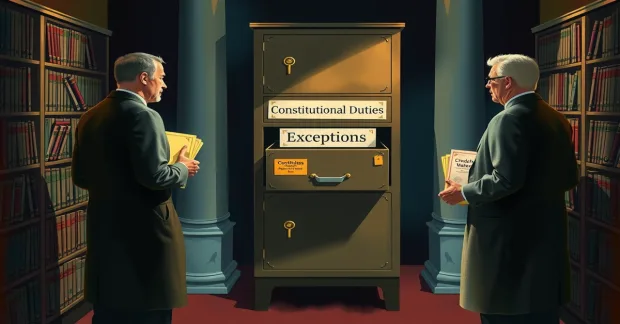
Congress has quietly shifted lawmaking to unelected bodies, and he, she, and they must ask: who governs when faceless agencies write binding rules? This informative overview explains how the delegation loophole lets lawmakers dodge the Constitution while preserving political cover, and it outlines how advocates can push to reclaim legislative power and constitutional accountability. Key Takeaways: Who's really writing the rules that shape your rights? — Congress increasingly delegates lawmaking to agencies, letting unelected officials issue binding regulations that affect daily life. Is delegation sharing power or abandoning it? — The Constitution vests legislative power in Congress; widespread delegation has turned policy-making into agency-driven rulemaking. How did the courts enable this transfer? — The “intelligible principle” doctrine lets statutes authorize broad agency action with minimal guidance, creating a legal escape hatch for lawmakers. Feel the accountability gap? — Delegation lets […]

The Fifth Amendment Loophole Police Don’t Want You to Know
As you consider your rights, you may think that staying silent is a foolproof way to protect yourself, but what if your silence could be used against you? You need to understand that invoking your Fifth Amendment right isn't as simple as just staying quiet, and not knowing the loophole could cost you your freedom. Can you afford to remain uninformed about the potential consequences of your silence, or will you take the necessary steps to protect yourself? Key Takeaways: Are you aware that your silence can be used against you in a court of law, even if you think you're protected by the Fifth Amendment? What if staying silent could actually hurt you, rather than help you? Do you know that the Fifth Amendment loophole allows prosecutors to interpret your silence as evidence of guilt, unless you explicitly invoke […]

Is Gun Registration a Step Toward Confiscation?
It's your right at stake when gun registration moves from recordkeeping to control. Ask yourself: Is registration about safety or seizure? History shows registration often precedes restrictions and sometimes confiscation. You must weigh your privacy against promised safety and expanding governmental access. Stay informed, demand limits, protect your freedom. Key Takeaways: Registration risks creating searchable owner databases — could local records become a national registry? History shows registration often precedes restrictions, bans, and forced buybacks. Who accesses your firearm records — law enforcement, federal agencies, or hackers? If criminals won't register, why should law‑abiding owners surrender privacy and control? State-level registries can be combined de facto into a federal database with data sharing. Registration ties names to serial numbers — is that permission or a path to prohibition? Protect anonymity: fight registrations that enable tracking, seizure, or bureaucratic permission slips. […]
Related
States Hide This Secret: ID Laws Every Citizen Must Know
There's a weird comfort in thinking you know your rights until a cop stops you. You walk out the door assuming you're free to roam, but state statutes are actually a legal minefield waiting to trip you up. It's scary. So, do you really need that plastic card just to walk down the street? Sometimes yes. Since the Justice Department Has Demanded Voter Files from at ... least 21 states, we know the government is watching closely. You could be risking fines just by existing in public without papers. Key Takeaways: Ever assume the rules are the same everywhere you go? They definitely aren't. There isn't a single federal law forcing you to hold plastic. Instead, you face a messy patchwork of state-level ID requirements. So what applies in Ohio might get you in trouble in Texas. States hide this […]
DOJ Criticized: Too Tough or Too Soft on Hate Crimes?
Most days you just want to know if your family is actually safer when the DOJ steps into hate crime cases, right? You're stuck hearing that hate crimes are climbing, yet you also hear arguments that federal prosecutors are either swinging too hard or barely swinging at all, so how are you supposed to feel confident in your rights? And when you see bias attacks exploding across race, religion, and identity, you can't help asking yourself: is your Justice Department protecting you... or leaving you hanging? Key Takeaways: Are You Willing To Question How Safe Your Rights Really Are? Hate crime reports keep climbing, yet DOJ prosecutions lag, sparking fear that bias violence is outrunning federal accountability. Civil rights groups say DOJ goes soft, declining clear hate cases and leaving victims asking, "Who actually has our backs?" Civil liberties advocates […]
The Ugly Truth: Political Correctness vs Your Free Speech
Truth is, nearly 60% of Americans already feel they can't say what they really think in public, and you know why. You're watching political correctness creep into your job, your church, your kids' schools, quietly telling you what you're “allowed” to say. That's not respect, that's soft censorship. So ask yourself, if you have to second-guess every word, are you actually free, or just carefully managed? Key Takeaways: Is political correctness quietly turning your God-given right to speak into a permission slip controlled by elites? When you self-censor to avoid punishment, haven't they already taken more of your liberty than any statute could? Every time “offensive” words get punished, doesn't the boundary of what's allowed tighten around your throat? If truth needs protection from open debate, are we protecting people or just protecting the narrative from you? Ask yourself: will […]
The Hidden Loophole Letting Congress Dodge the Constitution
Congress has quietly shifted lawmaking to unelected bodies, and he, she, and they must ask: who governs when faceless agencies write binding rules? This informative overview explains how the delegation loophole lets lawmakers dodge the Constitution while preserving political cover, and it outlines how advocates can push to reclaim legislative power and constitutional accountability. Key Takeaways: Who's really writing the rules that shape your rights? — Congress increasingly delegates lawmaking to agencies, letting unelected officials issue binding regulations that affect daily life. Is delegation sharing power or abandoning it? — The Constitution vests legislative power in Congress; widespread delegation has turned policy-making into agency-driven rulemaking. How did the courts enable this transfer? — The “intelligible principle” doctrine lets statutes authorize broad agency action with minimal guidance, creating a legal escape hatch for lawmakers. Feel the accountability gap? — Delegation lets […]
The Fifth Amendment Loophole Police Don’t Want You to Know
As you consider your rights, you may think that staying silent is a foolproof way to protect yourself, but what if your silence could be used against you? You need to understand that invoking your Fifth Amendment right isn't as simple as just staying quiet, and not knowing the loophole could cost you your freedom. Can you afford to remain uninformed about the potential consequences of your silence, or will you take the necessary steps to protect yourself? Key Takeaways: Are you aware that your silence can be used against you in a court of law, even if you think you're protected by the Fifth Amendment? What if staying silent could actually hurt you, rather than help you? Do you know that the Fifth Amendment loophole allows prosecutors to interpret your silence as evidence of guilt, unless you explicitly invoke […]
Is Gun Registration a Step Toward Confiscation?
It's your right at stake when gun registration moves from recordkeeping to control. Ask yourself: Is registration about safety or seizure? History shows registration often precedes restrictions and sometimes confiscation. You must weigh your privacy against promised safety and expanding governmental access. Stay informed, demand limits, protect your freedom. Key Takeaways: Registration risks creating searchable owner databases — could local records become a national registry? History shows registration often precedes restrictions, bans, and forced buybacks. Who accesses your firearm records — law enforcement, federal agencies, or hackers? If criminals won't register, why should law‑abiding owners surrender privacy and control? State-level registries can be combined de facto into a federal database with data sharing. Registration ties names to serial numbers — is that permission or a path to prohibition? Protect anonymity: fight registrations that enable tracking, seizure, or bureaucratic permission slips. […]