In an era where transparency is often at odds with confidentiality, the unsealing of confidential files has become a subject of intense public interest and scrutiny. Legal secrets exposed can have far-reaching implications, affecting national security, public trust, and ongoing legal proceedings. This article delves deep into the world of classified documents, exploring the ramifications of leaked top secret files and the steps to unseal confidential files legally.
The Nature of Confidential Files and Classified Documents
What is Confidential Information?
Confidential information refers to data that is intended to be kept private and secure, accessible only to authorized individuals. This can include personal data, business secrets, and government secrets. The unauthorized disclosure of such information can lead to significant legal and financial repercussions.
Classified Documents: From Secret to Top Secret
Classified documents are government or organizational records that have been designated as requiring protection against unauthorized disclosure. These documents are classified based on the sensitivity of the information they contain.
Legal Document to Keep a Secret: Understanding Confidentiality Agreements
A legal document to keep a secret, commonly known as a confidentiality agreement or non-disclosure agreement (NDA), is a contract in which one party agrees not to disclose certain information. These agreements are crucial in protecting confidential information and maintaining secrecy.
Unauthorized Possession and Legal Ramifications
What is Unauthorized Possession of Classified Documents?
Unauthorized possession of classified documents occurs when an individual has access to classified documents without the proper clearance. This can happen through theft, hacking, or even negligence. Possessing such documents without authorization is a serious offense and can lead to severe legal consequences.
Penalty for Leaking Top Secret Documents: Legal Consequences
The penalty for leaking top secret documents is stringent, reflecting the potential harm such actions can cause to national security. Offenders may face hefty fines, long prison sentences, or both. The legal system takes a harsh stance on those who compromise government secrets.
Famous Cases of Legal Secrets Exposed: A Historical Perspective
History has seen several high-profile cases where legal secrets exposed have led to public outcry and legal battles. The Pentagon Papers and Edward Snowden’s revelations are prime examples of how leaked top secret files can impact society.
Classifications of Documents
Four Classifications of Documents: Unveiling the Categories
Documents are classified into four main categories: Top Secret, Secret, Confidential, and Unclassified. Each classification level denotes the degree of sensitivity and the potential impact of disclosure.
- Top Secret: The highest level of classification, indicating information that could cause grave damage to national security if disclosed.
- Secret: Information that could cause serious damage to national security if disclosed.
- Confidential: Information that could cause damage to national security if disclosed.
- Unclassified: Information that does not require protection against unauthorized disclosure.
Is Secret Higher Than Confidential? Understanding the Hierarchy
The classification hierarchy is essential for understanding the sensitivity of the information. Secret information is more sensitive than confidential, but less sensitive than top secret.
Three Types of Secret: Differentiating Levels of Secrecy
Secret information can be further categorized based on its nature and potential impact:
- Operational Secrets: Related to military and strategic operations.
- Intelligence Secrets: Pertaining to information gathered through espionage.
- Diplomatic Secrets: Concerning foreign relations and negotiations.
Leaks and Legal Exposure
Legal Implications of Leaking Classified Documents
Leaking classified documents can lead to severe legal consequences, including criminal charges, loss of security clearance, and imprisonment. The legal implications depend on the level of classification and the nature of the information disclosed.
Government Response to Exposed Legal Secrets: Strategies and Measures
Governments typically respond to exposed legal secrets by launching investigations, tightening security protocols, and prosecuting those responsible for the leaks. These measures aim to mitigate the damage and prevent future breaches.
Steps to Unseal Confidential Files Legally: A Step-by-Step Guide
Unsealing confidential files legally involves a meticulous process, often requiring court orders and justifiable reasons. Here are the steps involved:
- Identify the Purpose: Clearly state the reason for unsealing the files.
- File a Petition: Submit a formal request to the relevant court or authority.
- Provide Evidence: Present supporting evidence to justify the need for unsealing.
- Await a Decision: The court will review the petition and make a decision based on the merits of the case.
Famous Cases of Legal Secrets Exposed
Historical Examples of Unsealed Confidential Files
Historical examples of unsealed confidential files offer a glimpse into the impact of exposed secrets on society. Two notable cases include:
- The Pentagon Papers: In 1971, the New York Times published classified documents revealing government deception in the Vietnam War. This leak led to a landmark Supreme Court case on freedom of the press.
- The Edward Snowden Revelations: In 2013, Edward Snowden leaked top-secret documents exposing the NSA’s mass surveillance programs. His actions sparked a global debate on privacy and security.
Impact of Unsealed Legal Documents on Public Trust: Case Studies
Unsealed legal documents can significantly impact public trust in institutions. The Pentagon Papers and Snowden’s revelations both led to widespread public outcry and demands for greater transparency and accountability.
Legal Consequences of Exposing Classified Information: Trials and Tribulations
The legal consequences of exposing classified information can be severe. High-profile leakers like Daniel Ellsberg and Edward Snowden faced trials, with varying outcomes. Ellsberg was charged under the Espionage Act but eventually acquitted, while Snowden remains in exile to avoid prosecution.
Public Reaction to Exposed Government Secrets: Analysis and Insights
The public reaction to exposed government secrets is often one of shock, anger, and a demand for answers. These reactions can lead to policy changes, increased oversight, and a push for greater transparency.
Key Takeaways
- Legal secrets exposed can have profound implications for national security and public trust.
- Unauthorized possession of classified documents is a serious offense with severe legal consequences.
- Understanding the four classifications of documents is crucial for grasping the sensitivity of the information.
- Historical cases like the Pentagon Papers and Snowden’s revelations highlight the impact of unsealed legal documents on society.
- Governments respond to leaks by tightening security protocols and prosecuting offenders.
- The public often reacts strongly to exposed government secrets, demanding greater transparency and accountability.
How Unsealed Documents Affect Ongoing Legal Cases
Legal Consequences of Exposing Classified Information: Trials and Tribulations
When classified information is exposed, it can complicate ongoing legal cases. Judges, juries, and lawyers must navigate the sensitive nature of the disclosed information, which can influence the outcome of trials.
Public Reaction to Exposed Government Secrets: Analysis and Insights
The public reaction to exposed government secrets can be intense, affecting the credibility of legal proceedings. Public opinion can sway the perception of justice and fairness in high-profile cases.
How Unsealed Documents Affect Ongoing Legal Cases: A Legal Perspective
Unsealed documents can impact ongoing legal cases by introducing new evidence, altering the course of investigations, and influencing jury decisions. Lawyers must carefully manage the information to ensure a fair trial.
Accessing Confidential Legal Files
How to Access Confidential Legal Files: Legal Pathways and Ethical Considerations
Accessing confidential legal files requires navigating complex legal pathways. Researchers, journalists, and legal professionals must adhere to ethical standards and legal procedures to obtain the information.
Steps to Unseal Confidential Files Legally: Navigating the Legal System
To unseal confidential files legally, follow these steps:
- Identify the Purpose: Clearly define the reason for unsealing the files.
- File a Petition: Submit a formal request to the relevant court or authority.
- Provide Evidence: Present supporting evidence to justify the need for unsealing.
- Await a Decision: The court will review the petition and make a decision based on the merits of the case.
Emotional and Societal Impacts of Exposed Legal Secrets
Public Reaction to Exposed Government Secrets: Emotional and Societal Impact
The emotional impact of exposed government secrets can be profound. Shock, anger, and betrayal are common reactions, influencing societal attitudes towards transparency and accountability.
Impact of Unsealed Legal Documents on Public Trust: Rebuilding Confidence
Unsealed legal documents can erode public trust in institutions. Rebuilding confidence requires transparency, accountability, and measures to prevent future breaches.
Historical Examples of Unsealed Confidential Files: Lessons Learned
Examining historical examples of unsealed confidential files provides valuable lessons. The Pentagon Papers and Snowden’s revelations highlight the need for a balance between secrecy and transparency.
Conclusion
Legal Secrets Exposed: The Ever-Present Tension Between Transparency and Confidentiality
The exposure of legal secrets underscores the ongoing tension between transparency and confidentiality. While public access to information is crucial, protecting sensitive data is equally important.
The Future of Classified Documents and Legal Exposure
As technology evolves, so do the methods for securing and leaking classified documents. The future will likely see increased efforts to balance transparency with security.
Final Thoughts on Balancing Secrecy and Public Right to Know
Finding the right balance between secrecy and the public’s right to know is a complex challenge. Ensuring that confidential files remain protected while promoting transparency is essential for maintaining public trust and national security.
Frequently Asked Questions
What is Unauthorized Possession of Classified Documents?
Unauthorized possession of classified documents occurs when an individual obtains or holds classified documents without the necessary security clearance or authorization. This is a serious offense and can result in severe legal penalties, including fines and imprisonment.
What is the Difference Between Secret and Confidential?
The difference between secret and confidential lies in the level of sensitivity and potential impact if disclosed. Secret information is more sensitive than confidential information. Secret information could cause serious damage to national security if disclosed, while confidential information could cause damage but to a lesser degree.
What is the Penalty for Leaking Top Secret Documents?
The penalty for leaking top secret documents is severe. Offenders can face long prison sentences, hefty fines, and permanent loss of security clearance. The exact penalties depend on the nature of the information leaked and the circumstances of the leak.
What are the Four Classifications of Documents?
The four classifications of documents are:
- Top Secret: Information that could cause grave damage to national security if disclosed.
- Secret: Information that could cause serious damage to national security if disclosed.
- Confidential: Information that could cause damage to national security if disclosed.
- Unclassified: Information that does not require protection against unauthorized disclosure.
What are the Three Types of Secret?
The three types of secret information include:
- Operational Secrets: Related to military and strategic operations.
- Intelligence Secrets: Pertaining to information gathered through espionage.
- Diplomatic Secrets: Concerning foreign relations and negotiations.
Is Secret Higher Than Confidential?
Yes, secret is higher than confidential in the classification hierarchy. Secret information is more sensitive and its unauthorized disclosure could cause more significant damage than confidential information.
Is Confidentiality the Same as Secrecy?
While confidentiality and secrecy are related, they are not the same. Confidentiality refers to the obligation to protect certain information from unauthorized disclosure. Secrecy involves keeping information hidden to prevent its discovery by unauthorized parties.
What is Secret or Confidential Information?
Secret or confidential information includes any data that, if disclosed, could harm national security, business interests, or personal privacy. This information is protected by laws and regulations to prevent unauthorized access.
What is a Legal Document to Keep a Secret?
A legal document to keep a secret is typically a non-disclosure agreement (NDA) or confidentiality agreement. These contracts legally bind parties to protect and not disclose confidential information.
What is Considered Confidential?
Confidential information can include trade secrets, personal data, financial records, legal documents, and any information deemed sensitive by an organization or government. The unauthorized disclosure of such information can have significant consequences.
How to Access Confidential Legal Files
Accessing confidential legal files legally requires following specific procedures. These may include obtaining a court order, demonstrating a legitimate need, and adhering to legal and ethical standards.
Impact of Unsealed Legal Documents on Public Trust
The impact of unsealed legal documents on public trust can be profound. Exposing confidential files can erode trust in institutions and authorities, leading to public outrage and demands for greater transparency.
Famous Cases of Legal Secrets Exposed
Famous cases of legal secrets exposed include the Pentagon Papers, which revealed government deception during the Vietnam War, and Edward Snowden’s leaks, which exposed global surveillance practices by the NSA.
Legal Implications of Leaking Classified Documents
The legal implications of leaking classified documents are severe. Offenders may face criminal charges, lengthy prison sentences, and hefty fines. The specific consequences depend on the nature of the leaked information and the circumstances of the leak.
Steps to Unseal Confidential Files Legally
Steps to unseal confidential files legally include identifying the purpose, filing a petition, providing evidence, and awaiting a court decision. This process ensures that the unsealing adheres to legal standards and is justified.
Government Response to Exposed Legal Secrets
The government response to exposed legal secrets often involves investigations, tightening security protocols, and prosecuting those responsible for the leaks. These measures aim to mitigate the damage and prevent future breaches.
Historical Examples of Unsealed Confidential Files
Historical examples of unsealed confidential files provide insight into the impact of leaks on society. Cases like the Pentagon Papers and Edward Snowden’s revelations highlight the far-reaching consequences of exposing sensitive information.
Legal Consequences of Exposing Classified Information
Exposing classified information can lead to severe legal consequences, including criminal charges, trials, and imprisonment. The severity of the penalties depends on the level of classification and the nature of the disclosed information.
How Unsealed Documents Affect Ongoing Legal Cases
Unsealed documents can significantly impact ongoing legal cases by introducing new evidence, altering the course of investigations, and influencing jury decisions. Legal professionals must carefully manage the disclosed information to ensure a fair trial.
Public Reaction to Exposed Government Secrets
The public reaction to exposed government secrets is often one of shock, anger, and a demand for answers. This reaction can lead to policy changes, increased oversight, and a push for greater transparency and accountability.


About the author


Understanding Allodial Titles, Land Patents, and Their Legal Implications
In property rights and land ownership, the concepts of allodial titles and land patents hold significant legal weight. These terms are often used in discussions related to the protection of property rights, land ownership, and the interplay between various areas of law such as the Uniform Commercial Code, contract law, constitutional law, and statutory law. In this in-depth blog post, we will explore into the intricacies of allodial titles and land patents, exploring their definitions, legal implications, and dispelling common myths and misconceptions associated with them. Key Takeaways: Allodial Titles Explained: An allodial title represents the highest form of land ownership, granting the owner absolute and unburdened ownership of the property, free from any encumbrances, liens, or taxes imposed by external parties. Land Patents and Their Legal Implications: A land patent is a legal document issued by the government that […]

Outsmart the System: Top Legal Strategies You Need to Know
Understanding the Legal Landscape While the legal system may seem intimidating, grasping its core concepts can empower you to navigate its complexities effectively. Understanding this landscape is vital for anyone looking to outsmart the system and optimize their legal strategies. Whether you’re seeking legal hacks for small businesses or tips on how to use legal loopholes to your advantage, recognizing the different legal frameworks at play can be crucial in making informed decisions. Overview of Legal Systems An understanding of the various legal systems is pivotal for recognizing your rights and obligations. Legal frameworks can vary significantly from one country to another, with common systems including civil law, common law, and religious law. Each system has its own structure, offering unique legal strategies and challenges. For example, in a common law system, previous judicial decisions can influence future cases, allowing […]

Ilataza Ban Yasharahla EL’s Public Records Request for Elyria Board of Education
24-0001492: Ilataza Ban Yasharahla EL's Public Records Request for Elyria Board of Education. All Rights Expressly Reserved and Retained. https://nationalnoticerecord.com/elyria-boe-members-required-to-follow-rulings https://nationalnoticerecord.com/is-elyria-school-board-bound-by-ohio-courts https://nationalnoticerecord.com/understanding-the-oath-of-office-legal-obligations-and-consequences

Ohio Legalizing Recreation Marijuana Use May Hurt Dispensaries in Monroe, Michigan
In recent years, the movement to legalize marijuana for adult recreational use has gained significant momentum across the United States. Ohio, a state long synonymous with conservative values, has also embraced this shift in public opinion. With the passing of Ohio Issue 2 and the Ohio Home Grow Bill, the state has joined the ranks of those allowing the recreational use of marijuana. This blog post will delve into the pros and cons of Ohio's legalization, as well as the potential implications for marijuana dispensaries in Monroe, Michigan, which previously benefited from Ohio buyers crossing state lines. https://www.youtube.com/watch?v=0KRzqZ8dUwc Pros of Ohio's Recreational Marijuana Legalization 1. Economic Boost: Legalizing recreational marijuana in Ohio has the potential to generate substantial economic benefits for the state. The marijuana industry has proven to be a lucrative market, with tax revenue and job creation being […]

The Etymology of “Bey” EXPOSED
TURN UP YOUR VOLUME & PRESS PLAY Have you ever wondered what the true origin and meaning of "Bey" is? We've been told that it means "Governor", "Law Enforcer", Chief, etc. But, what if that's incorrect? What if we've been using the "title", "Bey", incorrectly? FILL OUT THE FORM TO GET STARTED First Name: Last Name: Phone Number: Email: I agree to receive email updates and promotions. Submit

Are You A “Colored Person”?
Tune in as we dissect the term "person of color", exposing how its PURPOSELY steeped in plausibility, DECEPTION, and used as a weapon.

We’ve Been FORCED to Make Some Changes
Due to receiving so many tasks that our work has become more tedious, we've been forced to make some changes at National Notice Record.

Gas Go Express Food Mart Unjust Enrichment Via Debit Card Surcharge Fees
https://www.youtube.com/watch?v=eJknhtE9JEI In this video, I talk about a consumer experience I had while shopping at Gas Go Express Food Mart Gas Station, located at 237 Lake Avenue, Elyria, Ohio. On November 24, 2021, I made a purchase for 4 taxable items at the location. Each item was $0.99 per. With taxes, it came up to $4.26. As I got ready to place my debit card into the card reader, the Gas Go Express Food Mart clerk immediately added a $.50 debit card surcharge fee. As a common practice, some merchants/stores add a surcharge to your total purchase amount when you spend less than $5 or $10 when using a credit/debit card to process the payment. Being a merchant myself, I know that Master Card, Visa, Discover, and some of the other financial institutions have a strict policy that states that […]

They Lied to You—Property Taxes Might Be Unconstitutional?
They Didn't Just Mislead You - They Lied About Property Taxes You weren't just given half-truths about property taxes, you were fed a polished narrative that hides how aggressive and permanent this system really is. Your "civic duty" story skips the part where counties run tax-lien auctions, investors flip your debt, and people lose fully paid-off homes over a few thousand dollars. When a $2,300 tax bill can wipe out a $300,000 house, you're not being served, you're being leveraged. Wait, What's with This Property Tax Stuff? You probably grew up hearing property tax keeps your roads paved and your kids educated, but nobody mentioned the fine print where missing a single payment can trigger penalties, liens, then foreclosure. In some states, your county quietly sells that tax lien to private bidders who profit off your hardship while you scramble […]

States Hide This Secret: ID Laws Every Citizen Must Know
There's a weird comfort in thinking you know your rights until a cop stops you. You walk out the door assuming you're free to roam, but state statutes are actually a legal minefield waiting to trip you up. It's scary. So, do you really need that plastic card just to walk down the street? Sometimes yes. Since the Justice Department Has Demanded Voter Files from at ... least 21 states, we know the government is watching closely. You could be risking fines just by existing in public without papers. Key Takeaways: Ever assume the rules are the same everywhere you go? They definitely aren't. There isn't a single federal law forcing you to hold plastic. Instead, you face a messy patchwork of state-level ID requirements. So what applies in Ohio might get you in trouble in Texas. States hide this […]

DOJ Criticized: Too Tough or Too Soft on Hate Crimes?
Most days you just want to know if your family is actually safer when the DOJ steps into hate crime cases, right? You're stuck hearing that hate crimes are climbing, yet you also hear arguments that federal prosecutors are either swinging too hard or barely swinging at all, so how are you supposed to feel confident in your rights? And when you see bias attacks exploding across race, religion, and identity, you can't help asking yourself: is your Justice Department protecting you... or leaving you hanging? Key Takeaways: Are You Willing To Question How Safe Your Rights Really Are? Hate crime reports keep climbing, yet DOJ prosecutions lag, sparking fear that bias violence is outrunning federal accountability. Civil rights groups say DOJ goes soft, declining clear hate cases and leaving victims asking, "Who actually has our backs?" Civil liberties advocates […]
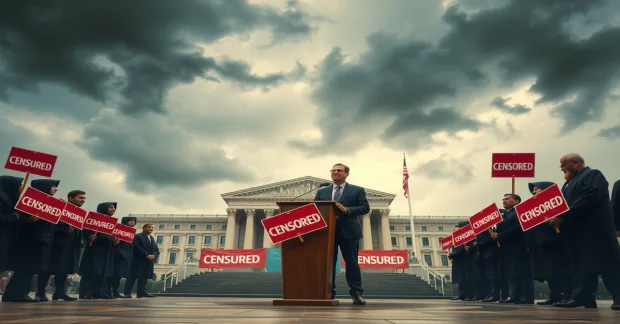
The Ugly Truth: Political Correctness vs Your Free Speech
Truth is, nearly 60% of Americans already feel they can't say what they really think in public, and you know why. You're watching political correctness creep into your job, your church, your kids' schools, quietly telling you what you're “allowed” to say. That's not respect, that's soft censorship. So ask yourself, if you have to second-guess every word, are you actually free, or just carefully managed? Key Takeaways: Is political correctness quietly turning your God-given right to speak into a permission slip controlled by elites? When you self-censor to avoid punishment, haven't they already taken more of your liberty than any statute could? Every time “offensive” words get punished, doesn't the boundary of what's allowed tighten around your throat? If truth needs protection from open debate, are we protecting people or just protecting the narrative from you? Ask yourself: will […]
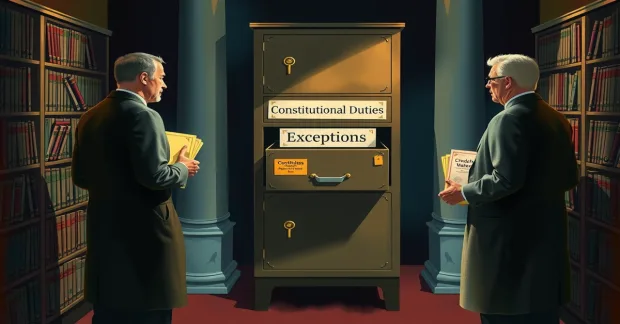
The Hidden Loophole Letting Congress Dodge the Constitution
Congress has quietly shifted lawmaking to unelected bodies, and he, she, and they must ask: who governs when faceless agencies write binding rules? This informative overview explains how the delegation loophole lets lawmakers dodge the Constitution while preserving political cover, and it outlines how advocates can push to reclaim legislative power and constitutional accountability. Key Takeaways: Who's really writing the rules that shape your rights? — Congress increasingly delegates lawmaking to agencies, letting unelected officials issue binding regulations that affect daily life. Is delegation sharing power or abandoning it? — The Constitution vests legislative power in Congress; widespread delegation has turned policy-making into agency-driven rulemaking. How did the courts enable this transfer? — The “intelligible principle” doctrine lets statutes authorize broad agency action with minimal guidance, creating a legal escape hatch for lawmakers. Feel the accountability gap? — Delegation lets […]

The Fifth Amendment Loophole Police Don’t Want You to Know
As you consider your rights, you may think that staying silent is a foolproof way to protect yourself, but what if your silence could be used against you? You need to understand that invoking your Fifth Amendment right isn't as simple as just staying quiet, and not knowing the loophole could cost you your freedom. Can you afford to remain uninformed about the potential consequences of your silence, or will you take the necessary steps to protect yourself? Key Takeaways: Are you aware that your silence can be used against you in a court of law, even if you think you're protected by the Fifth Amendment? What if staying silent could actually hurt you, rather than help you? Do you know that the Fifth Amendment loophole allows prosecutors to interpret your silence as evidence of guilt, unless you explicitly invoke […]
Related
They Lied to You—Property Taxes Might Be Unconstitutional?
They Didn't Just Mislead You - They Lied About Property Taxes You weren't just given half-truths about property taxes, you were fed a polished narrative that hides how aggressive and permanent this system really is. Your "civic duty" story skips the part where counties run tax-lien auctions, investors flip your debt, and people lose fully paid-off homes over a few thousand dollars. When a $2,300 tax bill can wipe out a $300,000 house, you're not being served, you're being leveraged. Wait, What's with This Property Tax Stuff? You probably grew up hearing property tax keeps your roads paved and your kids educated, but nobody mentioned the fine print where missing a single payment can trigger penalties, liens, then foreclosure. In some states, your county quietly sells that tax lien to private bidders who profit off your hardship while you scramble […]
States Hide This Secret: ID Laws Every Citizen Must Know
There's a weird comfort in thinking you know your rights until a cop stops you. You walk out the door assuming you're free to roam, but state statutes are actually a legal minefield waiting to trip you up. It's scary. So, do you really need that plastic card just to walk down the street? Sometimes yes. Since the Justice Department Has Demanded Voter Files from at ... least 21 states, we know the government is watching closely. You could be risking fines just by existing in public without papers. Key Takeaways: Ever assume the rules are the same everywhere you go? They definitely aren't. There isn't a single federal law forcing you to hold plastic. Instead, you face a messy patchwork of state-level ID requirements. So what applies in Ohio might get you in trouble in Texas. States hide this […]
DOJ Criticized: Too Tough or Too Soft on Hate Crimes?
Most days you just want to know if your family is actually safer when the DOJ steps into hate crime cases, right? You're stuck hearing that hate crimes are climbing, yet you also hear arguments that federal prosecutors are either swinging too hard or barely swinging at all, so how are you supposed to feel confident in your rights? And when you see bias attacks exploding across race, religion, and identity, you can't help asking yourself: is your Justice Department protecting you... or leaving you hanging? Key Takeaways: Are You Willing To Question How Safe Your Rights Really Are? Hate crime reports keep climbing, yet DOJ prosecutions lag, sparking fear that bias violence is outrunning federal accountability. Civil rights groups say DOJ goes soft, declining clear hate cases and leaving victims asking, "Who actually has our backs?" Civil liberties advocates […]
The Ugly Truth: Political Correctness vs Your Free Speech
Truth is, nearly 60% of Americans already feel they can't say what they really think in public, and you know why. You're watching political correctness creep into your job, your church, your kids' schools, quietly telling you what you're “allowed” to say. That's not respect, that's soft censorship. So ask yourself, if you have to second-guess every word, are you actually free, or just carefully managed? Key Takeaways: Is political correctness quietly turning your God-given right to speak into a permission slip controlled by elites? When you self-censor to avoid punishment, haven't they already taken more of your liberty than any statute could? Every time “offensive” words get punished, doesn't the boundary of what's allowed tighten around your throat? If truth needs protection from open debate, are we protecting people or just protecting the narrative from you? Ask yourself: will […]
The Hidden Loophole Letting Congress Dodge the Constitution
Congress has quietly shifted lawmaking to unelected bodies, and he, she, and they must ask: who governs when faceless agencies write binding rules? This informative overview explains how the delegation loophole lets lawmakers dodge the Constitution while preserving political cover, and it outlines how advocates can push to reclaim legislative power and constitutional accountability. Key Takeaways: Who's really writing the rules that shape your rights? — Congress increasingly delegates lawmaking to agencies, letting unelected officials issue binding regulations that affect daily life. Is delegation sharing power or abandoning it? — The Constitution vests legislative power in Congress; widespread delegation has turned policy-making into agency-driven rulemaking. How did the courts enable this transfer? — The “intelligible principle” doctrine lets statutes authorize broad agency action with minimal guidance, creating a legal escape hatch for lawmakers. Feel the accountability gap? — Delegation lets […]
The Fifth Amendment Loophole Police Don’t Want You to Know
As you consider your rights, you may think that staying silent is a foolproof way to protect yourself, but what if your silence could be used against you? You need to understand that invoking your Fifth Amendment right isn't as simple as just staying quiet, and not knowing the loophole could cost you your freedom. Can you afford to remain uninformed about the potential consequences of your silence, or will you take the necessary steps to protect yourself? Key Takeaways: Are you aware that your silence can be used against you in a court of law, even if you think you're protected by the Fifth Amendment? What if staying silent could actually hurt you, rather than help you? Do you know that the Fifth Amendment loophole allows prosecutors to interpret your silence as evidence of guilt, unless you explicitly invoke […]