Tenant Rights are not just words on a piece of paper – they are your shield against neglectful landlords like Mr. Grimshaw. If you’re facing a relentless leak, a failing heater, or any other maintenance issue, don’t let frustration dampen your spirit. Empower yourself with knowledge of your rights as a tenant. In this blog post, we’ll guide you on how to navigate the murky waters of landlord responsibilities and take a stand for a safe, livable home you deserve – not just a place to endure.
Key Takeaways:
- Know your rights: As a tenant, you have the right to a safe and habitable living environment. Don’t hesitate to educate yourself on your legal rights when it comes to landlord responsibilities.
- Don’t be ignored: If your landlord is neglecting necessary repairs, don’t suffer in silence. Take action to ensure that your living conditions are up to standard.
- Advocate for yourself: Stand up for your rights and demand that your landlord address maintenance issues promptly. Your voice matters, and you deserve a livable home.
- Empower others: Consider how your actions can benefit not only yourself but also your fellow tenants who may be facing similar challenges. Together, you can create positive change in your living environment.
- Seek support: Don’t hesitate to reach out to tenant advocacy groups or legal resources for assistance in dealing with a neglectful landlord. You don’t have to face this battle alone.
- Take action: Whether it’s documenting issues, sending written requests for repairs, or exploring legal options, be proactive in addressing landlord negligence. Your perseverance can make a difference.
- Stand up for your home: Your home is more than just a place to stay—it’s a sanctuary. Fight for your right to a safe and comfortable living space, and don’t settle for substandard conditions.

The Impact of Unlivable Conditions
Before plunging into the specifics of tenant rights and landlord responsibilities, it’s crucial to understand the real-life impact of unlivable conditions on tenants. From health and safety hazards to the emotional toll of living in a deteriorating environment, the consequences of neglectful landlords can be devastating.
Health and Safety Hazards
Hazards in rental properties can pose serious risks to tenants’ well-being. Issues like mold, asbestos, lead paint, and malfunctioning utilities not only affect the physical health of residents but also create a breeding ground for accidents and injuries. Lack of proper maintenance and neglect of these hazards can result in long-term health problems and even life-threatening situations.
Emotional Toll of Living in a Deteriorating Environment
Impact Living in a deteriorating environment can take a toll on tenants’ emotional well-being, leading to increased stress, anxiety, and feelings of helplessness. The constant worry about safety, comfort, and the future of their living situation can have a significant impact on mental health and overall quality of life.
Safety Tenants deserve to feel safe and secure in their homes, free from the fear of hazardous conditions or neglectful practices by landlords. It is vital for landlords to address issues promptly and ensure that rental properties meet basic health and safety standards to protect the well-being of their tenants.
Statistics on Neglected Rental Properties
Neglected According to a recent study, a staggering number of rental properties across the country are in a state of disrepair, with landlords neglecting basic maintenance and necessary repairs. This negligence not only impacts the quality of life for tenants but also contributes to the overall decline of rental housing standards in many communities.
Understanding It’s crucial for tenants to be aware of their rights and responsibilities when it comes to living conditions in rental properties. By advocating for safe and livable housing, tenants can hold landlords accountable for maintaining a healthy and secure environment for all residents. Keep in mind, your home should be a sanctuary, not a source of stress and discomfort.
Know Your Rights as a Tenant
Defining Habitable Conditions
One of the most crucial aspects of being a tenant is understanding what constitutes a habitable living space. With rain leaking through the walls and important amenities malfunctioning, it’s clear that your current situation falls far below the standards of a habitable dwelling. As a tenant, you have the right to a safe and functional living environment, free from hazards that could endanger your health or safety.
It’s important to note that landlords are legally obligated to maintain the property in a habitable condition throughout your tenancy. This includes addressing issues such as leaks, heating failures, and electrical problems promptly and effectively to ensure a comfortable living space for tenants.
Remember: Your well-being and comfort are paramount, and you have the right to demand that your landlord upholds their end of the agreement by providing you with a habitable living space.
Tenant Rights Regarding Repairs
One key tenant right regarding repairs is the ability to request necessary repairs to maintain the property’s habitability. If your landlord fails to address these issues in a timely manner, you have the right to take action to ensure your living conditions are improved. This may include seeking legal advice or involving the appropriate authorities to enforce your rights as a tenant.
Tenants have the right to withhold rent or deduct repair costs from their rent if the landlord fails to make necessary repairs within a reasonable timeframe. This empowers tenants to hold landlords accountable for maintaining safe and habitable living conditions within the rental property.
Empower Yourself: Knowing your rights regarding repairs gives you the confidence to advocate for yourself and ensure that your landlord fulfills their obligations to provide a safe and livable home for you and your fellow tenants.
Timeframes for Response and Repair Completion
Habitable living conditions require prompt attention to repair requests. Tenants should be aware of the expected timeframes for landlords to respond to and complete necessary repairs. Depending on the severity of the issue, landlords are typically required to address repairs within a reasonable timeframe to ensure the property remains habitable.
Plus, tenants should be aware of their rights regarding the repair process, including the right to take legal action if necessary repairs are not completed within the specified timeframe. By understanding these timeframes and the actions you can take to enforce them, you are better equipped to protect your rights as a tenant and maintain a safe living environment.
Stay Informed: Knowing the timeframes for response and repair completion empowers you to hold your landlord accountable and ensure that necessary repairs are addressed promptly and effectively to maintain a habitable living space.
Taking Action Against Neglectful Landlords
Communication is Key: Documenting Repair Requests
Action Unlike Mr. Grimshaw’s dismissive attitude, it’s important to take a proactive approach when dealing with neglectful landlords. One crucial step is to document all communication regarding repair requests. Keep a record of every time you reported an issue, including dates, methods of communication, and any promises made by the landlord. This documentation will serve as evidence in case legal action becomes necessary, shining a light on the landlord’s negligence.
Consistent and clear communication is vital in holding landlords accountable for maintaining a safe and habitable living space for tenants. By keeping a thorough record, you empower yourself with knowledge and evidence to stand up for your rights and demand the repairs you deserve. Don’t let neglectful landlords like Mr. Grimshaw continue to ignore your concerns. Communication is key in taking action and making your voice heard.
Don’t underestimate the power of written documentation and open communication when addressing issues with your landlord. These actions not only protect your rights as a tenant but also create a foundation for a stronger case should further steps be necessary. Note, communication is a powerful tool in the fight against neglectful landlords.
Tenant Resources: Government Agencies, Advocacy Groups, and Legal Aid
For tenants facing challenges with neglectful landlords, seeking support from tenant resources such as government agencies, advocacy groups, and legal aid organizations can provide valuable assistance. These resources are equipped to offer guidance and legal advice to tenants dealing with issues ranging from repairs and maintenance to landlord-tenant disputes.
Agencies Government agencies, advocacy groups, and legal aid organizations specialize in tenant rights and can provide crucial information and resources to help you navigate your options. Some agencies even offer free legal assistance for tenants facing difficult situations with neglectful landlords. Don’t hesitate to reach out for support and guidance in standing up for your rights.
With the support of tenant resources, you can access a wealth of knowledge and expertise to help you address issues with neglectful landlords effectively. These resources are dedicated to advocating for tenants’ rights and can offer valuable assistance in navigating the complexities of landlord-tenant relationships. Take advantage of these resources to empower yourself and protect your rights as a tenant.
Understanding Your Options
Repair and Deduct: When and How to Take Matters into Your Own Hands
Take matters into your own hands when faced with a negligent landlord by utilizing the repair and deduct option. This allows you to hire a professional to fix the issue and deduct the costs from your rent. However, it’s crucial to follow your state’s specific guidelines regarding this option to avoid any legal repercussions. Keep detailed records of all communication with your landlord and receipts for the repairs to protect yourself.
Rent Withholding: A Last Resort for Urgent Repairs
Deduct from your rent as a last resort for urgent repairs that your landlord continues to ignore. This option should only be used in severe situations where your health and safety are at risk due to the landlord’s negligence. Consult with a legal professional or tenant’s rights organization to ensure you are following the proper steps and protecting your rights when withholding rent.
Understanding the process of rent withholding is crucial to avoid potential eviction or legal complications. It’s a drastic measure that should only be taken after attempting other avenues to resolve the repair issues with your landlord. Make sure to document all the necessary evidence, such as photos of the damages and communication with your landlord, to support your case if legal action becomes necessary.
Contacting Authorities: Filing Complaints and Seeking Assistance
Matters escalate, consider filing complaints with local housing authorities or tenant advocacy organizations. They can provide guidance on your rights as a tenant and help you navigate the process of holding your landlord accountable for necessary repairs. Seeking assistance from these authorities can also put pressure on your landlord to take action and ensure a safe living environment for all tenants.
Seeking help from the appropriate authorities can be a powerful tool in advocating for your rights as a tenant. These organizations are equipped to handle landlord-tenant disputes and can offer valuable support and resources to help you address the negligence of your landlord effectively. Don’t hesitate to reach out for assistance when your living conditions are compromised due to a landlord’s inaction.
The Power of Documentation
Now, when dealing with a landlord who is ignoring repairs, it is crucial to keep detailed records of your interactions and the state of your apartment. This not only helps you keep track of the issues but also provides vital evidence should you need to take legal action in the future.
Keeping Records of Repair Requests and Responses
For each time you reach out to your landlord about a repair issue, make sure to document the date, time, and method of communication. Keep copies of any emails, text messages, or letters you send. Additionally, record any responses or lack thereof from your landlord. This paper trail can be invaluable in demonstrating your efforts to address the problems and your landlord’s negligence.
Photographing and Videotaping Damages and Hazards
With the prevalence of smartphones, taking photos and videos of the damages and hazards in your apartment has never been easier. Document not only the visible issues like leaks and broken appliances but also any underlying problems like mold growth or structural damage. These visual records provide concrete evidence of the poor conditions you are living in and can be compelling when presenting your case.
Repair requests and documentation can be crucial in pushing your landlord to take action and fulfilling their legal obligations as a property owner. Keep diligent records of all your efforts to communicate and resolve the repair issues, as this documentation can be the key to ensuring your rights as a tenant are upheld.
Organizing Evidence for Potential Legal Action
Legal action should always be a last resort, but if your landlord continues to neglect their responsibilities, being prepared with organized evidence can strengthen your case. Label and file all records, emails, photos, and videos in a clear and logical manner. Having this comprehensive evidence ready can expedite the legal process should it come to that.
Seeking Legal Advice
When to Consult an Attorney
Advice Keep in mind that seeking legal advice should not be your first course of action when dealing with a negligent landlord. However, if your attempts to resolve the issues with your landlord have been met with continued indifference and inaction, it may be time to consult with an attorney. Mr. Grimshaw’s persistent neglect of your living conditions despite multiple reports may warrant legal intervention.
Before making the decision to hire an attorney, consider reaching out to local tenant advocacy organizations for guidance. They may provide valuable resources and information that can help you navigate the legal process more effectively.
What to Expect from Legal Representation
On Your attorney will be your advocate in seeking justice for the substandard living conditions you have been subjected to. They will guide you through the legal process, including filing a lawsuit against your landlord if necessary. Legal representation can provide you with the leverage needed to hold negligent landlords accountable and secure necessary repairs to your home.
It’s important to have open communication with your attorney and be prepared to provide them with all relevant documentation and information regarding the issues you have experienced. With the right legal representation, you can effectively fight for your rights as a tenant and ensure that your living space is safe and habitable.
Preparing for a Lawsuit: Gathering Evidence and Building a Case
Seeking If you have decided to pursue legal action against your landlord, it is crucial to gather evidence to support your case. Documentation such as photos of the damage, copies of repair requests, and any communication with your landlord can strengthen your position in court. By compiling a thorough record of the issues you have faced, you increase the likelihood of a successful outcome in your lawsuit.
Taking Legal Action (Optional)
Many tenants find themselves in situations where their landlord continuously ignores repair requests or fails to provide a safe living environment. In cases where communication and negotiation have been futile, taking legal action may be necessary to ensure your rights as a tenant are upheld. Filing a lawsuit against a landlord for code violations or failure to provide habitable conditions is a serious step, but one that may be crucial in holding negligent landlords accountable.
Filing a Lawsuit for Code Violations or Failure to Provide Habitable Conditions
Taking legal action against Mr. Grimshaw may seem daunting, but it is important to protect yourself and other tenants from living in unsafe conditions. With evidence of the leak turning your apartment into a swamp, the malfunctioning space heater, and other issues, you have a strong case for code violations or failure to provide a habitable living space. By taking the necessary steps to file a lawsuit, you are not only advocating for your own rights but also standing up for the well-being of your fellow tenants.
Conditions in your apartment have deteriorated to a point where legal action is a legitimate course of action. Mr. Grimshaw’s negligence cannot go unchecked, and seeking legal recourse may be the only way to ensure that necessary repairs are made and living conditions are improved. By taking this step, you are asserting your rights as a tenant and sending a message that neglectful landlords will not be tolerated.
The Importance of Seeking Legal Advice for Specific Situations
Any tenant considering legal action against a landlord should seek legal advice tailored to their specific circumstances. Each situation is unique, and navigating landlord-tenant laws can be complex. A knowledgeable attorney can provide invaluable guidance on the best course of action, ensuring that your rights are protected and that you are taking the appropriate steps to address the issues at hand.
Empowering Yourself as a Tenant
Researching Local Tenant Laws and Resources
Not sure of your rights as a tenant? Educating yourself is the first step in taking control of your living situation. Tenant laws can vary by state or city, so it’s crucial to know what protections are in place for you. Reach out to local tenant organizations or legal aid services to get a better understanding of the laws that are on your side. Familiarize yourself with your rights regarding repairs, habitability, and landlord responsibilities. Knowledge is power, and arming yourself with information can help you navigate conversations with your landlord more confidently.
Building a Support Network of Fellow Tenants and Advocates
Forging connections with other tenants facing similar struggles can provide strength in numbers and emotional support during difficult times. Consider attending tenant advocacy meetings or joining online forums to share experiences and gather advice from those who have been in your shoes. Collaborating with fellow tenants and advocates can amplify your voice and create a united front against neglectful landlords.
Developing a Plan for Taking Action
Once you have a solid understanding of your rights and have built a support network, it’s time to network formulate a plan of action. Document all communication with your landlord regarding repairs, gather evidence of the issues in your apartment, and keep a record of any violations of tenant laws. Consider seeking legal advice or mediation if necessary, and don’t hesitate to escalate the situation if your landlord continues to ignore your concerns. Empower yourself to advocate for a safe and livable living environment, not just for yourself but for all tenants in similar situations.
Negotiating with Your Landlord
Once again, you find yourself facing an unresponsive landlord, leaving you with no choice but to take matters into your own hands. Effective communication is key when negotiating with your landlord to ensure your concerns are heard and addressed. By approaching the situation calmly and rationally, you can increase the chances of reaching a resolution that satisfies both parties.
Strategies for Effective Communication
Any communication with your landlord regarding repairs should be documented in writing, whether through email or certified mail. This not only provides a record of the conversation but also serves as evidence in case further action is required. When discussing the issue, be sure to clearly outline the problem, the impact it has on your living conditions, and a reasonable timeline for repairs. Additionally, maintaining a professional and polite tone can help foster a more positive dialogue with your landlord.
Knowing When to Compromise and When to Stand Firm
Effective negotiation with your landlord involves knowing when to compromise and when to stand firm on your demands. While it’s important to be flexible and open to finding a solution that works for both parties, it is equally crucial to stand your ground on important repairs that impact your health and safety. Prioritize your requests based on urgency and severity, and be prepared to advocate for what is necessary to maintain a habitable living environment.
Knowing when to compromise can be a challenging decision, especially when faced with an uncooperative landlord. However, by staying informed about your tenant rights and seeking advice from legal resources or tenant advocacy organizations, you can confidently navigate negotiations and assert your rights as a tenant.
Documenting Agreements and Understanding
When negotiating with your landlord, it is vital to document any agreements made regarding repairs or maintenance. Documenting the specifics of the arrangement, including timelines, responsibilities, and consequences for non-compliance, can prevent misunderstandings and protect your rights as a tenant. Understanding the terms of your lease agreement and relevant landlord-tenant laws can also empower you to advocate for necessary repairs and hold your landlord accountable.
Dealing with Retaliation
Recognizing Signs of Retaliation
To combat the challenges faced by tenants dealing with neglectful landlords, it’s crucial to be aware of the signs of retaliation. The first red flag may be an escalation of the issue you reported, such as increased delays in repairs or further deterioration of living conditions. Additionally, watch for sudden changes in communication or treatment from your landlord, such as unfounded eviction threats or unwarranted increases in rent. Lastly, pay attention to any attempts to intimidate or harass you, whether in person, through phone calls, or through written communication.
Protecting Yourself from Retaliatory Actions
The best defense against retaliation is to document everything related to your living situation, including communications with your landlord, repair requests, and any incidents of neglect or harassment. Keep a detailed record of dates, times, and the nature of each interaction. It is also imperative to know your rights as a tenant and understand the laws that protect you from landlord retaliation. In the event of any suspicious behavior or unjust actions from your landlord, seek guidance from legal resources or local tenant advocacy groups to help you navigate the situation.
Note, your safety and well-being should always be a top priority, and taking proactive steps to protect yourself from potential retaliation is key to maintaining a secure living environment.
Seeking Help from Authorities and Advocacy Groups
With the support of authorities and advocacy groups, tenants can effectively address issues of landlord neglect and retaliation. By contacting local housing authorities or tenant rights organizations, you can receive guidance on next steps and potential legal actions. These organizations are well-equipped to provide valuable resources, support, and representation to tenants facing challenging situations.
Another important step is to document any instances of retaliation or neglect and report them to the appropriate authorities. By standing up for your rights and seeking help from reputable organizations, you can ensure that your voice is heard and that action is taken to address the unacceptable behavior of neglectful landlords.
Staying Safe During Repairs
For tenants facing ongoing issues with their landlord’s neglect of necessary repairs, it’s crucial to understand how to stay safe during the repair process. This includes being aware of your rights as a tenant and taking necessary precautions to protect yourself and your belongings.
Temporary Relocation Options
On the issue of temporary relocation during repairs, tenants have the right to request alternative accommodations if their living conditions pose a threat to their health or safety. Ensuring your safety should be a top priority, so don’t hesitate to discuss potential relocation options with your landlord. Temporary relocation can offer peace of mind knowing that you are not in harm’s way while repairs are being completed.
Ensuring Worker Safety and Liability
An important aspect of repairs is ensuring worker safety and liability. It is the responsibility of your landlord to make sure that any contractors or repair workers are following safety protocols while working in your home. Additionally, your landlord should have insurance to cover any accidents or damages that may occur during the repair process.
Liability for injuries or damages during repairs should not fall on the tenant. It’s crucial to clarify with your landlord the extent of their liability coverage and ensure that you are not held financially responsible for any mishaps that may happen during the repair work.
Maintaining Communication with Your Landlord During Repairs
Your relationship with your landlord during the repair process is vital. Open and effective communication can help ensure that repairs are completed in a timely and satisfactory manner. Keep records of all communication, including repair requests, promises made by the landlord, and any actions taken regarding the repairs.
To maintain a positive relationship with your landlord during repairs, it’s important to be assertive yet respectful in your communication. Clearly state your concerns and expectations, and don’t hesitate to seek outside assistance if necessary to resolve any issues that may arise.
Winning Against Neglectful Landlords
Despite the challenges posed by negligent landlords like Mr. Grimshaw, it is possible to stand up for your rights as a tenant and win against their indifference. Taking action against unresponsive landlords not only benefits you but can also help create a safer and more livable environment for all tenants in the building.
Celebrating Small Victories
Landlords who ignore maintenance requests count on tenants feeling powerless and giving up. By persistently advocating for repairs and holding your landlord accountable, you are already taking a step towards victory. Celebrate every small win, whether it’s finally getting that leak fixed or ensuring your heating system is in working order. These victories not only improve your living conditions but also empower you to continue fighting for your rights.
Sharing Your Story to Empower Others
Neglectful landlords thrive in secrecy, hoping tenants will suffer in silence. One powerful way to combat this is by sharing your story with others. Whether through social media, tenant advocacy groups, or local authorities, spreading awareness about your experiences can empower fellow tenants facing similar challenges. Your voice can inspire others to speak up and demand better treatment from their landlords.
This article will provide guidance on the steps you can take to protect your rights and improve your living situation. It will also highlight the importance of advocating for better landlord-tenant relationships and ensuring that all tenants have access to safe and habitable housing. Do not forget, you deserve a home where you can live comfortably and peacefully. Don’t let neglectful landlords undermine your rights as a tenant. Stand up, speak out, and fight for the home you deserve.
Summing up
Following this newfound resolve to stand up against neglectful landlords like Mr. Grimshaw, you are ready to empower yourself with knowledge of your tenant rights. It’s time to take control of your living situation and demand the safe, livable home that you deserve. By understanding the laws and regulations in place to protect tenants, you can advocate for yourself and ensure that necessary repairs are made in a timely manner.
Don’t let the rain, the leak, or Mr. Grimshaw’s indifference dampen your spirit any longer. Remember that you are not alone in facing these challenges; there are resources and support available to help you navigate the process of holding your landlord accountable. By taking action and asserting your rights, you are not only advocating for yourself but also setting an example for others in similar situations.
As you initiate on this journey to fight for a home, not just a place to endure, remember that your voice matters. By standing up for what you deserve, you are not only improving your own living conditions but also contributing to a collective effort to ensure that all tenants are treated with respect and dignity. Stay empowered, stay informed, and never underestimate the impact of fighting for your rights as a tenant.
Frequently Asked Questions about ‘Landlord Ignoring Repairs? Know Your Tenant Rights!’
Q: What should I do if my landlord is ignoring repairs in my rental unit?
A: If your landlord is ignoring repairs, you have the right to take action. Familiarize yourself with your tenant rights and consider reaching out to local tenant advocacy organizations for support.
Q: Are landlords required to make repairs in a timely manner?
A: Yes, landlords are legally obligated to maintain a safe and habitable living environment for their tenants. This includes addressing repairs promptly and effectively.
Q: How can I communicate effectively with my landlord about needed repairs?
A: Document all communication with your landlord regarding needed repairs in writing. Be clear and specific about the issues and follow up if necessary to ensure they are addressed.
Q: Can I withhold rent if my landlord fails to make necessary repairs?
A: In some cases, tenants may have the right to withhold rent if their landlord is not fulfilling their repair obligations. However, it is necessary to research and understand the laws in your specific area before taking this action.
Q: What resources are available to help tenants facing landlord neglect?
A: Local tenant advocacy organizations, legal aid services, and housing authorities can provide valuable support and guidance to tenants dealing with landlord neglect. Reach out to these resources for assistance.
Q: How can I protect myself from retaliation if I report my landlord for neglecting repairs?
A: Retaliation from landlords is illegal in many jurisdictions. Document any instances of retaliation and seek legal advice if necessary to protect your rights as a tenant.
Q: What steps should I take if my landlord continues to ignore repair requests?
A: If your landlord persists in neglecting necessary repairs, consider filing a complaint with the relevant housing authority or seeking legal advice to enforce your rights as a tenant.


About the author


Understanding Allodial Titles, Land Patents, and Their Legal Implications
In property rights and land ownership, the concepts of allodial titles and land patents hold significant legal weight. These terms are often used in discussions related to the protection of property rights, land ownership, and the interplay between various areas of law such as the Uniform Commercial Code, contract law, constitutional law, and statutory law. In this in-depth blog post, we will explore into the intricacies of allodial titles and land patents, exploring their definitions, legal implications, and dispelling common myths and misconceptions associated with them. Key Takeaways: Allodial Titles Explained: An allodial title represents the highest form of land ownership, granting the owner absolute and unburdened ownership of the property, free from any encumbrances, liens, or taxes imposed by external parties. Land Patents and Their Legal Implications: A land patent is a legal document issued by the government that […]

Outsmart the System: Top Legal Strategies You Need to Know
Understanding the Legal Landscape While the legal system may seem intimidating, grasping its core concepts can empower you to navigate its complexities effectively. Understanding this landscape is vital for anyone looking to outsmart the system and optimize their legal strategies. Whether you’re seeking legal hacks for small businesses or tips on how to use legal loopholes to your advantage, recognizing the different legal frameworks at play can be crucial in making informed decisions. Overview of Legal Systems An understanding of the various legal systems is pivotal for recognizing your rights and obligations. Legal frameworks can vary significantly from one country to another, with common systems including civil law, common law, and religious law. Each system has its own structure, offering unique legal strategies and challenges. For example, in a common law system, previous judicial decisions can influence future cases, allowing […]

Ilataza Ban Yasharahla EL’s Public Records Request for Elyria Board of Education
24-0001492: Ilataza Ban Yasharahla EL's Public Records Request for Elyria Board of Education. All Rights Expressly Reserved and Retained. https://nationalnoticerecord.com/elyria-boe-members-required-to-follow-rulings https://nationalnoticerecord.com/is-elyria-school-board-bound-by-ohio-courts https://nationalnoticerecord.com/understanding-the-oath-of-office-legal-obligations-and-consequences

Ohio Legalizing Recreation Marijuana Use May Hurt Dispensaries in Monroe, Michigan
In recent years, the movement to legalize marijuana for adult recreational use has gained significant momentum across the United States. Ohio, a state long synonymous with conservative values, has also embraced this shift in public opinion. With the passing of Ohio Issue 2 and the Ohio Home Grow Bill, the state has joined the ranks of those allowing the recreational use of marijuana. This blog post will delve into the pros and cons of Ohio's legalization, as well as the potential implications for marijuana dispensaries in Monroe, Michigan, which previously benefited from Ohio buyers crossing state lines. https://www.youtube.com/watch?v=0KRzqZ8dUwc Pros of Ohio's Recreational Marijuana Legalization 1. Economic Boost: Legalizing recreational marijuana in Ohio has the potential to generate substantial economic benefits for the state. The marijuana industry has proven to be a lucrative market, with tax revenue and job creation being […]

The Etymology of “Bey” EXPOSED
TURN UP YOUR VOLUME & PRESS PLAY Have you ever wondered what the true origin and meaning of "Bey" is? We've been told that it means "Governor", "Law Enforcer", Chief, etc. But, what if that's incorrect? What if we've been using the "title", "Bey", incorrectly? FILL OUT THE FORM TO GET STARTED First Name: Last Name: Phone Number: Email: I agree to receive email updates and promotions. Submit

Are You A “Colored Person”?
Tune in as we dissect the term "person of color", exposing how its PURPOSELY steeped in plausibility, DECEPTION, and used as a weapon.

We’ve Been FORCED to Make Some Changes
Due to receiving so many tasks that our work has become more tedious, we've been forced to make some changes at National Notice Record.

Gas Go Express Food Mart Unjust Enrichment Via Debit Card Surcharge Fees
https://www.youtube.com/watch?v=eJknhtE9JEI In this video, I talk about a consumer experience I had while shopping at Gas Go Express Food Mart Gas Station, located at 237 Lake Avenue, Elyria, Ohio. On November 24, 2021, I made a purchase for 4 taxable items at the location. Each item was $0.99 per. With taxes, it came up to $4.26. As I got ready to place my debit card into the card reader, the Gas Go Express Food Mart clerk immediately added a $.50 debit card surcharge fee. As a common practice, some merchants/stores add a surcharge to your total purchase amount when you spend less than $5 or $10 when using a credit/debit card to process the payment. Being a merchant myself, I know that Master Card, Visa, Discover, and some of the other financial institutions have a strict policy that states that […]

They Lied to You—Property Taxes Might Be Unconstitutional?
They Didn't Just Mislead You - They Lied About Property Taxes You weren't just given half-truths about property taxes, you were fed a polished narrative that hides how aggressive and permanent this system really is. Your "civic duty" story skips the part where counties run tax-lien auctions, investors flip your debt, and people lose fully paid-off homes over a few thousand dollars. When a $2,300 tax bill can wipe out a $300,000 house, you're not being served, you're being leveraged. Wait, What's with This Property Tax Stuff? You probably grew up hearing property tax keeps your roads paved and your kids educated, but nobody mentioned the fine print where missing a single payment can trigger penalties, liens, then foreclosure. In some states, your county quietly sells that tax lien to private bidders who profit off your hardship while you scramble […]

States Hide This Secret: ID Laws Every Citizen Must Know
There's a weird comfort in thinking you know your rights until a cop stops you. You walk out the door assuming you're free to roam, but state statutes are actually a legal minefield waiting to trip you up. It's scary. So, do you really need that plastic card just to walk down the street? Sometimes yes. Since the Justice Department Has Demanded Voter Files from at ... least 21 states, we know the government is watching closely. You could be risking fines just by existing in public without papers. Key Takeaways: Ever assume the rules are the same everywhere you go? They definitely aren't. There isn't a single federal law forcing you to hold plastic. Instead, you face a messy patchwork of state-level ID requirements. So what applies in Ohio might get you in trouble in Texas. States hide this […]

DOJ Criticized: Too Tough or Too Soft on Hate Crimes?
Most days you just want to know if your family is actually safer when the DOJ steps into hate crime cases, right? You're stuck hearing that hate crimes are climbing, yet you also hear arguments that federal prosecutors are either swinging too hard or barely swinging at all, so how are you supposed to feel confident in your rights? And when you see bias attacks exploding across race, religion, and identity, you can't help asking yourself: is your Justice Department protecting you... or leaving you hanging? Key Takeaways: Are You Willing To Question How Safe Your Rights Really Are? Hate crime reports keep climbing, yet DOJ prosecutions lag, sparking fear that bias violence is outrunning federal accountability. Civil rights groups say DOJ goes soft, declining clear hate cases and leaving victims asking, "Who actually has our backs?" Civil liberties advocates […]
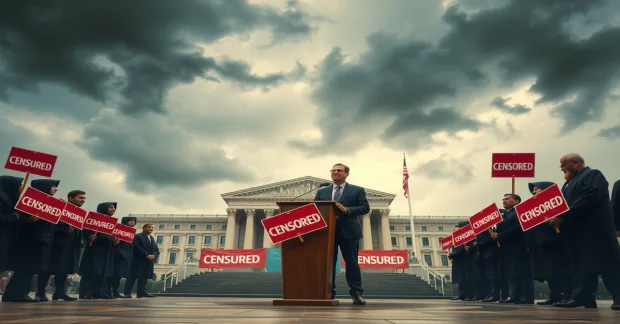
The Ugly Truth: Political Correctness vs Your Free Speech
Truth is, nearly 60% of Americans already feel they can't say what they really think in public, and you know why. You're watching political correctness creep into your job, your church, your kids' schools, quietly telling you what you're “allowed” to say. That's not respect, that's soft censorship. So ask yourself, if you have to second-guess every word, are you actually free, or just carefully managed? Key Takeaways: Is political correctness quietly turning your God-given right to speak into a permission slip controlled by elites? When you self-censor to avoid punishment, haven't they already taken more of your liberty than any statute could? Every time “offensive” words get punished, doesn't the boundary of what's allowed tighten around your throat? If truth needs protection from open debate, are we protecting people or just protecting the narrative from you? Ask yourself: will […]
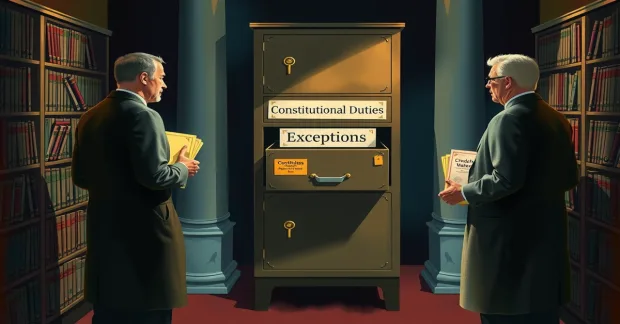
The Hidden Loophole Letting Congress Dodge the Constitution
Congress has quietly shifted lawmaking to unelected bodies, and he, she, and they must ask: who governs when faceless agencies write binding rules? This informative overview explains how the delegation loophole lets lawmakers dodge the Constitution while preserving political cover, and it outlines how advocates can push to reclaim legislative power and constitutional accountability. Key Takeaways: Who's really writing the rules that shape your rights? — Congress increasingly delegates lawmaking to agencies, letting unelected officials issue binding regulations that affect daily life. Is delegation sharing power or abandoning it? — The Constitution vests legislative power in Congress; widespread delegation has turned policy-making into agency-driven rulemaking. How did the courts enable this transfer? — The “intelligible principle” doctrine lets statutes authorize broad agency action with minimal guidance, creating a legal escape hatch for lawmakers. Feel the accountability gap? — Delegation lets […]
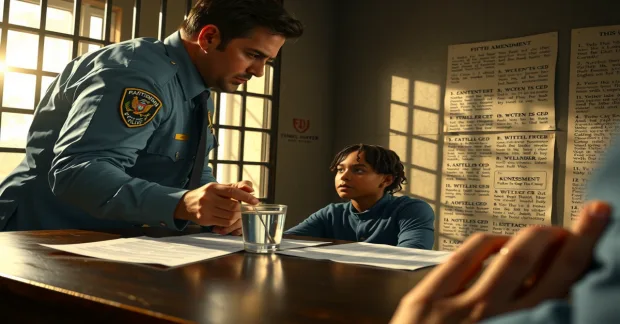
The Fifth Amendment Loophole Police Don’t Want You to Know
As you consider your rights, you may think that staying silent is a foolproof way to protect yourself, but what if your silence could be used against you? You need to understand that invoking your Fifth Amendment right isn't as simple as just staying quiet, and not knowing the loophole could cost you your freedom. Can you afford to remain uninformed about the potential consequences of your silence, or will you take the necessary steps to protect yourself? Key Takeaways: Are you aware that your silence can be used against you in a court of law, even if you think you're protected by the Fifth Amendment? What if staying silent could actually hurt you, rather than help you? Do you know that the Fifth Amendment loophole allows prosecutors to interpret your silence as evidence of guilt, unless you explicitly invoke […]
Related
They Lied to You—Property Taxes Might Be Unconstitutional?
They Didn't Just Mislead You - They Lied About Property Taxes You weren't just given half-truths about property taxes, you were fed a polished narrative that hides how aggressive and permanent this system really is. Your "civic duty" story skips the part where counties run tax-lien auctions, investors flip your debt, and people lose fully paid-off homes over a few thousand dollars. When a $2,300 tax bill can wipe out a $300,000 house, you're not being served, you're being leveraged. Wait, What's with This Property Tax Stuff? You probably grew up hearing property tax keeps your roads paved and your kids educated, but nobody mentioned the fine print where missing a single payment can trigger penalties, liens, then foreclosure. In some states, your county quietly sells that tax lien to private bidders who profit off your hardship while you scramble […]
States Hide This Secret: ID Laws Every Citizen Must Know
There's a weird comfort in thinking you know your rights until a cop stops you. You walk out the door assuming you're free to roam, but state statutes are actually a legal minefield waiting to trip you up. It's scary. So, do you really need that plastic card just to walk down the street? Sometimes yes. Since the Justice Department Has Demanded Voter Files from at ... least 21 states, we know the government is watching closely. You could be risking fines just by existing in public without papers. Key Takeaways: Ever assume the rules are the same everywhere you go? They definitely aren't. There isn't a single federal law forcing you to hold plastic. Instead, you face a messy patchwork of state-level ID requirements. So what applies in Ohio might get you in trouble in Texas. States hide this […]
DOJ Criticized: Too Tough or Too Soft on Hate Crimes?
Most days you just want to know if your family is actually safer when the DOJ steps into hate crime cases, right? You're stuck hearing that hate crimes are climbing, yet you also hear arguments that federal prosecutors are either swinging too hard or barely swinging at all, so how are you supposed to feel confident in your rights? And when you see bias attacks exploding across race, religion, and identity, you can't help asking yourself: is your Justice Department protecting you... or leaving you hanging? Key Takeaways: Are You Willing To Question How Safe Your Rights Really Are? Hate crime reports keep climbing, yet DOJ prosecutions lag, sparking fear that bias violence is outrunning federal accountability. Civil rights groups say DOJ goes soft, declining clear hate cases and leaving victims asking, "Who actually has our backs?" Civil liberties advocates […]
The Ugly Truth: Political Correctness vs Your Free Speech
Truth is, nearly 60% of Americans already feel they can't say what they really think in public, and you know why. You're watching political correctness creep into your job, your church, your kids' schools, quietly telling you what you're “allowed” to say. That's not respect, that's soft censorship. So ask yourself, if you have to second-guess every word, are you actually free, or just carefully managed? Key Takeaways: Is political correctness quietly turning your God-given right to speak into a permission slip controlled by elites? When you self-censor to avoid punishment, haven't they already taken more of your liberty than any statute could? Every time “offensive” words get punished, doesn't the boundary of what's allowed tighten around your throat? If truth needs protection from open debate, are we protecting people or just protecting the narrative from you? Ask yourself: will […]
The Hidden Loophole Letting Congress Dodge the Constitution
Congress has quietly shifted lawmaking to unelected bodies, and he, she, and they must ask: who governs when faceless agencies write binding rules? This informative overview explains how the delegation loophole lets lawmakers dodge the Constitution while preserving political cover, and it outlines how advocates can push to reclaim legislative power and constitutional accountability. Key Takeaways: Who's really writing the rules that shape your rights? — Congress increasingly delegates lawmaking to agencies, letting unelected officials issue binding regulations that affect daily life. Is delegation sharing power or abandoning it? — The Constitution vests legislative power in Congress; widespread delegation has turned policy-making into agency-driven rulemaking. How did the courts enable this transfer? — The “intelligible principle” doctrine lets statutes authorize broad agency action with minimal guidance, creating a legal escape hatch for lawmakers. Feel the accountability gap? — Delegation lets […]
The Fifth Amendment Loophole Police Don’t Want You to Know
As you consider your rights, you may think that staying silent is a foolproof way to protect yourself, but what if your silence could be used against you? You need to understand that invoking your Fifth Amendment right isn't as simple as just staying quiet, and not knowing the loophole could cost you your freedom. Can you afford to remain uninformed about the potential consequences of your silence, or will you take the necessary steps to protect yourself? Key Takeaways: Are you aware that your silence can be used against you in a court of law, even if you think you're protected by the Fifth Amendment? What if staying silent could actually hurt you, rather than help you? Do you know that the Fifth Amendment loophole allows prosecutors to interpret your silence as evidence of guilt, unless you explicitly invoke […]