

There’s a weird comfort in thinking you know your rights until a cop stops you. You walk out the door assuming you’re free to roam, but state statutes are actually a legal minefield waiting to trip you up. It’s scary. So, do you really need that plastic card just to walk down the street? Sometimes yes. Since the Justice Department Has Demanded Voter Files from at … least 21 states, we know the government is watching closely. You could be risking fines just by existing in public without papers.
Key Takeaways:
Ever assume the rules are the same everywhere you go?
They definitely aren’t. There isn’t a single federal law forcing you to hold plastic. Instead, you face a messy patchwork of state-level ID requirements.
So what applies in Ohio might get you in trouble in Texas.
States hide this secret effectively.
Most people just guess the rules and hope for the best. That is a dangerous game to play with your freedom.
What happens if a cop asks who you are?
In some places, you can’t just stay silent. “Stop and identify” statutes give police the power to demand answers during lawful detentions.
But here is the kicker.
You might not know if your state enforces this until it is too late. Refusing to speak up could escalate a minor stop into an arrest.
Knowing your local laws is your best defense against accidental trouble.
Think you can drive just around the block without your license?
Don’t risk it. While walking around might be a gray area, operating a vehicle is black and white.
Every single state demands a valid driver’s license when you are behind the wheel.
It seems obvious. Yet thousands get fined because they left their wallet on the kitchen counter.
The law doesn’t care if you were just going to the corner store.
Does everyone play by the exact same rulebook?
Not exactly. If you are a green card holder, the stakes are way higher. Immigration status obligations mean you often must carry documents that citizens don’t.
One slip-up could jeopardize your entire future here.
It isn’t fair, but it is the reality. Non-citizens face strict penalties for failing to present valid ID.
Is leaving your ID on the dresser really a big deal?
It feels harmless until you need a hospital or a bank. Suddenly, you are stuck.
A simple lack of ID prevents access to basic services.
You might not be breaking a law, but you are breaking your access to society.
Why make your life harder than it needs to be?
Will the judge let you off just because you didn’t know?
Nope. Ignorance of the law is never a valid excuse in court. You can’t just shrug it off.
States hide this secret in fine print you probably never read.
But you are still on the hook for it.
Are you willing to pay the price for simply not knowing the rules?
What counts as real identification anyway?
Your work badge probably won’t cut it. Police and government agencies usually demand specific forms of government-issued ID.
Relying on the wrong card is a rookie mistake.
Carrying the wrong ID is often the same as carrying no ID at all.
Make sure your documentation actually holds weight before you walk out the door.
Do You Really Need to Carry ID at All Times?

You probably grew up thinking you need that plastic card in your pocket 24/7. It feels like a rule, right? Surprisingly, no federal law requires you to carry ID just to walk down the street. You aren’t living in a police state where “papers, please” is the norm for pedestrians. However, assuming you’re totally off the hook is a dangerous game to play. Local rules change the script entirely. What applies in your driveway might not apply two towns over.
What’s the Deal with ID Laws?
Confusion stems from the fact that states make their own rules. There isn’t one big book of ID laws for the whole country. One town might let you walk anonymously, while a city across the border demands answers. It is a messy, inconsistent patchwork designed to trip you up. You might think you know the rules, but state legislators love hiding the fine print. This lack of uniformity is exactly why so many people get caught unprepared.
Are You Breaking the Law by Leaving Home ID-less?
Walking out your front door empty-handed isn’t a crime in itself. Generally, you have a constitutional right to travel freely without identification. Being a pedestrian doesn’t automatically make you a suspect. So, taking a jog or walking the dog without your wallet is usually fine. But don’t get too comfortable with that idea just yet. The context of your walk matters more than you think.
While the act of walking is legal, the situation changes everything in a heartbeat. If you get stopped for jaywalking or a minor ordinance violation, lack of ID can escalate a warning into an arrest. Police need to know who you are to write a ticket. Without that card, they might detain you until they figure it out. It turns a five-minute hassle into a night in jail. That freedom to walk ID-less isn’t as absolute as it seems on paper. You are betting your freedom on the hope that you won’t cross paths with an officer having a bad day.
When Do You Actually Need to Show Your ID?
The moment you get behind the wheel, the rules flip upside down. Driving without a license is a crime in every single state. No exceptions there. Also, if you are in a “Stop and Identify” state, police can demand your name if they suspect a crime. They don’t always need the physical card, but they need your info. Ignoring this distinction is a fast track to legal trouble.
This is where the legal trap snaps shut on unsuspecting citizens. In roughly half the states, you must identify yourself if an officer has “reasonable suspicion” of a crime. Refusing to answer can lead to an obstruction charge. They might not physically force you to produce the card, but you must state your name. Ambiguity here is dangerous. If you guess wrong about your state’s specific statute, you could end up in handcuffs for simply staying silent. It is a terrifyingly thin line between exercising your rights and committing a crime.
Stop-and-Identify Statutes: What You Need to Know
Ever heard of a “Terry stop”? It’s the legal concept that changes everything about your right to remain silent. In roughly half the country, specific laws require you to reveal your identity if police reasonably suspect a crime. It isn’t just a polite request you can wave away. If you refuse in these specific jurisdictions, you could face immediate arrest for obstruction. Silence isn’t always a shield. You need to know if keeping your mouth shut is a constitutional right or a crime where you stand right now.
Which States Are in the Know, and Which Aren’t?
Geography dictates your freedom here. You might be safe refusing ID in California, but cross into Nevada and the rules flip instantly. Currently, over 20 states have these specific statutes on the books. Places like Ohio, Alabama, and Florida have strict requirements during lawful detentions. Your location defines your legal obligation. Don’t assume the laws in your home state travel with you when you cross state lines. It is a massive patchwork quilt of potential liability that catches travelers off guard.
How Do These Laws Really Impact You?
Imagine you are just walking down the street and an officer stops you. In a “stop-and-identify” state, you can’t just walk away or stay silent about your name. If they have “reasonable suspicion”-which is often a vague standard-you must speak up. Refusing can lead to a criminal record. It turns a small misunderstanding into a permanent file. You lose control of the situation simply by not knowing the local rulebook.
Think about the ripple effect of a simple arrest for “failure to identify.” You get handcuffed, booked, and potentially fined hundreds of dollars just for keeping your mouth shut.
It happens more than you think.
An arrest record can ruin job prospects. Even if charges get dropped later, the mugshot stays online forever. So, knowing exactly when to speak is actually a survival skill in these jurisdictions. You are gambling with your future if you guess wrong.
Are You Misguided About Your Rights?
You’ve seen movies where people scream “I know my rights!” and refuse to talk. That Hollywood version of the law is incredibly dangerous. While the Fifth Amendment protects you from self-incrimination, it doesn’t always protect your name. The Supreme Court has ruled that giving your name is not self-incrimination. You can’t just plead the Fifth to avoid identifying yourself during a valid stop. That false assumption gets people put in the back of squad cars every day.
However, there is a massive difference between giving your name and answering an interrogation. You provide your identity to satisfy the statute, but you can still remain silent on everything else. Don’t confuse identifying yourself with confessing.
You can say your name and then clearly state, “I am remaining silent.” That is the power move. Mixing these two concepts up is exactly what the state relies on to gather more evidence against you.
A Peek at State-by-State ID Laws: What’s Different Out There?
Picture yourself on a cross-country road trip. You cross a state line and suddenly the rules flip upside down. It happens more than you’d think. While federal laws stay put, local statutes are a patchwork quilt of confusion. One mile you’re free to walk anonymously, the next you’re a suspect for staying silent. Your location dictates your rights, and assuming they’re universal is a rookie mistake. You need to know exactly what ground you are standing on.
So, What’s Up in California and New York?
You might expect these heavy-hitters to be strict, but they actually lean towards privacy here. Neither state has a specific “stop and identify” statute on the books. That means police generally can’t demand your papers just for walking down the street. But don’t get too comfortable yet. If you’re detained for a suspected crime, the game changes instantly. You still have to identify yourself verbally in New York to avoid extra charges. It’s a fine line between freedom and an obstruction charge.
Are Southern States Tougher on ID?
Down here, things get a lot stricter. States like Alabama and Georgia don’t mess around with ambiguity. They have specific statutes that legally require you to identify yourself if an officer has “reasonable suspicion.” It’s not just a polite request in the South. Refusing to speak up can land you in handcuffs fast. You might think you’re standing on principle, but the local sheriff sees it as breaking the law.
Take Florida, for instance. Their loitering statutes are notoriously broad. If an officer thinks you’re prowling or acting suspicious, they have the green light to demand ID. If you can’t prove who you are, you face a second-degree misdemeanor. That’s not a slap on the wrist. We are talking about potential jail time for simple silence. It pays to keep your license handy when you’re south of the Mason-Dixon line. The burden of proof often falls on you to show you belong there.
What’s the Scoop in the Midwest?
The heartland is a mixed bag of legal tricks. Ohio and Indiana have codified “stop and identify” laws that you need to watch out for. In Indiana, it’s actually a crime to refuse to give your name and date of birth if stopped for an infraction. You might think you’re safe in a quiet suburb. But ignorance here leads to an immediate Class C misdemeanor. The politeness of the Midwest ends when you refuse a lawful order.
Illinois plays it slightly differently but with similar risks. Under their code, an officer can stop you in a public place if they suspect trouble. They can demand your name and address right then and there. If you clam up, you’re obstructing justice. Kansas takes it a step further. Police can demand ID from anyone found in a public place if they suspect a crime has occurred. It’s a slippery slope that catches visitors off guard constantly.
What Counts as Legal ID in America Anyway?

Ever tried buying alcohol or boarding a plane with just a library card? It doesn’t work because the government has strict definitions for “valid identification.” Most people assume any photo ID works, but that is a dangerous misconception. Generally, a legal ID must be government-issued, unexpired, and contain specific biometric data. If you are relying on a work badge or a student ID, you might be legally invisible. Carrying the wrong plastic is often just as bad as carrying nothing at all.
Is Your Driver’s License Enough?
You probably think your standard license is the golden ticket for everything. For years, it was. But things are changing rapidly with strict federal enforcement creeping up. Standard licenses might not get you through airport security or into federal buildings soon. Plus, if your license is expired, cracked, or suspended, it is legally worthless. Don’t assume that card in your wallet guarantees your identity is recognized everywhere you go.
Do You Need a Special ID if You’re Not Driving?
Maybe you don’t drive, or perhaps you are elderly or have a disability. Does that mean you can opt out of the system entirely? Not if you want to function in modern society without constant roadblocks. Every state offers a non-driver identification card that looks nearly identical to a license. It serves the exact same legal purpose for banking, voting, and police interactions. Walking around without this specific government-issued card leaves you vulnerable and legally exposed.
Getting this card feels like a hassle, but the alternative is worse. Imagine trying to verify your age or identity during a medical emergency without one. Private businesses and government agencies rarely accept alternatives like birth certificates or social security cards anymore. They want that plastic card with your photo and digital signature. If you refuse to get one, you are crucially locking yourself out of basic services. You are making life harder and riskier for yourself by staying undocumented in your own state.
What About Immigrant Documents?
What if you aren’t a U.S. citizen yet? The rules for you are significantly stricter and carrying the wrong paper is dangerous. Green cards (Permanent Resident Cards) and Employment Authorization Documents are federally recognized forms of ID. However, some local police officers might not be familiar with them during a stop. You need to know exactly which document satisfies state laws versus federal requirements. Carrying your foreign passport might not be enough to keep you out of handcuffs.
Federal law actually requires most non-citizens to carry evidence of registration at all times. Failing to have your Green Card or I-94 on your person is technically a misdemeanor. It sounds extreme, but it is the law. While local police might not enforce immigration codes, federal agents absolutely will. If you get stopped for something minor, not having that specific document turns a warning into a detention. Your legal status depends entirely on your ability to prove it instantly.
The Risks of Ignoring ID Requirements
What Could Happen If You Don’t Have Your ID?
24 hours is how long some jurisdictions can legally hold you just to figure out who you are. It sounds extreme, but without that plastic card, you become a John Doe in the system. Police officers in strict areas often have discretion to detain you until identity is established. That quick trip to the store turns into a nightmare of administrative red tape. You risk losing hours of your life simply because you left your wallet on the kitchen counter. It creates a hassle that is completely avoidable.
How Might Your Day Go South Without an ID?
40% of retail transactions involving age-restricted items now require scanning an ID barcode regardless of age. You might think you look old enough, but the cashier’s scanner doesn’t care about your gray hairs. Try picking up a package at the post office or checking into a hotel without it. Simple tasks suddenly hit a brick wall when you can’t prove you are you. And don’t even think about getting past security in many government buildings. Your entire schedule can derail over one missing card.
Emergency rooms are required to treat you, but admission processes slow down significantly without identification on hand. Imagine being in an accident and unable to speak for yourself while staff scramble to find your medical records. Banks are even stricter about this. If you lose your debit card and go inside to withdraw cash, no ID means no access to your own hard-earned money. It puts you in a vulnerable spot where you are helpless until someone brings your documents. So you’re stuck waiting.
Specific Risks for Non-Citizens – Are You Aware?
Section 264(e) of the Immigration and Nationality Act actually mandates carrying registration documents at all times. For green card holders, this isn’t just a suggestion like it is for citizens. Failing to produce these documents can lead to a misdemeanor charge or worse. A routine traffic stop can escalate into an immigration enforcement issue in seconds. The stakes are incredibly high compared to the average citizen. You have to be vigilant about having that proof on you.
ICE detainers can be issued based on a lack of identification during local arrests. If local police can’t verify your legal status immediately, they might hold you for federal authorities. This creates a terrifying gap where a simple misunderstanding about ID laws puts your entire life in the U.S. at risk. Carrying your Green Card or work visa isn’t optional – it is your shield against deportation proceedings. Don’t give anyone a reason to question your right to be here.
Myths vs. Facts: What Do You Really Know About ID?
Viral videos constantly show people shouting “I don’t have to show you anything!” at puzzled officers. It looks empowering online. But legal reality is usually colder and much stricter than a thirty-second clip suggests. You might be relying on advice from a friend who “knows their rights” or a misleading post. Believing these widespread myths can land you in handcuffs faster than you can quote the Constitution. Let’s separate the dangerous internet rumors from the hard statutes actually written on the books.
You Think You Don’t Need ID? Think Again!
There is a persistent, dangerous belief that unless you are behind the wheel, you are totally invisible to the law. That is simply false. While walking down the street doesn’t technically require a license, context changes everything instantly. If you are suspected of a crime or even a minor ordinance violation, your anonymity vanishes. In many jurisdictions, obstructing an investigation by simply hiding your identity becomes a secondary charge. You aren’t just walking anymore; you are a suspect refusing to cooperate.
The Truth About Stop-and-Identify Laws
Over twenty states enforce these specific statutes, and they are definitely not suggestions. They mandate that if police have “reasonable suspicion” of criminal activity, you must identify yourself. Note that I said suspicion, not proof. You don’t need to be caught red-handed for an officer to legally demand your name. In states like Nevada or Utah, refusing this simple command transforms a conversation into a criminal offense. You could go to jail just for staying silent.
Let’s dig a bit deeper into this legal trap because the details matter. The Supreme Court actually ruled on this in Hiibel v. Sixth Judicial District Court of Nevada. They decided that requiring a suspect to disclose their name during a valid stop does not violate the Fourth Amendment. This means your silence is not always a protected right when an officer has reasonable suspicion. While you might not always need to produce the physical plastic card, verbally refusing to identify yourself provides the grounds for an immediate arrest.
How Does This Affect Immigrants Differently?
For a U.S. citizen, a forgotten wallet is a hassle, but for others, it is life-altering. Federal law is explicitly clear here. If you are a non-citizen over eighteen, you are required to carry your registration documents at all times. This includes green card holders who often mistakenly believe they have the same leeway as citizens. Failing to produce these documents isn’t just a minor infraction; it is a specific misdemeanor that can trigger deportation proceedings.
The specific statute is Section 264(e) of the Immigration and Nationality Act, and it carries real teeth. It states you must have your “certificate of alien registration” or alien registration receipt card with you. The penalty for non-compliance includes fines up to $100 or even thirty days in jail. But the terrifying reality is that a simple traffic stop without ID can escalate into an ICE detainer. You could end up in detention while authorities verify the status you already legally possess.
Practical Tips for Staying on the Right Side of the Law

Navigating these murky waters feels tricky, but you don’t need a law degree to protect yourself. It mostly comes down to building a few smart habits that keep you out of the crosshairs. Simple preparation often prevents a minor misunderstanding from spiraling into a legal nightmare.
- Keep a digital backup of your ID on your phone for emergencies.
- Check the specific ID statutes of any state you plan to visit.
- Never physically resist if an officer demands identification, even if you think they’re wrong.
After all, being right isn’t worth spending a night in jail just to prove a point.
Should You Always Have Your ID on You?
You might hate carrying a bulky wallet every time you step outside for a jog or coffee. Legally, walking around without plastic usually isn’t a crime in itself. But practically, leaving it behind is a gamble you shouldn’t take. If you get injured or detained, being an unidentified John Doe delays help and complicates police interactions. So, while the law might say it’s optional, common sense suggests you should keep it on you.
Know Your Rights – Can You Say “No”?
This is where things get incredibly sticky. In many situations, you absolutely have the right to politely decline showing your papers. If you aren’t driving and there’s no reasonable suspicion of a crime, you aren’t just a barcode to be scanned. However, knowing exactly when that specific line is crossed is difficult in the heat of the moment. Asserting your rights incorrectly can lead to an obstruction charge very quickly.
Police are trained to make voluntary requests sound like lawful orders. You need to ask a magic question before digging in your heels. Calmly ask, “Am I being detained, or am I free to go?” If you are free to go, you can usually walk away without showing ID. But if you are detained, refusing to identify yourself in a Stop and Identify state effectively hands them handcuffs. It is a high-stakes game of poker that you really don’t want to lose.
State-Specific Advice You Can’t Ignore
Never assume the rules in your hometown apply once you cross a state line. A strategy that protects your rights in New York might get you arrested in Nevada. This inconsistency is exactly what catches travelers off guard during road trips. You are subject to the laws of the ground you are standing on, not where your license was issued. Ignorance of local statutes is never a valid excuse to a judge.
Some states strictly require you to provide your name, while others demand the physical ID card itself. And in places like Arizona, strict laws regarding immigration enforcement add another heavy layer of complexity. You could face totally different standards just by driving ten minutes across a border. So before you travel, take five minutes to Google the specific ID requirements for your destination. That small bit of homework is the only way to ensure you aren’t accidentally breaking a law you didn’t know existed.
The Surprising Truth Most Americans Don’t Know
Isn’t Ignorance Bliss? Not This Time
My neighbor Jim walked his dog two blocks without his wallet and got stopped for jaywalking. He thought explaining he lived right there was enough, but the officer detained him until his identity was verified. Most people think ignorance of the law is a valid defense, but courts consistently rule otherwise. You might assume you’re safe just walking down the street, yet that assumption can vanish the second an officer asks for your papers. It’s a harsh reality check that hits when you least expect it.
Why These Laws are Kept on the Down-Low
Try finding a clear list of ID statutes on your state’s homepage and you’ll likely hit a dead end. It isn’t always a grand conspiracy, but rather a tangled mess of bureaucratic red tape that benefits the state, not you. When laws are vague, enforcement becomes subjective, giving authorities more power to interpret situations on the fly. They don’t hand out pamphlets on this because keeping the rules gray makes it easier to cast a wider net.
I dug into my own town’s municipal codes recently and found three contradictory ordinances just regarding public parks. This confusion generates massive revenue through fines since most folks just pay the ticket rather than fight a confusing legal battle. By keeping these statutes buried in dense legal text, the state ensures compliance through fear rather than education. You aren’t meant to understand the penal code fully – you’re just expected to follow it or pay up when you slip.
Are You Protecting Yourself or Leaving It to Chance?
Think about the last time you ran to the grocery store with just your phone and keys. You effectively gambled your legal safety for the sake of empty pockets and minor convenience. Carrying ID acts as a shield against escalating a simple misunderstanding into a trip to the station. It’s a simple calculation of risk versus reward that too many of us get wrong every single day. Why take the bet when the house always wins?
A friend of mine tried showing a photo of his license on his phone during a traffic stop. The officer wasn’t impressed and actually cited him for driving without a physical license in possession. Relying on digital backups or hoping an officer is in a good mood is a strategy set up for failure. Unless your state explicitly allows specific digital IDs, that piece of plastic is the only thing standing between you and a very bad afternoon.
My Take on Why Knowledge is Key
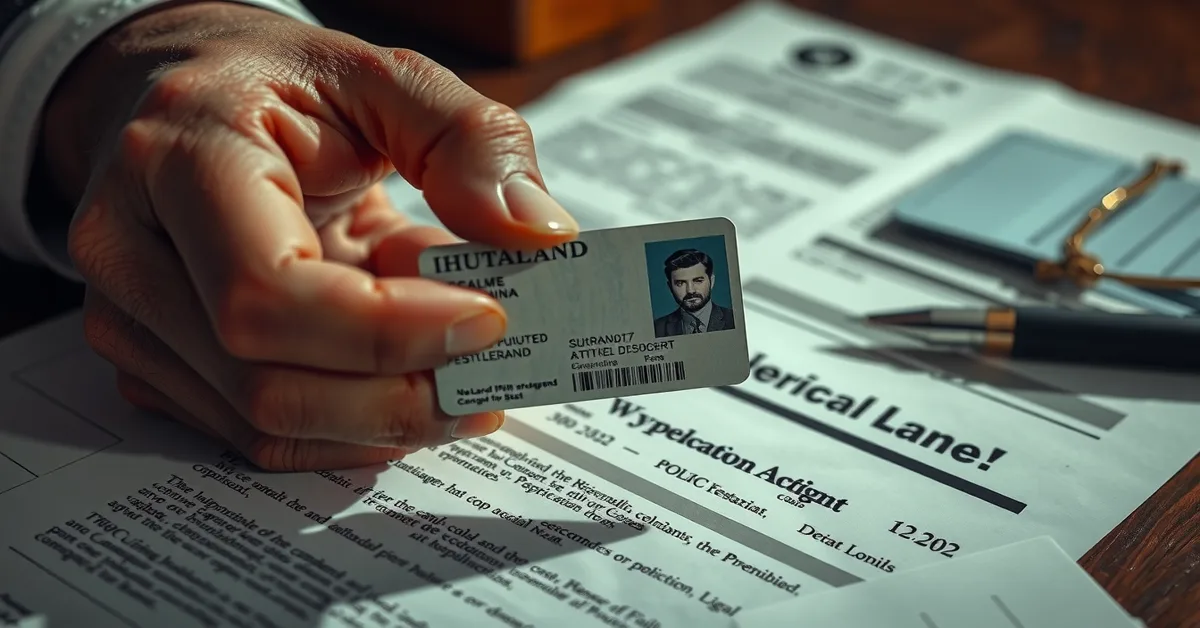
It feels like everyone has an opinion on this, but facts matter more than feelings here. I’ve seen too many people get into avoidable trouble just because they assumed the rules were simple. They aren’t. Knowing exactly where you stand legally gives you a kind of confidence that money can’t buy. It changes how you walk down the street. Real power comes from understanding the game before you have to play it.
You Can’t Afford to Be Uninformed
Ignorance might seem like bliss until you are standing on the side of the road confused. The legal system doesn’t pause to teach you the rules during a traffic stop or detention. If you don’t know your rights, you effectively don’t have them. It sounds harsh, but it is the reality we live in. Being unaware of specific state statutes puts a target on your back that you can’t even see. You have to be smarter than the system designed to catch you slipping.
Understanding the Risks Can Keep You Safe
Think of this knowledge like a seatbelt for your civil liberties. You don’t plan on crashing, but you wouldn’t drive without buckling up first. Understanding when an officer can demand your papers protects you from escalating a minor situation into a major arrest. It stops you from accidentally waiving rights you didn’t know you had. Safety isn’t just about physical protection; it is about legal insulation too.
Imagine a simple misunderstanding turning into a night in jail just because you panicked. It happens more than you think. When you know the specific “stop and identify” laws in your state, you stay calm. You know if you are required to speak or if you can remain silent. That confidence de-escalates tension immediately. Your best defense against an overzealous authority figure is a clear, calm understanding of the law. It keeps you in control when things get tense.
Don’t You Want to Be Prepared?
Nobody likes being caught off guard or feeling helpless in a confrontation. Being prepared means you aren’t scrambling for answers when the pressure is on. It means you have your ID ready when needed, or you know when to politely decline. It is about shifting from a passive victim to an informed citizen. Preparation is the only variable you can actually control in these unpredictable encounters. Why wouldn’t you want that edge?
This isn’t about being paranoid or expecting the worst every time you leave your house. It is about having a plan. You carry an umbrella when it looks like rain, don’t you? Carrying the right ID and knowing the local statutes is just another form of weather-proofing your life. You safeguard your future by taking small, smart steps today. Don’t wait until you are in handcuffs to wish you had read the fine print.
Real-Life Scenarios: What Happens When You Don’t Have ID?
Theoretical laws are fine until you’re actually standing there empty-handed. Imagine you just ran out for milk and get stopped. You might think stating your rights is a magic shield, but think again. In the real world, not having that plastic card can escalate simple situations into hours of detention. It turns a five-minute check into a full-blown background investigation. Officers might not arrest you immediately, but they can hold you until they figure out who you are. Is proving a point worth spending an afternoon in the back of a squad car?
Let’s Talk About Traffic Stops
If you are behind the wheel, there is no debate here. Driving without a physical license is a crime in every single state. But it gets tricky if you are just the passenger. Police often pressure everyone in the car to show ID during a stop. While you might legally refuse in some places, officers can make your life miserable if they suspect you of a crime. Don’t assume being a passenger grants you total immunity. If the driver gets arrested, you might be left stranded on the roadside without ID.
What Happens at the Airport?
You’ve probably heard you can’t fly without ID, but that’s actually a myth. The TSA has a secret process for people who lose their wallets. You can still fly, but be ready for a massive interrogation. They will ask personal questions to verify your identity through public databases. It is stressful, invasive, and takes forever. If you can’t answer correctly, you are not getting on that plane.
Once you pass the identity quiz, the ordeal isn’t over. You face the highest level of security screening available. Agents will pat you down thoroughly and search every inch of your carry-on luggage. They test for explosives and inspect electronics while you watch. It is humiliating and slow. And if you are running late? You will almost certainly miss your flight while they tear your bag apart. So yes, you can fly, but the hassle is punishing.
Voting – Could You Be Turned Away?
This is where state lines really matter. Thirty-six states now enforce some form of voter ID law. If you show up empty-handed in strict states like Georgia or Wisconsin, you can’t cast a regular ballot. You might get a provisional one, but it won’t count unless you return with ID later. Your voice is effectively silenced until you prove who you are. Even in lenient states, a lack of ID can trigger challenges from poll watchers.
Don’t bank on the provisional ballot saving you. It creates a “cure period” where you must trek to a county office within days to show proof. Most people never go back, so their vote gets tossed in the trash. Even in states with looser rules, poll workers can challenge your identity if signatures don’t match perfectly. Without ID to back you up, you are at the mercy of a volunteer’s judgment. Why risk your fundamental right over a forgotten wallet?
The Impact of Technical Changes on ID Laws

Technology moves faster than legislation, and that gap creates a messy gray area for you. You might think your plastic card is the final word, but states are quietly testing digital waters. It’s confusing. To understand the baseline of how we got here, it helps to ask What’s the Deal With Photo ID Laws? before entering into the digital deep end. Old rules are colliding with new tech right now. And if you aren’t paying attention to these updates, you might get caught on the wrong side of a glitch.
What’s New in ID Technology?
Forget fumbling through your wallet. Several states like Arizona, Colorado, and Maryland now let you keep a digital license right on your smartphone. It sounds convenient. But it’s not just about apps. We are seeing a rise in biometric data collection too. Facial recognition is becoming part of the verification process. This isn’t science fiction anymore. It’s happening at airports and government buildings today. So, your face might be your new ID card sooner than you expect.
Is There a Future Without Physical IDs?
You might dream of leaving the house with just a phone. That reality is creeping closer. However, don’t shred your plastic card yet. Most police officers still demand physical proof during traffic stops. The technology exists to go fully digital, but the legal framework lags behind. It’s a weird limbo. You have the tech in your pocket, but the law often demands the plastic in your hand. Relying on just an app is a gamble you shouldn’t take yet.
Relying solely on a digital wallet is actually pretty risky right now. What happens if your battery dies during a traffic stop? You are technically driving without a license in hand. That is a ticket waiting to happen. Plus, handing your unlocked phone to an officer opens a privacy can of worms. You effectively give them access to your entire digital life just to show a license. Privacy experts warn about this constantly. Until laws explicitly protect your phone’s data during ID checks, carrying physical plastic remains the smartest move for your own safety.
How Do These Changes Affect You?
This shift isn’t just about convenience; it changes your legal exposure. Digital IDs create a digital trail. Every time you scan that app, a record might be created. Your movements could become easier to track than ever before. It flips the script on anonymity. You need to decide if the ease of use is worth the potential loss of privacy. The convenience comes with a hidden price tag.
Think about the data trail you leave behind. When you flash a plastic card at a bar, no server logs the timestamp or location. But digital verifications are different. They can ping a central database. Suddenly, the state knows exactly where and when you proved your identity. This data could theoretically be used against you in legal disputes or investigations later. It adds a layer of surveillance to mundane activities like buying age-restricted items. You aren’t just showing ID anymore; you are checking in.
Expert Opinions: What Legal Pros Want You to Know
What Do Lawyers Say About ID Requirements?
Most defense attorneys will tell you that talking to police without ID is a gamble you probably shouldn’t take. They see cases constantly where a simple “consensual encounter” turns into a detention because someone couldn’t prove who they were on the spot. It’s messy. Legal experts emphasize that while you have rights, asserting them on the street is much harder than in a courtroom. Carrying identification often de-escalates situations before they spiral out of control. It shouldn’t be that way, but that’s the harsh reality on the ground.
Is There Room for Change in the Laws?
Legislators aren’t exactly rushing to clarify these murky statutes. Most changes actually come from expensive lawsuits rather than new bills passed in statehouses. When a citizen gets arrested for standing their ground, appeals courts sometimes step in to define the limits. But relying on a court ruling to save you is expensive and incredibly risky. The legal landscape shifts slowly, often leaving you stuck navigating the gray areas for years without clear guidance.
You might think the Supreme Court settled this, but they really just left it up to individual states to decide. That’s why a short drive across state lines changes your legal obligations entirely. Reformers argue this patchwork system traps innocent people who are just trying to go about their day. They want clear standards so you aren’t guessing if you’re a criminal just for walking your dog. Until that happens, your local state code is the only rulebook that matters. It creates a confusing mess where your geography dictates your rights.
How Can Advocates Help Improve Awareness?
Civil rights groups are fighting back by handing out “know your rights” cards in at-risk communities. They aren’t waiting for the government to educate you. These advocates run workshops to teach exactly what to say – and what not to say – during a stop. Knowledge is your best shield against unlawful police overreach. They push for transparency because keeping you in the dark benefits the system, not the citizen.
Technology is changing the game here, too. Apps now exist that let you record interactions and upload them instantly to legal aid organizations. This forces accountability. Advocates say that when you hold a camera, the power dynamic shifts slightly in your favor. Documenting these interactions exposes how often ID laws are misused to harass everyday people. It turns a “he said, she said” argument into hard evidence that lawyers can actually use to defend you.
Understanding How ID Laws Relate to Civil Rights
Isn’t It Your Right to Travel Freely?
Imagine walking down the street to grab a coffee and getting stopped just for being there. The Supreme Court has long held that citizens have a right to travel between states, but local ID statutes often muddy these waters significantly. You might assume walking or riding a passenger train is anonymous, but “stop and identify” laws can effectively criminalize your movement without that plastic card. It feels like a contradiction, doesn’t it? While you technically don’t need papers to cross state lines, local enforcement creates a reality where freedom of movement often comes with a caveat: show us your papers.
How Do ID Laws Affect Marginalized Communities?
A friend of mine was detained for hours simply because his wallet was at home during a morning jog. It happens way more than you’d think. Studies consistently show that minority groups are disproportionately asked for identification during routine stops compared to others. If you look a certain way or live in a specific zip code, the demand for ID isn’t just a formality – it’s often a tool for profiling. This isn’t just about inconvenience. For many, a simple request for ID escalates rapidly into a life-altering legal encounter.
The numbers paint a grim picture when you dig into the data. In some jurisdictions, Black and Latino pedestrians are stopped at rates three times higher than white residents. When these stops happen, the inability to produce an ID often serves as a pretext for a search or an arrest for “failure to comply.” It creates a cycle where poverty effectively becomes criminalized because obtaining a state ID costs money and time that not everyone has. You have to ask yourself if safety is really the goal here, or if these laws are just widening the gap between different classes of citizens.
Why is This Discussion So Important Now?
We are living through a massive shift in surveillance technology that makes your physical ID just one piece of the puzzle. With facial recognition cameras popping up in major cities, your face is becoming your ID whether you consent or not. States are simultaneously tightening voting requirements and digitizing driver’s licenses. This means the laws on the books are colliding with tech that tracks your every move. It’s not just about carrying a card anymore. It is about how your identity is weaponized against you in a digital age.
Legislatures across the country are quietly pushing bills that could mandate digital IDs for accessing social media or even the internet. If you think the current “stop and identify” laws are confusing, just wait until your digital footprint is legally tied to your government status. We are standing on a precipice where anonymity is disappearing faster than laws can protect it. Unless you understand these shifts today, you won’t be prepared for the restrictions coming tomorrow. Ignorance here isn’t just risky – it is practically an invitation for the state to overstep its boundaries into your private life.
To wrap up
Following this, staying ahead of shifting regulations is the only way to protect yourself. Seriously, state statutes change fast. You don’t want to be the one caught off guard by a technicality. See the shocking update on how 25 States Now Require Your ID Online (It’s Already … affecting millions. It’s messy out there. So keep your head on a swivel and your papers ready.
FAQ
Q: Is it actually illegal to leave my house without an ID?
A: With all the viral videos of police encounters lately, everyone is asking this same question. Generally speaking, you aren’t required by federal law to carry ID just to walk down the street. It sounds simple enough – but state laws complicate things fast.
Some states have specific “stop and identify” statutes that kick in under certain conditions. So while walking the dog isn’t a crime, your reaction to a police stop matters.
If an officer has “reasonable suspicion” that you committed a crime, the rules change instantly.
You need to know if your state demands you identify yourself during these stops. States hide this secret in complex legal codes most people never read. Don’t assume you are safe just because you aren’t driving.
Q: What exactly are “Stop and Identify” statutes?
A: These are laws that exist in about half of the states in the U.S. They basically say you must provide your name or ID if police lawfully detain you. It’s not a request you can just ignore.
But here is the catch.
Police usually need that “reasonable suspicion” we mentioned before they can force you to talk. If you are in a “stop and identify” state, staying silent about your identity could get you arrested.
It creates a scary legal trap for the uninformed. You might think you’re exercising rights, but you could be breaking the law. Always check the specific ID laws where you live.
Q: Can I get in trouble for refusing to show ID if I’m not driving?
A: This is where things get really murky for the average citizen. If you are driving, you absolutely must show a license upon request. No arguments there.
But if you are a passenger or a pedestrian, it depends heavily on the context. In many places, you can refuse if there is no probable cause or suspicion of a crime.
However, police might use your refusal to escalate the situation.
They might claim your refusal is “obstruction of justice” or “resisting an officer.” It happens more often than you think. Is protecting your privacy worth a night in jail to fight the charge later?
Q: Does a photo on my phone count as a valid legal ID?
A: We use our phones for everything now, so it feels natural to store your ID there too. But don’t get too comfortable with that idea just yet. Most police departments and government agencies do not accept a photo of an ID.
A few states are rolling out official digital IDs, but adoption is slow. Relying on a screenshot is a risky move that could leave you stranded.
Plus, handing your unlocked phone to an officer opens up a whole other can of worms regarding privacy.
You definitely don’t want to give law enforcement access to your entire digital life just to prove who you are.
Q: Do these ID laws apply to me if I am visiting another state?
A: Absolutely, and this is how many travelers get caught off guard during vacations. You are subject to the laws of the state you are physically standing in. Your home state’s rules don’t travel with you.
You might live in a state where you never have to identify yourself. Then you visit a state with strict “stop and identify” statutes.
Ignorance of local law is never a valid defense in court.
So before you pack your bags, do a quick check on the local laws. It could save you from a massive headache or an unexpected fine.
Q: What if I am not a U.S. citizen?
A: The stakes are significantly higher for you, and the margin for error is basically zero. Federal law typically requires non-citizens, including green card holders, to carry registration documents at all times.
Failing to produce these documents can lead to federal misdemeanor charges. It is not just a simple ticket like a traffic violation.
This is a serious legal risk that affects your ability to stay in the country.
If you fall into this category, never leave home without your proper documentation. The consequences are just too severe to gamble with.
Q: How can I find out if my state has these secret ID laws?
A: It’s crazy that this information isn’t taught in schools or posted on billboards. You usually have to dig for it yourself. Start by searching for “stop and identify states” online to see a current map.
But don’t just trust the first blog you see. Look for legal resources or government websites specific to your location.
Laws change, and court rulings shift the ground constantly.
Knowing the specific statute number for your state gives you power during an encounter. Knowledge is your best shield against unlawful detention or accidental arrest.

About the author


Understanding Allodial Titles, Land Patents, and Their Legal Implications
In property rights and land ownership, the concepts of allodial titles and land patents hold significant legal weight. These terms are often used in discussions related to the protection of property rights, land ownership, and the interplay between various areas of law such as the Uniform Commercial Code, contract law, constitutional law, and statutory law. In this in-depth blog post, we will explore into the intricacies of allodial titles and land patents, exploring their definitions, legal implications, and dispelling common myths and misconceptions associated with them. Key Takeaways: Allodial Titles Explained: An allodial title represents the highest form of land ownership, granting the owner absolute and unburdened ownership of the property, free from any encumbrances, liens, or taxes imposed by external parties. Land Patents and Their Legal Implications: A land patent is a legal document issued by the government that […]

Outsmart the System: Top Legal Strategies You Need to Know
Understanding the Legal Landscape While the legal system may seem intimidating, grasping its core concepts can empower you to navigate its complexities effectively. Understanding this landscape is vital for anyone looking to outsmart the system and optimize their legal strategies. Whether you’re seeking legal hacks for small businesses or tips on how to use legal loopholes to your advantage, recognizing the different legal frameworks at play can be crucial in making informed decisions. Overview of Legal Systems An understanding of the various legal systems is pivotal for recognizing your rights and obligations. Legal frameworks can vary significantly from one country to another, with common systems including civil law, common law, and religious law. Each system has its own structure, offering unique legal strategies and challenges. For example, in a common law system, previous judicial decisions can influence future cases, allowing […]

Ilataza Ban Yasharahla EL’s Public Records Request for Elyria Board of Education
24-0001492: Ilataza Ban Yasharahla EL's Public Records Request for Elyria Board of Education. All Rights Expressly Reserved and Retained. https://nationalnoticerecord.com/elyria-boe-members-required-to-follow-rulings https://nationalnoticerecord.com/is-elyria-school-board-bound-by-ohio-courts https://nationalnoticerecord.com/understanding-the-oath-of-office-legal-obligations-and-consequences

Ohio Legalizing Recreation Marijuana Use May Hurt Dispensaries in Monroe, Michigan
In recent years, the movement to legalize marijuana for adult recreational use has gained significant momentum across the United States. Ohio, a state long synonymous with conservative values, has also embraced this shift in public opinion. With the passing of Ohio Issue 2 and the Ohio Home Grow Bill, the state has joined the ranks of those allowing the recreational use of marijuana. This blog post will delve into the pros and cons of Ohio's legalization, as well as the potential implications for marijuana dispensaries in Monroe, Michigan, which previously benefited from Ohio buyers crossing state lines. https://www.youtube.com/watch?v=0KRzqZ8dUwc Pros of Ohio's Recreational Marijuana Legalization 1. Economic Boost: Legalizing recreational marijuana in Ohio has the potential to generate substantial economic benefits for the state. The marijuana industry has proven to be a lucrative market, with tax revenue and job creation being […]

The Etymology of “Bey” EXPOSED
TURN UP YOUR VOLUME & PRESS PLAY Have you ever wondered what the true origin and meaning of "Bey" is? We've been told that it means "Governor", "Law Enforcer", Chief, etc. But, what if that's incorrect? What if we've been using the "title", "Bey", incorrectly? FILL OUT THE FORM TO GET STARTED First Name: Last Name: Phone Number: Email: I agree to receive email updates and promotions. Submit

Are You A “Colored Person”?
Tune in as we dissect the term "person of color", exposing how its PURPOSELY steeped in plausibility, DECEPTION, and used as a weapon.

We’ve Been FORCED to Make Some Changes
Due to receiving so many tasks that our work has become more tedious, we've been forced to make some changes at National Notice Record.

Gas Go Express Food Mart Unjust Enrichment Via Debit Card Surcharge Fees
https://www.youtube.com/watch?v=eJknhtE9JEI In this video, I talk about a consumer experience I had while shopping at Gas Go Express Food Mart Gas Station, located at 237 Lake Avenue, Elyria, Ohio. On November 24, 2021, I made a purchase for 4 taxable items at the location. Each item was $0.99 per. With taxes, it came up to $4.26. As I got ready to place my debit card into the card reader, the Gas Go Express Food Mart clerk immediately added a $.50 debit card surcharge fee. As a common practice, some merchants/stores add a surcharge to your total purchase amount when you spend less than $5 or $10 when using a credit/debit card to process the payment. Being a merchant myself, I know that Master Card, Visa, Discover, and some of the other financial institutions have a strict policy that states that […]

States Hide This Secret: ID Laws Every Citizen Must Know
There's a weird comfort in thinking you know your rights until a cop stops you. You walk out the door assuming you're free to roam, but state statutes are actually a legal minefield waiting to trip you up. It's scary. So, do you really need that plastic card just to walk down the street? Sometimes yes. Since the Justice Department Has Demanded Voter Files from at ... least 21 states, we know the government is watching closely. You could be risking fines just by existing in public without papers. Key Takeaways: Ever assume the rules are the same everywhere you go? They definitely aren't. There isn't a single federal law forcing you to hold plastic. Instead, you face a messy patchwork of state-level ID requirements. So what applies in Ohio might get you in trouble in Texas. States hide this […]

DOJ Criticized: Too Tough or Too Soft on Hate Crimes?
Most days you just want to know if your family is actually safer when the DOJ steps into hate crime cases, right? You're stuck hearing that hate crimes are climbing, yet you also hear arguments that federal prosecutors are either swinging too hard or barely swinging at all, so how are you supposed to feel confident in your rights? And when you see bias attacks exploding across race, religion, and identity, you can't help asking yourself: is your Justice Department protecting you... or leaving you hanging? Key Takeaways: Are You Willing To Question How Safe Your Rights Really Are? Hate crime reports keep climbing, yet DOJ prosecutions lag, sparking fear that bias violence is outrunning federal accountability. Civil rights groups say DOJ goes soft, declining clear hate cases and leaving victims asking, "Who actually has our backs?" Civil liberties advocates […]

The Ugly Truth: Political Correctness vs Your Free Speech
Truth is, nearly 60% of Americans already feel they can't say what they really think in public, and you know why. You're watching political correctness creep into your job, your church, your kids' schools, quietly telling you what you're “allowed” to say. That's not respect, that's soft censorship. So ask yourself, if you have to second-guess every word, are you actually free, or just carefully managed? Key Takeaways: Is political correctness quietly turning your God-given right to speak into a permission slip controlled by elites? When you self-censor to avoid punishment, haven't they already taken more of your liberty than any statute could? Every time “offensive” words get punished, doesn't the boundary of what's allowed tighten around your throat? If truth needs protection from open debate, are we protecting people or just protecting the narrative from you? Ask yourself: will […]
The Hidden Loophole Letting Congress Dodge the Constitution
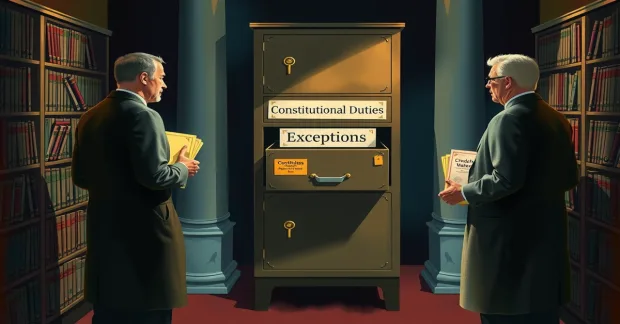
Congress has quietly shifted lawmaking to unelected bodies, and he, she, and they must ask: who governs when faceless agencies write binding rules? This informative overview explains how the delegation loophole lets lawmakers dodge the Constitution while preserving political cover, and it outlines how advocates can push to reclaim legislative power and constitutional accountability. Key Takeaways: Who's really writing the rules that shape your rights? — Congress increasingly delegates lawmaking to agencies, letting unelected officials issue binding regulations that affect daily life. Is delegation sharing power or abandoning it? — The Constitution vests legislative power in Congress; widespread delegation has turned policy-making into agency-driven rulemaking. How did the courts enable this transfer? — The “intelligible principle” doctrine lets statutes authorize broad agency action with minimal guidance, creating a legal escape hatch for lawmakers. Feel the accountability gap? — Delegation lets […]

The Fifth Amendment Loophole Police Don’t Want You to Know
As you consider your rights, you may think that staying silent is a foolproof way to protect yourself, but what if your silence could be used against you? You need to understand that invoking your Fifth Amendment right isn't as simple as just staying quiet, and not knowing the loophole could cost you your freedom. Can you afford to remain uninformed about the potential consequences of your silence, or will you take the necessary steps to protect yourself? Key Takeaways: Are you aware that your silence can be used against you in a court of law, even if you think you're protected by the Fifth Amendment? What if staying silent could actually hurt you, rather than help you? Do you know that the Fifth Amendment loophole allows prosecutors to interpret your silence as evidence of guilt, unless you explicitly invoke […]

Is Gun Registration a Step Toward Confiscation?
It's your right at stake when gun registration moves from recordkeeping to control. Ask yourself: Is registration about safety or seizure? History shows registration often precedes restrictions and sometimes confiscation. You must weigh your privacy against promised safety and expanding governmental access. Stay informed, demand limits, protect your freedom. Key Takeaways: Registration risks creating searchable owner databases — could local records become a national registry? History shows registration often precedes restrictions, bans, and forced buybacks. Who accesses your firearm records — law enforcement, federal agencies, or hackers? If criminals won't register, why should law‑abiding owners surrender privacy and control? State-level registries can be combined de facto into a federal database with data sharing. Registration ties names to serial numbers — is that permission or a path to prohibition? Protect anonymity: fight registrations that enable tracking, seizure, or bureaucratic permission slips. […]
Related
DOJ Criticized: Too Tough or Too Soft on Hate Crimes?
Most days you just want to know if your family is actually safer when the DOJ steps into hate crime cases, right? You're stuck hearing that hate crimes are climbing, yet you also hear arguments that federal prosecutors are either swinging too hard or barely swinging at all, so how are you supposed to feel confident in your rights? And when you see bias attacks exploding across race, religion, and identity, you can't help asking yourself: is your Justice Department protecting you... or leaving you hanging? Key Takeaways: Are You Willing To Question How Safe Your Rights Really Are? Hate crime reports keep climbing, yet DOJ prosecutions lag, sparking fear that bias violence is outrunning federal accountability. Civil rights groups say DOJ goes soft, declining clear hate cases and leaving victims asking, "Who actually has our backs?" Civil liberties advocates […]
The Ugly Truth: Political Correctness vs Your Free Speech
Truth is, nearly 60% of Americans already feel they can't say what they really think in public, and you know why. You're watching political correctness creep into your job, your church, your kids' schools, quietly telling you what you're “allowed” to say. That's not respect, that's soft censorship. So ask yourself, if you have to second-guess every word, are you actually free, or just carefully managed? Key Takeaways: Is political correctness quietly turning your God-given right to speak into a permission slip controlled by elites? When you self-censor to avoid punishment, haven't they already taken more of your liberty than any statute could? Every time “offensive” words get punished, doesn't the boundary of what's allowed tighten around your throat? If truth needs protection from open debate, are we protecting people or just protecting the narrative from you? Ask yourself: will […]
The Hidden Loophole Letting Congress Dodge the Constitution
Congress has quietly shifted lawmaking to unelected bodies, and he, she, and they must ask: who governs when faceless agencies write binding rules? This informative overview explains how the delegation loophole lets lawmakers dodge the Constitution while preserving political cover, and it outlines how advocates can push to reclaim legislative power and constitutional accountability. Key Takeaways: Who's really writing the rules that shape your rights? — Congress increasingly delegates lawmaking to agencies, letting unelected officials issue binding regulations that affect daily life. Is delegation sharing power or abandoning it? — The Constitution vests legislative power in Congress; widespread delegation has turned policy-making into agency-driven rulemaking. How did the courts enable this transfer? — The “intelligible principle” doctrine lets statutes authorize broad agency action with minimal guidance, creating a legal escape hatch for lawmakers. Feel the accountability gap? — Delegation lets […]
The Fifth Amendment Loophole Police Don’t Want You to Know
As you consider your rights, you may think that staying silent is a foolproof way to protect yourself, but what if your silence could be used against you? You need to understand that invoking your Fifth Amendment right isn't as simple as just staying quiet, and not knowing the loophole could cost you your freedom. Can you afford to remain uninformed about the potential consequences of your silence, or will you take the necessary steps to protect yourself? Key Takeaways: Are you aware that your silence can be used against you in a court of law, even if you think you're protected by the Fifth Amendment? What if staying silent could actually hurt you, rather than help you? Do you know that the Fifth Amendment loophole allows prosecutors to interpret your silence as evidence of guilt, unless you explicitly invoke […]
Is Gun Registration a Step Toward Confiscation?
It's your right at stake when gun registration moves from recordkeeping to control. Ask yourself: Is registration about safety or seizure? History shows registration often precedes restrictions and sometimes confiscation. You must weigh your privacy against promised safety and expanding governmental access. Stay informed, demand limits, protect your freedom. Key Takeaways: Registration risks creating searchable owner databases — could local records become a national registry? History shows registration often precedes restrictions, bans, and forced buybacks. Who accesses your firearm records — law enforcement, federal agencies, or hackers? If criminals won't register, why should law‑abiding owners surrender privacy and control? State-level registries can be combined de facto into a federal database with data sharing. Registration ties names to serial numbers — is that permission or a path to prohibition? Protect anonymity: fight registrations that enable tracking, seizure, or bureaucratic permission slips. […]

You Won’t Believe What Rights Prisoners Really Lose
Prisoners face systematic erosion of constitutional protections the moment they are confined. They often lose voting rights, privacy, and access to adequate medical care. Shocking legal shields like the Prison Litigation Reform Act and qualified immunity block accountability. Ask yourself: what if the Constitution quietly stops protecting the imprisoned? This brief primer reveals dangerous gaps and paths for reform. Key Takeaways: What if the Constitution stops protecting incarcerated people the moment prison bars close? Prison officials use vague "security" rules to curtail First Amendment rights. Fourth Amendment privacy nearly vanishes; cells, bodies, and mail face warrantless searches. Eighth and Fourteenth protections are weakened by "deliberate indifference" and minimal due process. PLRA, qualified immunity, and loss of voting or family contact make accountability rare. The Historical Context of Prisoners' Rights Law and policy have swung between reform and retrenchment since the […]