


In today’s interconnected world, the spread of false information can be swift and devastating. Whether it’s a malicious tweet, a defamatory blog post, or a damaging Facebook comment, online defamation can wreak havoc on your personal and professional life. Understanding how to handle a slanderous attack legally is crucial in protecting your reputation and seeking justice.

Defamation and Social Media: The Modern Battleground
Social media platforms have become the new battleground for defamation. With the click of a button, false statements can reach thousands, if not millions, of people. This rapid dissemination can cause significant harm to one’s reputation, making it essential to understand the legal landscape of defamation and social media.
Defamation of Character: Understanding the Basics
Defamation of character involves making false statements that harm someone’s reputation. It can be categorized into two types:
- Slander: Spoken defamation.
- Libel: Written or published defamation.
Both forms can cause significant harm, but the legal strategies to combat them can vary.
Defamation Laws and Regulations: Navigating the Legal Landscape
Defamation laws and regulations vary by jurisdiction, but generally, the plaintiff must prove that the statement was false, made with at least negligence, and caused harm. Understanding these laws is crucial for anyone looking to pursue a defamation lawsuit.
What is Defamation?
Defamation is a false statement presented as a fact that injures a party’s reputation. It can be categorized into two types:
- Slander: Spoken defamation.
- Libel: Written or published defamation.
Both forms can cause significant harm, but the legal strategies to combat them can vary.
Examples of Defamation: Real-World Scenarios
- Online Defamation Examples: A blogger falsely accuses a business of illegal activities, leading to a loss of customers.
- Defamation in the Workplace: An employee spreads rumors about a colleague’s incompetence, resulting in job termination.
- Celebrity Defamation Cases: A tabloid publishes untrue stories about a celebrity’s personal life, damaging their public image.
The Danger of Slander
Slander can be particularly insidious because it spreads quickly through word of mouth and social media. The emotional distress caused by slander can be profound, affecting mental health and personal relationships.
Slander My Name Meaning: The Impact on Identity
When someone slanders your name, it can feel like an attack on your very identity. The impact can be both personal and professional, leading to a loss of trust and credibility.
Defamation and Mental Health: Emotional Distress and Recovery
The stress and anxiety caused by defamation can take a toll on mental health. Seeking support from mental health professionals and legal advisors can help manage the emotional impact.
Defamation and Business Reputation: Financial and Professional Consequences
For businesses, defamation can lead to lost revenue and a damaged brand. Legal action and proactive reputation management are essential to mitigate the impact.
Steps to Take After Being Defamed
- Document the Defamation: Collect evidence of the defamatory statements, including screenshots, recordings, and witness testimonies.
- Legal Advice Defamation: Consult a defamation attorney to understand your legal options and the strength of your case.
- Cease and Desist Letter for Defamation: This formal notice demands the defamer to stop making false statements and can serve as a precursor to legal action.
- Defamation Lawsuit Process: If the defamer does not comply, you may need to file a lawsuit to seek damages and clear your name.
Legal Actions for Defamation of Character
- Defamation Lawsuit Cost: Financial Considerations
- Defamation Lawsuit Timeline: What to Expect
- Defamation Damages and Compensation: Seeking Justice
- Defamation Defense Strategies: Protecting Your Rights
Defamation Law in the United States
Defamation laws vary by state, but generally, the plaintiff must prove:
- The statement was false.
- The statement was made with at least negligence.
- The statement caused harm.
Understanding Defamation Laws by State: Regional Variations
Different states have different defamation laws and regulations. It’s essential to understand the specific laws in your state to navigate the legal landscape effectively.
Defamation and the First Amendment: Balancing Free Speech and Protection
While freedom of speech is a fundamental right, it does not protect defamatory statements. Courts must balance this right with the need to protect individuals from false and damaging statements.
Defamation and Privacy Laws: Protecting Personal Information
Defamation intersects with privacy laws, especially when false statements involve private matters. Understanding these laws can help navigate the legal landscape and protect your rights.
Hiring a Defamation Attorney
A specialized attorney can provide invaluable guidance, from gathering evidence to representing you in court. They can also help navigate the complexities of defamation law and increase your chances of a favorable outcome.
Defamation Lawyer Consultation: Finding the Right Legal Help
Consulting a defamation lawyer is a crucial step in handling a defamation case. They can provide expert advice and help you understand your legal options.
Defamation Case Examples: Learning from Precedents
Studying past defamation cases can provide valuable insights into how courts handle these matters and what strategies have been successful.
Defamation Lawsuit Outcomes: Potential Results
The outcomes of defamation lawsuits can vary widely, from financial compensation to public apologies. Understanding the potential results can help set realistic expectations.
Defamation Defense Strategies
Defendants in defamation cases can use several defenses, including:
- Truth: Proving the statement was true.
- Opinion: Demonstrating the statement was an opinion, not a fact.
- Privilege: Showing the statement was made in a protected context, such as during a legal proceeding.
Truth as a Defense: Proving the Facts
One of the most effective defenses against defamation is proving that the statement in question is true. Truth is an absolute defense in defamation cases.
Opinion vs. Fact: Distinguishing Statements
Courts often distinguish between statements of fact and opinion. Opinions, even if harmful, are generally protected under free speech laws, while false statements of fact can be defamatory.
Privilege in Defamation: Legal Protections
Certain statements made in specific contexts, such as during legal proceedings or in government reports, are protected by privilege and cannot be considered defamatory.
Impact of Defamation on Personal and Professional Life
Defamation can lead to job loss, damaged relationships, and severe emotional distress. It can also tarnish a business’s reputation, leading to financial losses and a decline in customer trust.
Defamation and Public Figures: Higher Standards of Proof
Public figures often face higher thresholds for proving defamation, needing to show actual malice. This standard protects free speech while allowing public figures to seek redress for false statements.
Defamation and Public Opinion: Shaping Perceptions
Public opinion can be significantly influenced by defamatory statements. Understanding how to manage and counteract these perceptions is crucial in a defamation case.
Defamation and Media: Responsible Reporting
Media outlets must balance reporting news with avoiding defamatory statements. Journalistic standards and legal guidelines help ensure responsible reporting.
How to Handle Online Defamation
- Report the Content: Use the platform’s reporting tools to flag defamatory content.
- Reputation Management Services: These services can help mitigate the damage and restore your online image.
- Legal Action for Online Defamation: In severe cases, legal action may be necessary to remove the content and seek damages.
Defamation and Social Media: Legal Boundaries
Social media platforms can amplify defamatory statements, making it essential to act quickly. Legal actions can include requesting the platform to remove the content and pursuing the defamer directly.
Defamation and False Statements: Identifying Lies
Identifying and proving false statements is a critical part of any defamation case. This involves gathering evidence and presenting it effectively in court.
Defamation and Reputation Management: Restoring Your Image
Reputation management services can help rebuild your online presence and counteract the negative impact of defamation. These services use various strategies to restore your reputation.
Defamation in the Workplace
Workplace defamation can lead to a toxic environment and career setbacks. Employers should have clear policies and procedures to address defamation and protect employees.
Defamation and Insults: Addressing Harmful Remarks
Addressing insults and defamatory remarks in the workplace is crucial for maintaining a healthy work environment. Legal action may be necessary in severe cases.

Defamation and Business Reputation: Protecting Your Brand
For businesses, defamation can lead to lost revenue and a damaged brand. Legal action and proactive reputation management are essential to mitigate the impact.
Defamation and Employment Law: Workplace Protections
Employment law provides various protections against defamation in the workplace. Understanding these laws can help employees and employers navigate defamation issues.
Celebrity Defamation Cases
High-profile defamation cases involving celebrities often make headlines. These cases highlight the balance between freedom of speech and protecting one’s reputation.
High-Profile Defamation Lawsuits: Lessons from the Stars
Celebrity defamation cases can provide valuable lessons for handling defamation. These cases often involve complex legal issues and significant public interest.
Defamation and Public Figures: Legal Challenges
Public figures face unique challenges in defamation cases, including higher standards of proof and increased public scrutiny. Understanding these challenges is crucial for anyone involved in a defamation case.
Defamation and Media Coverage: Navigating Publicity
Media coverage can amplify the impact of defamation. Navigating this publicity requires careful legal and public relations strategies.
Defamation and Freedom of Speech
While freedom of speech is a fundamental right, it does not protect defamatory statements. Courts must balance this right with the need to protect individuals from false and damaging statements.
Legal Notice for Defamation
A legal notice for defamation serves as a formal warning to the defamer, demanding that they cease making false statements and retract any defamatory content. This notice can be a crucial step in resolving the issue without resorting to litigation.
Cease and Desist Letter for Defamation: Stopping the Spread
A cease and desist letter is a powerful tool in defamation cases. It formally requests the defamer to stop making false statements and can serve as evidence if the case proceeds to court. This letter often includes:
- A detailed account of the defamatory statements.
- A demand for retraction and cessation.
- A warning of potential legal action if the defamer does not comply.
Defamation and the First Amendment: Legal Limits
While the First Amendment protects free speech, it does not shield defamatory statements. Courts must balance this right with the need to protect individuals from false and damaging statements. Understanding these legal limits is crucial for both plaintiffs and defendants in defamation cases.
How to Clear Your Name After Defamation
Clearing your name after defamation involves several steps:
- Public Statement: Issue a public statement to refute the false claims.
- Legal Victory: A successful lawsuit can help restore your reputation and provide a sense of justice.
- Reputation Management: Engage professionals to rebuild your online presence and counteract the negative impact.
Public Statement: Addressing the False Claims
Issuing a public statement can be an effective way to address false claims and set the record straight. This statement should be clear, concise, and factual, directly addressing the defamatory statements.
Legal Victory: Restoring Your Reputation
Winning a defamation lawsuit can significantly restore your reputation. It not only provides financial compensation but also serves as a public vindication of your character.
Reputation Management: Professional Strategies
Reputation management services can help rebuild your online presence and counteract the negative impact of defamation. These services use various strategies, including search engine optimization, content creation, and social media management, to restore your reputation.
Defamation and Mental Health: Emotional Distress and Recovery
The stress and anxiety caused by defamation can take a toll on mental health. Seeking support from mental health professionals and legal advisors can help manage the emotional impact. Therapy and counseling can provide coping mechanisms and support during this challenging time.
Emotional Distress: Coping Mechanisms
Coping with the emotional distress caused by defamation involves seeking support from friends, family, and mental health professionals. Developing healthy coping mechanisms, such as mindfulness and stress management techniques, can also be beneficial.
Mental Health Support: Seeking Help
Seeking help from mental health professionals can provide valuable support and guidance. Therapy and counseling can help manage the emotional impact of defamation and provide strategies for recovery.
Defamation and Therapy: Healing from Harm
Therapy can play a crucial role in healing from the harm caused by defamation. It provides a safe space to process emotions, develop coping strategies, and work towards recovery.
Defamation and Business Reputation: Protecting Your Brand
For businesses, defamation can lead to lost revenue and a damaged brand. Legal action and proactive reputation management are essential to mitigate the impact. Businesses should have clear policies and procedures to address defamation and protect their reputation.
Defamation and Financial Loss: Calculating Damages
Calculating the financial loss caused by defamation involves assessing the impact on revenue, customer trust, and brand reputation. This assessment can help determine the appropriate compensation in a defamation lawsuit.
Defamation and Customer Trust: Rebuilding Relationships
Rebuilding customer trust after defamation involves transparent communication, addressing the false claims, and demonstrating a commitment to quality and integrity. Engaging with customers and addressing their concerns can help restore trust.
Defamation and Brand Management: Long-Term Strategies
Long-term strategies for managing a brand after defamation include proactive reputation management, transparent communication, and continuous engagement with customers. These strategies can help rebuild and maintain a positive brand image.
Defamation and Public Figures: Higher Standards of Proof
Public figures often face higher thresholds for proving defamation, needing to show actual malice. This standard protects free speech while allowing public figures to seek redress for false statements. Understanding these challenges is crucial for anyone involved in a defamation case.
Actual Malice Standard: Proving Intent
Proving actual malice involves demonstrating that the defamer knew the statement was false or acted with reckless disregard for the truth. This higher standard of proof applies to public figures and is designed to protect free speech.
Defamation and Public Scrutiny: Handling Criticism
Public figures often face intense scrutiny and criticism. Handling this scrutiny involves understanding the legal standards for defamation and developing strategies to address false statements and protect one’s reputation.
Defamation and Legal Precedents: Influential Cases
Studying influential defamation cases can provide valuable insights into how courts handle these matters and what strategies have been successful. These cases often set important legal precedents that can impact future defamation lawsuits.
Defamation and Privacy Laws: Protecting Personal Information
Defamation intersects with privacy laws, especially when false statements involve private matters. Understanding these laws can help navigate the legal landscape and protect your rights. Privacy laws provide additional protections against the spread of false and damaging information.
Defamation and Confidentiality: Protecting Private Information
Protecting private information involves understanding the legal boundaries of defamation and privacy laws. This includes knowing what information is protected and how to address breaches of confidentiality.
Defamation and Legal Boundaries: Understanding Your Rights
Understanding your rights under defamation and privacy laws is crucial for protecting your reputation. This involves knowing the legal standards for defamation, the protections provided by privacy laws, and the steps to take if your rights are violated.
Defamation and Personal Privacy: Navigating Legal Challenges
Navigating the legal challenges of defamation and personal privacy involves understanding the intersection of these laws and developing strategies to protect your rights. This includes seeking legal advice and taking appropriate legal action when necessary.
Defamation and Media: Responsible Reporting
Media outlets must balance reporting news with avoiding defamatory statements. Journalistic standards and legal guidelines help ensure responsible reporting. Understanding these standards is crucial for both journalists and individuals seeking to protect their reputation.
Journalistic Standards: Ethical Reporting
Ethical reporting involves adhering to journalistic standards that prioritize accuracy, fairness, and integrity. These standards help prevent the spread of false and defamatory information.
Defamation and News Outlets: Legal Responsibilities
News outlets have legal responsibilities to avoid defamatory statements and ensure accurate reporting. Understanding these responsibilities can help individuals and businesses address defamation in the media.
Defamation and Public Interest: Balancing Rights
Balancing the public interest with the need to protect individuals from defamation involves understanding the legal standards for defamation and the protections provided by free speech laws. This balance is crucial for maintaining a fair and just legal system.
Conclusion
Defamation can have far-reaching consequences, but understanding your legal rights and options can help you navigate this challenging situation. Whether you’re dealing with online defamation, workplace slander, or false statements in the media, taking prompt and decisive action is crucial. By documenting the defamation, seeking legal advice, and pursuing appropriate legal actions, you can protect your reputation and seek justice.
If you find yourself a victim of defamation, don’t hesitate to consult a defamation attorney to explore your options and take the necessary steps to defend your character and reputation. Additionally, “The Citizen Attorney: A Complete Manual for Self-Represented Litigants on How to File and Represent Yourself in Any State Court Civil Litigation in the 50 States of the U.S.” can be an invaluable resource for those looking to sue for slander on their own behalf. This comprehensive guide provides step-by-step instructions and legal insights to help you navigate the complexities of defamation law and protect your rights.


About the author


Understanding Allodial Titles, Land Patents, and Their Legal Implications
In property rights and land ownership, the concepts of allodial titles and land patents hold significant legal weight. These terms are often used in discussions related to the protection of property rights, land ownership, and the interplay between various areas of law such as the Uniform Commercial Code, contract law, constitutional law, and statutory law. In this in-depth blog post, we will explore into the intricacies of allodial titles and land patents, exploring their definitions, legal implications, and dispelling common myths and misconceptions associated with them. Key Takeaways: Allodial Titles Explained: An allodial title represents the highest form of land ownership, granting the owner absolute and unburdened ownership of the property, free from any encumbrances, liens, or taxes imposed by external parties. Land Patents and Their Legal Implications: A land patent is a legal document issued by the government that […]

Outsmart the System: Top Legal Strategies You Need to Know
Understanding the Legal Landscape While the legal system may seem intimidating, grasping its core concepts can empower you to navigate its complexities effectively. Understanding this landscape is vital for anyone looking to outsmart the system and optimize their legal strategies. Whether you’re seeking legal hacks for small businesses or tips on how to use legal loopholes to your advantage, recognizing the different legal frameworks at play can be crucial in making informed decisions. Overview of Legal Systems An understanding of the various legal systems is pivotal for recognizing your rights and obligations. Legal frameworks can vary significantly from one country to another, with common systems including civil law, common law, and religious law. Each system has its own structure, offering unique legal strategies and challenges. For example, in a common law system, previous judicial decisions can influence future cases, allowing […]

Ilataza Ban Yasharahla EL’s Public Records Request for Elyria Board of Education
24-0001492: Ilataza Ban Yasharahla EL's Public Records Request for Elyria Board of Education. All Rights Expressly Reserved and Retained. https://nationalnoticerecord.com/elyria-boe-members-required-to-follow-rulings https://nationalnoticerecord.com/is-elyria-school-board-bound-by-ohio-courts https://nationalnoticerecord.com/understanding-the-oath-of-office-legal-obligations-and-consequences

Ohio Legalizing Recreation Marijuana Use May Hurt Dispensaries in Monroe, Michigan
In recent years, the movement to legalize marijuana for adult recreational use has gained significant momentum across the United States. Ohio, a state long synonymous with conservative values, has also embraced this shift in public opinion. With the passing of Ohio Issue 2 and the Ohio Home Grow Bill, the state has joined the ranks of those allowing the recreational use of marijuana. This blog post will delve into the pros and cons of Ohio's legalization, as well as the potential implications for marijuana dispensaries in Monroe, Michigan, which previously benefited from Ohio buyers crossing state lines. https://www.youtube.com/watch?v=0KRzqZ8dUwc Pros of Ohio's Recreational Marijuana Legalization 1. Economic Boost: Legalizing recreational marijuana in Ohio has the potential to generate substantial economic benefits for the state. The marijuana industry has proven to be a lucrative market, with tax revenue and job creation being […]

The Etymology of “Bey” EXPOSED
TURN UP YOUR VOLUME & PRESS PLAY Have you ever wondered what the true origin and meaning of "Bey" is? We've been told that it means "Governor", "Law Enforcer", Chief, etc. But, what if that's incorrect? What if we've been using the "title", "Bey", incorrectly? FILL OUT THE FORM TO GET STARTED First Name: Last Name: Phone Number: Email: I agree to receive email updates and promotions. Submit
Are You A “Colored Person”?
Tune in as we dissect the term "person of color", exposing how its PURPOSELY steeped in plausibility, DECEPTION, and used as a weapon.

We’ve Been FORCED to Make Some Changes
Due to receiving so many tasks that our work has become more tedious, we've been forced to make some changes at National Notice Record.

Gas Go Express Food Mart Unjust Enrichment Via Debit Card Surcharge Fees
https://www.youtube.com/watch?v=eJknhtE9JEI In this video, I talk about a consumer experience I had while shopping at Gas Go Express Food Mart Gas Station, located at 237 Lake Avenue, Elyria, Ohio. On November 24, 2021, I made a purchase for 4 taxable items at the location. Each item was $0.99 per. With taxes, it came up to $4.26. As I got ready to place my debit card into the card reader, the Gas Go Express Food Mart clerk immediately added a $.50 debit card surcharge fee. As a common practice, some merchants/stores add a surcharge to your total purchase amount when you spend less than $5 or $10 when using a credit/debit card to process the payment. Being a merchant myself, I know that Master Card, Visa, Discover, and some of the other financial institutions have a strict policy that states that […]

UCC Secrets: The Code That Owns Your Daily Life
UCC is everywhere, shaping your financial reality. You might not realize it, but the Uniform Commercial Code governs your daily life. This code dictates how your assets are handled, often without your explicit understanding. You need to know these secrets. Key Takeaways: You know, most folks think they're playing by "Civil Law" rules, but the truth is, the Uniform Commercial Code (UCC) is the real silent puppet master pulling the strings of daily life. It's not just some obscure legal jargon; it's the very foundation of our commercial world. That "Corporate Personhood" stuff in the UCC isn't just for big companies; it's about the "Strawman" created with your birth certificate. This legal fiction might be the key to understanding why your identity feels like a perfected security interest. UCC 1-308, that "without prejudice" phrase, it's not a magic spell, but […]
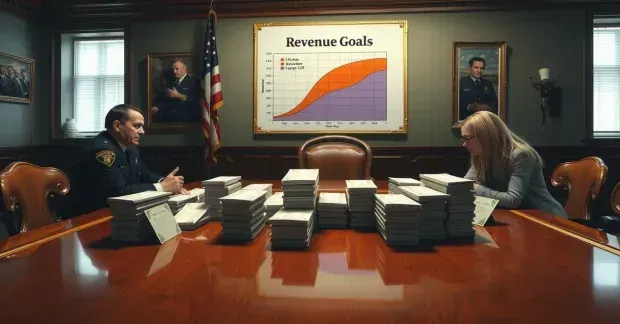
What If Traffic Tickets Are Just Municipal Profit Schemes?
The Great Harvesting: Why Traffic Tickets are Municipal Profit Schemes I. What If Traffic Tickets Were Never About Safety? What if everything you’ve been told about traffic tickets is wrong? What if traffic enforcement has quietly shifted from “public safety” to public revenue? This shift transforms ordinary citizens into municipal ATMs. You are not being “protected” on the road. Instead, you are being harvested. This is happening algorithmically, administratively, and unconstitutionally. For decades, Americans accepted traffic tickets as routine. But here is the question almost no one asks. Are traffic tickets unconstitutional? Is this a cleverly disguised municipal profit scheme? These municipal corporations depend on fines. They need them like businesses depend on sales. There is a massive rise in public distrust today. People ask: “Are traffic tickets unconstitutional revenue streams?” This is an explosive search trend across all major […]
Service Providers Are Hiding Fees-and It’s NOT Legal
Many of you have likely felt the sting of unexpected charges on your bills. You signed a contract, yet the total is higher than expected. This isn't just annoying; it's often illegal. You deserve to know every cost upfront. Are you tired of feeling cheated by hidden fees? Key Takeaways: * Does that bill make your stomach drop? Hidden fees are a sneaky strategy, not an accident, making your monthly charges mysteriously higher than expected.* Are they playing fair with your money? Companies often use vague terms like “service fees” or “administrative costs” to mask charges you never agreed to.* Is this even legal? No, concealing fees violates consumer protection laws, making it deceptive and unfair to you.* Why did they hide it from you? Businesses exploit emotions, getting you to commit before revealing the costly details in fine print.* […]

The Hidden Truth: You Don’t Own Your Smartphone Data
Wait, I bought the phone but not the data? Let's talk about that You paid good money for your smartphone, right? It's sitting in your hand. But here's the kicker: that purchase only covered the hardware. The personal data your device generates, that's a whole different ballgame. You don't own it. The big myth that your data belongs to you Many people assume their data is automatically theirs. This is a dangerous misconception. When you hit "agree" on those terms, you often sign away control. Your digital life becomes a commodity. How phone companies turned your privacy into a cash cow Think about the sheer volume of data your phone collects. Phone companies saw this goldmine early on. They built entire business models around harvesting your information, turning your digital footsteps into pure profit. Companies track your calls, texts, and […]

Do Background Checks Align With the Constitution’s Intent?
Let's Be Real: Are Background Checks Actually Constitutional? Some folks point to court decisions, like the U.S. Supreme Court Holds that Constitutional Privacy ... ruling, as proof background checks are fine. They say the courts have consistently allowed these checks, seeing them as reasonable limits on rights. You might wonder, does that make them truly constitutional in spirit? Are we just accepting them because the courts say so, or do we really feel they align with our foundational freedoms? This isn't just about legality; it's about what feels right for a free people. My take on whether they're unconstitutional by design or just abuse Picture this: The government wants to know everything about you before you can do anything. That feels pretty intrusive, doesn't it? Background checks, when they dig too deep, start to feel like they're designed to make […]

Is Forced Hospitalization Legal Without a Court Order?
It's a frightening thought, isn't it? The idea that someone could take your freedom without a judge's order. You might wonder, can a hospital really hold you against your will without court intervention? This isn't just a legal question; it's about your most basic rights. Could this happen to you? Key Takeaways: * Your fundamental liberties are at risk from involuntary psychiatric holds. Imagine losing your freedom without a judge's order.* Forced hospitalization often occurs without court oversight, raising serious due process concerns. Should a doctor's opinion outweigh your rights?* State laws permit temporary detention, but this doesn't guarantee lawful confinement. Are you truly safe from unlawful medical detention?* The definition of "danger to self or others" is alarmingly subjective. Could a misunderstanding strip you of your freedom?* Many fear forced hospitalization can be weaponized by others. What if a […]
Related
UCC Secrets: The Code That Owns Your Daily Life
UCC is everywhere, shaping your financial reality. You might not realize it, but the Uniform Commercial Code governs your daily life. This code dictates how your assets are handled, often without your explicit understanding. You need to know these secrets. Key Takeaways: You know, most folks think they're playing by "Civil Law" rules, but the truth is, the Uniform Commercial Code (UCC) is the real silent puppet master pulling the strings of daily life. It's not just some obscure legal jargon; it's the very foundation of our commercial world. That "Corporate Personhood" stuff in the UCC isn't just for big companies; it's about the "Strawman" created with your birth certificate. This legal fiction might be the key to understanding why your identity feels like a perfected security interest. UCC 1-308, that "without prejudice" phrase, it's not a magic spell, but […]
What If Traffic Tickets Are Just Municipal Profit Schemes?
The Great Harvesting: Why Traffic Tickets are Municipal Profit Schemes I. What If Traffic Tickets Were Never About Safety? What if everything you’ve been told about traffic tickets is wrong? What if traffic enforcement has quietly shifted from “public safety” to public revenue? This shift transforms ordinary citizens into municipal ATMs. You are not being “protected” on the road. Instead, you are being harvested. This is happening algorithmically, administratively, and unconstitutionally. For decades, Americans accepted traffic tickets as routine. But here is the question almost no one asks. Are traffic tickets unconstitutional? Is this a cleverly disguised municipal profit scheme? These municipal corporations depend on fines. They need them like businesses depend on sales. There is a massive rise in public distrust today. People ask: “Are traffic tickets unconstitutional revenue streams?” This is an explosive search trend across all major […]
Service Providers Are Hiding Fees-and It’s NOT Legal
Many of you have likely felt the sting of unexpected charges on your bills. You signed a contract, yet the total is higher than expected. This isn't just annoying; it's often illegal. You deserve to know every cost upfront. Are you tired of feeling cheated by hidden fees? Key Takeaways: * Does that bill make your stomach drop? Hidden fees are a sneaky strategy, not an accident, making your monthly charges mysteriously higher than expected.* Are they playing fair with your money? Companies often use vague terms like “service fees” or “administrative costs” to mask charges you never agreed to.* Is this even legal? No, concealing fees violates consumer protection laws, making it deceptive and unfair to you.* Why did they hide it from you? Businesses exploit emotions, getting you to commit before revealing the costly details in fine print.* […]
The Hidden Truth: You Don’t Own Your Smartphone Data
Wait, I bought the phone but not the data? Let's talk about that You paid good money for your smartphone, right? It's sitting in your hand. But here's the kicker: that purchase only covered the hardware. The personal data your device generates, that's a whole different ballgame. You don't own it. The big myth that your data belongs to you Many people assume their data is automatically theirs. This is a dangerous misconception. When you hit "agree" on those terms, you often sign away control. Your digital life becomes a commodity. How phone companies turned your privacy into a cash cow Think about the sheer volume of data your phone collects. Phone companies saw this goldmine early on. They built entire business models around harvesting your information, turning your digital footsteps into pure profit. Companies track your calls, texts, and […]
Do Background Checks Align With the Constitution’s Intent?
Let's Be Real: Are Background Checks Actually Constitutional? Some folks point to court decisions, like the U.S. Supreme Court Holds that Constitutional Privacy ... ruling, as proof background checks are fine. They say the courts have consistently allowed these checks, seeing them as reasonable limits on rights. You might wonder, does that make them truly constitutional in spirit? Are we just accepting them because the courts say so, or do we really feel they align with our foundational freedoms? This isn't just about legality; it's about what feels right for a free people. My take on whether they're unconstitutional by design or just abuse Picture this: The government wants to know everything about you before you can do anything. That feels pretty intrusive, doesn't it? Background checks, when they dig too deep, start to feel like they're designed to make […]
Is Forced Hospitalization Legal Without a Court Order?
It's a frightening thought, isn't it? The idea that someone could take your freedom without a judge's order. You might wonder, can a hospital really hold you against your will without court intervention? This isn't just a legal question; it's about your most basic rights. Could this happen to you? Key Takeaways: * Your fundamental liberties are at risk from involuntary psychiatric holds. Imagine losing your freedom without a judge's order.* Forced hospitalization often occurs without court oversight, raising serious due process concerns. Should a doctor's opinion outweigh your rights?* State laws permit temporary detention, but this doesn't guarantee lawful confinement. Are you truly safe from unlawful medical detention?* The definition of "danger to self or others" is alarmingly subjective. Could a misunderstanding strip you of your freedom?* Many fear forced hospitalization can be weaponized by others. What if a […]