

Churches packed a gym last week for a candidate forum, and your pastor leaned in and named names. You’re fired up, or terrified – which is it for you? This could jeopardize your church’s 501(c)(3) status, cost donors deductions, and invite IRS scrutiny, so you need practical steps now. But there are defenses, legal strategies and practical steps to protect your pulpit.
Key Takeaways:
- This matters to you because a church’s tax status affects donations, community programs, and your privacy.
Lose 501(c)(3) and funding dries up, reputations tank, and programs vanish. - The Johnson Amendment still bars churches from endorsing candidates.
That law can mean audits, fines, and loss of tax benefits.
Feels like gagging the pulpit, right? - The IRS‘s enforcement is patchy and unpredictable.
Some churches get warnings, others get nothing.
That creates fear – yet defiance grows. - Single sermon lines, social posts, or donations can trigger violations.
Consequences include revocation, back taxes, and donor deduction loss.
It can ruin ministries overnight.
Worth the risk? - Some pastors are testing limits, choosing conscience over caution.
They’re betting courts will side with religious speech.
That gamble could win big or destroy a congregation. - This fight isn’t just tax code – it’s about who controls moral voice in public life.
Supreme Court rulings could change everything.
Big stakes, big drama. - Churches face a stark choice: speak and risk their status, or stay silent and lose influence.
Either way, faith communities are being forced to pick sides.
Neutrality is no longer safe.
The Faith-Politics Tango: What’s Really Going On Here?
Many assume this is just partisan theater – it’s far messier. Since the 1954 Johnson Amendment, the IRS technically bars partisan endorsements by 501(c)(3) groups, yet enforcement is inconsistent. You see pastors testing the limits, courts nudging definitions, and congregations split. The result is a raw tug-of-war where free speech, faith, and tax risk collide, and your decision to speak could carry heavy legal and financial consequences.
Are Pulpits Turning Into Political Stages?
Many think pulpits stay strictly apolitical. Instead, in states like Ohio, California, Indiana, and West Virginia you’ve seen pastors publicly endorse candidates, hand out voter guides, and host partisan assemblies. You can spot church pages amplifying campaigns or directing congregants’ choices. That behavior brings real legal danger – audits, investigations, and jeopardy to your church’s 501(c)(3) status.
How Did We Get Here? A Quick History of Faith and Politics
Don’t assume this fusion is brand-new. The 1954 Johnson Amendment drew a legal line, but movements like the 1979 Moral Majority tied pulpits to politics, and televangelists amplified that link in the 1980s. You end up with decades of precedent, activism, and blurred boundaries that make enforcement murky and risk unpredictable.
If you think enforcement has been uniform, you’re wrong. IRS scrutiny is selective, and some high-profile churches face warnings while others avoid audits entirely. Televangelists and political ministries in the 1980s and 1990s shifted expectations, and social media after 2010 exploded local influence. Now you get a patchwork of outcomes depending on media attention, state politics, and legal pressure, so policy, precedent, and politics together shape whether your church faces penalties.
My Thoughts on the Mix of Religion and Politics
Don’t assume the mix is either wholly wrong or wholly fine. My take is pragmatic: you should protect your spiritual mission while avoiding needless legal exposure. Speak to moral issues, yes, but steer clear of explicit candidate endorsements if you want to safeguard your 501(c)(3). That balance preserves your ministry and keeps your voice in the long run.
Some think legal caution equals cowardice – it doesn’t. If you want political impact, form a separate political committee or nonprofit to accept campaign funds. Keep church resources and payroll out of campaigns, document decisions, and get written legal counsel before major moves. Those steps lower the chance you or your donors face back taxes, loss of deductions, or a revoked tax-exempt status.
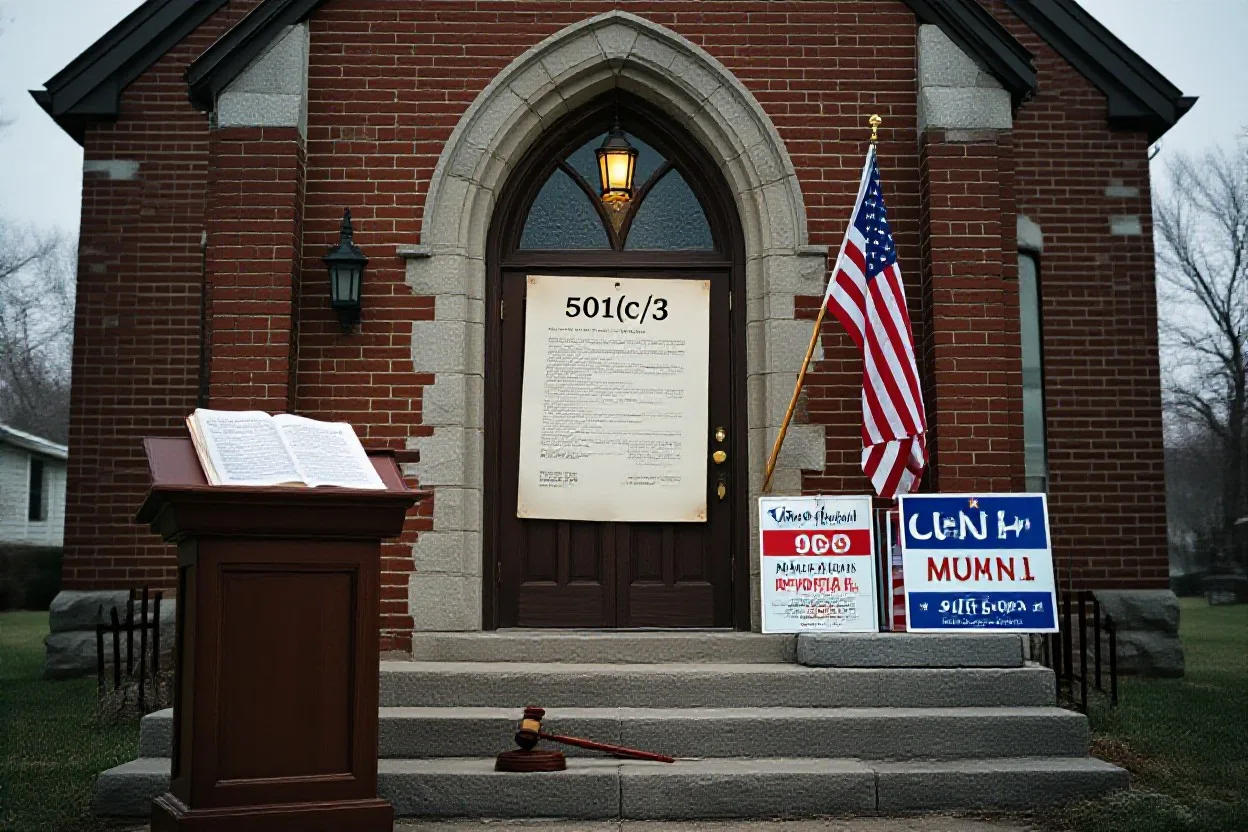
501(c)(3): What Even Is That and Why Should You Care?
Ever wondered why a little IRS code line can sink a church’s finances? Section 501(c)(3) gives nonprofits, including churches, tax-exempt status and lets donors claim charitable deductions. The Johnson Amendment, passed in 1954, bars partisan campaign intervention and can trigger revocation, back taxes, and audits. If you lead a congregation, that status shapes budgets, payroll, property rules, and donor behavior – mess with it and you risk severe financial fallout.
The Basics: What’s a 501(c)(3) Anyway?
Ever wondered what that 501(c)(3) label actually does for you? It signals IRS-approved tax-exempt status for charities, religious groups, and educational nonprofits. Donors get deductions, the group pays no federal income tax, and filings are limited but required. But you must avoid partisan campaigning or you risk penalties.
Why This Status Matters for Churches Today
What does staying inside 501(c)(3) actually mean for your church’s survival? It preserves donor deductions, shields income from federal tax, and keeps grants flowing. Lose it, and you face back taxes, donors losing tax benefits, and steep audit costs.
How expensive can losing 501(c)(3) get for your congregation? In places like Ohio, California, Indiana, and West Virginia pastors have openly endorsed candidates. Some churches faced IRS warnings and audits after public endorsements. A revocation can strip donor deductions, impose back taxes, and scare off major givers – that’s not hypothetical, it’s real risk for many congregations.
Can Losing It Really Mean the End for Some Churches?
Could a lost 501(c)(3) actually close your doors? Yes – for small congregations that rely on tax-advantaged donations and property exemptions. Larger churches may survive, but they’ll face donations dips and legal bills. And public scandal after an audit can erode trust fast.
What exactly would you pay if your exemption’s revoked? You could owe back taxes and penalties, lose foundation grants, and face years of audits. Donor incentives vanish, prompting some congregations to report giving drops and membership declines. The bottom line: for many small churches, revocation isn’t just painful – it can be fatal.
The IRS and Churches: A Love-Hate Relationship?
This matters to you because your church’s finances and voice could be at stake. What if your pastor names a candidate in a sermon? Section 501(c)(3) and the Johnson Amendment (1954) still set the rules. Enforcement can mean loss of 501(c)(3) status, back taxes, and frozen donor deductions, so you can’t treat this like a minor risk.
The Unwritten Rules of the IRS and Churches
You should act like the IRS is watching, because sometimes it is. Don’t use church funds, official channels, or the pulpit to endorse a candidate. Keep voter education neutral, separate personal politics from church activities, and document events. These unwritten habits often protect you from audits and legal fights.
What Happens if You Cross the Line?
Cross the line and consequences follow fast. The IRS can revoke your tax-exempt status and levy back taxes. Donors lose deductions and audits can drain time and money.
Enforcement usually starts with a complaint or a high-profile media report. The IRS may issue warnings, demand corrective action, or pursue revocation. High-profile cases have involved churches backing candidates, hosting campaign events, or funneling funds to partisan groups. If you’re found noncompliant you could face financial penalties and serious reputational damage.
Is the IRS Really Watching Churches? The Uncertainty Game
Short answer – sometimes. Enforcement is patchy and driven by complaints, political pressure, and limited resources. You may never hear from the IRS, or you might get a full audit. Welcome to selective enforcement.
Triggers matter. Complaints from opponents, public endorsements, or coordinated campaign ties often prompt investigations. The IRS also watches money flows – large political donations or transfers raise red flags. So when you’re tempted to test the limits, know that a single complaint can end your tax benefits and spark a costly review.
The Johnson Amendment: How It Changed Everything
Enacted in 1954, the Johnson Amendment bars 501(c)(3) groups from endorsing or opposing political candidates. If your church crosses that line you risk loss of tax-exempt status, audits, and donor deduction losses. That single sentence in the tax code reshaped church behavior for generations, and now you’re left weighing conscience against compliance.
So, What’s the Big Deal About This Law Anyway?
The IRS says even nonpartisan voter guides can trigger scrutiny when language slips into endorsement. You might think a sermon about values is safe, but wording matters. A court case or audit could cost millions and drive donors away, so you need to pick your words and actions carefully.
Is It Time to Say Bye-Bye to the Johnson Amendment?
Multiple congressional bills and presidential statements since 2015 have pushed to limit or repeal the Johnson Amendment. You feel the pressure if your pastor wants to speak freely from the pulpit. But legal experts warn repeal would spark costly litigation and create unpredictable outcomes for your congregation.
Since 2017, executive actions and state measures have tried to shield religious speech from IRS penalties. You can point to faith-based legal groups funding challenges and lobbying campaigns. Still, the statute stands and courts haven’t issued a definitive reversal yet. So if your church bets on repeal you’re taking a real risk that could hit your finances and reputation.
Are Churches Defying This Law Left and Right?
Pastors in Ohio, California, Indiana, and West Virginia have openly endorsed candidates from church pulpits. You see voter guides, endorsements, and social posts pushing names and positions. The IRS response has been patchy, creating a risky patchwork for congregations trying to chart a course.
Some churches have faced IRS inquiries and public complaints, while others remain untouched. You should know audits often hinge on complaints, tip-offs, or viral posts. Consequences range from warnings to revocation and back tax bills for donors and the church. So if your congregation pushes politics you’re playing with fire.
The Thin Line Between Endorsement and Outspokenness
This matters to you because a single sermon could trigger an audit and cost your church its 501(c)(3). The line between preaching truth and illegal endorsement is razor-thin. Since the Johnson Amendment of 1954 the IRS forbids campaign intervention by tax-exempt churches. You need clear, practical rules to stay safe.
What Counts as Endorsing a Candidate?
This matters to you because knowing what crosses the line prevents disaster. Saying “vote for” or “don’t vote for” a named candidate is a plain endorsement. Other red flags include distributing slates, using church funds for campaigns, or posting partisan praise on your official page. Even symbolic acts can tip the balance.
Sermons or Campaign Speeches? Let’s Break It Down
This matters to you because sermons aren’t immune from campaign rules. If you explicitly urge people to vote a certain way, that’s campaigning. Courts look at intent, content, and context when deciding cases. Pastors in Ohio, California, Indiana, and West Virginia have pushed this gray area.
Check three practical markers: explicit call to vote, use of church resources, and timing near elections. If two or more markers are present the IRS may flag your activity. You can still teach about moral issues, but avoid naming candidates or steering votes.
The Consequences: Churches That Got Burned
This matters to you because the penalties can be severe and costly. The worst outcomes include revocation of tax-exempt status and hefty back taxes. Donors lose deductions and congregations face audits and legal bills. Some churches got IRS warnings or probes after public endorsements.
Think about long-term damage: lost donor trust and multimillion-dollar tax liabilities. Even a forced restitution claim can cripple small congregations. You need preventive policies and documentation to defend against audits.
Why Are Some Churches Taking the Risk?
Compared to a generation ago, churches are far bolder politically. You see pastors naming candidates, hosting voter nights, and using church pages to mobilize voters. Section 501(c)(3) has barred endorsements since 1954, yet enforcement is uneven in places like Ohio, California, Indiana, and West Virginia. So some leaders weigh spiritual duty against the real threat of losing their 501(c)(3) status, and they’re willing to test that line.
The “God Over Government” Mentality
Like a moral compass overriding civil law, some pastors preach God over government, and you hear it in fiery sermons. They argue scripture demands public engagement, not quiet compliance, and they frame political choices as spiritual battles. In churches across those four states, leaders have openly backed candidates, citing conscience over code.
They believe faith trumps IRS rules.
Is Congregational Pressure Driving This Boldness?
Compared to lone radicals, congregational pressure often pushes pastors into risky territory. You get members pressing for bold stands, promising louder support or threatening to leave. Pastors hear the crowd and sometimes follow, thinking the flock’s will justifies the gamble. Higher giving and vocal backing can be powerful motivators.
Unlike theoretical pressure, real money and membership shifts change behavior fast. You’ll find congregants offering to cover legal fees or promising to increase tithes if leaders fight the IRS. And when several vocal families demand action, a pastor’s calculus flips – personal risk feels smaller next to promised funding and visible support. This dynamic fuels the bold moves you’re seeing.
The Dark Side: Are Donations Getting Shady?
Unlike transparent tithes, some donations now flow through murky channels to hide political intent. You risk donors losing charitable deductions and churches facing accusations of illegal campaign funding. Reports show cash, outside committees, and third-party groups sometimes muddle the trail.
This could trigger IRS audits and revocations.
Compared to straight offerings, money routed through allied nonprofits or committees raises red flags. You may see donor-advised funds, 501(c)(4)s, or PAC-linked transfers used as pass-throughs. That blurs legal lines, exposes donors to lost deductions, and exposes churches to penalties. If you depend on those gifts, the fallout can be financial and reputational – and fast.
The IRS Oversight: How Serious Is It Really?
Is the IRS actually poised to yank your church’s 501(c)(3) for political sermons? Enforcement is uneven and audits are rare, but the law still forbids endorsements. The IRS position hasn’t changed; read No, Churches Still May Not Endorse Political Candidates.
Why Doesn’t the IRS Go After More Churches?
Why would the IRS start auditing your church en masse? Budget limits and staffing shortages mean fewer audits of your congregation each year. And First Amendment risks plus the threat of heavy political backlash often keep enforcement cautious.
The Catch-22: Fear of Political Backlash
What happens when the IRS enforces the Johnson Amendment against your church? Enforcement invites fierce political backlash, and critics will cry religious persecution. That noise creates legal and PR headaches for the agency.
If the IRS goes after your congregation, you’ll see Congress leap in and hearings follow. The 2013 IRS targeting scandal that hit conservative groups sparked probes and resignations, showing enforcement can backfire badly.
What Could Change if They Start Cracking Down?
What would a serious IRS crackdown mean for your church? You could face revocation of tax-exempt status, steep back taxes, and donors losing deductions. Financial survival would become a real question.
If your exemption gets revoked, your church might owe years of unpaid taxes and penalties. Donations would no longer be deductible and many congregations would see giving drop fast, forcing budget cuts and staff layoffs.
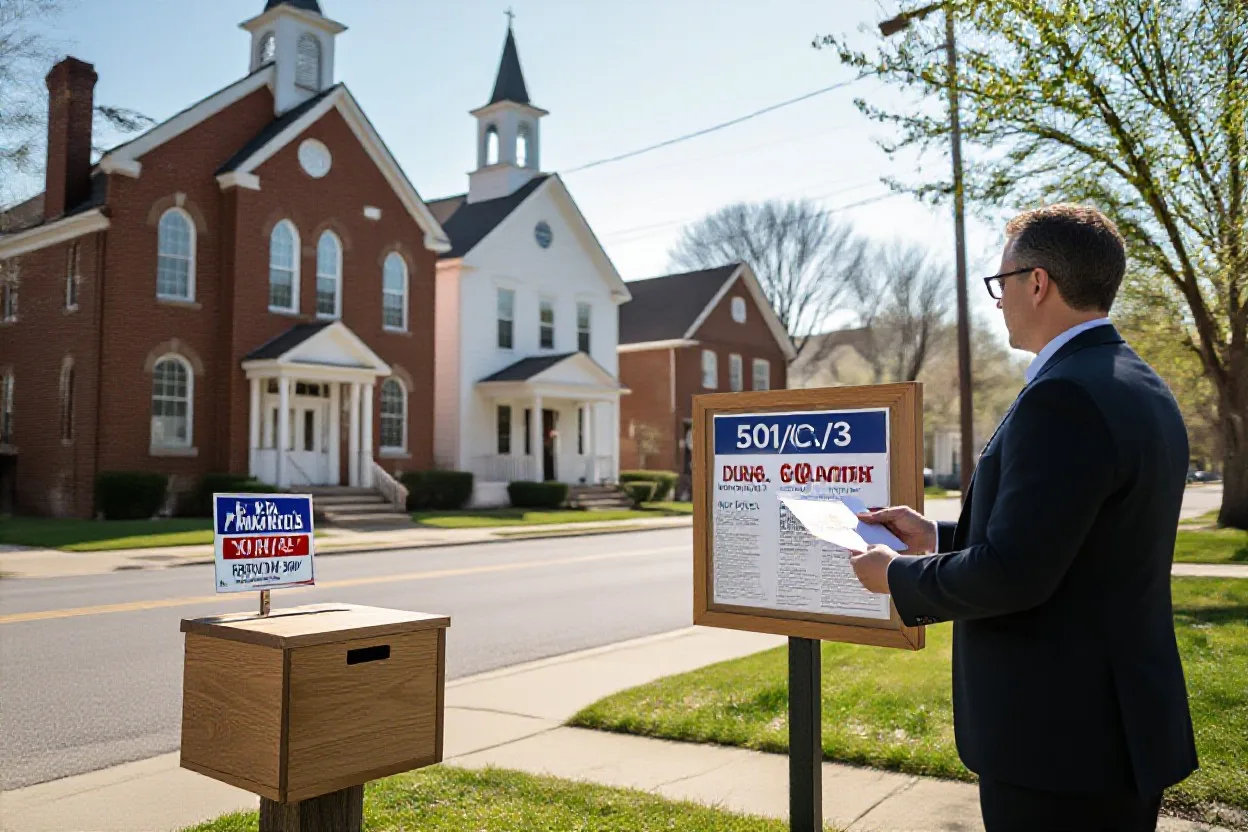
Loopholes Galore: Churches Playing Hide and Seek
Some churches treat political endorsements like hide-and-seek, routing messages through coded sermons and friendly nonprofits. You spot voter guides and guest speakers, but the campaign name rarely appears. And that subtlety can save status for years, until an audit unmasks the scheme. The real risk is not sermons; it’s the invisible trail that leads to loss of 501(c)(3) status.
How Churches Get Creative with Political Speech
You’d be shocked how often sermons double as campaign speeches, framed as moral commentary. Pastors quote candidates, cite policy, and hand out “issue” flyers on election day. So state rules get blurred, and congregants leave the pews with voting instructions. IRS audits often hinge on intent, not words, so subtle tactics matter.
The 501(c)(4) Strategy: Clever or Risky?
You see churches create separate 501(c)(4) arms to run overt political campaigns without risking the church roof. Sounds clever, right, but that move brings its own hazards. Donations to c4s are not tax-deductible, and the IRS watches transfers closely.
Because a c4 must be ‘primarily’ social welfare, the IRS looks at time and money allocation. If political work tops spending or staff time, you risk reclassification and audits. And transfers from your church to its c4 draw special IRS attention. Donors lose deductions, public trust drains fast, and legal bills can skyrocket.
Navigating Social Media: Where’s the Line?
A single retweet from your church page can flag political intervention faster than you think. You post a sermon clip, someone adds campaign captions, and boom – you’re in the crosshairs. Algorithms and shares amplify reach, so what seems minor can become evidence.
In states like Ohio and California pastors used Facebook Live to praise candidates, then cited by investigators. You must archive posts, log political contacts, and train volunteers to avoid chaotic slip-ups. Because shares and paid boosts expand reach, even small posts can trigger IRS investigations.
Free Speech vs IRS Rules: The Debate Is On
Is Regulating Churches an Attack on Freedom?
Many assume IRS enforcement equals an outright attack on your religious freedom. But the reality is messier. You can speak on moral issues. A direct endorsement of a candidate risks revocation of 501(c)(3), audits, and loss of donor deductions. So when you hear the word “attack”, ask who pays the price.
How Serious Is the Legal Push for Change?
Don’t assume the push to change rules is just talk. Courts already have several suits challenging the Johnson Amendment. States like Ohio and West Virginia fed cases into appeals courts, and Congress has floated reform bills in recent years. You’re watching a slow-burning legal fight, not a single headline.
Don’t think these suits are isolated. Litigants use facial and as-applied challenges, and advocates like Alliance Defending Freedom back major cases. If courts narrow enforcement, you’ll see bolder sermons and church-hosted voter guides. If they lose, expect stricter audits and lost exemptions.
What If the Supreme Court Steps In?
Many expect the Supreme Court to automatically side with churches. Past rulings like Hobby Lobby (2014) and Trinity Lutheran (2017) show the Court sometimes favors religious claims. But a ruling that strikes down the Johnson Amendment would upend campaign finance and tax practice. You have to weigh speech freedom against tax protection.
Don’t assume the Court’s decision would be tidy. If the Court rules for churches, expect an immediate uptick in endorsements, donations routed differently, and widespread IRS rulemaking challenges. If the Court upholds the law, the IRS will feel validated and enforcement may spike.
What Do People Really Think About This?
About 50% of Americans say churches should avoid endorsing candidates, according to multiple polls. You feel the split in raw emotion and anger at church pews. Some fear the IRS and losing a 501(c)(3), others cheer a louder pulpit. This debate reshapes donations, attendance, and local fights, and it forces you to pick sides or walk away.
Do Most Americans Want Churches to Stay Out of Politics?
A Pew Research survey found 57% of adults want churches to avoid endorsing candidates. You probably feel that way if you value clear spiritual teaching over partisan noise. Local studies show donations dip when congregations take sides, and that financial hit matters more than sermons.
The Rise of Faith-Based Voting Groups
Over 200 faith-based voting groups now operate nationwide. You see them running voter guides, phone banks, and sermon toolkits. They flip local races and shape agendas in swing counties, and that power makes your pastor a political actor, whether you like it or not.
Faith coalitions reported mobilizing millions in 2020. You feel the pressure when churches become GOTV hubs and policy echo chambers. Groups like Faith and Freedom Coalition and state coalitions coordinate endorsements and turnout efforts that change local governance fast.
Are We Idolizing Politics Over Real Beliefs?
About 40% of regular churchgoers say politics shapes their church experience. You notice sermons slipping from scripture to soundbites. That turns faith into identity politics and risks serious spiritual dilution.
In some congregations, political mentions rose by 20% over five years. You watch elders argue about candidates instead of pastoral care. The cost is clear: erosion of spiritual trust, fractured unity, and a weakened moral voice.
What’s Next? A Look at the Road Ahead
Will the IRS Get Tougher as Politics Heat Up?
Surprisingly, enforcement can swing from silence to sudden audits. You see pastors in Ohio and California openly endorsing candidates, while others get IRS warnings. The Johnson Amendment (1954) still stands in law. But courts and politics keep blurring the line. If you push too far, you risk revocation of 501(c)(3) status and back taxes.
Are Churches Ready to Choose Between Faith and Favor?
Some pastors openly say they’d rather lose tax perks than stay silent. You watch congregations split over sermons that sound like campaign pitches. Financially, the stakes are real: loss of donor deductions and shrinking tithes hit budgets fast. And some leaders face threats of criminal penalties if laws are broken.
Consider mid-size churches with budgets between $200,000 and $800,000. Losing tax-exempt status would raise payroll taxes, trigger audits, and scare off donors. You’d see rapid budget gaps and program cuts within a year. Some congregations already plan political education nights that toe the line – and they know the risks.
Could This Be the Moment for a Big Shift in How We See Faith and Politics?
This moment could flip the script on church political speech. You might soon see courts expand protections for sermons that mention candidates. Or the IRS could tighten enforcement and force costly legal fights. If protected, you’ll gain expanded free speech protections for pulpits. A single Supreme Court ruling could change enforcement nationwide.
Recent lower court rulings and political pressure are already reshaping behavior. In states like Indiana and West Virginia, pastors host voter forums that skirt IRS rules. You should watch key cases and congressional bills this year – they matter. Big shift or harsher clampdown – your church may have to choose quickly.
My Take on the Future of the Pulpit
This matters to you because your congregation’s voice and finances hang in the balance. A single sermon can spark an IRS probe that threatens to strip your church of its 501(c)(3) status. The Johnson Amendment dates to 1954, and pastors in Ohio, California, Indiana and West Virginia are already testing limits. You’ll face legal fights, possible back taxes, and donor fallout. So you need to decide how much risk you’ll accept for the sake of speaking out.
Will It Be a Revival or a Reckoning?
You care because this split decides whether faith fuels civic change or invites federal penalties. Some pastors see a grassroots revival of faith-driven civic action. Others warn of a harsh reckoning with audits, lost deductions, and publicized revocations. Courts have been mixed. The IRS still cites campaign intervention rules. Which path wins will depend on high court rulings and how aggressively the agency enforces the law.
Should Churches Stand Firm or Back Down?
You’re asking the right question when you weigh witness against risk. Churches that stand firm cite First Amendment claims and moral duty. Those that back down point to real consequences: revoked tax status, donor losses, and audits. Some congregations choose civil disobedience and legal defense. Others separate political activity into distinct, non-501(c)(3) entities to avoid exposure. You’ll see both strategies on display.
Digging deeper, you should note the financial math. Losing 501(c)(3) status can trigger back taxes and strip donor deductions, which often drops giving by 10 to 30 percent. Several churches have already received IRS warnings for endorsement-style sermons and partisan voter guides. You can fight in court, but litigation costs pile up fast. Many leaders instead form separate groups or refer politics to parishioners outside official services.
The Ultimate Question: Can You Serve Both God and Government?
You want a clear answer, but the law forces tradeoffs. The Johnson Amendment and IRS guidance bar campaign intervention by tax-exempt churches. Yet religious conviction pushes many pastors into public debate. Can you preach moral truths without naming candidates? Can you lobby for issues while keeping tax benefits? The line is thin, and crossing it risks everything your church relies on.
Practically speaking, you can protect your ministry by separating roles and records. Keep pulpit sermons issue-focused and avoid naming candidates. Use a separate 501(c)(4) or PAC for direct endorsements and political spending. Keep written minutes, receipts, and clear policies to show nonpartisanship in your 501(c)(3) operations. And yes, getting legal counsel early often saves far more than it costs.
To wrap up
Following this Sunday when your pastor pointedly praised a candidate from the pulpit, you felt a chill. You want clarity, you want safety, and you’re desperate for your church to survive. But crossing the Johnson Amendment line risks losing tax status, donor deductions, and years of trust… So what do you do – stay silent and simmer, or speak out and possibly pay the price?
FAQ
Q: What is the Johnson Amendment and how does it affect churches?
A: I remember Pastor Steve reading a candidate’s name in a sermon and the room went silent, people whispering. It felt like holding your breath waiting for fallout.
Johnson Amendment bars 501(c)(3) groups from endorsing or opposing political candidates. That includes churches and ministries.
Violating it risks losing tax-exempt status and donor deductions.
Q: Can a church legally endorse a political candidate and keep its 501(c)(3)?
A: At a county fair a pastor announced support for a mayoral hopeful and phones lit up, messages flew fast. Folks cheered and others fumed.
Short answer: not if you want to keep 501(c)(3) protection. Endorsement equals political intervention under tax rules.
But people still do it – sometimes on purpose, sometimes out of anger or fear.
A church that endorses risks losing 501(c)(3) protection.
Q: What actions count as prohibited “political activity” for churches?
A: One pastor shared a meme about a candidate and later got an IRS letter, and that shook everyone up. It was a tiny post, but it mattered.
Naming a candidate, hosting rallies, donating to campaigns, or urging votes for one side all count as political activity. Social posts can trigger trouble.
Voter guides can cross the line if they clearly favor one candidate or party.
Political activity is broadly defined and often judged case-by-case.
Q: Have IRS rules changed to allow churches to endorse candidates?
A: At a church potluck someone quoted a headline claiming the IRS cleared endorsements, and half the table believed it. Rumors spread fast, like wildfire.
The law itself hasn’t changed. Enforcement, though, is inconsistent and selective across cases.
So don’t assume a lack of audit equals legal safety.
Don’t assume social media rumors equal legal protection.
Q: What are the real consequences if a church violates the rules?
A: A small church in Ohio lost donations after an audit scare and people got angry. Tithes plummeted and trust frayed.
Consequences include revocation, back taxes, loss of donor deductions, and audits. Public scandal can follow and donors may flee.
Financial ruin and reputational damage can last a long time.
Revocation is devastating and often irreversible for churches.
Q: How can churches speak about public issues without risking their tax status?
A: I sat through a voter education night where speakers avoided names and tension stayed low. They stuck to facts, and it worked.
Focus on issue advocacy, not candidates. Teach civic processes, register voters, and provide balanced materials.
Host forums with equal time for all sides. Keep wording neutral and avoid telling people who to vote for.
Stay neutral in wording and equal in access.
Q: Should pastors risk endorsing candidates anyway?
A: Pastor Ana almost endorsed a candidate and the church split for weeks afterward, long grudges followed. It cost friendships, and some left.
Only leaders can decide their moral path – but they should get legal counsel first. Advice matters more than bravado.
Consider separate entities for political work, like 501(c)(4) groups or PACs, if you want direct political action.
If you choose speech over safety, expect legal and financial fallout.


About the author


Understanding Allodial Titles, Land Patents, and Their Legal Implications
In property rights and land ownership, the concepts of allodial titles and land patents hold significant legal weight. These terms are often used in discussions related to the protection of property rights, land ownership, and the interplay between various areas of law such as the Uniform Commercial Code, contract law, constitutional law, and statutory law. In this in-depth blog post, we will explore into the intricacies of allodial titles and land patents, exploring their definitions, legal implications, and dispelling common myths and misconceptions associated with them. Key Takeaways: Allodial Titles Explained: An allodial title represents the highest form of land ownership, granting the owner absolute and unburdened ownership of the property, free from any encumbrances, liens, or taxes imposed by external parties. Land Patents and Their Legal Implications: A land patent is a legal document issued by the government that […]

Outsmart the System: Top Legal Strategies You Need to Know
Understanding the Legal Landscape While the legal system may seem intimidating, grasping its core concepts can empower you to navigate its complexities effectively. Understanding this landscape is vital for anyone looking to outsmart the system and optimize their legal strategies. Whether you’re seeking legal hacks for small businesses or tips on how to use legal loopholes to your advantage, recognizing the different legal frameworks at play can be crucial in making informed decisions. Overview of Legal Systems An understanding of the various legal systems is pivotal for recognizing your rights and obligations. Legal frameworks can vary significantly from one country to another, with common systems including civil law, common law, and religious law. Each system has its own structure, offering unique legal strategies and challenges. For example, in a common law system, previous judicial decisions can influence future cases, allowing […]

Ilataza Ban Yasharahla EL’s Public Records Request for Elyria Board of Education
24-0001492: Ilataza Ban Yasharahla EL's Public Records Request for Elyria Board of Education. All Rights Expressly Reserved and Retained. https://nationalnoticerecord.com/elyria-boe-members-required-to-follow-rulings https://nationalnoticerecord.com/is-elyria-school-board-bound-by-ohio-courts https://nationalnoticerecord.com/understanding-the-oath-of-office-legal-obligations-and-consequences

Ohio Legalizing Recreation Marijuana Use May Hurt Dispensaries in Monroe, Michigan
In recent years, the movement to legalize marijuana for adult recreational use has gained significant momentum across the United States. Ohio, a state long synonymous with conservative values, has also embraced this shift in public opinion. With the passing of Ohio Issue 2 and the Ohio Home Grow Bill, the state has joined the ranks of those allowing the recreational use of marijuana. This blog post will delve into the pros and cons of Ohio's legalization, as well as the potential implications for marijuana dispensaries in Monroe, Michigan, which previously benefited from Ohio buyers crossing state lines. https://www.youtube.com/watch?v=0KRzqZ8dUwc Pros of Ohio's Recreational Marijuana Legalization 1. Economic Boost: Legalizing recreational marijuana in Ohio has the potential to generate substantial economic benefits for the state. The marijuana industry has proven to be a lucrative market, with tax revenue and job creation being […]

The Etymology of “Bey” EXPOSED
TURN UP YOUR VOLUME & PRESS PLAY Have you ever wondered what the true origin and meaning of "Bey" is? We've been told that it means "Governor", "Law Enforcer", Chief, etc. But, what if that's incorrect? What if we've been using the "title", "Bey", incorrectly? FILL OUT THE FORM TO GET STARTED First Name: Last Name: Phone Number: Email: I agree to receive email updates and promotions. Submit

Are You A “Colored Person”?
Tune in as we dissect the term "person of color", exposing how its PURPOSELY steeped in plausibility, DECEPTION, and used as a weapon.

We’ve Been FORCED to Make Some Changes
Due to receiving so many tasks that our work has become more tedious, we've been forced to make some changes at National Notice Record.

Gas Go Express Food Mart Unjust Enrichment Via Debit Card Surcharge Fees
https://www.youtube.com/watch?v=eJknhtE9JEI In this video, I talk about a consumer experience I had while shopping at Gas Go Express Food Mart Gas Station, located at 237 Lake Avenue, Elyria, Ohio. On November 24, 2021, I made a purchase for 4 taxable items at the location. Each item was $0.99 per. With taxes, it came up to $4.26. As I got ready to place my debit card into the card reader, the Gas Go Express Food Mart clerk immediately added a $.50 debit card surcharge fee. As a common practice, some merchants/stores add a surcharge to your total purchase amount when you spend less than $5 or $10 when using a credit/debit card to process the payment. Being a merchant myself, I know that Master Card, Visa, Discover, and some of the other financial institutions have a strict policy that states that […]
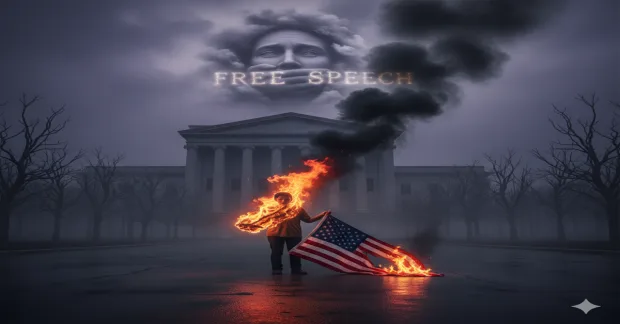
Is Criminalizing Flag Burning a Direct Attack on Free Speech?
Free speech protects even unpopular viewpoints, you know? When you consider criminalizing flag burning, you're looking at a direct challenge to a core constitutional principle. This isn't just about a flag; it's about the dangerous precedent of government controlling symbolic expression. You must ask: where does this control end? Key Takeaways: You know, the idea of criminalizing flag burning really gets people talking. It touches on something deeply personal for many, doesn't it? This whole debate isn't just about a piece of cloth; it's about what we believe free speech truly means in this country. The Supreme Court has repeatedly affirmed that flag burning is protected symbolic speech. This means actions conveying a message fall under First Amendment protections. Criminalizing flag burning targets political expression, not just an act. This type of law seeks to control how people convey unpopular […]

Can Swearing at Cops Get You Jailed? What States Allow
Just imagine you're in a heated moment, speaking your mind. Can those words land you in jail? You might think your speech is always free, but the truth is far more complex. We'll explore if cursing at a cop can get you arrested and which states allow it. It's about knowing your rights and avoiding serious consequences. The Legal Battleground: Are You Actually Allowed to Insult Police Under the First Amendment? You might think yelling at a cop is always protected. But the First Amendment, while broad, isn't absolute. It protects most offensive speech, even towards officers, but there are critical exceptions where your words become a crime. Free Speech vs. Police Authority: Does Mocking an Officer Violate the Law? Mocking an officer usually falls under free speech. However, if your words are combined with agitation, physical proximity, or a […]

Are Your Parental Rights a Constitutional Guarantee-Or Not?
There's no explicit mention of parents in the 14th Amendment. Courts still recognize a fundamental liberty interest in parenting, but it's not absolute. Did you know the state can sometimes override your choices? That can feel scary, especially when courts use low civil standards to remove custody. But there are wins too, like Troxel and Pierce that give parents legal leverage. So what do you do? Learn the law, get help, fight smart. Key Takeaways: Meyer v. Nebraska (1923), Pierce v. Society of Sisters (1925), and Troxel v. Granville (2000) recognized parental liberty interests.Most parents assume those rights are absolute, but courts often clip them back. It stings, right? The 14th Amendment says nothing about parents, children, or family; courts read protections into due process.So your right to parent gets weighed against the state's interest in child safety. Feels unsettling […]

501(c)(3) in Danger? Churches Playing Politics Now!
Churches packed a gym last week for a candidate forum, and your pastor leaned in and named names. You're fired up, or terrified - which is it for you? This could jeopardize your church's 501(c)(3) status, cost donors deductions, and invite IRS scrutiny, so you need practical steps now. But there are defenses, legal strategies and practical steps to protect your pulpit. Key Takeaways: This matters to you because a church's tax status affects donations, community programs, and your privacy.Lose 501(c)(3) and funding dries up, reputations tank, and programs vanish. The Johnson Amendment still bars churches from endorsing candidates.That law can mean audits, fines, and loss of tax benefits.Feels like gagging the pulpit, right? The IRS's enforcement is patchy and unpredictable.Some churches get warnings, others get nothing.That creates fear - yet defiance grows. Single sermon lines, social posts, or donations […]

Silence or Survival? The Military’s Retaliation Machine
With thousands of retaliation claims filed each year, you face a brutal choice between silence and exposure. You risk career-ending retaliation, sudden reassignments, or social exile. It's scary, and it's real - you might lose your clearance, benefits, or future. Why stay silent? Why speak up? Consider this parallel Why didn't the US military in A Quiet Place lure a large ... Key Takeaways: Like an oath turned upside down, the system punishes truth-tellers instead of protecting them. You feel betrayed, and it stings deep. Compared to civilian whistleblowers, military ones vanish quietly - careers erased without fanfare. Who gets punished? The brave ones who speak up. Like a silent switch, evaluations and assignments flip to exile. Promotions vanish, referrals disappear, and life derails. Feels like career gaslighting, doesn't it? Where law promises protection, practice often delivers punishment. The MWPA […]
America’s Hidden Crisis: Police vs. the Constitution
Many treat the badge like a shield, but you feel it can become a sword when rights are ignored. You've granted officers power to protect the Constitution, not to pick and choose which rights survive. So when unlawful searches, impunity and selective enforcement happen, they steal trust, breed fear... What will you do? Key Takeaways: Police are breaking the Constitution, and that betrays the people's trust. We gave officers power to serve us, not rule over us. Unlawful searches and seizures are being normalized under vague probable cause claims. How would you feel if your home could be entered without a real warrant? Qualified immunity shields misconduct, leaving victims without justice. So officers can violate rights until some court says otherwise - that's insane, right? When enforcement ignores the Constitution, trust dies and communities fracture. Fear replaces faith, and justice […]
Related
Is Criminalizing Flag Burning a Direct Attack on Free Speech?
Free speech protects even unpopular viewpoints, you know? When you consider criminalizing flag burning, you're looking at a direct challenge to a core constitutional principle. This isn't just about a flag; it's about the dangerous precedent of government controlling symbolic expression. You must ask: where does this control end? Key Takeaways: You know, the idea of criminalizing flag burning really gets people talking. It touches on something deeply personal for many, doesn't it? This whole debate isn't just about a piece of cloth; it's about what we believe free speech truly means in this country. The Supreme Court has repeatedly affirmed that flag burning is protected symbolic speech. This means actions conveying a message fall under First Amendment protections. Criminalizing flag burning targets political expression, not just an act. This type of law seeks to control how people convey unpopular […]
Can Swearing at Cops Get You Jailed? What States Allow
Just imagine you're in a heated moment, speaking your mind. Can those words land you in jail? You might think your speech is always free, but the truth is far more complex. We'll explore if cursing at a cop can get you arrested and which states allow it. It's about knowing your rights and avoiding serious consequences. The Legal Battleground: Are You Actually Allowed to Insult Police Under the First Amendment? You might think yelling at a cop is always protected. But the First Amendment, while broad, isn't absolute. It protects most offensive speech, even towards officers, but there are critical exceptions where your words become a crime. Free Speech vs. Police Authority: Does Mocking an Officer Violate the Law? Mocking an officer usually falls under free speech. However, if your words are combined with agitation, physical proximity, or a […]
Are Your Parental Rights a Constitutional Guarantee-Or Not?
There's no explicit mention of parents in the 14th Amendment. Courts still recognize a fundamental liberty interest in parenting, but it's not absolute. Did you know the state can sometimes override your choices? That can feel scary, especially when courts use low civil standards to remove custody. But there are wins too, like Troxel and Pierce that give parents legal leverage. So what do you do? Learn the law, get help, fight smart. Key Takeaways: Meyer v. Nebraska (1923), Pierce v. Society of Sisters (1925), and Troxel v. Granville (2000) recognized parental liberty interests.Most parents assume those rights are absolute, but courts often clip them back. It stings, right? The 14th Amendment says nothing about parents, children, or family; courts read protections into due process.So your right to parent gets weighed against the state's interest in child safety. Feels unsettling […]
Silence or Survival? The Military’s Retaliation Machine
With thousands of retaliation claims filed each year, you face a brutal choice between silence and exposure. You risk career-ending retaliation, sudden reassignments, or social exile. It's scary, and it's real - you might lose your clearance, benefits, or future. Why stay silent? Why speak up? Consider this parallel Why didn't the US military in A Quiet Place lure a large ... Key Takeaways: Like an oath turned upside down, the system punishes truth-tellers instead of protecting them. You feel betrayed, and it stings deep. Compared to civilian whistleblowers, military ones vanish quietly - careers erased without fanfare. Who gets punished? The brave ones who speak up. Like a silent switch, evaluations and assignments flip to exile. Promotions vanish, referrals disappear, and life derails. Feels like career gaslighting, doesn't it? Where law promises protection, practice often delivers punishment. The MWPA […]
America’s Hidden Crisis: Police vs. the Constitution
Many treat the badge like a shield, but you feel it can become a sword when rights are ignored. You've granted officers power to protect the Constitution, not to pick and choose which rights survive. So when unlawful searches, impunity and selective enforcement happen, they steal trust, breed fear... What will you do? Key Takeaways: Police are breaking the Constitution, and that betrays the people's trust. We gave officers power to serve us, not rule over us. Unlawful searches and seizures are being normalized under vague probable cause claims. How would you feel if your home could be entered without a real warrant? Qualified immunity shields misconduct, leaving victims without justice. So officers can violate rights until some court says otherwise - that's insane, right? When enforcement ignores the Constitution, trust dies and communities fracture. Fear replaces faith, and justice […]

Government’s Hidden Hustle: Laws Made for You to Fail?
Laws like these, are they meant to protect you or to profit from your mistakes? You're hit with tiny rules. They're often laws made for you to fail, and they stack into massive bills. They turn into fines and court costs. Some laws are vague on purpose, and yeah, it makes you nervous when lights flash behind you. Who benefits? Not you. But you can push back, learn the tricks, organize and demand fair rules. Fines and fees line pockets - that's the danger. Stay sharp, this affects your wallet and freedom. Key Takeaways: Like a tollbooth on your life, laws are set up to collect, not protect. They trap ordinary people with tiny mistakes, and it feels rotten. Unlike rules meant to guide, many statutes are profit engines in plain sight. Lobbyists shape codes you later get fined for-who […]