



Just imagine you’re in a heated moment, speaking your mind. Can those words land you in jail? You might think your speech is always free, but the truth is far more complex. We’ll explore if cursing at a cop can get you arrested and which states allow it. It’s about knowing your rights and avoiding serious consequences.
The Legal Battleground: Are You Actually Allowed to Insult Police Under the First Amendment?
You might think yelling at a cop is always protected. But the First Amendment, while broad, isn’t absolute. It protects most offensive speech, even towards officers, but there are critical exceptions where your words become a crime.
Free Speech vs. Police Authority: Does Mocking an Officer Violate the Law?
Mocking an officer usually falls under free speech. However, if your words are combined with agitation, physical proximity, or a crowd, it can quickly cross into unprotected territory, leading to arrest.
When Profanity Becomes a Crime: Finding the Legal Threshold for Arrest
Many people wonder when a curse word becomes illegal. The line is incredibly thin. It’s not just the word itself, but the context, tone, and perceived intent that can transform protected speech into charges like disorderly conduct.
Your words shift from protected speech to a potential crime when they are deemed “fighting words.” This legal concept refers to words that, by their very utterance, inflict injury or tend to incite an immediate breach of the peace. This is incredibly subjective and often relies on the officer’s interpretation of your intent and the surrounding circumstances, making it a dangerous legal gray area for you.
If a single word can shift your fate from freedom to handcuffs, wouldn’t you want to know that line before you cross it?
Knowing the exact legal threshold is literally the difference between walking free and being arrested. You simply can’t afford to guess where that line is. Your freedom hangs in the balance with every word.
This isn’t about politeness; it’s about avoiding jail. The difference between protected speech and a criminal charge is often a single word or a perceived shift in your demeanor. You need to understand these nuances because officers have broad discretion, and their interpretation of your words can drastically alter your life’s path in an instant.
Disorderly Conduct: The Most Misused Charge in Police Verbal Arrests
You might think disorderly conduct is about shouting or causing a scene. But police often use it for verbal disrespect, even when no real disturbance occurs. It’s a broad charge, making it a common tool in arrests for what you say. Want to know more? Check out Can I Be Arrested for Swearing at a Police Officer?
Is Cursing at a Cop Disorderly Conduct? The Hidden Loophole You Need to Know
Your words alone usually won’t be enough for a disorderly conduct charge. Courts say mere offensive language isn’t enough. There has to be more-something that creates a real disturbance or incites violence. This is a critical distinction you need to understand.
How Police Justify Arrests for Offensive Language and Why It Happens
Police often justify arrests for offensive language by claiming your words caused a “breach of peace” or “disorderly conduct.” They might say your language escalated the situation or disturbed others. This happens because officers have discretion, and sometimes, they interpret insults as threats to their authority, leading to charges.
When officers feel disrespected, they sometimes resort to charges like disorderly conduct. They might argue your words created a public disturbance, even if only they were offended. This justification often hinges on their perception of your tone or volume, not just the words themselves. It’s a dangerous gray area where your free speech can quickly become a criminal charge.
A charge based on feelings, not facts, becomes a weapon.
This charge can feel arbitrary, right? It’s often based on an officer’s personal feelings, not concrete facts. When that happens, disorderly conduct becomes a weapon against your free speech, used to silence or punish you for simply expressing yourself.
When a charge relies on an officer’s subjective interpretation of your words, it’s a problem. This means an officer’s personal offense can lead to your arrest, rather than any actual disruption or threat. This lack of objective standards makes the charge prone to misuse, turning a constitutional right into a criminal act.
State-by-State Breakdown: What States Allow Arrests for Swearing at Police?
Navigating the legality of swearing at police is tricky. The rules aren’t uniform; what’s fine in one state could land you in jail in another. Understanding these differences is absolutely critical for your freedom. You need to know your state’s specific stance.
States With Public Profanity Laws Still on the Books (Yes, They Exist)
Shockingly, some states still have outdated public profanity laws. These laws can be used to justify arrests, even for seemingly minor verbal outbursts. You might face charges for “offensive language” in these areas, a dangerous trap for the unwary.
States Where Cursing at Police Is Considered Protected Speech
In many states, insulting or cursing at a police officer falls under First Amendment protection. Courts have often ruled that such speech, even if offensive, isn’t a crime unless it directly incites violence. This is where your constitutional rights shine.
Many states uphold the idea that mere verbal disrespect toward an officer, without any other illegal action, is protected speech. This means you can often express frustration, even with strong language, without fear of arrest. But remember, this protection has limits. It doesn’t cover “fighting words” or speech that directly incites immediate violence or threatens public safety. You’re generally safe expressing your opinion, but don’t cross the line into threats or incitement.
The Weird Stuff: Why People Search About Swearing Laws for Different Groups and States
People search about swearing laws for specific groups and states because the rules are so inconsistent. They want to know if their specific situation changes the outcome. This reveals a deep fear of arbitrary enforcement.
Why are people so obsessed with searching “can a cop arrest a person for verbal disrespect alone” or “can police swear at you but arrest you for swearing back”? It’s because the system feels rigged and unfair sometimes. They want to know if the rules are different for a teenager versus an adult, or if a woman’s words are judged differently than a man’s. This deep anxiety comes from a place of feeling powerless against authority, and it drives millions of specific, desperate searches for clarity. People just want to understand the unpredictable power dynamic in these encounters.
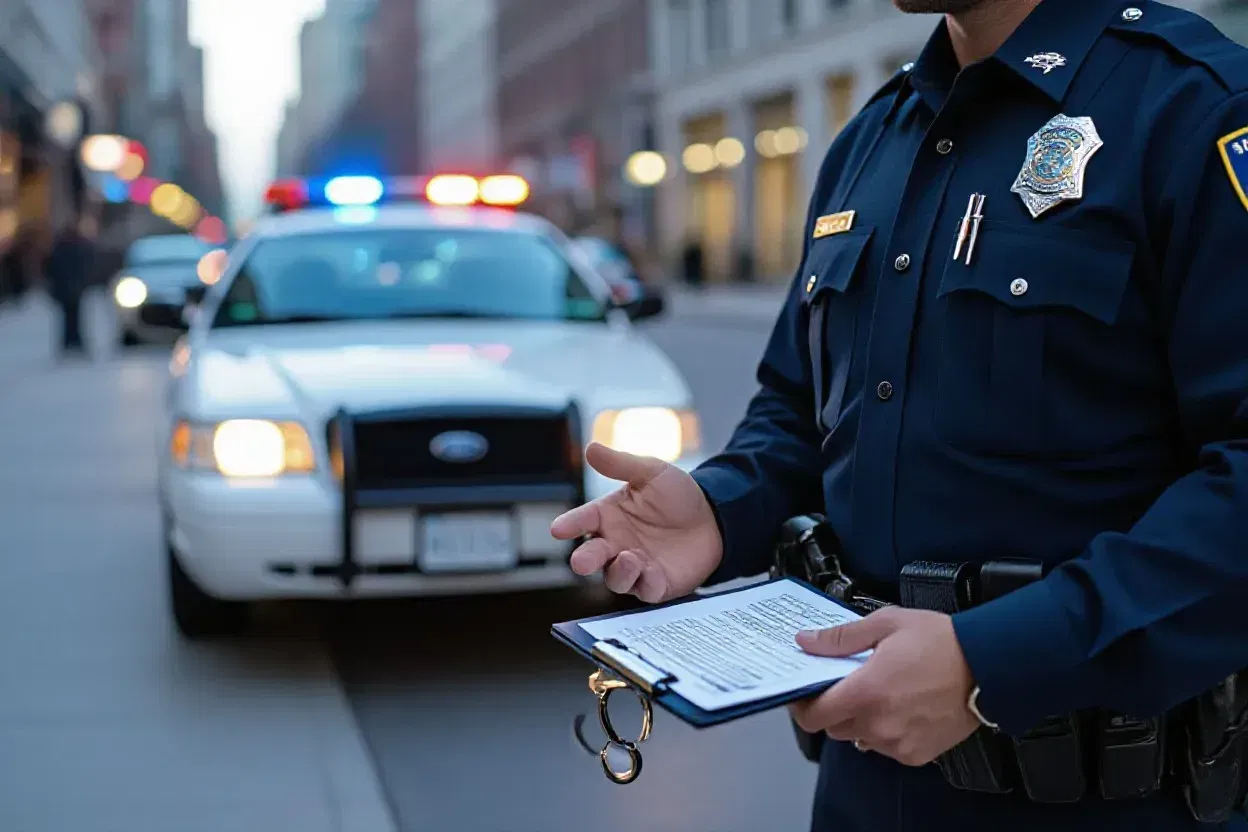
Police Discretion: Can a Cop Arrest You Just for Being Rude?
You might wonder if merely being rude to an officer can land you in cuffs. The truth is, while the First Amendment protects a lot of speech, police officers have significant discretion. They can interpret your words, especially if combined with agitation or perceived hostility, as something more than just rudeness, potentially escalating the situation quickly.
The Gray Zone: When Your Insults Turn Into a Harassment Charge
Your insults can become a problem when they cross a line. If your words are seen as directly inciting violence or creating a public disturbance, that’s when you might face a harassment charge. It’s a tricky area, and the outcome often depends on the specific circumstances and how the officer perceives your intent.
Contempt of Cop: The Unofficial Reason Why Your Attitude Might Get You Jailed
Many people talk about “contempt of cop” – it’s not a legal charge, but it’s a real factor. This unofficial reason suggests that if an officer feels disrespected, they might look for any legal justification to arrest you. Your attitude, even without breaking a specific law, can trigger an escalation. It’s a situation where your perceived disrespect fuels their reaction, which is a scary thought for anyone. This unofficial reason can lead to charges like disorderly conduct or obstruction, even if your words themselves weren’t directly criminal. It’s about how your behavior makes the officer feel, which is a dangerous power dynamic.
Can Police Swear at You While Arresting You? Let’s Talk About Double Standards
You might see officers using profanity during an arrest, and it feels like a total double standard. While they often face less scrutiny for their language, your words are held to a different, stricter standard. This imbalance highlights the power difference in these interactions, and it can feel incredibly unfair.
This double standard is infuriating for many. Officers, under stress, might use language that would get you arrested. But because they’re in a position of authority, their actions are often given more leeway. It raises serious questions about fairness and equal application of the law, making you wonder, “Why can’t I say the same things?”
What Happens During Real Police Encounters? Viral Examples and Public Outrage
How do real-life confrontations unfold? You’ve seen countless viral videos online, showing people yelling at officers, using strong language, and sometimes getting arrested. These incidents highlight the unpredictable outcomes when free speech meets police authority, leaving many wondering: what exactly is the line?
Viral Videos and Livestreams: Speech-Based Arrests Caught on Camera
Often, these videos show what seems like a simple verbal exchange escalating quickly. You see people handcuffed for words that, to many, seem like protected speech, sparking immediate questions about police conduct and citizen rights.
The Public’s Reaction: Why These Cases Spark Such Massive National Debate
Why do these videos cause such a stir? They tap into deep-seated fears about personal freedom and the misuse of authority. You see yourself in these situations, wondering if your words could land you in jail.
The public outcry isn’t just about the legality; it’s about the feeling of injustice. People question whether officers are misusing terms like “disorderly conduct” to silence perceived disrespect. You see these arrests and can’t help but feel a chilling effect, worried that expressing frustration could lead to serious legal consequences. It’s a fundamental conflict between your right to speak and an officer’s power to interpret that speech.
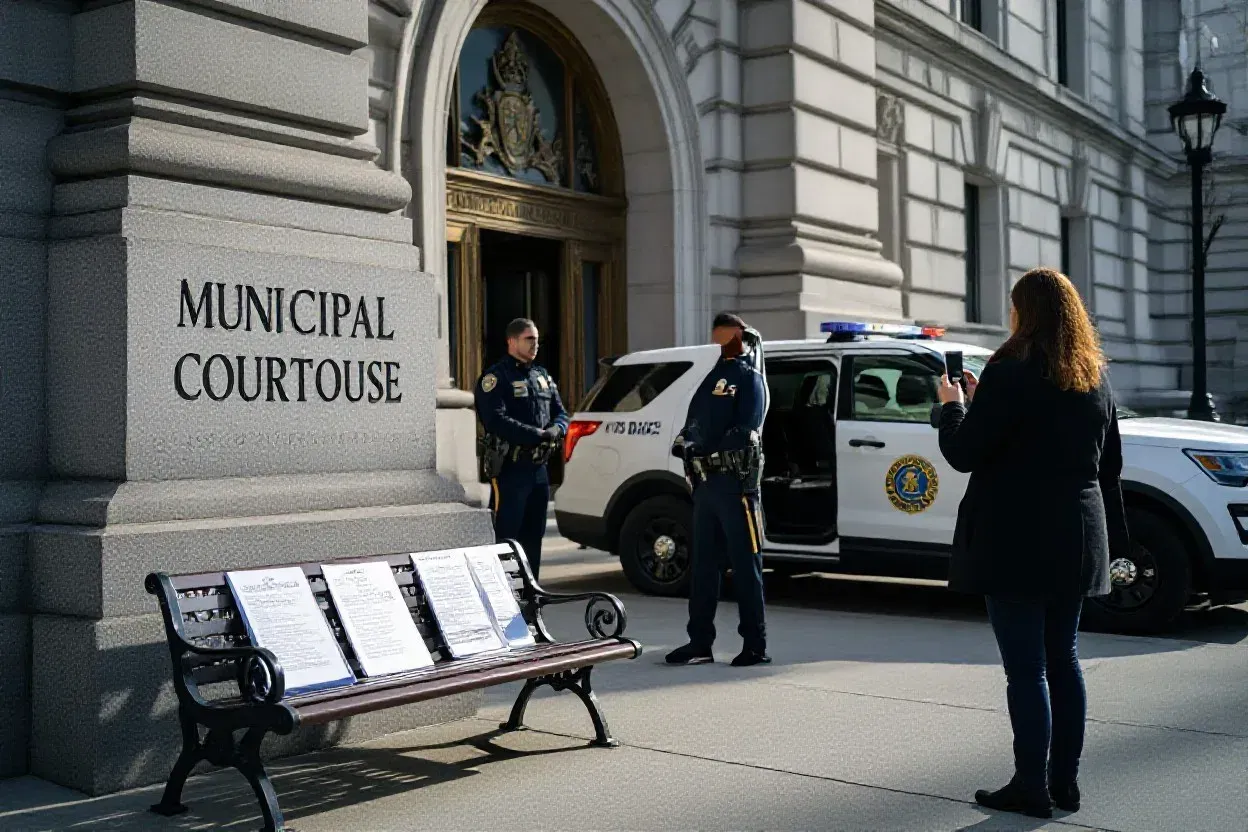
The Psychology Behind Police-Speech Confrontations: Why Tempers Explode
Recent viral videos show how quickly words can ignite tense situations with law enforcement. You see, these encounters aren’t just legal battles; they’re deeply psychological. Understanding why tempers flare helps you avoid potential legal trouble. What makes an officer react to words as if they were physical threats?
Why Do Some Officers React to Words Like They’re Physical Threats?
Officers are trained to assess threats. Your words, especially when aggressive, can be perceived as an assault on their authority. This triggers a defensive response, escalating the interaction quickly.
Fear and Adrenaline: Human Behavior Under Authority Pressure
People react differently under pressure. Your fear or anger can trigger an officer’s adrenaline, making them more reactive. This creates a dangerous feedback loop.
That surge of adrenaline can make anyone’s judgment cloudy. For an officer, it means perceiving threats more acutely, sometimes even when they’re not physical. For you, it means your own fear might lead you to say things you wouldn’t normally, potentially making things much worse.
In a moment of tension, your voice can become your vulnerability.
Your tone, volume, and specific words can be interpreted in countless ways. A raised voice, even without profanity, might be seen as disorderly conduct.
Think about it: how you speak can be just as impactful as what you say. A calm, respectful tone, even when disagreeing, can de-escalate a situation. But an aggressive, loud, or insulting tone can provoke an immediate, negative reaction, turning a simple interaction into a potential arrest.
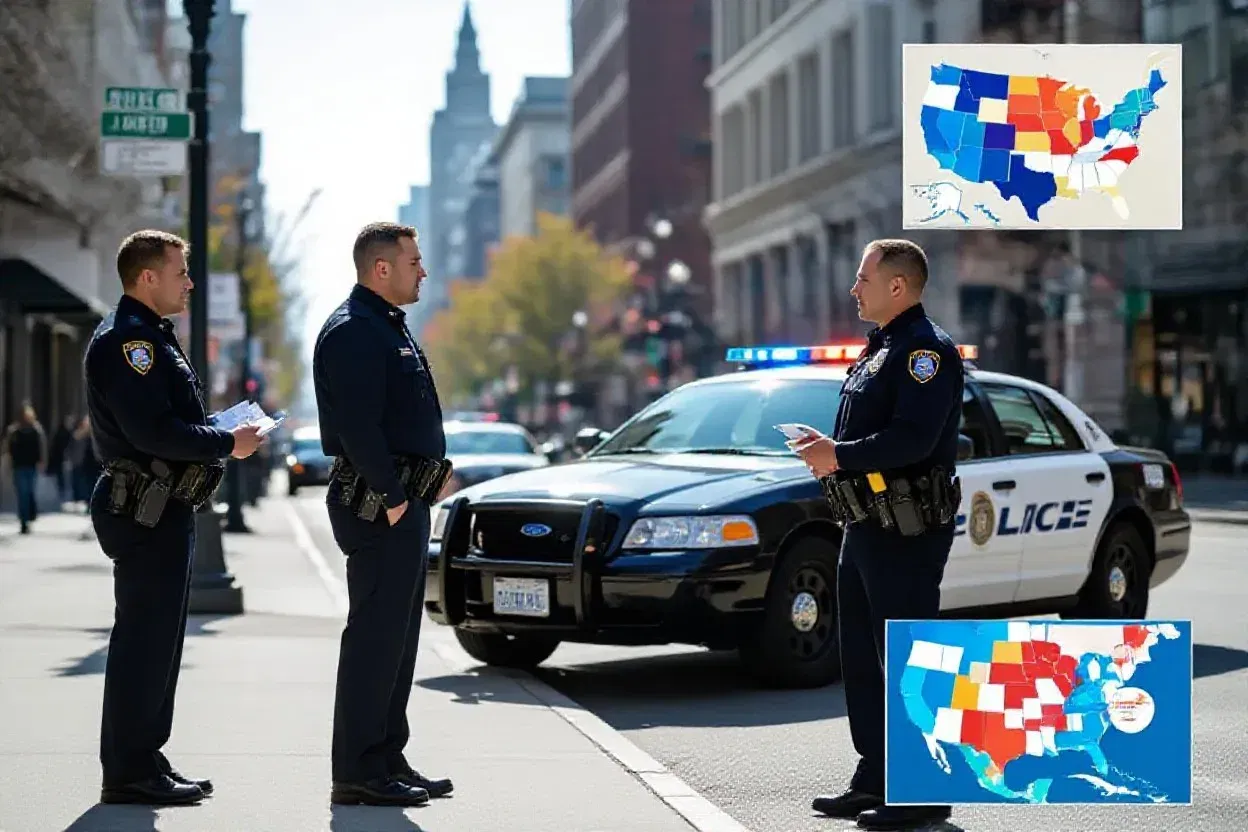
Practical Guidance: How to Avoid Arrest When You’re Confronted by Police
Knowing your rights is only half the battle; knowing how to act is the other. You need to understand how to handle these situations. What if an officer misinterprets your words? This section helps you navigate those high-stress police interactions.
What Speech Is Safe to Use and What Might Actually Get You Charged?
What words are truly safe when speaking with police? Generally, insulting or mocking an officer is protected speech. However, yelling, acting agitated, or causing a public disturbance can turn protected words into criminal charges like disorderly conduct or fighting words.
How to Talk to Police Safely Without Giving Up Your Rights
Can you really talk to police without giving up your rights? You can remain silent, always. Clearly state you do not consent to searches. You should never lie, but you don’t have to volunteer information.
Always remember, you have the right to remain silent. You can say, “I am exercising my right to remain silent and I would like to speak with an attorney.” This simple statement can protect you from self-incrimination. It’s not rude; it’s your constitutional right.
If an officer misuses their authority, do you know how to protect yourself in that moment?
What if an officer acts inappropriately? Try to document everything. Ask for their badge number and name. Do not forget, your phone is a powerful tool for recording the interaction.
Recording police interactions is often your best defense against misconduct. This evidence can be crucial if you need to file a complaint or pursue legal action. Do not interfere with their duties, but documenting is your right.
Controversial Questions the Public Keeps Asking: Can You Tell a Cop to Shut Up?
Can You Get in Serious Trouble Just for Being Rude or Cursing at Someone?
You might think a little rudeness is harmless, but words can trigger serious legal trouble. Insulting someone, even without profanity, can sometimes escalate into charges like harassment or disturbing the peace. It really depends on the context and how your words affect others.
Is Swearing in Public Actually a Law or Just a Myth?
Many believe public swearing is always illegal, but it’s often a myth. Federal courts protect most offensive speech. Still, some states and cities have old laws against public profanity. You could face charges depending on your location.
This legal gray area confuses many people. While the First Amendment broadly protects your right to express yourself, local ordinances can still criminalize “offensive language.” This creates a patchwork of rules where what’s fine in one town might get you a ticket in another. It’s truly a legal minefield, isn’t it?
Why People Are Confused About Speech vs. Illegal Content Like Sex Chats
People often mix up protected speech with illegal content. Pure speech, even if offensive, is generally protected. Illegal content, like child sex abuse material or direct threats, has no such protection. This distinction is crucial, but often misunderstood.
This confusion stems from a lack of clear public education on free speech limits. You see, the First Amendment isn’t a free pass for everything. It protects words, yes, but not actions, or speech directly inciting violence or involving illegal acts. Knowing the difference could keep you out of legal hot water. “If you don’t know the exact limits of your rights, how can you be sure you won’t be the next person arrested for something you said?”
The Final Verdict: Can Swearing at Cops Get You Jailed? And Where?
The Uncomfortable Truth About Speech-Based Arrests and Enforcement
You might think your words are just words. But in reality, they can trigger a police response that leads to your arrest. Keep in mind, officers often escalate when they feel verbally disrespected, leading to charges.
States Most Likely to Arrest You for Profanity-Based Confrontations
You’ll find that states with broad disorderly conduct laws or old public profanity ordinances are more likely to arrest you. This patchwork of rules means your location matters.
Imagine you’re in a heated moment, and you let a curse word slip toward an officer. In places like Georgia, Michigan, or Virginia, you might find yourself in handcuffs because these states often have more expansive interpretations of what constitutes disorderly conduct or still maintain public profanity laws. It’s not always about direct threats; sometimes, it’s about perceived “breach of peace” or “offensive language” that an officer decides to enforce. This means the same words could be legal in one state, but criminal in another.
Your words should never determine your freedom-but in America, they often do.
We all want to believe our speech is protected. Yet, the harsh reality is that what you say can absolutely land you in a jail cell. This inconsistency is deeply frustrating.
It’s a terrifying thought, isn’t it? One minute you’re expressing frustration, the next you’re facing charges that can follow you for life. This isn’t just about legal technicalities; it’s about the fundamental feeling of safety and self-defense. “If the words you speak can determine whether you spend the night at home or behind bars, wouldn’t you want to know exactly where the line is?” This uncertainty leaves countless people feeling vulnerable and disempowered during police encounters.
Does Who You Are Change the Outcome? The Reality of Identity and Speech
Does your identity impact whether you get arrested for speaking up? Your background, appearance, and perceived status can absolutely influence how officers interpret your words. The same exact phrase might lead to a warning for one person, but handcuffs for another. It’s a harsh reality many face, highlighting disparities in police interactions.
Why the Risk of Arrest for Speaking Up Isn’t the Same for Everyone
You might wonder, “Does my identity make me a bigger target?” The truth is, certain groups face heightened scrutiny. Your race, gender, or even socioeconomic status can unfortunately change an officer’s perception, making a verbal interaction more volatile. This bias can turn protected speech into an arrest risk for some.
The Immigrant Perspective: Is the Risk Higher for Non-Citizens?
Are non-citizens at a greater risk when speaking to police? Yes, for immigrants, the stakes are often significantly higher. An arrest, even for minor offenses, can trigger immigration consequences, including deportation. This fear can silence individuals, making them hesitant to assert their rights.
Many non-citizens fear that any interaction with law enforcement, especially one resulting in an arrest, could jeopardize their immigration status. This concern isn’t unfounded; even minor charges, sometimes based on an officer’s interpretation of “disorderly conduct,” can lead to serious immigration proceedings. The anxiety of potential deportation can make immigrants less likely to challenge an officer or speak freely, even when their speech is constitutionally protected. This creates a chilling effect, where the fear of losing everything overshadows the right to free expression.
Public Perception: How Your Vibe Changes the Outcome of a Stop
How does your attitude affect a police encounter? Your demeanor, clothing, and even how you carry yourself can create a “vibe” that significantly influences an officer’s response. A calm, respectful approach might de-escalate a situation, while perceived hostility could provoke an arrest, regardless of your words.
You might think your words alone matter, but your entire presentation plays a role. An officer’s initial impression of you, formed within seconds, can shape the entire interaction. If you’re perceived as cooperative and non-threatening, even strong language might be overlooked. However, if your “vibe” suggests defiance or disrespect, those same words could be interpreted as “fighting words” or disorderly conduct, leading to a quick arrest. It’s an unspoken dynamic where perception often outweighs the letter of the law in the moment.
Can You Sue if You’re Arrested for Your Words? Fighting Back Against Misconduct
You might wonder, what happens if police misinterpret your words and arrest you anyway? That’s where the fight for justice often begins. You have rights, and police misconduct can be challenged. An unlawful arrest for protected speech is a serious violation, and you can pursue legal action. Don’t let your voice be silenced by wrongful detention. You can fight back.
What Happens After an Unlawful Arrest for Speech?
An unlawful arrest for speech can lead to charges being dropped. You might also have grounds for a civil rights lawsuit. It’s about holding authorities accountable for violating your First Amendment protections. Your freedom matters.
How to Document an Encounter When Things Start Going South
Always record police interactions if you can. This provides crucial evidence of what was said and done. It protects you from false accusations and officer retaliation. Your phone is a powerful tool.
Recording an encounter is incredibly important. You should try to keep your phone visible and clearly state that you are recording. This video or audio can become the most powerful defense against any false claims of disorderly conduct or obstruction. Think of it as your personal witness, capturing the truth when things go sideways. It shows exactly what words were exchanged, the tone, and the officer’s actions. This can be the difference between freedom and a jail cell, so don’t hesitate to hit record.
The Future of Free Speech: How Body Cams and New Laws Are Changing the Game
How New Tech Is Changing the Way Verbal Confrontations Are Handled
Will body cams make a difference in your next police encounter? These devices are rapidly changing how verbal confrontations play out, offering an unvarnished record. They can be your best friend or worst enemy, capturing every word, tone, and action. This means less “he said, she said” and more verifiable evidence.
Will the Supreme Court Ever Settle This Once and For All?
Will a clear, nationwide standard for verbal conduct with police ever emerge? The Supreme Court could, theoretically, provide definitive guidance. This would bring much-needed clarity to the current confusing legal patchwork. Imagine knowing your rights are the same everywhere.
The Supreme Court holds the power to finally establish a consistent interpretation of the First Amendment regarding speech directed at law enforcement. This could eliminate the state-by-state discrepancies that leave you guessing. A ruling would define exactly when your words cross the line from protected speech to a criminal act, offering unprecedented legal certainty for citizens nationwide. It would also set clear boundaries for police discretion.
Knowing the law isn’t optional. It’s protection.
Do you truly know your rights when speaking to an officer? Understanding the law isn’t a suggestion; it’s your strongest defense. This knowledge can prevent an innocent exchange from becoming a nightmare. Your freedom depends on it.
Knowing the precise legal boundaries surrounding speech toward police is absolutely critical. With varying state laws and broad “disorderly conduct” statutes, your words can quickly be misconstrued. Being informed about your specific state’s laws, the “fighting words” doctrine, and your First Amendment protections provides a powerful shield against potential overreach or misunderstanding. It’s the difference between asserting your rights confidently and facing an unexpected arrest.
Conclusion
Drawing together these threads, you see that your words carry real weight. You must understand that while your right to free speech is fundamental, it isn’t limitless when facing law enforcement. You’ve seen how states interpret “disorderly conduct” or “fighting words” differently. What feels like a simple insult can quickly become a criminal charge, depending on where you are and how an officer perceives your intent. Don’t you want to protect your freedom?
Q: Is yelling at a cop illegal, or is my speech protected?
A: Your speech, even if it’s offensive or insulting to an officer, is generally protected. Courts have repeatedly upheld that the First Amendment covers provocative language toward police. However, this protection isn’t absolute. If your words cross into “fighting words” – language intended to incite immediate violence – or create a public disturbance, you could face charges. It’s a very fine line, isn’t it?
Q: Can swearing at a police officer lead to a disorderly conduct charge?
A: Yes, it absolutely can. While isolated profanity isn’t usually enough, if your swearing is loud, aggressive, combined with agitation, or creates a disturbance for others, it might be deemed disorderly conduct. Police often use this charge when they perceive your words as escalating a situation or causing public alarm. It’s scary how subjective that can be.
Q: What are “fighting words,” and how do they impact my right to speak freely to police?
A: “Fighting words” are a narrow category of speech not protected by the First Amendment. These are words that, by their very utterance, inflict injury or tend to incite an immediate breach of the peace. They must be a direct personal insult likely to provoke a violent reaction from an ordinary person. This isn’t about hurting feelings; it’s about inciting violence. It means your words can be used against you if they are seen as an immediate threat to public order, not just an insult. How can you be sure your words won’t be misinterpreted?
Q: Do some states have stricter laws against public profanity, even toward officers?
A: Yes, some states and cities still have laws or ordinances against public profanity or “breach of peace” that can be applied more broadly. While federal courts often protect offensive speech, local laws can create a confusing patchwork. What might be protected in one state could lead to an arrest in another. It’s truly a geographical gamble with your freedom.
Q: Can police arrest me for being rude, insulting, or verbally abusive if I don’t threaten them?
A: An arrest based solely on rudeness or insult is usually unconstitutional. Your speech, even if abusive, is protected unless it falls into “fighting words” or causes a genuine public disturbance. However, police might interpret your “rudeness” as something more, like obstruction or disorderly conduct, especially if they feel disrespected. It’s a frustrating power dynamic, isn’t it?
Q: If a police officer swears at me, can they still arrest me for swearing back?
A: Officers are generally held to a different standard, and their use of profanity is often considered part of their job, especially in tense situations. While their swearing doesn’t give you a free pass to use “fighting words” or incite a disturbance, it highlights a stark double standard. It makes you wonder about fairness in these encounters, doesn’t it?
Q: What should I do if I believe I’m being arrested for protected speech?
A: Remain calm, assert your right to remain silent, and ask for an attorney immediately. Do not resist arrest, even if you believe it’s unlawful. Document everything you can afterward, including what was said, by whom, and any witnesses. Your legal fight begins after the arrest, not during it. It’s a terrifying prospect, being arrested for your words, so knowing your next steps is critical.

About the author


Understanding Allodial Titles, Land Patents, and Their Legal Implications
In property rights and land ownership, the concepts of allodial titles and land patents hold significant legal weight. These terms are often used in discussions related to the protection of property rights, land ownership, and the interplay between various areas of law such as the Uniform Commercial Code, contract law, constitutional law, and statutory law. In this in-depth blog post, we will explore into the intricacies of allodial titles and land patents, exploring their definitions, legal implications, and dispelling common myths and misconceptions associated with them. Key Takeaways: Allodial Titles Explained: An allodial title represents the highest form of land ownership, granting the owner absolute and unburdened ownership of the property, free from any encumbrances, liens, or taxes imposed by external parties. Land Patents and Their Legal Implications: A land patent is a legal document issued by the government that […]

Outsmart the System: Top Legal Strategies You Need to Know
Understanding the Legal Landscape While the legal system may seem intimidating, grasping its core concepts can empower you to navigate its complexities effectively. Understanding this landscape is vital for anyone looking to outsmart the system and optimize their legal strategies. Whether you’re seeking legal hacks for small businesses or tips on how to use legal loopholes to your advantage, recognizing the different legal frameworks at play can be crucial in making informed decisions. Overview of Legal Systems An understanding of the various legal systems is pivotal for recognizing your rights and obligations. Legal frameworks can vary significantly from one country to another, with common systems including civil law, common law, and religious law. Each system has its own structure, offering unique legal strategies and challenges. For example, in a common law system, previous judicial decisions can influence future cases, allowing […]

Ilataza Ban Yasharahla EL’s Public Records Request for Elyria Board of Education
24-0001492: Ilataza Ban Yasharahla EL's Public Records Request for Elyria Board of Education. All Rights Expressly Reserved and Retained. https://nationalnoticerecord.com/elyria-boe-members-required-to-follow-rulings https://nationalnoticerecord.com/is-elyria-school-board-bound-by-ohio-courts https://nationalnoticerecord.com/understanding-the-oath-of-office-legal-obligations-and-consequences

Ohio Legalizing Recreation Marijuana Use May Hurt Dispensaries in Monroe, Michigan
In recent years, the movement to legalize marijuana for adult recreational use has gained significant momentum across the United States. Ohio, a state long synonymous with conservative values, has also embraced this shift in public opinion. With the passing of Ohio Issue 2 and the Ohio Home Grow Bill, the state has joined the ranks of those allowing the recreational use of marijuana. This blog post will delve into the pros and cons of Ohio's legalization, as well as the potential implications for marijuana dispensaries in Monroe, Michigan, which previously benefited from Ohio buyers crossing state lines. https://www.youtube.com/watch?v=0KRzqZ8dUwc Pros of Ohio's Recreational Marijuana Legalization 1. Economic Boost: Legalizing recreational marijuana in Ohio has the potential to generate substantial economic benefits for the state. The marijuana industry has proven to be a lucrative market, with tax revenue and job creation being […]

The Etymology of “Bey” EXPOSED
TURN UP YOUR VOLUME & PRESS PLAY Have you ever wondered what the true origin and meaning of "Bey" is? We've been told that it means "Governor", "Law Enforcer", Chief, etc. But, what if that's incorrect? What if we've been using the "title", "Bey", incorrectly? FILL OUT THE FORM TO GET STARTED First Name: Last Name: Phone Number: Email: I agree to receive email updates and promotions. Submit
Are You A “Colored Person”?
Tune in as we dissect the term "person of color", exposing how its PURPOSELY steeped in plausibility, DECEPTION, and used as a weapon.

We’ve Been FORCED to Make Some Changes
Due to receiving so many tasks that our work has become more tedious, we've been forced to make some changes at National Notice Record.

Gas Go Express Food Mart Unjust Enrichment Via Debit Card Surcharge Fees
https://www.youtube.com/watch?v=eJknhtE9JEI In this video, I talk about a consumer experience I had while shopping at Gas Go Express Food Mart Gas Station, located at 237 Lake Avenue, Elyria, Ohio. On November 24, 2021, I made a purchase for 4 taxable items at the location. Each item was $0.99 per. With taxes, it came up to $4.26. As I got ready to place my debit card into the card reader, the Gas Go Express Food Mart clerk immediately added a $.50 debit card surcharge fee. As a common practice, some merchants/stores add a surcharge to your total purchase amount when you spend less than $5 or $10 when using a credit/debit card to process the payment. Being a merchant myself, I know that Master Card, Visa, Discover, and some of the other financial institutions have a strict policy that states that […]

The Hidden Truth: You Don’t Own Your Smartphone Data
Wait, I bought the phone but not the data? Let's talk about that You paid good money for your smartphone, right? It's sitting in your hand. But here's the kicker: that purchase only covered the hardware. The personal data your device generates, that's a whole different ballgame. You don't own it. The big myth that your data belongs to you Many people assume their data is automatically theirs. This is a dangerous misconception. When you hit "agree" on those terms, you often sign away control. Your digital life becomes a commodity. How phone companies turned your privacy into a cash cow Think about the sheer volume of data your phone collects. Phone companies saw this goldmine early on. They built entire business models around harvesting your information, turning your digital footsteps into pure profit. Companies track your calls, texts, and […]
Do Background Checks Align With the Constitution’s Intent?
Let's Be Real: Are Background Checks Actually Constitutional? Some folks point to court decisions, like the U.S. Supreme Court Holds that Constitutional Privacy ... ruling, as proof background checks are fine. They say the courts have consistently allowed these checks, seeing them as reasonable limits on rights. You might wonder, does that make them truly constitutional in spirit? Are we just accepting them because the courts say so, or do we really feel they align with our foundational freedoms? This isn't just about legality; it's about what feels right for a free people. My take on whether they're unconstitutional by design or just abuse Picture this: The government wants to know everything about you before you can do anything. That feels pretty intrusive, doesn't it? Background checks, when they dig too deep, start to feel like they're designed to make […]

Is Forced Hospitalization Legal Without a Court Order?
It's a frightening thought, isn't it? The idea that someone could take your freedom without a judge's order. You might wonder, can a hospital really hold you against your will without court intervention? This isn't just a legal question; it's about your most basic rights. Could this happen to you? Key Takeaways: * Your fundamental liberties are at risk from involuntary psychiatric holds. Imagine losing your freedom without a judge's order.* Forced hospitalization often occurs without court oversight, raising serious due process concerns. Should a doctor's opinion outweigh your rights?* State laws permit temporary detention, but this doesn't guarantee lawful confinement. Are you truly safe from unlawful medical detention?* The definition of "danger to self or others" is alarmingly subjective. Could a misunderstanding strip you of your freedom?* Many fear forced hospitalization can be weaponized by others. What if a […]

If States Can’t Secede, Is Federalism a Fraud?
There's a growing unease among many Americans about the true nature of their federal system. We're often told federalism ensures a balance of power, but if states are powerless to leave, even when faced with an overreaching federal government, does this system truly represent shared governance or something far more unilateral? This foundational question challenges the very legitimacy of the Union, pushing us to consider if federalism, without the possibility of secession, is a deceptive illusion. Key Takeaways: You know, we're always taught that federalism is this perfect balance, states and the feds working together like equals. But what if a state can't ever, ever leave the Union? That really makes you wonder if it was ever a true partnership or just a clever illusion, right? The big, uncomfortable truth is, if the Constitution doesn't actually have a clause saying […]
Is Criminalizing Flag Burning a Direct Attack on Free Speech?
Free speech protects even unpopular viewpoints, you know? When you consider criminalizing flag burning, you're looking at a direct challenge to a core constitutional principle. This isn't just about a flag; it's about the dangerous precedent of government controlling symbolic expression. You must ask: where does this control end? Key Takeaways: You know, the idea of criminalizing flag burning really gets people talking. It touches on something deeply personal for many, doesn't it? This whole debate isn't just about a piece of cloth; it's about what we believe free speech truly means in this country. The Supreme Court has repeatedly affirmed that flag burning is protected symbolic speech. This means actions conveying a message fall under First Amendment protections. Criminalizing flag burning targets political expression, not just an act. This type of law seeks to control how people convey unpopular […]
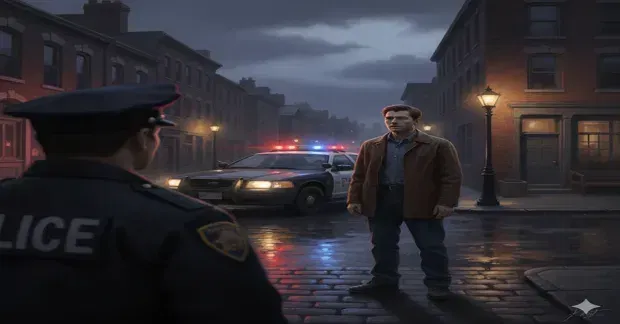
Can Swearing at Cops Get You Jailed? What States Allow
Just imagine you're in a heated moment, speaking your mind. Can those words land you in jail? You might think your speech is always free, but the truth is far more complex. We'll explore if cursing at a cop can get you arrested and which states allow it. It's about knowing your rights and avoiding serious consequences. The Legal Battleground: Are You Actually Allowed to Insult Police Under the First Amendment? You might think yelling at a cop is always protected. But the First Amendment, while broad, isn't absolute. It protects most offensive speech, even towards officers, but there are critical exceptions where your words become a crime. Free Speech vs. Police Authority: Does Mocking an Officer Violate the Law? Mocking an officer usually falls under free speech. However, if your words are combined with agitation, physical proximity, or a […]
Related
The Hidden Truth: You Don’t Own Your Smartphone Data
Wait, I bought the phone but not the data? Let's talk about that You paid good money for your smartphone, right? It's sitting in your hand. But here's the kicker: that purchase only covered the hardware. The personal data your device generates, that's a whole different ballgame. You don't own it. The big myth that your data belongs to you Many people assume their data is automatically theirs. This is a dangerous misconception. When you hit "agree" on those terms, you often sign away control. Your digital life becomes a commodity. How phone companies turned your privacy into a cash cow Think about the sheer volume of data your phone collects. Phone companies saw this goldmine early on. They built entire business models around harvesting your information, turning your digital footsteps into pure profit. Companies track your calls, texts, and […]
Do Background Checks Align With the Constitution’s Intent?
Let's Be Real: Are Background Checks Actually Constitutional? Some folks point to court decisions, like the U.S. Supreme Court Holds that Constitutional Privacy ... ruling, as proof background checks are fine. They say the courts have consistently allowed these checks, seeing them as reasonable limits on rights. You might wonder, does that make them truly constitutional in spirit? Are we just accepting them because the courts say so, or do we really feel they align with our foundational freedoms? This isn't just about legality; it's about what feels right for a free people. My take on whether they're unconstitutional by design or just abuse Picture this: The government wants to know everything about you before you can do anything. That feels pretty intrusive, doesn't it? Background checks, when they dig too deep, start to feel like they're designed to make […]
Is Forced Hospitalization Legal Without a Court Order?
It's a frightening thought, isn't it? The idea that someone could take your freedom without a judge's order. You might wonder, can a hospital really hold you against your will without court intervention? This isn't just a legal question; it's about your most basic rights. Could this happen to you? Key Takeaways: * Your fundamental liberties are at risk from involuntary psychiatric holds. Imagine losing your freedom without a judge's order.* Forced hospitalization often occurs without court oversight, raising serious due process concerns. Should a doctor's opinion outweigh your rights?* State laws permit temporary detention, but this doesn't guarantee lawful confinement. Are you truly safe from unlawful medical detention?* The definition of "danger to self or others" is alarmingly subjective. Could a misunderstanding strip you of your freedom?* Many fear forced hospitalization can be weaponized by others. What if a […]
If States Can’t Secede, Is Federalism a Fraud?
There's a growing unease among many Americans about the true nature of their federal system. We're often told federalism ensures a balance of power, but if states are powerless to leave, even when faced with an overreaching federal government, does this system truly represent shared governance or something far more unilateral? This foundational question challenges the very legitimacy of the Union, pushing us to consider if federalism, without the possibility of secession, is a deceptive illusion. Key Takeaways: You know, we're always taught that federalism is this perfect balance, states and the feds working together like equals. But what if a state can't ever, ever leave the Union? That really makes you wonder if it was ever a true partnership or just a clever illusion, right? The big, uncomfortable truth is, if the Constitution doesn't actually have a clause saying […]
Is Criminalizing Flag Burning a Direct Attack on Free Speech?
Free speech protects even unpopular viewpoints, you know? When you consider criminalizing flag burning, you're looking at a direct challenge to a core constitutional principle. This isn't just about a flag; it's about the dangerous precedent of government controlling symbolic expression. You must ask: where does this control end? Key Takeaways: You know, the idea of criminalizing flag burning really gets people talking. It touches on something deeply personal for many, doesn't it? This whole debate isn't just about a piece of cloth; it's about what we believe free speech truly means in this country. The Supreme Court has repeatedly affirmed that flag burning is protected symbolic speech. This means actions conveying a message fall under First Amendment protections. Criminalizing flag burning targets political expression, not just an act. This type of law seeks to control how people convey unpopular […]

Are Your Parental Rights a Constitutional Guarantee-Or Not?
There's no explicit mention of parents in the 14th Amendment. Courts still recognize a fundamental liberty interest in parenting, but it's not absolute. Did you know the state can sometimes override your choices? That can feel scary, especially when courts use low civil standards to remove custody. But there are wins too, like Troxel and Pierce that give parents legal leverage. So what do you do? Learn the law, get help, fight smart. Key Takeaways: Meyer v. Nebraska (1923), Pierce v. Society of Sisters (1925), and Troxel v. Granville (2000) recognized parental liberty interests.Most parents assume those rights are absolute, but courts often clip them back. It stings, right? The 14th Amendment says nothing about parents, children, or family; courts read protections into due process.So your right to parent gets weighed against the state's interest in child safety. Feels unsettling […]