You might assume the criminal justice system is designed to uncover truth and deliver fairness, yet many defendants—especially the innocent—face overwhelming pressure to plead guilty. Prosecutors often leverage plea bargains as a coercive tool, pushing individuals to accept guilt under threat of harsher sentences, even when evidence is weak or nonexistent. This practice distorts justice, undermines the right to a fair trial, and disproportionately affects the vulnerable. Understanding this hidden dynamic reveals how the system prioritizes efficiency and conviction rates over actual innocence, raising profound questions about legal ethics and defendants’ rights.
Key Takeaways:
- The plea bargain system, while marketed as a tool for efficiency, often operates as a coercive mechanism that pressures innocent defendants to plead guilty under threat of severe penalties if they choose to fight their cases in court.
- Over 95% of criminal convictions in the republic come from plea deals, not trials, creating intense incentive for prosecutors to rush cases instead of seeking true justice or investigating actual innocence.
- Psychological tactics such as threatening harsher sentences, prolonged jail time without bail, and isolation are deliberately used to break down defendants’ will, pushing even the innocent into false confessions and guilty pleas.
- The burden of overworked public defenders combined with the disparity in sentencing risks means that vulnerable populations—especially the poor, young, and minorities—are disproportionately trapped by coercive plea bargaining.
- Rather than safeguarding truth and fairness, plea bargains protect the criminal justice system itself by making prosecutors the gatekeepers of guilt, often at the expense of defendants’ rights and lives.
The Mechanisms of Plea Bargaining
Plea bargaining operates as the backbone of the criminal justice machine, funneling over 95% of cases into expedited resolutions without a single day in court. At its core, the process involves prosecutors offering reduced charges or lighter sentences in exchange for a defendant’s guilty plea. While efficient on paper, this system transforms into a pressure cooker for defendants, particularly the innocent, who face an impossible gamble between accepting a known lesser penalty or risking decades behind bars if they assert their innocence at trial and lose. This imbalance warps justice into a tool of control rather than truth.
Defining the Plea Deal: What It Is and What It Isn’t
A plea deal is often described as a negotiation between defense and prosecution to avoid the uncertainties of trial. Yet, this definition obscures the reality that a plea bargain is less about innocence or guilt and more about leverage. It isn’t a confession of wrongdoing but frequently a strategic choice made under duress, influenced by threats of harsher sentencing or the realities of limited resources. The offer is less a pact of fairness and more a calculated risk-reduction tactic wielded primarily by prosecutors to preserve conviction rates.
Understanding the Risks for Defendants
Accepting a plea bargain carries consequences far beyond a simple sentence reduction. Defendants relinquish their right to appeal, forfeit the opportunity to challenge weak or fabricated evidence in court, and permanently carry a criminal record that affects every aspect of life thereafter. For the innocent, these risks compound: facing pressure from overburdened public defenders and the looming threat of “trial penalties,” many feel coerced into accepting terms that punish them despite innocence, effectively weaponizing the system’s power imbalance.
Digging deeper, the risks reveal a systemic erosion of justice. With public defenders managing caseloads that border on impossible, the advice to accept a plea deal often stems from pragmatism over principle. Defendants who reject such offers confront not only brutal sentencing disparities but also pretrial incarceration that can last months or years—an additional form of punishment before any verdict. Moreover, falsified evidence or prosecutorial misconduct rarely surface to challenge the plea, making the bargain a one-way door that seals fate without a real chance for defense or appeal. This dynamic disproportionately impacts minority defendants and the poor, whose limited resources and social capital leave them vulnerable to coercion disguised as choice.
The Emotional Toll of Coercion
The psychological damage inflicted by coercive plea bargaining reverberates far beyond the courtroom. Defendants often suffer from anxiety, depression, and a pervasive sense of betrayal after pleading guilty to crimes they didn’t commit. The crushing weight of false guilt, combined with social stigma and the loss of future opportunities, creates long-term trauma. This emotional toll wears down resilience, making it even harder for wrongfully accused individuals to fight back or seek justice once ensnared in the system’s relentless machinery.
Psychological Pressure: Fear and Isolation Tactics
Prosecutors and their allies strategically leverage fear through threats of stacked charges, exorbitant sentencing, and prolonged pretrial detention to isolate defendants psychologically. Denied bail or cut off from family support, individuals face a gauntlet of loneliness and hopelessness. This isolation amplifies vulnerability, pushing defendants toward quick guilty pleas, regardless of innocence. These fear-driven tactics weaponize the natural human need for connection and security, turning the courtroom into a battlefield where mental endurance is as much at stake as legal fate.
The Reality of “Voluntary” Plea Agreements
Claims that plea agreements are “voluntary” collapse under scrutiny. With over 95% of convictions resulting from plea deals, the supposed freedom to choose is an illusion. Threatened with decades behind bars if found guilty at trial, many defendants—especially low-income and minority individuals—accept pleas under duress. The label “voluntary” masks intense pressure, manipulated risks, and often inadequate legal counsel, transforming plea bargains into coercive traps rather than genuine choices.
Numerous cases illustrate how defendants sign plea deals not out of free will but as a pragmatic escape from impossible odds. In Louisiana, for example, public defenders report clients pleading guilty to felonies simply to avoid mandatory minimum sentences many cannot afford to challenge. Studies reveal that over 20% of exonerees from the Innocence Project had pleaded guilty despite actual innocence, influenced by fear of harsher penalties and systemic imbalance. The “voluntary” plea becomes little more than a forced surrender, sanctified by legal norms yet undermining foundational notions of justice.
Innocence Erased: True Stories of Coerced Confessions
Behind countless convictions lies an often-overlooked tragedy: innocent men and women warped into pleading guilty through relentless pressure and deceit. Their stories reveal how plea bargains serve not justice, but expediency—turning false confessions into cheap currency for courtroom victories. These individuals, innocent yet cornered by stacked charges, looming sentences, and worn-down defenses, shed light on a system where coercion erases innocence and replaces it with manufactured guilt.
Case Studies of the Wrongfully Convicted
Analyzing documented cases exposes a disturbing pattern: defendants coerced into plea deals at enormous personal cost. Consider:
- Anthony Ray Hinton – Spent nearly 30 years on death row after pleading guilty under pressure, later exonerated by ballistic evidence.
- Korey Wise – One of the Central Park Five, coerced into a plea agreement amidst false accusations, serving 13 years before DNA cleared him.
- Innocence Project data – Over 20% of exonerees initially accepted plea bargains, fearing overwhelming sentences.
- Young and minority defendants disproportionately face coercive plea offers, often without competent legal counsel to challenge the system.
- Texas’ Michael Morton – Wrongly imprisoned for nearly 25 years after prosecutors concealed evidence; false plea pressure was part of his ordeal.
The Impact of Psychological Manipulation on Decision-Making
The court system weaponizes fear and uncertainty, exploiting defendants’ vulnerabilities through psychological tactics calibrated to break resolve. Threats of mandatory minimums, isolation during pretrial detention, and false promises of leniency distort rational choice, leaving many believing that admitting guilt is the only viable escape route—not because they are guilty, but because the system engineered a no-win scenario.
Studies show that extreme stress impairs critical thinking and decision-making, forcing defendants into impulsive pleas. The looming specter of drastically harsher sentences effectively coerces innocent individuals into pleading guilty—turning the courtroom into a psychological battleground where justice is sacrificed for expedience. The danger intensifies when overworked public defenders, pressed for time and resources, prioritize quick resolutions over thorough defense, further stacking the deck against the accused. This environment ensures that many plead not out of admission but out of desperation, fostering a cycle where fake guilt replaces factual innocence.
The Power Dynamic: Prosecutors and the Quest for Conviction
Prosecutors wield immense influence over the fate of defendants, leveraging their broad discretion to shape outcomes that often prioritize conviction rates over truth. This imbalance transforms plea bargaining into a coercive tool, where the threat of severe sentences coerces even the innocent into compliance. With overwhelming caseloads and institutional incentives, prosecutors regularly push for rapid resolutions, creating a system where the quest for convictions eclipses the pursuit of justice. The uneven power dynamic leaves defendants, especially those without sufficient resources, vulnerable to pressure that distorts the judicial process into a contest of leverage, not fairness.
The Role of Prosecutorial Discretion and Misconduct
Prosecutors possess near-unlimited discretion to decide which charges to file, what plea offers to extend, and what evidence to present, often without meaningful oversight. Instances of prosecutorial misconduct—such as withholding exculpatory evidence or threatening harsh sentences—exacerbate coercion, pushing defendants toward plea deals under duress. This unchecked power creates an environment where securing a win trumps safeguarding defendants’ rights, producing outcomes that disproportionately impact the innocent and vulnerable.
Social Inequities Amplifying Coercive Tactics
Economic status, race, and age significantly shape who faces the harshest pressure to accept plea bargains. Defendants without financial means to afford quality counsel or bail endure extended jail time that intensifies psychological strain. Minority groups and young defendants disproportionately encounter aggressive prosecutorial tactics, reflecting broader social inequities that present them as easy targets for coercion. These disparities transform supposed legal negotiations into asymmetric battles weighted heavily against the marginalized.
Research shows that defendants from impoverished backgrounds often remain in pretrial detention for months, increasing the urgency to accept plea deals simply to regain freedom. Minority defendants face higher rates of charge stacking and threats of excessive sentencing, compelling plea acceptance even when evidence is scant. Public defenders, overloaded and underfunded, may lack the capacity to challenge these pressures effectively, further solidifying systemic inequalities. This convergence of social disadvantage and prosecutorial power ensures coercion disproportionately harms those least equipped to resist.
The Broken System: Public Defenders Under Siege
Public defenders bear the brunt of a justice system stretched beyond its limits. Swamped with cases, often representing dozens of clients simultaneously, they face impossible deadlines and limited tools. This overload doesn’t just impact their performance; it directly threatens the innocent defendants who rely on vigorous defense. When a public defender is forced to juggle multiple cases with minimal preparation time, the pressure to urge plea deals intensifies, leaving little room to challenge dubious evidence or prosecutorial overreach.
Exploring the Burden of Overworked Defense Attorneys
Over 70% of public defenders in many jurisdictions handle caseloads that exceed recommended limits by 200-300%. With some juggling up to 150 active cases, these attorneys scarcely have time for thorough investigation, expert consultations, or meaningful client interviews. The result? Advice to accept plea bargains becomes less about strategy and more about survival—both theirs and their clients’—even if innocence is professed steadfastly.
The Consequences of Limited Resources on Innocent Defendants
Limited funding and staffing translate into fewer opportunities to mount a solid defense. Innocent defendants often languish without access to private investigators or forensic experts who could expose prosecutorial errors or alternative suspects. This lack of resources traps defendants in a system where declining a plea may mean spending months in jail with slim chances of trial success, coercing many toward false admissions in exchange for what feels like mercy.
Take the 2018 case in Cook County, Illinois, where a public defender representing nearly 100 felony clients lacked the budget to hire a detective. The defendant, wrongly accused of aggravated assault, was advised to accept a plea deal rather than risk trial. Years later, DNA evidence cleared him; however, the plea deal remained on record, complicating his exoneration and delaying justice. Cases like this reveal how resource scarcity doesn’t just weaken defense—it weaponizes the plea bargain against the innocent.
The Paradox of Choice: Trial Fees and the Plea Bargain Dilemma
Defendants face a grim calculation: pay steep trial fees and risk severe sentences or accept a plea deal carrying a far lighter penalty. This isn’t a choice forged in fairness but a forced negotiation shaped by financial pressure and fear. Trial costs alone can bankrupt a defendant, especially those without means, making plea bargains appear as the only viable exit. The system’s design weaponizes economic hardship, turning what should be a right to a fair trial into a no-win scenario where pleading guilty—regardless of innocence—becomes the path of least destruction.
Understanding the “Trial Penalty” and Its Effects
The “trial penalty” refers to the stark difference in sentencing between plea bargains and convictions after a trial. Studies reveal defendants who reject pleas and go to trial face sentences 2 to 3 times harsher if convicted. This imbalance exploits defendants by leveraging their fear of a punitive “trial tax,” compelling many to accept pleas out of sheer survival instinct. The trial penalty effectively strips away the presumption of innocence, coercing defendants into self-incrimination to avoid disproportionately severe punishment.
Escalating Fear of Sentencing as a Tool for Coercion
Prosecutors amplify sentencing fears to bend defendants toward guilty pleas, often escalating charges or threatening maximum penalties for those who challenge the system. This tactic transforms sentencing guidelines into psychological weapons, creating a looming “doomsday scenario” that imprisons choice rather than liberates it. By stacking charges or dangling the threat of life sentences, they manufacture paralyzing fear that turns even the innocent into unwilling confessors.
Concrete examples illuminate this coercion: in jurisdictions like Cook County, Illinois, reports show prosecutors routinely threaten defendants with decades-long sentences for minor enhancements if they reject plea offers. The repeated practice of “charge stacking”—adding multiple counts to inflate potential punishment—creates a sentencing shadow so dark that defendants often capitulate rather than gamble their freedom. This fear is not theoretical; it directly shapes courtroom decisions, driving wrongful pleas and inflating conviction statistics under the guise of judicial efficiency.
Unmasking the Data: Statistics on Coerced Plea Deals
Numbers don’t lie, but they do reveal disturbing truths about plea bargaining’s dark side. Over 95% of criminal convictions rely on plea deals, sidelining trials and the pursuit of actual guilt or innocence. Shocking though it sounds, more than 20% of exonerees documented by the Innocence Project accepted plea bargains before DNA evidence proved their innocence. These statistics reflect a system where coercion isn’t an anomaly but an embedded tactic, disproportionately affecting the poor, minorities, and the young—turning justice into a mere game of leverage and survival.
Trends in Plea Bargaining: Shocking Statistics Revealed
The trend toward plea bargaining has exploded over the past decades, swallowing entire case loads with alarming efficiency. Prosecutors close roughly 97% of felony cases without trial, wielding plea offers as blunt instruments. Defendants face a trade-off: accept lesser sentences through plea deals or risk exponentially harsher penalties—sometimes 25 years to life—if they exercise their right to trial. This coercive imbalance converts a supposed legal option into a near-forced confession, particularly against those lacking resources or competent counsel.
Linking Plea Deals to Wrongful Convictions: A Statistical Overview
A striking pattern emerges linking plea deals directly to wrongful convictions. Data from the Innocence Project indicates that about one in five exonerees pled guilty, many under intense pressure to avoid trial risks they could scarcely afford. This illuminates the plea bargain as more than just a procedural shortcut; it acts as a mechanism that traps the innocent, compounding their vulnerability within an already flawed system. The inherent risk in this shortcut is that it trades factual justice for statistical expediency.
Diving deeper, the numbers expose that innocent defendants often accept plea deals due to fear of disproportionate sentencing rather than admission of guilt. In over 20% of DNA-exonerated cases, the defendants made these high-stakes decisions under duress, highlighting how prosecutors exploit the disparity between plea bargains and trial risks. This exploitation reinforces systemic inequality, placing marginalized communities at heightened risk of being cornered into false confessions. The data spotlights a grave crisis: justice is frequently sacrificed for speed and conviction rates, enshrining fake guilt as a functional feature of the criminal legal apparatus.
Identifying the Vulnerable: Who Suffers Most?
The heavy hand of coercive plea bargaining falls hardest on those least equipped to resist it. Low-income defendants, racial minorities, and young people disproportionately face the threat of harsher sentences if they refuse plea deals. Compounded by overburdened public defenders and limited resources, these defendants often find themselves cornered, making choices not based on innocence or guilt, but survival. Perceiving the system as stacked against them, many accept pleas that amount to false admissions of guilt—sacrificing their freedom and futures for want of viable alternatives.
The Demographics of Coerced Pleas
Studies reveal that Black and Latino defendants face plea bargaining pressures at rates far exceeding their white counterparts. Youth under 25 commonly lack the legal experience or support networks to withstand prosecutorial leverage. Additionally, indigent defendants—who rely on underfunded public defenders—are especially vulnerable. This skewed landscape means that those already marginalized bear the brunt of a system that weaponizes plea deals, creating a pipeline where poverty, race, and age intersect to amplify injustice. Perceiving no other option, many plead guilty to crimes they did not commit.
Factors Exacerbating Legal Hardships for Marginalized Groups
Several interconnected factors worsen legal outcomes for vulnerable defendants:
- Overworked public defenders unable to dedicate time needed for robust defense
- Implicit bias influencing charging decisions and sentencing recommendations
- Limited access to bail forcing prolonged pretrial detention
- Language barriers obstructing clear communication of rights and consequences
Perceiving the consequences of refusal as potentially catastrophic, these defendants often accept plea deals under duress, with devastating long-term repercussions.
Further complicating the plight of marginalized defendants are systemic deficits revealed in countless case studies. Overburdened public defender offices routinely handle caseloads so large that meaningful investigation into charges becomes impossible, while prosecutors wield plea offers as blunt instruments to clear dockets. Language and cultural barriers inhibit understanding of legal risks and strategy. Bail policies disproportionately jail the poor pretrial, increasing the psychological pressure to accept quick resolutions. Implicit biases subtly shape prosecutorial discretion, leading to stiffer charges and less favorable plea terms for minorities. Altogether, these factors create a perfect storm that traps vulnerable defendants in cycles of coerced pleas and wrongful convictions. Defendants often confront this system with limited resources, no genuine choice, and a mounting sense of desperation. Perceiving these barriers, many plead guilty, not out of guilt—but to escape unforgiving legal machinery.
- Overburdened public defender systems collapse under caseload pressure
- Implicit racial and socioeconomic biases skew prosecutorial approach
- Bail systems penalize poverty with detention, escalating coercion
- Communication gaps impair defendant comprehension and consent
Shifts in Justice: Moving Towards Reform and Accountability
Reform efforts have gained momentum as mounting evidence exposes plea bargaining’s dark underbelly. States like California and New York have launched pilot programs to increase transparency and provide better counsel during plea negotiations. Additionally, public outcry fueled by wrongful conviction cases has pressured lawmakers to reconsider the unchecked power prosecutors wield. While obstacles remain, rising advocacy for accountability and limiting coercive tactics signals a crack in the system’s façade—pointing toward a future where efficiency no longer comes at the expense of fundamental fairness.
Activism Against Plea Bargaining Practices
Grassroots organizations and national advocacy groups such as the Innocence Project have spearheaded campaigns highlighting how plea bargains corrupt justice, especially for marginalized defendants. Through documentaries, public forums, and direct lobbying, activists reveal how coercion thrives in silence and push for alternatives like mandated recording of all plea negotiations. Some defenders and former prosecutors have joined in, arguing that without reform, the system perpetuates a cycle of fear and false confessions that disproportionately ruin lives rather than serve truth.
Exploring Proposed Legislative Changes
Reform-minded legislators have introduced bills aimed at curbing coercive plea practices, proposing measures like eliminating mandatory minimum sentences that turbocharge plea pressure and increasing funding for public defenders to reduce their overwhelming caseloads. Proposals also include requiring full disclosure of plea offers and guarantees of meaningful time for defendants to consult counsel. Though these initiatives vary by jurisdiction, they reflect a growing recognition that current plea bargaining incentives warp justice and demand structural correction.
One detailed legislative approach gaining attention involves decoupling sentencing from plea deals by abolishing “trial penalty” enhancements, which punish defendants harshly if they choose to exercise their right to a trial. This model seeks to eliminate the punitive threat prosecutors deploy to coerce guilty pleas. In addition, some reform acts mandate independent review panels to oversee plea agreements, ensuring that decisions are informed and voluntary. These shifts underscore a commitment to restore balance—addressing not just legal formalities but the very power dynamics that erode defendants’ agency and fuel wrongful convictions.
Summing up
Taking this into account, the reality is that prosecutors often wield plea bargains as tools of coercion, pressuring even the innocent into false admissions of guilt to expedite convictions. He or she facing such a choice encounters a system designed more to maintain efficiency and conviction rates than to uncover truth or ensure fairness. They are caught in a web where legal leverage supplants justice, and the vulnerable bear the heaviest burden. This practice not only undermines the integrity of the justice system but also perpetuates a cycle where fake guilt is manufactured and innocent lives are irrevocably damaged.
FAQ
Q: Why do so many criminal cases end in plea bargains instead of trials?
A: Over 95% of criminal convictions in the United States are the result of plea bargains. Trials are costly, time-consuming, and their outcomes are unpredictable. Prosecutors face immense pressure to close cases efficiently, and the plea bargain becomes their tool of choice. However, this system prioritizes speed over accuracy, often at the expense of justice, especially affecting those who maintain their innocence.
Q: How can plea bargains coerce innocent defendants into pleading guilty?
A: The structure of plea bargaining puts defendants in a lose-lose situation. They may be offered a relatively light sentence if they plead guilty, but if they reject the deal and are found guilty at trial, they face punishment far harsher—even life sentences. This looming threat, combined with psychological pressure such as isolation, stacked charges, or extended pre-trial detention, forces many to accept deals despite their innocence. It’s legal coercion, masked as choice.
Q: Do innocent people actually accept plea deals, and why?
A: Yes, many innocent defendants accept plea deals. They often lack resources, access to effective counsel, or the emotional and financial capacity to endure lengthy trials. The fear of a severe penalty if convicted at trial pushes them toward accepting a plea for a reduced sentence, even if they didn’t commit the crime. This has been confirmed through countless exonerees who pled guilty under duress and later proved innocent through DNA or other evidence.
Q: What is lost by accepting a plea bargain, especially for someone who is innocent?
A: Accepting a plea bargain means waiving the right to a trial, which includes the right to confront evidence and cross-examine witnesses. More importantly, many pleas eliminate the right to appeal, effectively barring defendants from challenging convictions or sentences later on. For an innocent person, this means surrendering the opportunity to prove their innocence and accepting a lifetime label of guilt, which carries far-reaching consequences beyond incarceration.
Q: Are there systemic issues that make plea bargaining a tool of injustice rather than justice?
A: Absolutely. The criminal justice system is built on pressure to clear cases quickly, incentivizing prosecutors to secure convictions at almost any cost. Public defenders often handle overwhelming caseloads, pushing clients toward pleas as the easiest resolution. Meanwhile, disadvantaged groups—such as the poor, young, and minorities—are disproportionately targeted with coercive plea offers. Rather than uncovering truth, the system perpetuates a cycle where “fake guilt” is manufactured to maintain conviction rates and system efficiency.

About the author


Understanding Allodial Titles, Land Patents, and Their Legal Implications
In property rights and land ownership, the concepts of allodial titles and land patents hold significant legal weight. These terms are often used in discussions related to the protection of property rights, land ownership, and the interplay between various areas of law such as the Uniform Commercial Code, contract law, constitutional law, and statutory law. In this in-depth blog post, we will explore into the intricacies of allodial titles and land patents, exploring their definitions, legal implications, and dispelling common myths and misconceptions associated with them. Key Takeaways: Allodial Titles Explained: An allodial title represents the highest form of land ownership, granting the owner absolute and unburdened ownership of the property, free from any encumbrances, liens, or taxes imposed by external parties. Land Patents and Their Legal Implications: A land patent is a legal document issued by the government that […]

Outsmart the System: Top Legal Strategies You Need to Know
Understanding the Legal Landscape While the legal system may seem intimidating, grasping its core concepts can empower you to navigate its complexities effectively. Understanding this landscape is vital for anyone looking to outsmart the system and optimize their legal strategies. Whether you’re seeking legal hacks for small businesses or tips on how to use legal loopholes to your advantage, recognizing the different legal frameworks at play can be crucial in making informed decisions. Overview of Legal Systems An understanding of the various legal systems is pivotal for recognizing your rights and obligations. Legal frameworks can vary significantly from one country to another, with common systems including civil law, common law, and religious law. Each system has its own structure, offering unique legal strategies and challenges. For example, in a common law system, previous judicial decisions can influence future cases, allowing […]

Ilataza Ban Yasharahla EL’s Public Records Request for Elyria Board of Education
24-0001492: Ilataza Ban Yasharahla EL's Public Records Request for Elyria Board of Education. All Rights Expressly Reserved and Retained. https://nationalnoticerecord.com/elyria-boe-members-required-to-follow-rulings https://nationalnoticerecord.com/is-elyria-school-board-bound-by-ohio-courts https://nationalnoticerecord.com/understanding-the-oath-of-office-legal-obligations-and-consequences

Ohio Legalizing Recreation Marijuana Use May Hurt Dispensaries in Monroe, Michigan
In recent years, the movement to legalize marijuana for adult recreational use has gained significant momentum across the United States. Ohio, a state long synonymous with conservative values, has also embraced this shift in public opinion. With the passing of Ohio Issue 2 and the Ohio Home Grow Bill, the state has joined the ranks of those allowing the recreational use of marijuana. This blog post will delve into the pros and cons of Ohio's legalization, as well as the potential implications for marijuana dispensaries in Monroe, Michigan, which previously benefited from Ohio buyers crossing state lines. https://www.youtube.com/watch?v=0KRzqZ8dUwc Pros of Ohio's Recreational Marijuana Legalization 1. Economic Boost: Legalizing recreational marijuana in Ohio has the potential to generate substantial economic benefits for the state. The marijuana industry has proven to be a lucrative market, with tax revenue and job creation being […]

The Etymology of “Bey” EXPOSED
TURN UP YOUR VOLUME & PRESS PLAY Have you ever wondered what the true origin and meaning of "Bey" is? We've been told that it means "Governor", "Law Enforcer", Chief, etc. But, what if that's incorrect? What if we've been using the "title", "Bey", incorrectly? FILL OUT THE FORM TO GET STARTED First Name: Last Name: Phone Number: Email: I agree to receive email updates and promotions. Submit

Are You A “Colored Person”?
Tune in as we dissect the term "person of color", exposing how its PURPOSELY steeped in plausibility, DECEPTION, and used as a weapon.

We’ve Been FORCED to Make Some Changes
Due to receiving so many tasks that our work has become more tedious, we've been forced to make some changes at National Notice Record.

Gas Go Express Food Mart Unjust Enrichment Via Debit Card Surcharge Fees
https://www.youtube.com/watch?v=eJknhtE9JEI In this video, I talk about a consumer experience I had while shopping at Gas Go Express Food Mart Gas Station, located at 237 Lake Avenue, Elyria, Ohio. On November 24, 2021, I made a purchase for 4 taxable items at the location. Each item was $0.99 per. With taxes, it came up to $4.26. As I got ready to place my debit card into the card reader, the Gas Go Express Food Mart clerk immediately added a $.50 debit card surcharge fee. As a common practice, some merchants/stores add a surcharge to your total purchase amount when you spend less than $5 or $10 when using a credit/debit card to process the payment. Being a merchant myself, I know that Master Card, Visa, Discover, and some of the other financial institutions have a strict policy that states that […]

States Hide This Secret: ID Laws Every Citizen Must Know
There's a weird comfort in thinking you know your rights until a cop stops you. You walk out the door assuming you're free to roam, but state statutes are actually a legal minefield waiting to trip you up. It's scary. So, do you really need that plastic card just to walk down the street? Sometimes yes. Since the Justice Department Has Demanded Voter Files from at ... least 21 states, we know the government is watching closely. You could be risking fines just by existing in public without papers. Key Takeaways: Ever assume the rules are the same everywhere you go? They definitely aren't. There isn't a single federal law forcing you to hold plastic. Instead, you face a messy patchwork of state-level ID requirements. So what applies in Ohio might get you in trouble in Texas. States hide this […]

DOJ Criticized: Too Tough or Too Soft on Hate Crimes?
Most days you just want to know if your family is actually safer when the DOJ steps into hate crime cases, right? You're stuck hearing that hate crimes are climbing, yet you also hear arguments that federal prosecutors are either swinging too hard or barely swinging at all, so how are you supposed to feel confident in your rights? And when you see bias attacks exploding across race, religion, and identity, you can't help asking yourself: is your Justice Department protecting you... or leaving you hanging? Key Takeaways: Are You Willing To Question How Safe Your Rights Really Are? Hate crime reports keep climbing, yet DOJ prosecutions lag, sparking fear that bias violence is outrunning federal accountability. Civil rights groups say DOJ goes soft, declining clear hate cases and leaving victims asking, "Who actually has our backs?" Civil liberties advocates […]
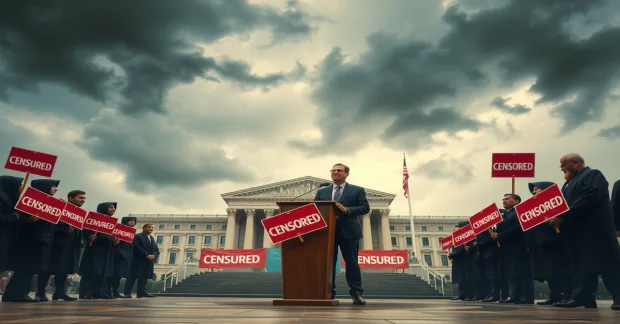
The Ugly Truth: Political Correctness vs Your Free Speech
Truth is, nearly 60% of Americans already feel they can't say what they really think in public, and you know why. You're watching political correctness creep into your job, your church, your kids' schools, quietly telling you what you're “allowed” to say. That's not respect, that's soft censorship. So ask yourself, if you have to second-guess every word, are you actually free, or just carefully managed? Key Takeaways: Is political correctness quietly turning your God-given right to speak into a permission slip controlled by elites? When you self-censor to avoid punishment, haven't they already taken more of your liberty than any statute could? Every time “offensive” words get punished, doesn't the boundary of what's allowed tighten around your throat? If truth needs protection from open debate, are we protecting people or just protecting the narrative from you? Ask yourself: will […]
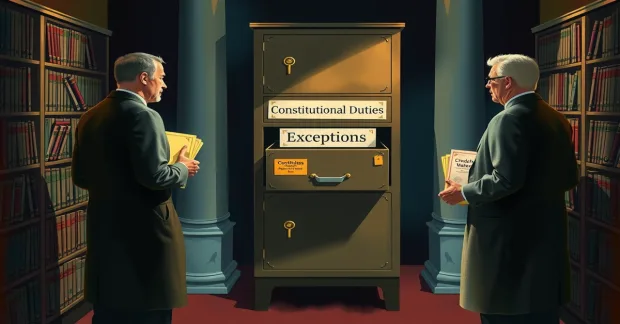
The Hidden Loophole Letting Congress Dodge the Constitution
Congress has quietly shifted lawmaking to unelected bodies, and he, she, and they must ask: who governs when faceless agencies write binding rules? This informative overview explains how the delegation loophole lets lawmakers dodge the Constitution while preserving political cover, and it outlines how advocates can push to reclaim legislative power and constitutional accountability. Key Takeaways: Who's really writing the rules that shape your rights? — Congress increasingly delegates lawmaking to agencies, letting unelected officials issue binding regulations that affect daily life. Is delegation sharing power or abandoning it? — The Constitution vests legislative power in Congress; widespread delegation has turned policy-making into agency-driven rulemaking. How did the courts enable this transfer? — The “intelligible principle” doctrine lets statutes authorize broad agency action with minimal guidance, creating a legal escape hatch for lawmakers. Feel the accountability gap? — Delegation lets […]

The Fifth Amendment Loophole Police Don’t Want You to Know
As you consider your rights, you may think that staying silent is a foolproof way to protect yourself, but what if your silence could be used against you? You need to understand that invoking your Fifth Amendment right isn't as simple as just staying quiet, and not knowing the loophole could cost you your freedom. Can you afford to remain uninformed about the potential consequences of your silence, or will you take the necessary steps to protect yourself? Key Takeaways: Are you aware that your silence can be used against you in a court of law, even if you think you're protected by the Fifth Amendment? What if staying silent could actually hurt you, rather than help you? Do you know that the Fifth Amendment loophole allows prosecutors to interpret your silence as evidence of guilt, unless you explicitly invoke […]

Is Gun Registration a Step Toward Confiscation?
It's your right at stake when gun registration moves from recordkeeping to control. Ask yourself: Is registration about safety or seizure? History shows registration often precedes restrictions and sometimes confiscation. You must weigh your privacy against promised safety and expanding governmental access. Stay informed, demand limits, protect your freedom. Key Takeaways: Registration risks creating searchable owner databases — could local records become a national registry? History shows registration often precedes restrictions, bans, and forced buybacks. Who accesses your firearm records — law enforcement, federal agencies, or hackers? If criminals won't register, why should law‑abiding owners surrender privacy and control? State-level registries can be combined de facto into a federal database with data sharing. Registration ties names to serial numbers — is that permission or a path to prohibition? Protect anonymity: fight registrations that enable tracking, seizure, or bureaucratic permission slips. […]
Related
States Hide This Secret: ID Laws Every Citizen Must Know
There's a weird comfort in thinking you know your rights until a cop stops you. You walk out the door assuming you're free to roam, but state statutes are actually a legal minefield waiting to trip you up. It's scary. So, do you really need that plastic card just to walk down the street? Sometimes yes. Since the Justice Department Has Demanded Voter Files from at ... least 21 states, we know the government is watching closely. You could be risking fines just by existing in public without papers. Key Takeaways: Ever assume the rules are the same everywhere you go? They definitely aren't. There isn't a single federal law forcing you to hold plastic. Instead, you face a messy patchwork of state-level ID requirements. So what applies in Ohio might get you in trouble in Texas. States hide this […]
DOJ Criticized: Too Tough or Too Soft on Hate Crimes?
Most days you just want to know if your family is actually safer when the DOJ steps into hate crime cases, right? You're stuck hearing that hate crimes are climbing, yet you also hear arguments that federal prosecutors are either swinging too hard or barely swinging at all, so how are you supposed to feel confident in your rights? And when you see bias attacks exploding across race, religion, and identity, you can't help asking yourself: is your Justice Department protecting you... or leaving you hanging? Key Takeaways: Are You Willing To Question How Safe Your Rights Really Are? Hate crime reports keep climbing, yet DOJ prosecutions lag, sparking fear that bias violence is outrunning federal accountability. Civil rights groups say DOJ goes soft, declining clear hate cases and leaving victims asking, "Who actually has our backs?" Civil liberties advocates […]
The Ugly Truth: Political Correctness vs Your Free Speech
Truth is, nearly 60% of Americans already feel they can't say what they really think in public, and you know why. You're watching political correctness creep into your job, your church, your kids' schools, quietly telling you what you're “allowed” to say. That's not respect, that's soft censorship. So ask yourself, if you have to second-guess every word, are you actually free, or just carefully managed? Key Takeaways: Is political correctness quietly turning your God-given right to speak into a permission slip controlled by elites? When you self-censor to avoid punishment, haven't they already taken more of your liberty than any statute could? Every time “offensive” words get punished, doesn't the boundary of what's allowed tighten around your throat? If truth needs protection from open debate, are we protecting people or just protecting the narrative from you? Ask yourself: will […]
The Hidden Loophole Letting Congress Dodge the Constitution
Congress has quietly shifted lawmaking to unelected bodies, and he, she, and they must ask: who governs when faceless agencies write binding rules? This informative overview explains how the delegation loophole lets lawmakers dodge the Constitution while preserving political cover, and it outlines how advocates can push to reclaim legislative power and constitutional accountability. Key Takeaways: Who's really writing the rules that shape your rights? — Congress increasingly delegates lawmaking to agencies, letting unelected officials issue binding regulations that affect daily life. Is delegation sharing power or abandoning it? — The Constitution vests legislative power in Congress; widespread delegation has turned policy-making into agency-driven rulemaking. How did the courts enable this transfer? — The “intelligible principle” doctrine lets statutes authorize broad agency action with minimal guidance, creating a legal escape hatch for lawmakers. Feel the accountability gap? — Delegation lets […]
The Fifth Amendment Loophole Police Don’t Want You to Know
As you consider your rights, you may think that staying silent is a foolproof way to protect yourself, but what if your silence could be used against you? You need to understand that invoking your Fifth Amendment right isn't as simple as just staying quiet, and not knowing the loophole could cost you your freedom. Can you afford to remain uninformed about the potential consequences of your silence, or will you take the necessary steps to protect yourself? Key Takeaways: Are you aware that your silence can be used against you in a court of law, even if you think you're protected by the Fifth Amendment? What if staying silent could actually hurt you, rather than help you? Do you know that the Fifth Amendment loophole allows prosecutors to interpret your silence as evidence of guilt, unless you explicitly invoke […]
Is Gun Registration a Step Toward Confiscation?
It's your right at stake when gun registration moves from recordkeeping to control. Ask yourself: Is registration about safety or seizure? History shows registration often precedes restrictions and sometimes confiscation. You must weigh your privacy against promised safety and expanding governmental access. Stay informed, demand limits, protect your freedom. Key Takeaways: Registration risks creating searchable owner databases — could local records become a national registry? History shows registration often precedes restrictions, bans, and forced buybacks. Who accesses your firearm records — law enforcement, federal agencies, or hackers? If criminals won't register, why should law‑abiding owners surrender privacy and control? State-level registries can be combined de facto into a federal database with data sharing. Registration ties names to serial numbers — is that permission or a path to prohibition? Protect anonymity: fight registrations that enable tracking, seizure, or bureaucratic permission slips. […]