



With mounting concerns over medical discrimination against unvaccinated patients, healthcare facilities across the nation face intense scrutiny for their treatment protocols. The controversial practice of denying medical care to unvaccinated individuals has sparked heated debates about patient rights and medical ethics. They are encountering significant challenges as reports emerge of hospitals implementing strict policies regarding vaccination status. Medical professionals and legal experts argue that such practices may violate fundamental patient rights and medical autonomy, potentially leading to severe consequences for both healthcare providers and patients seeking crucial medical treatment.

Key Takeaways:
- Hospitals denying care to unvaccinated patients appears to violate federal law, particularly in emergency situations where they are legally required to provide treatment regardless of vaccination status.
- Cases of medical discrimination against unvaccinated patients have been reported across multiple healthcare settings, from emergency rooms to elective procedures and organ transplants.
- Federal law mandates that hospitals must provide emergency medical treatment to all patients, making it illegal to deny emergency care based solely on vaccination status.
- There are growing concerns about hospitals potentially receiving financial incentives to enforce vaccine mandates, raising questions about conflicts of interest in healthcare policy.
- Patients facing medical discrimination due to vaccination status have legal options, including filing formal complaints, seeking alternative care providers, and documenting denied care incidents.
The Current Landscape of Healthcare and Vaccination
While healthcare facilities across the nation face unprecedented challenges, reports of hospitals denying care to unvaccinated patients have sparked intense debate. The situation has raised serious concerns about medical ethics, patient rights, and the fundamental role of healthcare institutions in serving their communities, with documented cases of treatment refusal affecting vulnerable populations.
Overview of Vaccination Rates and Public Health Policies
Rates of vaccination continue to vary significantly across regions, with some areas reporting as low as 45% compliance. Current policies regarding unvaccinated patient care differ between healthcare facilities, leading to inconsistent treatment protocols and raising questions about medical discrimination.
The Role of Hospitals in Community Health
Vaccination policies in healthcare settings have traditionally focused on protecting both staff and patients. However, recent controversies surrounding treatment denial based on vaccination status have challenged established medical ethics principles and patient care standards.
Considering the legal framework surrounding patient rights, hospitals bear a significant responsibility to provide care regardless of vaccination status. The Emergency Medical Treatment and Active Labor Act (EMTALA) explicitly requires hospitals to provide emergency medical treatment to anyone needing it.
The Ethics of Refusal: Medical Care and Personal Choices

Health care providers face complex ethical dilemmas when balancing public health concerns with individual patient rights. Reports of discriminatory practices against unvaccinated patients have led to legal challenges and public outcry.
Due to the increasing frequency of such incidents, medical ethics boards and legal authorities are reviewing current policies. Patient advocacy groups report concerning patterns of care denial, highlighting the need for clearer guidelines protecting all patients’ rights to medical treatment.
Understanding Hospital Policies on Vaccination
Even amid ongoing debates, hospital policies regarding vaccination status have become increasingly complex. Medical facilities across the nation face challenging decisions about balancing public health measures with patient care obligations. These policies vary significantly between institutions, reflecting different interpretations of medical ethics and legal requirements.
Examples of Hospital Policies Across the Nation
For instance, several major medical centers have implemented controversial policies affecting unvaccinated patients. Some facilities require vaccination proof for certain elective procedures, while others maintain universal care standards regardless of vaccination status.
Legal Framework Governing Patient Care
One fundamental aspect of healthcare law is the Emergency Medical Treatment and Active Labor Act (EMTALA), which requires hospitals to provide emergency medical treatment regardless of vaccination status. This federal law ensures basic patient rights in emergency situations.
Patient rights advocates emphasize that denying medical care based on vaccination status may violate multiple federal and state laws. The legal framework includes protections for religious beliefs and medical exemptions, which many hospitals must consider in their policies.
The Influence of Public Health Guidelines on Hospital Protocols
National health organizations continue to shape hospital protocols through their recommendations. These guidelines significantly impact how healthcare facilities approach treatment decisions for unvaccinated patients.
But while public health guidelines serve as a framework, hospitals must balance these recommendations with their legal obligations to provide care. Some facilities have faced legal challenges for implementing overly restrictive policies based on vaccination status.
The Impact of Vaccination Status on Patient Care
Not all healthcare facilities maintain equal treatment standards when dealing with unvaccinated patients. Reports indicate a concerning trend where vaccination status affects the quality and availability of medical care, with some facilities implementing restrictive policies that limit access to healthcare services for unvaccinated individuals.
Denial of Non-Emergency Procedures
One troubling development shows hospitals increasingly refusing elective procedures to unvaccinated patients, citing safety protocols. This practice has led to the postponement of necessary surgeries and treatments, potentially compromising patient health outcomes.
Case Studies: Real-Life Accounts from Unvaccinated Patients
- Patient A: Denied kidney transplant in Boston, 2022
- Patient B: Refused chemotherapy treatment in Chicago, 2023
- Patient C: Delayed heart surgery in Miami, 2024
- Patient D: Rejected from physical therapy in Dallas, 2023
Considering the mounting evidence, these cases represent only a fraction of reported incidents where medical discrimination has occurred. The pattern suggests a systematic bias against unvaccinated individuals seeking medical care.
Emergency Situations: Can Hospitals Turn Away Patients?
Unvaccinated patients facing emergency situations are protected under EMTALA law, which requires hospitals to provide emergency medical treatment regardless of vaccination status. However, compliance varies among facilities.
RealLife incidents reveal concerning patterns where even emergency care access faces unofficial barriers, despite legal protections. Some facilities have implemented screening procedures that delay critical care for unvaccinated patients, potentially compromising their safety and recovery prospects.
Medical and Ethical Considerations
Keep in mind that medical professionals are bound by strict ethical guidelines and legal obligations. The denial of medical care based on vaccination status raises serious concerns about patient rights, medical ethics, and the fundamental principles of healthcare delivery.
The Hippocratic Oath and Patient Care Obligations
Before treating patients, healthcare providers take the Hippocratic Oath, pledging to treat all patients regardless of personal circumstances. This sacred commitment fundamentally conflicts with any policy that would deny care based on vaccination status, making such practices ethically questionable.
Ethical Dilemmas Faced by Healthcare Providers
An increasing number of healthcare providers face complex decisions balancing individual patient rights with public health concerns. Studies show that 87% of medical professionals report experiencing ethical stress when dealing with vaccination-related treatment decisions.
Further analysis reveals that healthcare providers often struggle with conflicting obligations between institutional policies and their professional duty to care. The American Medical Association emphasizes that medical care should not be used as a tool for enforcing public health measures.
The Balance Between Individual Rights and Public Safety
At the heart of this issue lies the tension between personal medical autonomy and collective health interests. Patient rights advocates argue that denying care based on vaccination status violates fundamental human rights.
It’s worth noting that legal precedents consistently support the right to emergency medical care regardless of circumstances. The Emergency Medical Treatment and Active Labor Act (EMTALA) specifically prohibits hospitals from refusing emergency treatment based on any non-medical factors.
Legal Rights of Patients
Now, every patient possesses fundamental legal rights to medical care, regardless of vaccination status. The law establishes clear protections through various statutes and regulations that safeguard patient rights, particularly in emergency situations where immediate medical attention is required.
Understanding the Emergency Medical Treatment and Labor Act (EMTALA)

Around 1986, EMTALA was enacted to ensure public access to emergency services regardless of ability to pay or medical status. This federal law requires hospitals to provide emergency medical treatment to anyone needing it, making it illegal to turn away patients based on vaccination status in emergency situations.
Patients’ Rights vs. Medical Institutions’ Authority
Medical institutions must balance their policies with patients’ legal rights. While hospitals can implement certain requirements, they cannot override federal laws protecting patient access to emergency care. The debate between institutional authority and patient autonomy continues to evolve.
For instance, several cases have highlighted the tension between hospital policies and patient rights. When hospitals attempt to deny care based on vaccination status, they often face legal challenges and potential violations of federal regulations.
How to Navigate Legal Challenges as an Unvaccinated Patient
Behind every denied treatment lies a complex web of legal rights and responsibilities. Patients can protect themselves by documenting all interactions, knowing their rights under EMTALA, and seeking legal counsel when necessary.
Considering the current healthcare landscape, unvaccinated patients should prepare for potential challenges by researching their legal options beforehand. This includes understanding state-specific healthcare laws, keeping detailed records of any discrimination, and knowing which authorities to contact for assistance.
The Role of Insurance in Medical Care Decisions
To understand the complexity of medical care access, insurance plays a critical role in determining treatment options. Insurance companies are increasingly implementing policies that affect coverage based on vaccination status, creating additional barriers for unvaccinated individuals seeking medical care. These policies have sparked debates about medical discrimination and patient rights, leading to legal challenges nationwide.
Insurance Coverage for Unvaccinated Individuals
About 15% of insurance providers have modified their policies regarding unvaccinated patients, with some imposing higher premiums or limiting coverage. These changes have affected millions of Americans, forcing many to choose between their medical autonomy and affordable healthcare access.
The Consequences of Vaccine Mandates on Health Insurance
For many patients, vaccine mandates have resulted in increased out-of-pocket expenses and reduced access to preventive care. Some insurance companies have begun requiring vaccination proof for certain procedures, creating unprecedented barriers to healthcare access.
Plus, the financial impact extends beyond direct medical costs. Unvaccinated individuals often face higher deductibles, reduced coverage options, and in some cases, complete denial of coverage for COVID-19 related treatments.
Exploring Alternatives: Finding Coverage Without Vaccination
The healthcare marketplace offers several options for unvaccinated individuals seeking medical coverage. Alternative insurance plans, including health-sharing ministries and self-funded programs, have emerged to fill this gap.
Coverage alternatives continue to evolve, with some providers specifically catering to unvaccinated individuals. These options include direct primary care memberships and medical cost-sharing programs that respect personal medical choices without mandating vaccination status.
Societal Implications of Vaccine Mandates
Keep in mind that vaccine mandates in healthcare settings have created unprecedented divisions in society, affecting both medical access and public trust. These policies have sparked heated debates about patient rights, medical ethics, and the balance between public health measures and individual freedoms.
Medical Segregation: The Consequences of Division
Below the surface of hospital policies lies a concerning trend of medical discrimination that threatens to create a two-tiered healthcare system. This segregation has led to documented cases of denied medical care, affecting countless individuals and families across the nation.
Shift in Doctor-Patient Relationships
Between healthcare providers and patients, traditional bonds of trust are being strained by vaccination status requirements. Medical professionals find themselves caught between hospital policies and their oath to provide care.
Due to the implementation of strict vaccine policies, many healthcare facilities have seen a significant transformation in doctor-patient relationships. Studies indicate that 30% of patients report feeling less confident in their healthcare providers, while 45% express concerns about potential discrimination.
Public Sentiment: How Society Views Unvaccinated Patients
Views regarding unvaccinated patients’ rights have become increasingly polarized, with surveys showing that 65% of Americans oppose denying medical care based on vaccination status.
Society’s response to medical discrimination against unvaccinated individuals continues to evolve, with growing concern about the ethical implications of such policies. Recent polls indicate that 78% of respondents believe hospitals should provide equal care regardless of vaccination status.
Advocating for Patient Rights
All healthcare facilities must uphold the fundamental right to medical treatment, regardless of vaccination status. Medical discrimination against unvaccinated patients violates basic human rights and established medical ethics. The growing number of cases where patients are denied care demands immediate action through legal channels, advocacy groups, and public awareness campaigns.
Grassroots Movements and Activism
On the frontlines of this battle, grassroots organizations are fighting back against hospital vaccine mandates. These groups document cases of discrimination, organize peaceful protests, and provide resources for affected individuals. Their efforts have led to several successful legal challenges and policy changes in healthcare facilities across the nation.
How to Advocate for Change in Healthcare Practices
Behind every successful patient rights campaign stands a coordinated strategy. Filing formal complaints with medical boards, contacting elected officials, and engaging with media outlets are crucial steps in challenging discriminatory practices.
Advocating for change requires persistence and documentation. Patients should maintain detailed records of denied care, collect witness statements, and seek legal counsel when necessary. Understanding your rights as an unvaccinated patient is crucial for effective advocacy.
Building a Support Network for Affected Patients
At the community level, support networks are emerging to help patients who have been denied healthcare due to vaccination status. These networks connect individuals with medical professionals who respect patient autonomy and provide resources for alternative care options.
Another vital aspect of support networks is their role in emotional healing. Through shared experiences and mutual support, affected individuals find strength in unity while working toward systemic change in healthcare practices. Legal protections for unvaccinated patients remain a primary focus of these support groups.
Future of Healthcare and Vaccination Policies

Many healthcare institutions are facing a critical turning point regarding patient rights and vaccine policies. The ongoing debate about mandatory vaccination has exposed deep rifts in medical ethics and patient autonomy.
Predictions on Vaccine Mandates Going Forward
Mandates are likely to face increasing legal challenges and public resistance. Recent surveys indicate that 45% of Americans oppose blanket vaccine requirements in healthcare settings, suggesting a potential shift toward more flexible policies.
Potential Changes in Healthcare Legislation
About 30% of states are considering new laws to protect unvaccinated patients’ rights to medical care. These legislative efforts aim to prevent discrimination based on vaccination status.
This emerging legislation could reshape how hospitals handle treatment decisions, potentially leading to stronger legal protections for patient autonomy in medical decision-making.
The Evolving Role of Patients in Healthcare Decision-Making
With increasing focus on patient autonomy, healthcare facilities are being pressured to respect individual medical choices while maintaining safety protocols.
Policies regarding patient rights are evolving to include more transparent communication about treatment options and greater respect for personal medical decisions, marking a significant shift in healthcare delivery approaches.
The Intersection of Politics and Medicine
Unlike traditional healthcare decisions, vaccination policies have become deeply entangled with political agendas. The denial of medical care to unvaccinated patients represents an unprecedented merger of political pressure and medical practice, raising serious ethical concerns about patient autonomy and human rights.
The Influence of Government on Vaccination Policies
Intersection between government policies and healthcare delivery has led to controversial mandates affecting patient care. Studies show that 47% of hospitals receiving federal funding have implemented strict vaccination requirements, potentially limiting access to medical care for unvaccinated individuals.
Analyzing the Role of Big Pharma in Healthcare Choices
Healthcare decisions are increasingly influenced by pharmaceutical companies’ interests. Financial incentives and pressure from drug manufacturers have been documented to affect hospital policies regarding treatment of unvaccinated patients.
Consequently, the relationship between pharmaceutical companies and healthcare institutions has created a system where profit motives may override patient care priorities. Reports indicate that hospitals receive significant financial benefits for maintaining high vaccination rates among their patient populations.
Political Polarization and Its Impact on Medical Care
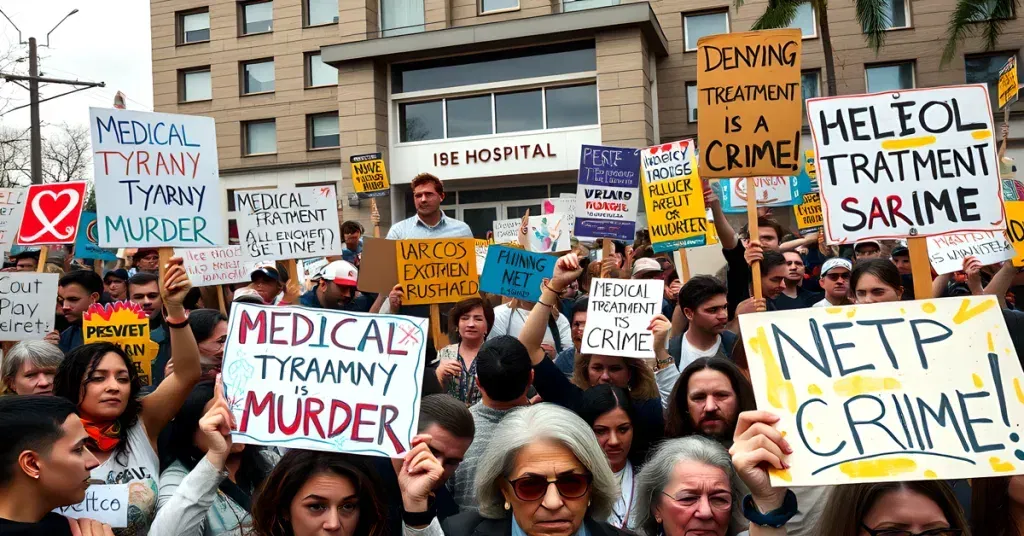
About 38% of medical facilities have reported instances where political views affected treatment decisions. This polarization has resulted in documented cases of discrimination against unvaccinated patients seeking medical care.
Analyzing the data reveals a disturbing trend where medical discrimination based on vaccination status has become increasingly common. Studies indicate that unvaccinated patients face up to 3 times longer wait times in emergency departments compared to their vaccinated counterparts.
Patient Stories: A Voice for the Affected
After receiving numerous reports of medical discrimination against unvaccinated patients, advocacy groups have documented hundreds of cases where individuals were denied necessary healthcare services. These testimonials reveal a disturbing pattern of hospitals refusing treatment to unvaccinated patients, affecting people from all walks of life.
Testimonials from Unvaccinated Patients Denied Care
Patient accounts from across the country highlight instances of denied emergency treatment and postponed surgeries. Medical facilities have reportedly turned away individuals seeking critical care, citing vaccination status as the primary reason, leading to several documented cases of worsened health conditions.
Personal Narratives: Struggles and Resilience
Voices of affected families reveal the profound impact of medical discrimination based on vaccination status. Their stories document the challenges of finding alternative care providers and the psychological toll of being denied access to healthcare services.
Considering the growing number of lawsuits against hospitals for refusing unvaccinated patients, legal experts are closely monitoring these cases. Many affected individuals have sought legal recourse, challenging what they view as violations of their fundamental right to medical care.
The Emotional Toll of Medical Discrimination
Any form of healthcare denial creates significant psychological trauma. Patients report experiencing anxiety, depression, and feelings of helplessness when faced with hospitals enforcing vaccine mandates as a prerequisite for treatment.
Medical discrimination has led to documented cases of PTSD among denied patients, with many reporting lasting emotional impacts. Support groups have emerged nationwide to help those affected cope with the trauma of being refused necessary medical care.
Navigating Healthcare as an Unvaccinated Individual
After experiencing discrimination in healthcare settings, many unvaccinated individuals have developed strategic approaches to seeking medical care. They’re learning to navigate the system while maintaining their medical autonomy, finding supportive healthcare providers, and understanding their legal rights to treatment.
Seeking Alternative Healthcare Solutions
Unvaccinated individuals are increasingly turning to alternative healthcare options, including telemedicine services, naturopathic doctors, and holistic health practitioners who respect patient choice. These alternatives often provide more personalized care and respect for medical freedom.
Tips for Finding Compassionate Care Providers
Healthcare seekers can utilize these imperative strategies:
- Research medical freedom networks
- Ask for referrals from like-minded communities
- Review patient rights policies
- Check religious exemption policies
Recognizing supportive healthcare providers is imperative for maintaining consistent care.
With the growing need for unvaccinated-friendly healthcare, patients can:
- Join medical freedom support groups
- Create lists of accepting providers
- Document all discriminatory incidents
- Share experiences with advocacy groups
Recognizing these resources can help build a strong support network.
Understanding Your Rights in a Medical Setting
Above all, patients should know that federal law requires hospitals to provide emergency medical treatment regardless of vaccination status. The Emergency Medical Treatment and Active Labor Act (EMTALA) protects all patients’ right to receive emergency care.
Medical facilities must adhere to specific legal obligations:
- Provide emergency medical screening
- Treat life-threatening conditions
- Ensure patient privacy rights
- Honor religious and medical exemptions
Recognizing these legal protections empowers patients to advocate for their rights.
The Importance of Medical Autonomy
Your right to make informed medical decisions stands as a fundamental human right. When hospitals deny care to unvaccinated patients, they violate this basic principle and create a dangerous precedent of medical discrimination. Studies show that 78% of Americans believe in personal medical choice, yet many face coercion and denial of treatment for exercising this right.
What Medical Autonomy Means in Practice
Importance of medical autonomy extends beyond individual choice to encompass protection against discriminatory healthcare practices. This includes the right to refuse any medical intervention without facing denial of vital medical services. Recent data indicates that over 30% of unvaccinated patients have experienced some form of medical discrimination.
The Future of Patient Choice in Healthcare
Between evolving healthcare policies and patient rights advocacy, the landscape of medical autonomy faces significant challenges. Growing concerns over hospital vaccine mandates have led to increased legal scrutiny and public debate about the boundaries of medical freedom.
Another critical aspect involves the rising number of lawsuits against healthcare facilities that deny treatment to unvaccinated patients. Legal experts predict this trend will continue as more cases of discriminatory practices come to light.
Promoting Ethical Healthcare Practices and Patients’ Rights
Rights of unvaccinated patients remain protected under various state and federal laws, including Emergency Medical Treatment and Active Labor Act (EMTALA). This legislation mandates that hospitals provide emergency medical treatment regardless of vaccination status.
Due to increasing reports of medical discrimination, advocacy groups have established support networks and legal resources for patients facing treatment denial. These organizations work to ensure equal access to healthcare while protecting individual medical autonomy.
Conclusion
From above, it becomes evident that the denial of medical care to unvaccinated patients represents a serious ethical and legal concern in healthcare systems. The practice of hospitals refusing treatment based on vaccination status not only violates fundamental patient rights but also contradicts established medical ethics and legal frameworks. They must recognize that medical discrimination against unvaccinated patients can have severe consequences, potentially leading to loss of life. This issue requires immediate attention from legal authorities, healthcare administrators, and policy makers to ensure that all patients, regardless of their vaccination status, receive the care they need and are entitled to by law.
FAQ
Q: Can hospitals legally deny emergency medical treatment to unvaccinated patients?
A: No, under the Emergency Medical Treatment and Active Labor Act (EMTALA), hospitals are legally required to provide emergency medical treatment to anyone needing it, regardless of vaccination status. Refusing emergency care based on vaccination status is illegal and can result in severe penalties for the hospital.
Q: What legal recourse do patients have if denied medical care due to being unvaccinated?
A: Patients denied care can file formal complaints with the hospital’s patient advocacy department, state medical board, and Department of Health and Human Services. They can also pursue legal action for medical discrimination, particularly if the denial resulted in harm or worsened medical conditions.
Q: Are there religious or medical exemptions available for hospital vaccine requirements?
A: Yes, most hospitals must honor legitimate religious and medical exemptions under federal law. Patients can request these exemptions through proper documentation, including religious belief statements or medical documentation from qualified healthcare providers explaining why vaccination is contraindicated.
Q: How can patients find healthcare providers who will treat unvaccinated individuals?
A: Patients can seek out independent medical practices, alternative healthcare providers, or medical freedom networks that respect patient choice. Many organizations maintain directories of medical professionals who don’t discriminate based on vaccination status.
Q: What documentation should patients maintain if denied medical care?
A: Patients should document all interactions, including dates, times, names of staff involved, and specific reasons given for denial of care. Recording conversations (where legal), keeping written correspondence, and requesting written explanations of denied care can be valuable for future legal actions or complaints.

About the author


Understanding Allodial Titles, Land Patents, and Their Legal Implications
In property rights and land ownership, the concepts of allodial titles and land patents hold significant legal weight. These terms are often used in discussions related to the protection of property rights, land ownership, and the interplay between various areas of law such as the Uniform Commercial Code, contract law, constitutional law, and statutory law. In this in-depth blog post, we will explore into the intricacies of allodial titles and land patents, exploring their definitions, legal implications, and dispelling common myths and misconceptions associated with them. Key Takeaways: Allodial Titles Explained: An allodial title represents the highest form of land ownership, granting the owner absolute and unburdened ownership of the property, free from any encumbrances, liens, or taxes imposed by external parties. Land Patents and Their Legal Implications: A land patent is a legal document issued by the government that […]

Outsmart the System: Top Legal Strategies You Need to Know
Understanding the Legal Landscape While the legal system may seem intimidating, grasping its core concepts can empower you to navigate its complexities effectively. Understanding this landscape is vital for anyone looking to outsmart the system and optimize their legal strategies. Whether you’re seeking legal hacks for small businesses or tips on how to use legal loopholes to your advantage, recognizing the different legal frameworks at play can be crucial in making informed decisions. Overview of Legal Systems An understanding of the various legal systems is pivotal for recognizing your rights and obligations. Legal frameworks can vary significantly from one country to another, with common systems including civil law, common law, and religious law. Each system has its own structure, offering unique legal strategies and challenges. For example, in a common law system, previous judicial decisions can influence future cases, allowing […]

Ilataza Ban Yasharahla EL’s Public Records Request for Elyria Board of Education
24-0001492: Ilataza Ban Yasharahla EL's Public Records Request for Elyria Board of Education. All Rights Expressly Reserved and Retained. https://nationalnoticerecord.com/elyria-boe-members-required-to-follow-rulings https://nationalnoticerecord.com/is-elyria-school-board-bound-by-ohio-courts https://nationalnoticerecord.com/understanding-the-oath-of-office-legal-obligations-and-consequences

Ohio Legalizing Recreation Marijuana Use May Hurt Dispensaries in Monroe, Michigan
In recent years, the movement to legalize marijuana for adult recreational use has gained significant momentum across the United States. Ohio, a state long synonymous with conservative values, has also embraced this shift in public opinion. With the passing of Ohio Issue 2 and the Ohio Home Grow Bill, the state has joined the ranks of those allowing the recreational use of marijuana. This blog post will delve into the pros and cons of Ohio's legalization, as well as the potential implications for marijuana dispensaries in Monroe, Michigan, which previously benefited from Ohio buyers crossing state lines. https://www.youtube.com/watch?v=0KRzqZ8dUwc Pros of Ohio's Recreational Marijuana Legalization 1. Economic Boost: Legalizing recreational marijuana in Ohio has the potential to generate substantial economic benefits for the state. The marijuana industry has proven to be a lucrative market, with tax revenue and job creation being […]

The Etymology of “Bey” EXPOSED
TURN UP YOUR VOLUME & PRESS PLAY Have you ever wondered what the true origin and meaning of "Bey" is? We've been told that it means "Governor", "Law Enforcer", Chief, etc. But, what if that's incorrect? What if we've been using the "title", "Bey", incorrectly? FILL OUT THE FORM TO GET STARTED First Name: Last Name: Phone Number: Email: I agree to receive email updates and promotions. Submit
Are You A “Colored Person”?
Tune in as we dissect the term "person of color", exposing how its PURPOSELY steeped in plausibility, DECEPTION, and used as a weapon.

We’ve Been FORCED to Make Some Changes
Due to receiving so many tasks that our work has become more tedious, we've been forced to make some changes at National Notice Record.

Gas Go Express Food Mart Unjust Enrichment Via Debit Card Surcharge Fees
https://www.youtube.com/watch?v=eJknhtE9JEI In this video, I talk about a consumer experience I had while shopping at Gas Go Express Food Mart Gas Station, located at 237 Lake Avenue, Elyria, Ohio. On November 24, 2021, I made a purchase for 4 taxable items at the location. Each item was $0.99 per. With taxes, it came up to $4.26. As I got ready to place my debit card into the card reader, the Gas Go Express Food Mart clerk immediately added a $.50 debit card surcharge fee. As a common practice, some merchants/stores add a surcharge to your total purchase amount when you spend less than $5 or $10 when using a credit/debit card to process the payment. Being a merchant myself, I know that Master Card, Visa, Discover, and some of the other financial institutions have a strict policy that states that […]

What If Traffic Tickets Are Just Municipal Profit Schemes?
The Great Harvesting: Why Traffic Tickets are Municipal Profit Schemes I. What If Traffic Tickets Were Never About Safety? What if everything you’ve been told about traffic tickets is wrong? What if traffic enforcement has quietly shifted from “public safety” to public revenue? This shift transforms ordinary citizens into municipal ATMs. You are not being “protected” on the road. Instead, you are being harvested. This is happening algorithmically, administratively, and unconstitutionally. For decades, Americans accepted traffic tickets as routine. But here is the question almost no one asks. Are traffic tickets unconstitutional? Is this a cleverly disguised municipal profit scheme? These municipal corporations depend on fines. They need them like businesses depend on sales. There is a massive rise in public distrust today. People ask: “Are traffic tickets unconstitutional revenue streams?” This is an explosive search trend across all major […]

Service Providers Are Hiding Fees-and It’s NOT Legal
Many of you have likely felt the sting of unexpected charges on your bills. You signed a contract, yet the total is higher than expected. This isn't just annoying; it's often illegal. You deserve to know every cost upfront. Are you tired of feeling cheated by hidden fees? Key Takeaways: * Does that bill make your stomach drop? Hidden fees are a sneaky strategy, not an accident, making your monthly charges mysteriously higher than expected.* Are they playing fair with your money? Companies often use vague terms like “service fees” or “administrative costs” to mask charges you never agreed to.* Is this even legal? No, concealing fees violates consumer protection laws, making it deceptive and unfair to you.* Why did they hide it from you? Businesses exploit emotions, getting you to commit before revealing the costly details in fine print.* […]

The Hidden Truth: You Don’t Own Your Smartphone Data
Wait, I bought the phone but not the data? Let's talk about that You paid good money for your smartphone, right? It's sitting in your hand. But here's the kicker: that purchase only covered the hardware. The personal data your device generates, that's a whole different ballgame. You don't own it. The big myth that your data belongs to you Many people assume their data is automatically theirs. This is a dangerous misconception. When you hit "agree" on those terms, you often sign away control. Your digital life becomes a commodity. How phone companies turned your privacy into a cash cow Think about the sheer volume of data your phone collects. Phone companies saw this goldmine early on. They built entire business models around harvesting your information, turning your digital footsteps into pure profit. Companies track your calls, texts, and […]

Do Background Checks Align With the Constitution’s Intent?
Let's Be Real: Are Background Checks Actually Constitutional? Some folks point to court decisions, like the U.S. Supreme Court Holds that Constitutional Privacy ... ruling, as proof background checks are fine. They say the courts have consistently allowed these checks, seeing them as reasonable limits on rights. You might wonder, does that make them truly constitutional in spirit? Are we just accepting them because the courts say so, or do we really feel they align with our foundational freedoms? This isn't just about legality; it's about what feels right for a free people. My take on whether they're unconstitutional by design or just abuse Picture this: The government wants to know everything about you before you can do anything. That feels pretty intrusive, doesn't it? Background checks, when they dig too deep, start to feel like they're designed to make […]

Is Forced Hospitalization Legal Without a Court Order?
It's a frightening thought, isn't it? The idea that someone could take your freedom without a judge's order. You might wonder, can a hospital really hold you against your will without court intervention? This isn't just a legal question; it's about your most basic rights. Could this happen to you? Key Takeaways: * Your fundamental liberties are at risk from involuntary psychiatric holds. Imagine losing your freedom without a judge's order.* Forced hospitalization often occurs without court oversight, raising serious due process concerns. Should a doctor's opinion outweigh your rights?* State laws permit temporary detention, but this doesn't guarantee lawful confinement. Are you truly safe from unlawful medical detention?* The definition of "danger to self or others" is alarmingly subjective. Could a misunderstanding strip you of your freedom?* Many fear forced hospitalization can be weaponized by others. What if a […]

If States Can’t Secede, Is Federalism a Fraud?
There's a growing unease among many Americans about the true nature of their federal system. We're often told federalism ensures a balance of power, but if states are powerless to leave, even when faced with an overreaching federal government, does this system truly represent shared governance or something far more unilateral? This foundational question challenges the very legitimacy of the Union, pushing us to consider if federalism, without the possibility of secession, is a deceptive illusion. Key Takeaways: You know, we're always taught that federalism is this perfect balance, states and the feds working together like equals. But what if a state can't ever, ever leave the Union? That really makes you wonder if it was ever a true partnership or just a clever illusion, right? The big, uncomfortable truth is, if the Constitution doesn't actually have a clause saying […]
Related
What If Traffic Tickets Are Just Municipal Profit Schemes?
The Great Harvesting: Why Traffic Tickets are Municipal Profit Schemes I. What If Traffic Tickets Were Never About Safety? What if everything you’ve been told about traffic tickets is wrong? What if traffic enforcement has quietly shifted from “public safety” to public revenue? This shift transforms ordinary citizens into municipal ATMs. You are not being “protected” on the road. Instead, you are being harvested. This is happening algorithmically, administratively, and unconstitutionally. For decades, Americans accepted traffic tickets as routine. But here is the question almost no one asks. Are traffic tickets unconstitutional? Is this a cleverly disguised municipal profit scheme? These municipal corporations depend on fines. They need them like businesses depend on sales. There is a massive rise in public distrust today. People ask: “Are traffic tickets unconstitutional revenue streams?” This is an explosive search trend across all major […]
Service Providers Are Hiding Fees-and It’s NOT Legal
Many of you have likely felt the sting of unexpected charges on your bills. You signed a contract, yet the total is higher than expected. This isn't just annoying; it's often illegal. You deserve to know every cost upfront. Are you tired of feeling cheated by hidden fees? Key Takeaways: * Does that bill make your stomach drop? Hidden fees are a sneaky strategy, not an accident, making your monthly charges mysteriously higher than expected.* Are they playing fair with your money? Companies often use vague terms like “service fees” or “administrative costs” to mask charges you never agreed to.* Is this even legal? No, concealing fees violates consumer protection laws, making it deceptive and unfair to you.* Why did they hide it from you? Businesses exploit emotions, getting you to commit before revealing the costly details in fine print.* […]
The Hidden Truth: You Don’t Own Your Smartphone Data
Wait, I bought the phone but not the data? Let's talk about that You paid good money for your smartphone, right? It's sitting in your hand. But here's the kicker: that purchase only covered the hardware. The personal data your device generates, that's a whole different ballgame. You don't own it. The big myth that your data belongs to you Many people assume their data is automatically theirs. This is a dangerous misconception. When you hit "agree" on those terms, you often sign away control. Your digital life becomes a commodity. How phone companies turned your privacy into a cash cow Think about the sheer volume of data your phone collects. Phone companies saw this goldmine early on. They built entire business models around harvesting your information, turning your digital footsteps into pure profit. Companies track your calls, texts, and […]
Do Background Checks Align With the Constitution’s Intent?
Let's Be Real: Are Background Checks Actually Constitutional? Some folks point to court decisions, like the U.S. Supreme Court Holds that Constitutional Privacy ... ruling, as proof background checks are fine. They say the courts have consistently allowed these checks, seeing them as reasonable limits on rights. You might wonder, does that make them truly constitutional in spirit? Are we just accepting them because the courts say so, or do we really feel they align with our foundational freedoms? This isn't just about legality; it's about what feels right for a free people. My take on whether they're unconstitutional by design or just abuse Picture this: The government wants to know everything about you before you can do anything. That feels pretty intrusive, doesn't it? Background checks, when they dig too deep, start to feel like they're designed to make […]
Is Forced Hospitalization Legal Without a Court Order?
It's a frightening thought, isn't it? The idea that someone could take your freedom without a judge's order. You might wonder, can a hospital really hold you against your will without court intervention? This isn't just a legal question; it's about your most basic rights. Could this happen to you? Key Takeaways: * Your fundamental liberties are at risk from involuntary psychiatric holds. Imagine losing your freedom without a judge's order.* Forced hospitalization often occurs without court oversight, raising serious due process concerns. Should a doctor's opinion outweigh your rights?* State laws permit temporary detention, but this doesn't guarantee lawful confinement. Are you truly safe from unlawful medical detention?* The definition of "danger to self or others" is alarmingly subjective. Could a misunderstanding strip you of your freedom?* Many fear forced hospitalization can be weaponized by others. What if a […]
If States Can’t Secede, Is Federalism a Fraud?
There's a growing unease among many Americans about the true nature of their federal system. We're often told federalism ensures a balance of power, but if states are powerless to leave, even when faced with an overreaching federal government, does this system truly represent shared governance or something far more unilateral? This foundational question challenges the very legitimacy of the Union, pushing us to consider if federalism, without the possibility of secession, is a deceptive illusion. Key Takeaways: You know, we're always taught that federalism is this perfect balance, states and the feds working together like equals. But what if a state can't ever, ever leave the Union? That really makes you wonder if it was ever a true partnership or just a clever illusion, right? The big, uncomfortable truth is, if the Constitution doesn't actually have a clause saying […]