Many treat the badge like a shield, but you feel it can become a sword when rights are ignored. You’ve granted officers power to protect the Constitution, not to pick and choose which rights survive. So when unlawful searches, impunity and selective enforcement happen, they steal trust, breed fear… What will you do?
Key Takeaways:
- Police are breaking the Constitution, and that betrays the people’s trust. We gave officers power to serve us, not rule over us.
- Unlawful searches and seizures are being normalized under vague probable cause claims. How would you feel if your home could be entered without a real warrant?
- Qualified immunity shields misconduct, leaving victims without justice. So officers can violate rights until some court says otherwise – that’s insane, right?
- When enforcement ignores the Constitution, trust dies and communities fracture. Fear replaces faith, and justice looks like favoritism.
- Wrongful arrests, raids without warrants, and silenced protesters show the harm. These aren’t distant stories – they’re our neighbors, our friends, maybe even you.
- The Constitution was given to us; we must insist it’s enforced. Teach your rights, demand transparency, and push for meaningful accountability.
- Silence lets power rewrite our freedoms in secret. Do we want a nation where the law only applies to some?
So, What’s the Deal? Understanding Police and the Constitution
What exactly happens when the oath means less than the badge? You see it in cases where warrants vanish, stops turn into seizures, and silence is treated like guilt. Departments put that oath in training manuals and on signing day, but practice often diverges. The gap is not just procedural. It erodes trust, and trust runs the entire system.
Read the scholarship that lays this out plainly, like “The Unconstitutional Police” by Brandon Hasbrouck, and you’ll see the problem is structural. Courts, doctrines, and agency cultures interact to make constitutional promises hollow. When you understand those mechanics, you see why reforms must attack policy, law, and culture together.
Why Are Police Officers Sworn to Protect the Constitution Anyway?
Why does an oath matter when power can feel absolute on the street? Because that oath is the legal and moral anchor holding public power in check. Every officer, in state law or department policy, pledges to uphold the Constitution. That pledge means your rights should shape policing, not the other way around.
In practice, this oath translates into concrete limits: no unreasonable searches, no seizures without probable cause, equal protection for everyone. When those limits are ignored, the oath stops being symbolic. You lose the main legal shield intended to protect you from government overreach. The result is not just legal harm, it’s loss of public legitimacy.
How Do You Break an Oath? The Real Implications of Police Misconduct
How does an oath get broken without anyone calling foul? Often it happens slowly, through routine practices that chip away at rights. Policies like broad stop-and-frisk, aggressive warrantless entries, and vague probable cause standards create space for violations. Then qualified immunity often prevents legal accountability.
When courts dismiss cases early, victims rarely see accountability. Section 1983 suits pile up, but many end at summary judgment because prior case law is narrowly tailored. Qualified immunity shields misconduct unless a court has already held an identical act unconstitutional. That creates a perverse incentive structure.
Consider federal pattern-or-practice findings. The DOJ’s post-Ferguson report found systemic constitutional violations by local police. Those findings show how policy, training, and supervision combine to break the oath at scale. For you, that means incidents you think are isolated may actually be symptoms of a department-wide failure.
The Disconnection Between Duty and Reality – What’s Actually Happening Out There?
Why do duty and reality often look nothing alike on the street? Because enforcement priorities, incentives, and department culture can override the oath. You see this in racial disparities, militarized raids, and aggressive crowd control tactics that target protest speech. The consequences are measurable.
Data on police killings and stops show stark racial gaps. Black people are nearly three times more likely to die during police interactions than white people. High-profile failures, like the Breonna Taylor raid and the Ferguson unrest, expose how policies and practices translate into real harm for communities. Those harms weaken the constitutional promise you were given.
On top of that, internal accountability rarely matches public outrage. Very few officers face criminal charges after deadly encounters. Discipline is inconsistent. So when you see a pattern of harm, it often persists. That gap between duty and consequence is where the oath frays most dangerously.
It’s About More Than Just an Oath: The Impact of Ignoring the Constitution
This matters to you because constitutional breaches change how you walk the streets and sleep at night.
When officers treat the Constitution as optional, your rights get clipped quietly, then permanently. You see it in slower justice and in legal remedies that often fail.
When Cops Cross the Line – Examples of Real-Life Violations
Remember the NYPD stop-and-frisk spike that produced more than 4 million stops between 2004 and 2012. Eighty-seven percent of those stopped were Black or Latino, often without cause.
The Ferguson DOJ report found patterns of unconstitutional policing and biased ticketing. And high-profile tragedies like Breonna Taylor’s no-knock raid and George Floyd’s murder pushed the nation to a breaking point, while Derek Chauvin’s 2021 conviction showed limited accountability.
The Ripple Effect: What Happens to Communities When Rights Are Ignored
When rights vanish, neighborhoods fracture. Crime reporting drops because residents distrust officers, so public safety actually worsens.
Local economies suffer too – lost investment, strained social services, and schools that must cope with rising stress and fewer resources. Families move away, and civic life frays.
You end up paying the price in taxes and trauma. Mental health crises climb after repeated stops, searches, and aggressive policing. Local nonprofits report more counseling needs and fewer donations.
How Trust in Law Enforcement Totally Plummets
Trust collapses slowly, then all at once. You stop calling the police when you need them because fear beats hope.
Elected officials lose leverage to demand reform when communities withdraw cooperation. Investigations stall and prosecutions weaken without witnesses willing to speak.
You see it in petty crime and in cold cases that never get solved. One study found community cooperation dropped significantly after high-profile police abuses, so the whole system weakens.

The 14th Amendment: Why It Matters and How It’s Sometimes Overlooked
You should care because the 14th Amendment is the guardrail between state power and your liberty. It limits what state actors, including police, can do to your body, your home, and your life.
Adopted in 1868, it packs two promises you use every day: due process and equal protection under the law. When those promises are ignored, your rights don’t just slip away – trust in the whole system frays.
Equal Protection Under What? Understanding 14th Amendment Violations
The Equal Protection Clause sounds simple, but courts make it hard to win claims against police. You usually must prove the officer acted with discriminatory intent, not just disparate impact.
That high bar lets patterns of selective enforcement survive scrutiny. Cases like Floyd v. City of New York showed stop-and-frisk violated Fourth and Fourteenth rights, yet many local patterns still persist.
The Ugly Truth About Bias and Discrimination in Policing
If you’ve been stopped, you know discretion can feel like a loaded gun. Studies of more than 100 million traffic stops found Black drivers were searched more often, despite lower hit rates for contraband.
And this isn’t just about one bad apple – it’s about systems that push officers toward racialized choices. Implicit bias matters, but structural incentives do too, like arrest quotas or revenue-driven fines.
More to the point: when officers get away with biased choices, the next stop might be the one that costs a life. That’s why patterns matter as much as individual acts.
Real Stories of Racial Profiling That Made Headlines – And Hearts Break
Sandra Bland’s 2015 traffic stop spiraled into detention and death, and it hit you because it began with a minor signal violation. Philando Castile’s 2016 traffic stop ended with a fatal shot during a lawful stop.
George Floyd’s murder in 2020 exposed how routine force can become fatal when unchecked. Those cases aren’t isolated headlines – they map a pattern you feel in your neighborhood.
Settlement numbers tell the toll: the City of Minneapolis paid $27 million to George Floyd’s family, Louisville agreed to $12 million over Breonna Taylor, and other families received millions more. Those figures show both harm and the state admitting failure.
Qualified Immunity – A Safety Net or a License to Act Recklessly?
You watch the body-cam clip at night: an officer breaks down a door, no warrant shown, a family terrified. The civil suit follows, then a judge tosses it early on qualified immunity grounds. You feel the unfairness keenly, because the rule says an officer is protected unless a prior case spelled out the exact same wrong.
That legal shortcut turns obvious misconduct into a legal maze. It leaves victims with bruises, bills, and no accountability while officers walk away shielded by doctrine. You start to ask, who really bears the cost when the law protects the enforcer more than the harmed?
What Even Is Qualified Immunity? Let’s Break It Down
Qualified immunity is a judicial rule that bars civil suits against government officials unless they violated a clearly established constitutional right. In practice, that means you must point to a past case with nearly identical facts. That bar is high, and often decisive.
Originally meant to stop frivolous lawsuits, the doctrine now functions as a procedural gate. Courts use it to dismiss cases at summary judgment, so most claims never reach a jury. The result: victims rarely see full hearings, and many constitutional questions never create guiding precedents.
Landmark Cases You Should Know That Changed the Game
Pierson v. Ray in 1967 first opened the door to immunity concepts, but Harlow v. Fitzgerald in 1982 tightened things sharply. Harlow replaced subjective standards with an objective test, making it harder for plaintiffs to prevail.
Saucier v. Katz in 2001 required courts to address constitutional violations first, then immunity. That seemed hopeful, until Pearson v. Callahan in 2009 let courts skip the constitutional question. Since then, you’ve seen fewer clear precedents arise.
Other cases matter too: Anderson v. Creighton in 1987 emphasized the “clearly established” prong, and Hope v. Pelzer in 2002 carved out some exceptions. Together these rulings created a patchwork that protects officers and starves the law of defining rulings.
Here’s Why Qualified Immunity Frustrates Justice for Victims
Because the rule demands an almost identical prior case, many valid claims fail on technicalities. You can show an unlawful entry, or excessive force, yet lose because no earlier decision matched those exact details. It’s maddening.
Courts dismiss claims early, lawyers often push settlements to avoid protracted fights, and victims walk away with little closure. Meanwhile, officers rarely pay personally, and systemic problems stay hidden. The doctrine creates incentives that protect mistakes more than correcting them.
That pattern chills accountability: fewer published rulings mean fewer clear rules for officers. So the cycle continues – harms happen, suits fail, and the constitutional line keeps getting blurred.

The Silent Epidemic: How Civil Rights Violations Are Overlooked Daily
Like a hairline crack in a historic building, small rights violations widen until the whole thing tilts. You read about one unlawful search and shrug, but those incidents pile up into a system-wide problem.
Compared to what most people expect, these abuses aren’t rare. You see roughly 1,000 people killed by police each year in recent data, and thousands more subjected to stops, seizures, and raids that never make the front page.
Just How Common Are These Violations? Patterns to Be Aware Of
Compared to traffic stops, constitutional violations often fly under the radar, but they happen constantly. You’ll find thousands of Section 1983 civil rights suits filed across the country each year, even as many cases never reach trial.
Think about recurring trends: racial disparities, no-knock raids, and excessive force. For example, New York’s stop-and-frisk program once produced hundreds of thousands of stops annually and was later ruled unconstitutional; Breonna Taylor’s death showed how no-knock raids can end in tragedy.
How Little Violations Become Big Problems in Society
Like rust spreading from a single bolt, small illegal searches and casual harassment weaken civic bonds. You don’t notice the damage at first, but patterns normalize intrusive policing and erode the rule of law.
Because these infractions often go unpunished, they teach officers and agencies that bounds are flexible. Qualified immunity and repeated dismissals send a message: violations bring little consequence, so they repeat.
And when communities see that justice rarely follows complaint, cooperation collapses; witnesses clam up, victims don’t report crimes, and neighborhoods become less safe for everyone.
The Connection Between Police Misconduct and Distrust in Public Institutions
Compared to accountable policing, misconduct creates a trust vacuum that you feel at the ballot box, in jury rooms, and at community meetings. You stop believing the system protects you.
Surveys after high-profile killings show sharp drops in trust across racial lines, and confidence in law enforcement falls most steeply among communities of color. That loss of trust feeds political disengagement and civic anger.
When you distrust those sworn to uphold the Constitution, civic norms fray; turnout drops in some places, community cooperation with police falls, and the social compact that keeps order starts to unravel.
The Human Cost of It All: Who’s Suffering When Laws Are Ignored?
Emotional Stories from Victims – Why Their Lives Matter
Who pays when an oath becomes optional and your neighbor’s life is rearranged by a badge? You see it on video and in court filings: George Floyd’s last minutes, Breonna Taylor’s home shattered by a raid, a teenager handcuffed in front of his family for no lawful reason. These are human lives, not headlines.
You should know that thousands of families file civil-rights claims every year, and many never get meaningful relief. When wrongful arrests, unlawful raids, or deadly force go unchecked, the harm echoes through marriages, careers, and futures.
The Psychological Toll on Communities Living in Fear
How does living under threat change your daily choices and sense of safety? A 2018 AJPH study linked police killings of unarmed Black Americans to worsened mental health. You notice it in sleepless nights, hypervigilance, and a reluctance to call for help when crimes occur.
Because trauma compounds, children and elders often bear a disproportionate burden. Communities exposed to repeated abuses report higher anxiety, PTSD symptoms, lower trust in institutions, and less civic participation. That withdrawal makes neighborhoods less safe for everyone.
More info: repeated exposure to police violence shows tangible education and health effects. You’ll see kids miss school more, drop in test scores, and adults delay medical care because they fear encounters with law enforcement. Those losses pile up into generational harm.
The Broader Social Impact: Can Society Recover from This?
Can a nation rebuild when the public no longer trusts the people sworn to protect them? Declining trust reduces cooperation with investigations, weakens crime prevention, and fuels protests that sometimes turn violent. You end up in a feedback loop: fear fuels disorder, disorder justifies harsher policing, and trust erodes further.
So what would recovery even look like? You’d see independent investigations, transparency in misconduct proceedings, and real limits on qualified immunity. Those steps start to restore the rule of law and give victims a path to justice.
More info: meaningful recovery hinges on sustained civic pressure and legal fixes. You can push for civilian oversight boards, mandatory body-camera policies, and constitutional training for officers. Those changes won’t heal overnight, but they stop the damage from becoming permanent.
Why This Isn’t Just a Local Problem: National Implications of Police Misconduct
You care because a local violation can quietly rewrite your rights nationwide. When officers in Ferguson, Baltimore, or Minneapolis break the rules, courts, policies, and public norms shift. Federal reports and consent decrees follow, and those rulings shape how departments operate across the country. Over time, your protections shrink while unconstitutional tactics spread.
The 2015 DOJ report on Ferguson documented systemic racial bias and unconstitutional policing. Baltimore’s 2016 report found similar patterns in stops and investigations. After George Floyd’s murder in 2020, federal scrutiny surged and protests erupted across states. You saw national debates about qualified immunity and consent decrees; you felt the ripple in policy and public trust.
How Local Actions Have National Repercussions
When one agency adopts no-knock raids, others copy the playbook fast. Federal programs like the 1033 transfers sent military gear to local forces, and that equipment normalized militarized policing in towns large and small.
Local settlements also burden taxpayers everywhere. Cities spend hundreds of millions on misconduct payouts each decade, money you notice when services get cut. And when protests flare, the economic and political fallout hits statewide markets and national policy debates.
The Danger of Normalizing Neglect in Law Enforcement
You lose more than headlines when neglect becomes standard operating procedure. Departments that fail to train, supervise, or discipline create environments where harassment, unlawful searches, and deadly force are tolerated. Minneapolis showed how supervision gaps let dangerous behavior fester before tragedy.
Over time a culture of neglect rewrites expectations inside every precinct. Qualified immunity and weak disciplinary records send the message: violations may carry little cost. That message spreads through recruitment, training, and informal norms.
Trust falls, crime reporting drops, and communities withdraw cooperation when neglect is routine. Who will call the police if you think they’ll ignore your complaint or harm you instead? That breakdown fuels fear and lawlessness, not safety, and the public pays the price.
What Happens When Higher-Level Agencies Follow Suit?
If state attorneys general and federal agencies adopt lax standards, the problem scales up fast. When higher offices decline prosecutions or fail to investigate, you get a system with no real consequences for rights violations.
Federal funding and grant conditions shape behavior too. If dollars reward equipment over accountability, departments prioritize force over restraint. That incentive structure pushes local policy in one national direction.
Independent oversight then becomes vital, but too many civilian review boards lack real power or subpoena authority. When oversight is toothless and higher agencies stand down, you’re left with promises instead of protection, and the cycle keeps turning.

Pursuing Justice: Can Police Actually Be Held Accountable?
Can you force accountability when an officer violates your constitutional rights?
There are legal paths, but they’re narrow and clogged with hurdles. Some victims win large settlements, like the Minneapolis $27 million Floyd settlement, while many others get little or nothing.
The Lowdown on Suing Police – What You Need to Know
Want to sue police for a rights violation?
First, preserve everything – video, body-cam, medical records, witness names, and any physical evidence. File an internal complaint, then contact a civil-rights lawyer quickly.
You’ll likely bring a claim under Section 1983, claiming a state actor violated federal rights. To hold a city you must meet the Monell standard, tying harm to an official policy or custom. Statutes of limitations usually run one to three years depending on state, so act fast.
Why So Few People Succeed in Holding Cops Accountable
Why do so few civil-rights suits actually succeed?
Because qualified immunity often blocks claims early. The Harlow v. Fitzgerald decision reshaped qualified immunity, making “clearly established” law the test, so courts dismiss many suits before discovery.
You also face evidence problems – missing video, shaky witness testimony, and police reports that protect officers. Municipal liability is another wall; you must show policy, practice, or deliberate indifference caused the violation.
Qualified immunity often blocks meaningful relief.
If you win, attorneys may recover fees under 42 U.S.C. § 1988, which can help you hire counsel. But winning means proving an officer violated a clearly established right, and that’s a high bar in many courts.
Federal Oversight: The Help That’s Out There (And How to Access It)
Can the federal government step in when local systems fail you?
Yes. The Justice Department’s Civil Rights Division can open pattern-or-practice investigations into police departments. Those probes led to consent decrees in places like Ferguson and Baltimore, forcing reforms and outside monitoring.
You can file a complaint on the Justice Department’s website, submit evidence, or contact the local U.S. Attorney or your state attorney general. Nonprofits like the ACLU and local legal clinics often help you find counsel and amplify your complaint.
DOJ opens investigations when data and complaints show systemic violations, and those inquiries take months or years. Consent decrees require court approval and enforceable reform, so persistence matters; document every incident, contact elected officials, and use media to push the process forward.
State of Affairs: How Every State is Affected Differently
Police power looks different on a map, and that difference costs you rights. You live under laws set by your state and county. Some places give you meaningful protections, others give officers wide latitude.
Because enforcement is local, your experience depends on where you wake up. That patchwork makes constitutional guarantees feel fragile in practice.
Spotlighting Different States – Are They Upholding the Constitution?
You saw Minneapolis change after George Floyd’s killing on May 25, 2020. City leaders pushed big reforms, but implementation sputtered and accountability proved uneven.
The Harvard Law Review piece Unshielded: How the Police Can Become Touchable exposes how states shield officers. You should read it if you want clarity on legal armor and reform levers. Some states effectively nullify your rights through doctrine and practice.
How Laws Vary and Impact Civil Rights at Local Levels
Federal law sets limits, but state statutes and local policies define everyday police power. You feel those differences during traffic stops, searches, and protests.
After Breonna Taylor’s death, Louisville banned no-knock warrants at the city level. Other jurisdictions still allow them, though. You face a radically different risk depending on local rules and prosecutorial practices.
Those differences mean civil remedies also vary: some states give you a clear path to sue, others leave you blocked by legal shields. That uneven access changes whether misconduct is punished or ignored.
Learning from Other Countries – What Can We Do Better?
Other nations show you alternative ways to curb abuses. The UK uses an independent investigator for serious police misconduct, and Norway trains officers in de-escalation and limits firearm use.
You can press for independent probes, civilian oversight boards, and clearer use-of-force laws modeled on those systems. Independent accountability reduces impunity and rebuilds public trust.
Adapting foreign practices requires political will, local legal tweaks, and sustained citizen pressure. You can push your leaders to adopt transparent investigations, civilian review, and stronger remedies for victims.
The Real Deal About Reform: Can We Actually Make a Change?
Reform can work, but only if you push for real, enforceable change. Federal pattern-or-practice probes have forced binding reforms in cities like Ferguson and Baltimore, and those actions produced measurable policy shifts. You’ve seen the headlines; you probably know someone whose life was affected.
But change rarely comes from slogans. It comes from laws, binding oversight, and local political pressure. Several states have narrowed qualified immunity or increased transparency, while federal reform still stalls.
Practical Solutions You Can Support for Better Accountability
Demand laws that limit qualified immunity, require independent investigations, and make misconduct records public. Push for civilian review boards with subpoena power, mandatory de-escalation training, and decertification for officers who violate constitutional rights.
You can act locally: call your state rep, back ballot measures, attend police oversight meetings, or support legal groups bringing Section 1983 suits. Small civic steps add up fast when enough people show up.
Why Body Cameras and Oversight Boards Matter
Body cameras can change behavior and evidence collection, but only with strict rules. In Rialto, California, a police experiment showed complaints dropped about 88% and uses of force fell roughly 60% when cameras were used and policies enforced.
Oversight boards matter because internal affairs alone too often shields misconduct. Civilian boards with subpoena authority, independent investigators, and public reporting hold departments accountable where chiefs won’t.
More detail: require automatic camera activation policies, enforce public access to footage when constitutional rights are implicated, and set retention rules that protect victims and witnesses. Tie disciplinary outcomes to footage, and fund independent auditors to review compliance.
The Road Ahead: How We Can Restore Trust in Law Enforcement
Trust returns when you can verify promises with proof. Use measurable benchmarks: lower use-of-force rates, faster misconduct investigations, and public reporting every quarter. Federal consent decrees have forced meaningful policy changes in troubled departments.
Support community programs that reduce reliance on police for mental health, addiction, and housing crises. You’ll cut encounters that escalate into rights violations while improving public safety.
Want a practical playbook? Vote for candidates who back transparency laws, demand local oversight powers, fund civilian investigators, and sign petitions for state-level qualified immunity reform. Your sustained pressure is the engine of lasting change.
Empowering Citizens: Your Rights and How to Protect Them
You might think knowing your rights is enough. But knowledge without action or documentation often gets swallowed by procedure, and the officer’s word wins. Hundreds of cases show people lose freedom because they didn’t record, collect witness names, or demand a complaint number.
Some say police oversight is too big for you to influence. That’s not true – individual complaints can spark internal affairs probes, civilian review hearings, or federal pattern-or-practice reviews. Documenting misconduct, obtaining bodycam footage, and timely legal action can win cases.
Know Your Rights: Tools to Stand Up Against Misconduct
Many people assume you must consent to searches. Don’t. You can say no, state that you do not consent, and ask if you are free to leave. If an officer insists, note badge numbers, refuse entry without a warrant, and call an attorney.
Some think recording police is illegal. In fact, federal courts protect your right to record officers in public. Still, keep audio-consent rules in mind and avoid interfering with an arrest. Write down patrol car numbers, names, and witnesses immediately after the encounter.
Reporting Police Misconduct: What You Should Know
You might think complaints go nowhere. They often trigger internal affairs reviews, civilian oversight probes, or federal investigations. File within the statute of limitations. Many civil rights suits under 42 U.S.C. § 1983 have two to three year windows. Preserve evidence: bodycam requests, photos, medical records, and witness contacts matter.
Some believe only lawyers can make a difference. You can file complaints yourself with internal affairs, civilian oversight boards, your state attorney general, or the DOJ Civil Rights Division. Send a written complaint by certified mail, keep copies, and ask for a case number. If oversight fails, a federal civil rights complaint to the DOJ can reopen a case.
Why Stay Silent? The Importance of Speaking Up
Some tell you silence keeps things calm. But staying quiet lets misconduct persist and repeats harm. Your complaint, your witness statement, your cellphone video – these can start broader probes. Public testimony has triggered DOJ pattern-or-practice investigations. Speaking up can protect neighbors who would otherwise be next.
You might think witnesses face retaliation. Protections exist in many jurisdictions, including anonymous reporting and witness relocation in extreme cases. Always document threats, seek legal counsel, and contact community groups for support. Push for transparency and follow up until you get a case number.
A Serious Talk: What Happens When the Constitution Gets Ignored?
The Downward Spiral: Liberty and Justice at Risk
Like rust on a bridge, small constitutional breaches spread until the whole span fails. You see this in Fourth Amendment abuses, in warrantless raids, in stops based on vague suspicion.
High-profile deaths like George Floyd and Breonna Taylor showed what happens when force overrides law. When courts grant broad shields like qualified immunity, victims often can’t get redress, and trust plummets while cooperation vanishes.
Philosophical Questions Around Power and Control
Compared to a referee who enforces rules evenly, an enforcer who ignores laws ruins the game. You gave officers power to keep order, not to decide which rights apply.
So what keeps power honest when the tools meant to limit abuse fray? Harlow v. Fitzgerald in 1982 reshaped qualified immunity into an objective standard, and you feel that gap in many cases.
Like a bank with no audits, unchecked policing risks theft of your liberties. Qualified immunity means officers are shielded unless identical precedent exists, a near-impossible bar, and you often see juries or supervisors never face consequences.
What Are We Really Facing as Citizens in Today’s Society?
Like living in a house with broken locks, you notice insecurity before you name it. You may stop calling police, or you may arm yourself, neither a good outcome.
Militarization and surveillance growth compound the problem, with billions in equipment transfers over decades. Communities of color feel the toll especially, with stop-and-frisk histories and unequal enforcement.
Compared to past decades, surveillance tech amplifies police reach into neighborhoods and private life. You can record interactions, file complaints, vote, or push for civilian oversight boards, and local reforms like body-camera policies have already improved transparency.
Final Thoughts: Let’s Demand Accountability and Change
Why This Matters To You
This matters to you because when officers flout the Constitution, your freedoms shrink. More than 1,000 people die in police encounters each year, and many cases end with no accountability. Because qualified immunity often blocks lawsuits, victims face closed doors and families face silence. You felt that outrage after George Floyd; it showed how fast trust can evaporate.
Action Steps You Can Take
So act locally – push your elected officials to pass transparency and decertification laws. Support independent investigations, like the federal probe that led to charges in Minneapolis after 2020. Demand that police training includes constitutional law, de-escalation, and clear use-of-force limits. Vote, testify at hearings, donate to legal defense funds, or join civilian oversight boards in your city. The Constitution must mean the same thing for you as it does for those in blue.
FAQ
Q: What is “America’s Hidden Crisis: Police vs. the Constitution”?
A: It’s like lending your neighbor a ladder, then finding him on your roof prying open windows. It points to officers treating the Constitution like optional guidance.
We gave public servants power to protect our rights, not to pick and choose which rights apply. Anger bubbles when that trust is betrayed.
Who will defend citizens if the badge becomes the bully?
The Constitution must be our compass.
Q: Why do some police violate constitutional rights?
A: Like a mechanic ignoring the owner’s manual, some officers skip constitutional limits when it’s convenient. Training gaps, culture, and bad incentives push them.
Because power without checks gets sloppy and then aggressive. And when the system shields them, violations keep happening.
Who pays? The people who trusted them. Ain’t that unsettling?
Q: What is qualified immunity and why is it a problem?
A: Think of qualified immunity like a legal crouch that often blocks accountability. It says an officer is safe unless a court already banned that exact act.
That standard turns justice into a trivia game – was this precise act ruled illegal before? If not, no remedy. Frustrating and maddening.
It teaches officers they can test limits until a judge stops them.
That should alarm every citizen.
Q: How do constitutional violations harm communities?
A: Like slow rot in a house beam, rights violations weaken social trust over time. People stop believing the badge stands for protection.
Fear spreads. Folks avoid police, crimes go unreported, neighborhoods fray. Trust is not easily repaired.
When law protects power instead of people, wounds run deep.
That loss of faith costs lives and souls.
Q: What can citizens do to defend their rights?
A: Start with knowing the basics: you can decline unlawful searches and stay silent until you talk to a lawyer. Learn, practice, and pass that knowledge on.
Carry your voice – record interactions, demand body cams, push for transparency. Vote in oversight leaders and support brave reformers.
Use your power – it’s yours because we gave it to public servants.
Don’t be quiet when rights are on the line.
Q: What reforms could restore constitutional policing?
A: Compare a leaky boat with patched seams to a ship properly rebuilt; we need structural fixes not band-aids. Reform qualified immunity so victims can seek redress.
Require clear training on constitutional law and independent misconduct investigations. Mandate transparency and stronger civilian oversight.
Make accountability visible.
Only then will trust grow back.
Q: Are there still honorable officers?
A: Yes – many wear the badge with honor and sacrifice, just like honest folks in any line of work. But honor can’t hide a broken system.
We owe those officers a system that supports lawful service and holds wrongdoers to account. That protects them too.
Good cops deserve a Constitution that matters every day.
We must stand for that, together.

About the author


Understanding Allodial Titles, Land Patents, and Their Legal Implications
In property rights and land ownership, the concepts of allodial titles and land patents hold significant legal weight. These terms are often used in discussions related to the protection of property rights, land ownership, and the interplay between various areas of law such as the Uniform Commercial Code, contract law, constitutional law, and statutory law. In this in-depth blog post, we will explore into the intricacies of allodial titles and land patents, exploring their definitions, legal implications, and dispelling common myths and misconceptions associated with them. Key Takeaways: Allodial Titles Explained: An allodial title represents the highest form of land ownership, granting the owner absolute and unburdened ownership of the property, free from any encumbrances, liens, or taxes imposed by external parties. Land Patents and Their Legal Implications: A land patent is a legal document issued by the government that […]

Outsmart the System: Top Legal Strategies You Need to Know
Understanding the Legal Landscape While the legal system may seem intimidating, grasping its core concepts can empower you to navigate its complexities effectively. Understanding this landscape is vital for anyone looking to outsmart the system and optimize their legal strategies. Whether you’re seeking legal hacks for small businesses or tips on how to use legal loopholes to your advantage, recognizing the different legal frameworks at play can be crucial in making informed decisions. Overview of Legal Systems An understanding of the various legal systems is pivotal for recognizing your rights and obligations. Legal frameworks can vary significantly from one country to another, with common systems including civil law, common law, and religious law. Each system has its own structure, offering unique legal strategies and challenges. For example, in a common law system, previous judicial decisions can influence future cases, allowing […]

Ilataza Ban Yasharahla EL’s Public Records Request for Elyria Board of Education
24-0001492: Ilataza Ban Yasharahla EL's Public Records Request for Elyria Board of Education. All Rights Expressly Reserved and Retained. https://nationalnoticerecord.com/elyria-boe-members-required-to-follow-rulings https://nationalnoticerecord.com/is-elyria-school-board-bound-by-ohio-courts https://nationalnoticerecord.com/understanding-the-oath-of-office-legal-obligations-and-consequences

Ohio Legalizing Recreation Marijuana Use May Hurt Dispensaries in Monroe, Michigan
In recent years, the movement to legalize marijuana for adult recreational use has gained significant momentum across the United States. Ohio, a state long synonymous with conservative values, has also embraced this shift in public opinion. With the passing of Ohio Issue 2 and the Ohio Home Grow Bill, the state has joined the ranks of those allowing the recreational use of marijuana. This blog post will delve into the pros and cons of Ohio's legalization, as well as the potential implications for marijuana dispensaries in Monroe, Michigan, which previously benefited from Ohio buyers crossing state lines. https://www.youtube.com/watch?v=0KRzqZ8dUwc Pros of Ohio's Recreational Marijuana Legalization 1. Economic Boost: Legalizing recreational marijuana in Ohio has the potential to generate substantial economic benefits for the state. The marijuana industry has proven to be a lucrative market, with tax revenue and job creation being […]

The Etymology of “Bey” EXPOSED
TURN UP YOUR VOLUME & PRESS PLAY Have you ever wondered what the true origin and meaning of "Bey" is? We've been told that it means "Governor", "Law Enforcer", Chief, etc. But, what if that's incorrect? What if we've been using the "title", "Bey", incorrectly? FILL OUT THE FORM TO GET STARTED First Name: Last Name: Phone Number: Email: I agree to receive email updates and promotions. Submit

Are You A “Colored Person”?
Tune in as we dissect the term "person of color", exposing how its PURPOSELY steeped in plausibility, DECEPTION, and used as a weapon.

We’ve Been FORCED to Make Some Changes
Due to receiving so many tasks that our work has become more tedious, we've been forced to make some changes at National Notice Record.

Gas Go Express Food Mart Unjust Enrichment Via Debit Card Surcharge Fees
https://www.youtube.com/watch?v=eJknhtE9JEI In this video, I talk about a consumer experience I had while shopping at Gas Go Express Food Mart Gas Station, located at 237 Lake Avenue, Elyria, Ohio. On November 24, 2021, I made a purchase for 4 taxable items at the location. Each item was $0.99 per. With taxes, it came up to $4.26. As I got ready to place my debit card into the card reader, the Gas Go Express Food Mart clerk immediately added a $.50 debit card surcharge fee. As a common practice, some merchants/stores add a surcharge to your total purchase amount when you spend less than $5 or $10 when using a credit/debit card to process the payment. Being a merchant myself, I know that Master Card, Visa, Discover, and some of the other financial institutions have a strict policy that states that […]
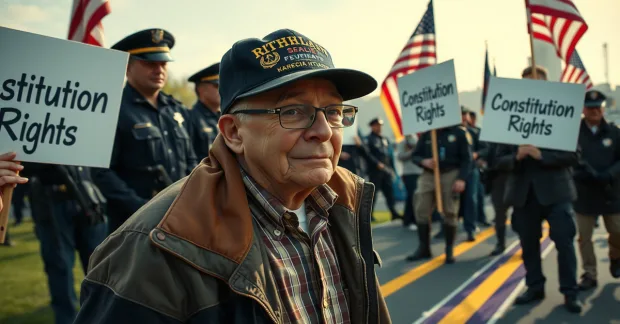
America’s Hidden Crisis: Police vs. the Constitution
Many treat the badge like a shield, but you feel it can become a sword when rights are ignored. You've granted officers power to protect the Constitution, not to pick and choose which rights survive. So when unlawful searches, impunity and selective enforcement happen, they steal trust, breed fear... What will you do? Key Takeaways: Police are breaking the Constitution, and that betrays the people's trust. We gave officers power to serve us, not rule over us. Unlawful searches and seizures are being normalized under vague probable cause claims. How would you feel if your home could be entered without a real warrant? Qualified immunity shields misconduct, leaving victims without justice. So officers can violate rights until some court says otherwise - that's insane, right? When enforcement ignores the Constitution, trust dies and communities fracture. Fear replaces faith, and justice […]

Government’s Hidden Hustle: Laws Made for You to Fail?
Laws like these, are they meant to protect you or to profit from your mistakes? You're hit with tiny rules. They're often laws made for you to fail, and they stack into massive bills. They turn into fines and court costs. Some laws are vague on purpose, and yeah, it makes you nervous when lights flash behind you. Who benefits? Not you. But you can push back, learn the tricks, organize and demand fair rules. Fines and fees line pockets - that's the danger. Stay sharp, this affects your wallet and freedom. Key Takeaways: Like a tollbooth on your life, laws are set up to collect, not protect. They trap ordinary people with tiny mistakes, and it feels rotten. Unlike rules meant to guide, many statutes are profit engines in plain sight. Lobbyists shape codes you later get fined for-who […]

Crypto Taxation: When Compliance Becomes Theft of Liberty
Just accept this bold claim: crypto taxation is legalized theft when authorities force you to surrender unrealized digital wealth control. Do you accept that compliance with ever-expanding crypto taxes quietly erodes your financial freedom, privacy, and ability to plan today? But you'll fight back, explore tax-free jurisdictions, legal options, and Navigating Crypto Regulatory Challenges: Key Insights to protect your rights. Key Takeaways: Compliance with crypto taxation is theft of liberty, and I'll show how your financial freedom is being quietly stripped away. When governments tax unrealized gains, crypto taxes feel like seizure of potential wealth, stealing your control and peace of mind. Forced wallet reporting under cryptocurrency taxation turns private holdings public, eroding anonymity and putting your HODL stash at risk today. Fear of audits and penalties forces compliance; it's psychological warfare against financial freedom, leaving investors anxious, stuck, and […]

HIPAA Exposed: The Legal Way Your Info Gets Sold
Just as stories about hospitals quietly partnering with data brokers hit the news, you might start wondering how safe your records really are... and you’re right to question it. You’ve been told HIPAA has your back, but your medical data can still be shared or sold legally while everyone stays “compliant.” So what happens when your “protected” details feed AI models, insurers, and marketers without you ever clicking yes? Your privacy isn’t being stolen - it’s being licensed, and you’re not the one writing the terms. Key Takeaways: HIPAA sounds protective, but is your medical privacy actually safe or just legally exposed for profit? HIPAA only covers specific entities, leaving health apps, employers, and data brokers free to exploit your data. “De-identified data” feels harmless, yet AI can quietly re-identify you and rebuild your medical profile. Hospitals, insurers, and pharmacies […]

The Law War: Federal Power vs. Sanctuary City Politics
You might be shocked that the fiercest immigration fight isn’t at the border at all - it’s in city hall. Sanctuary cities are testing how far compassion can go before it collides with federal supremacy, funding threats, and real public safety risks. For pro-legal-immigration folks like you, this isn’t just theory, it’s about whether respect for the law and protection for immigrants who followed the rules can coexist with local policies that sometimes let people who bypassed the system slip through the cracks. Key Takeaways: Sanctuary battles aren’t just policy fights, they’re a raw collision between compassion, control, and what “lawful” really means. Federal supremacy clashes with local autonomy, creating a messy legal gray zone that leaves lawful immigrants watching in frustration. Most sanctuary policies avoid direct obstruction, but they test how far compassion can stretch before it breaks legal […]

They Lied to You—Property Taxes Might Be Unconstitutional?
They Didn't Just Mislead You - They Lied About Property Taxes You weren't just given half-truths about property taxes, you were fed a polished narrative that hides how aggressive and permanent this system really is. Your "civic duty" story skips the part where counties run tax-lien auctions, investors flip your debt, and people lose fully paid-off homes over a few thousand dollars. When a $2,300 tax bill can wipe out a $300,000 house, you're not being served, you're being leveraged. Wait, What's with This Property Tax Stuff? You probably grew up hearing property tax keeps your roads paved and your kids educated, but nobody mentioned the fine print where missing a single payment can trigger penalties, liens, then foreclosure. In some states, your county quietly sells that tax lien to private bidders who profit off your hardship while you scramble […]
Related
Government’s Hidden Hustle: Laws Made for You to Fail?
Laws like these, are they meant to protect you or to profit from your mistakes? You're hit with tiny rules. They're often laws made for you to fail, and they stack into massive bills. They turn into fines and court costs. Some laws are vague on purpose, and yeah, it makes you nervous when lights flash behind you. Who benefits? Not you. But you can push back, learn the tricks, organize and demand fair rules. Fines and fees line pockets - that's the danger. Stay sharp, this affects your wallet and freedom. Key Takeaways: Like a tollbooth on your life, laws are set up to collect, not protect. They trap ordinary people with tiny mistakes, and it feels rotten. Unlike rules meant to guide, many statutes are profit engines in plain sight. Lobbyists shape codes you later get fined for-who […]
Crypto Taxation: When Compliance Becomes Theft of Liberty
Just accept this bold claim: crypto taxation is legalized theft when authorities force you to surrender unrealized digital wealth control. Do you accept that compliance with ever-expanding crypto taxes quietly erodes your financial freedom, privacy, and ability to plan today? But you'll fight back, explore tax-free jurisdictions, legal options, and Navigating Crypto Regulatory Challenges: Key Insights to protect your rights. Key Takeaways: Compliance with crypto taxation is theft of liberty, and I'll show how your financial freedom is being quietly stripped away. When governments tax unrealized gains, crypto taxes feel like seizure of potential wealth, stealing your control and peace of mind. Forced wallet reporting under cryptocurrency taxation turns private holdings public, eroding anonymity and putting your HODL stash at risk today. Fear of audits and penalties forces compliance; it's psychological warfare against financial freedom, leaving investors anxious, stuck, and […]
HIPAA Exposed: The Legal Way Your Info Gets Sold
Just as stories about hospitals quietly partnering with data brokers hit the news, you might start wondering how safe your records really are... and you’re right to question it. You’ve been told HIPAA has your back, but your medical data can still be shared or sold legally while everyone stays “compliant.” So what happens when your “protected” details feed AI models, insurers, and marketers without you ever clicking yes? Your privacy isn’t being stolen - it’s being licensed, and you’re not the one writing the terms. Key Takeaways: HIPAA sounds protective, but is your medical privacy actually safe or just legally exposed for profit? HIPAA only covers specific entities, leaving health apps, employers, and data brokers free to exploit your data. “De-identified data” feels harmless, yet AI can quietly re-identify you and rebuild your medical profile. Hospitals, insurers, and pharmacies […]
The Law War: Federal Power vs. Sanctuary City Politics
You might be shocked that the fiercest immigration fight isn’t at the border at all - it’s in city hall. Sanctuary cities are testing how far compassion can go before it collides with federal supremacy, funding threats, and real public safety risks. For pro-legal-immigration folks like you, this isn’t just theory, it’s about whether respect for the law and protection for immigrants who followed the rules can coexist with local policies that sometimes let people who bypassed the system slip through the cracks. Key Takeaways: Sanctuary battles aren’t just policy fights, they’re a raw collision between compassion, control, and what “lawful” really means. Federal supremacy clashes with local autonomy, creating a messy legal gray zone that leaves lawful immigrants watching in frustration. Most sanctuary policies avoid direct obstruction, but they test how far compassion can stretch before it breaks legal […]
They Lied to You—Property Taxes Might Be Unconstitutional?
They Didn't Just Mislead You - They Lied About Property Taxes You weren't just given half-truths about property taxes, you were fed a polished narrative that hides how aggressive and permanent this system really is. Your "civic duty" story skips the part where counties run tax-lien auctions, investors flip your debt, and people lose fully paid-off homes over a few thousand dollars. When a $2,300 tax bill can wipe out a $300,000 house, you're not being served, you're being leveraged. Wait, What's with This Property Tax Stuff? You probably grew up hearing property tax keeps your roads paved and your kids educated, but nobody mentioned the fine print where missing a single payment can trigger penalties, liens, then foreclosure. In some states, your county quietly sells that tax lien to private bidders who profit off your hardship while you scramble […]

States Hide This Secret: ID Laws Every Citizen Must Know
There's a weird comfort in thinking you know your rights until a cop stops you. You walk out the door assuming you're free to roam, but state statutes are actually a legal minefield waiting to trip you up. It's scary. So, do you really need that plastic card just to walk down the street? Sometimes yes. Since the Justice Department Has Demanded Voter Files from at ... least 21 states, we know the government is watching closely. You could be risking fines just by existing in public without papers. Key Takeaways: Ever assume the rules are the same everywhere you go? They definitely aren't. There isn't a single federal law forcing you to hold plastic. Instead, you face a messy patchwork of state-level ID requirements. So what applies in Ohio might get you in trouble in Texas. States hide this […]