



Free speech protects even unpopular viewpoints, you know? When you consider criminalizing flag burning, you’re looking at a direct challenge to a core constitutional principle. This isn’t just about a flag; it’s about the dangerous precedent of government controlling symbolic expression. You must ask: where does this control end?
Key Takeaways:
You know, the idea of criminalizing flag burning really gets people talking. It touches on something deeply personal for many, doesn’t it? This whole debate isn’t just about a piece of cloth; it’s about what we believe free speech truly means in this country.
The Supreme Court has repeatedly affirmed that flag burning is protected symbolic speech. This means actions conveying a message fall under First Amendment protections.
Criminalizing flag burning targets political expression, not just an act. This type of law seeks to control how people convey unpopular ideas, which is a core function of free speech.
Government attempts to ban flag burning aim to punish viewpoints, not actual harm. Such measures inherently contradict the principle that speech cannot be regulated based on its message.
When the government can dictate how national symbols are treated, it gains power over individual thought. This sets a dangerous precedent for controlling other forms of dissent.
Punishing symbolic acts like flag burning opens a “slippery slope.” It could lead to regulating other forms of expression deemed “offensive” or “unpatriotic.”
The First Amendment exists to protect all political expression, even when it’s deeply unpopular. Allowing bans on flag burning weakens this fundamental right for everyone.
These laws protect government authority, not the nation’s values. They prioritize conformity over the very freedoms the flag represents.
Let’s Talk About the Legal Battlefield: What’s the Real Deal?
Those Supreme Court rulings that actually changed everything for all of us
You might wonder what actually happened. The Supreme Court made it clear: burning a flag is protected speech. They said the government can’t stop you from expressing yourself, even if it’s offensive. That’s a powerful statement about your rights.
Wait, was it ever really illegal to burn the American flag in the past?
Yes, states and the federal government once had laws against flag desecration. People were arrested and faced fines. But then the Supreme Court stepped in, changing everything and affirming your free speech rights.
Before those landmark Supreme Court decisions, many states had laws that made it a crime to disrespect the flag. People faced fines and even jail time for actions like burning, defacing, or even stepping on the flag. These laws were often challenged, leading to the pivotal cases that ultimately shaped how we understand free speech today, showing how fragile your liberties can be without strong legal protection.
Why do politicians keep trying to bring these old laws back from the dead?
You see politicians pushing for these bans, despite court rulings. They often frame it as patriotism, but it’s really about controlling what you can say. They want to limit protest, especially when it challenges them.
Politicians often try to reintroduce these laws, knowing they resonate with many voters who feel a strong emotional connection to the flag. They use this sentiment to push agendas that, in effect, chip away at your constitutional protections. This isn’t just about a symbol; it’s about who gets to define acceptable dissent and how much power the government can exert over your personal expression.
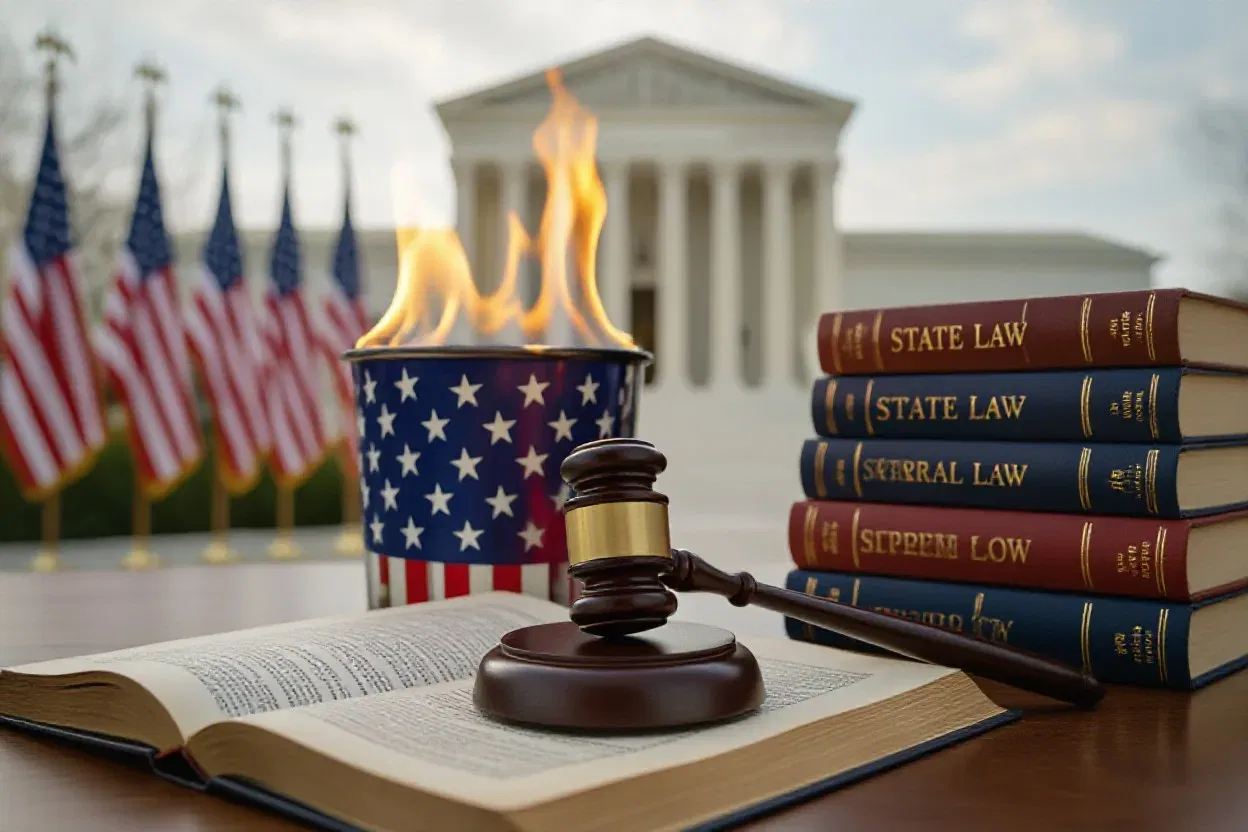
States vs. the Constitution: Who’s Actually Winning Here?
This ongoing fight isn’t just theoretical. It impacts your rights directly. We see states pushing laws that clash with settled Supreme Court rulings. This creates a confusing, dangerous legal mess for everyone.
Where’s it still illegal to burn the flag? (Spoiler: It’s a total mess)
Surprisingly, many states still have flag desecration laws on their books. You’ll find these outdated statutes in places like Mississippi, South Carolina, and Iowa, despite federal rulings. It’s a patchwork of defiance.
Are these state penalties even legal or are they just a scare tactic?
Most of these state penalties are unconstitutional on their face. They stand as a scare tactic. The Supreme Court has been clear.
These state penalties are often just empty threats, legally speaking. The Supreme Court’s decisions in Texas v. Johnson and United States v. Eichman unequivocally protected flag burning as free speech. Any state law attempting to criminalize it directly contradicts this established precedent. So, while a state might have a law, you cannot be legally prosecuted and convicted for flag burning. It’s a direct challenge to federal authority and your First Amendment rights.
If the Constitution’s the boss, why are states still making their own rules?
States often ignore federal precedent, driven by political pressure. This creates legal uncertainty and forces citizens to fight for established rights. It’s a constant battle.
States sometimes pass these laws to make a political statement, even knowing they’re unconstitutional. Lawmakers might cater to constituents who feel strongly about flag desecration. This creates a direct conflict between state will and federal law. It’s a tactic that forces individuals to challenge these laws in court, costing time and money, simply to uphold rights already guaranteed by the Constitution. This undermines the rule of law.
My Take on the Free Speech Conflict: Is Flag Burning Protected?
1st Amendment flag burning: Why symbolic expression is such a big deal
You might wonder why burning a flag matters so much. This powerful act is symbolic expression, a protected form of protest. It communicates dissent, even when it offends many people.
Threatening people vs. burning a flag: Here’s where the line is actually drawn
What truly crosses the line? Threats of violence or incitement to harm others are not protected speech. Burning a flag, however, is a statement, not a physical threat.
The distinction is critical. You see, the First Amendment protects expression, even when it’s deeply unpopular or offensive. But it does not shield actions that directly endanger others. Burning a flag expresses a viewpoint; it doesn’t cause physical harm or incite immediate violence. This difference is fundamental to free speech law.
Honestly, if we ban symbolic protest today, what’s next on the list?
Consider the potential future if we ban flag burning. What other forms of dissent might then be criminalized? This path leads to a dangerous erosion of liberty.
Think about it. Once the government dictates which symbols you can or cannot disrespect, it starts controlling your ideas. Today, it’s a flag. Tomorrow, it could be kneeling during the anthem, criticizing officials, or even certain online posts. This creates a slippery slope where freedom becomes conditional, making all forms of protest vulnerable to censorship.
The Emotional and Political War: Why Does This Get Everyone So Fired Up?
This debate ignites such passion because it touches the raw nerves of national identity and individual liberty. You’re confronting deeply held beliefs about what loyalty means. It’s an emotional collision between respecting symbols and upholding uncomfortable freedoms.
What’s the actual argument against flag burning? (And does it even hold up?)
Many argue flag burning is disrespectful, inflammatory, or unpatriotic. Yet, the First Amendment doesn’t protect polite speech. It exists to protect political dissent, especially dissent challenging national symbols.
Why I think flag burning is a vital way for people to show dissent
Symbolic acts, like flag burning, cut through the noise. They force people to confront uncomfortable truths. This raw expression demands attention when words fail to convey the depth of frustration.
The power of symbolic speech can be undeniable. When citizens feel unheard, a dramatic act of protest can be their only recourse. It’s a direct, visceral statement against perceived injustices, aiming to shake complacency and ignite dialogue, however painful.
Is it really about patriotism, or is it just about silencing the critics?
You might wonder if these laws are about genuine patriotism or just about controlling the narrative. When government seeks to punish symbolic acts, it often aims to silence opposition, not just protect a symbol.
It’s a subtle but dangerous shift. If the state can dictate how you express yourself about national symbols, it can start dictating other forms of protest. This creates a chilling effect, where citizens may self-censor, fearing repercussions for unpopular viewpoints.
The Real Deal About Political Motivations and Executive Orders
Those executive orders on flag burning: Is it strength or just for show?
Recent executive orders regarding flag burning often feel like strong action. You might see them as a decisive move. However, these orders frequently serve as a political statement, not a real legal change. They often lack actual teeth against settled Supreme Court precedent.
Why a flag desecration amendment would be a total crisis in disguise
A flag desecration amendment would truly undermine the First Amendment. It could create a dangerous precedent for limiting other forms of symbolic speech. This would not be about protecting a symbol, but about controlling dissent.
Such an amendment would fundamentally alter the very fabric of your constitutional protections. It would allow the government to dictate acceptable forms of expression, creating a chilling effect on any unpopular protest. You’d see a significant shift in power, moving away from individual liberty towards government-mandated patriotism. This would be a catastrophic blow to your right to challenge authority.
Should we really rewrite the Constitution just because someone’s feelings got hurt?
Amending the Constitution is a serious matter, not a response to emotional discomfort. Changing your founding document over perceived disrespect sets a perilous course. It implies that fundamental rights are conditional, based on public sentiment.
You must consider the immense implications of such an action. The Constitution is your shield against government overreach. If you begin to rewrite it based on emotional reactions, you weaken its entire structure. This would open the door for future attempts to silence any speech deemed “uncomfortable” or “offensive,” eroding the very foundation of your liberties.
The Double Standard: Do These Laws Conflict with Real Free Speech?
Protected speech vs. preferred speech: Who’s deciding what’s okay to say?
You see, these laws create a hierarchy. The government decides which messages are acceptable and which are not. This turns a constitutional right into a privilege, granted only if your views align with the state. That’s a dangerous shift away from true liberty.
Are we actually free if offensive stuff can get you thrown in jail?
Consider this: If your expression, even if it’s deeply offensive to some, can land you in jail, are you truly free? This isn’t about politeness; it’s about the power to dissent without fear of punishment. That’s the core of the First Amendment.
This idea of punishing “offensive” speech opens a huge can of worms. What one person finds offensive, another might see as powerful protest. If the government can decide what’s too offensive to express, where does it stop? You might find yourself unable to challenge the status quo, even if you believe it’s wrong, because your dissent could be deemed “offensive” and therefore illegal. This silences unpopular viewpoints and stifles important public debate, leaving you with only government-approved ideas.
My honest thoughts on whether lawmakers are just suppressing the opposition
Sometimes, it feels like these laws are less about patriotism and more about silencing those who challenge authority. When power feels threatened, it often tries to control expression. You can see how easily these laws could be used against any group that speaks out.
Looking at the pattern, it’s hard to ignore the timing and targets of such legislation. Lawmakers often push these bills when there’s significant public unrest or strong opposition. It seems like a convenient way to distract from core issues or to crack down on visible forms of protest. You might wonder if they’re genuinely concerned about the flag, or if they just want to make it harder for you to express your disagreement with their policies. This tactic effectively discourages dissent, making it seem unpatriotic to even question the government.
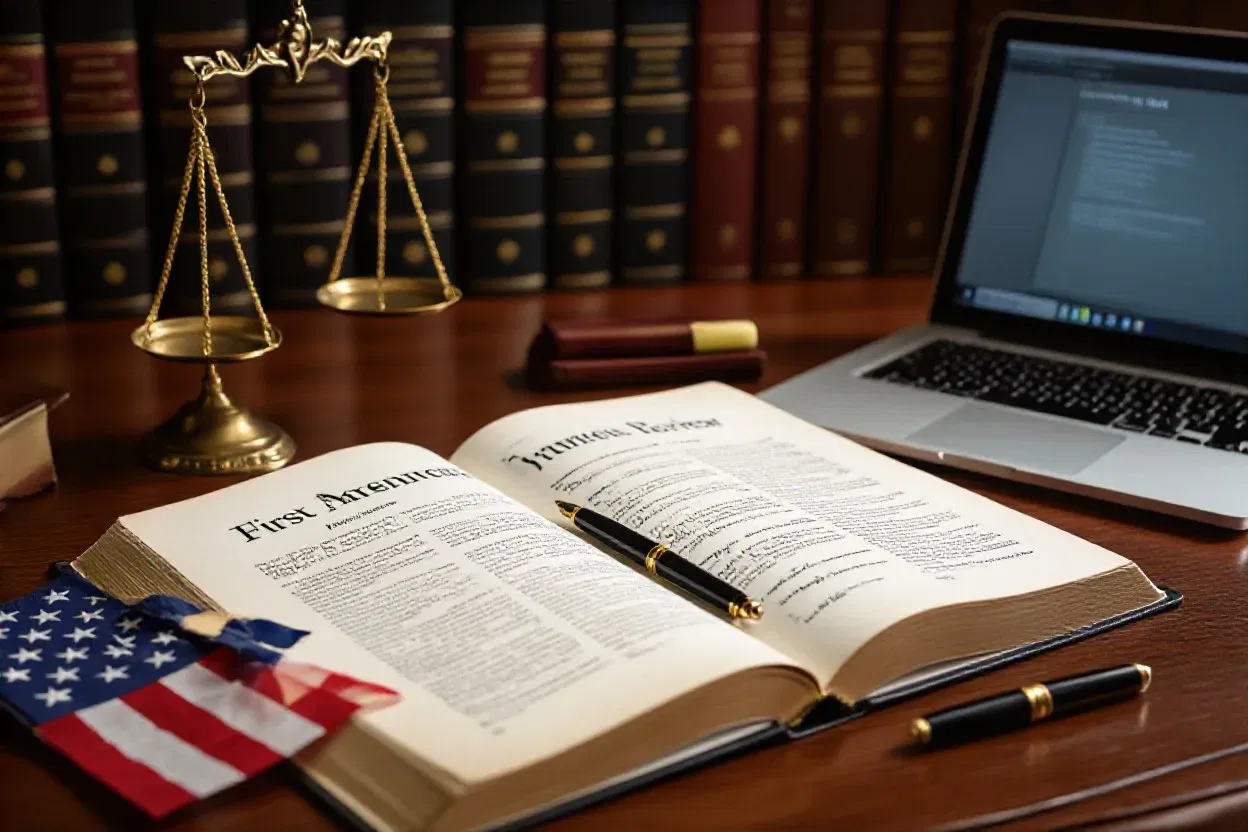
What the Experts Say: Scholarly and Legal Deep Dives
Do flag burning laws conflict with free speech? What the scholars actually found
Legal scholars agree: flag burning laws directly clash with free speech. Court rulings consistently affirm that the government cannot ban expression just because it’s offensive. These laws target political viewpoints, which is the most dangerous form of censorship.
Other symbolic speech cases that prove flag burning is legally protected
Numerous Supreme Court cases affirm that symbolic acts are speech. These include wearing protest armbands or kneeling during the anthem. Flag burning falls into this category of constitutionally protected expression.
Consider the precedents. Cases like *Tinker v. Des Moines* (1969), which protected students wearing armbands, established a clear line. The Court recognized that actions can convey powerful messages, often more impactful than words alone. Similarly, *Spence v. Washington* (1974) affirmed the right to display a flag with a peace symbol. These rulings consistently show that the government cannot suppress symbolic acts just because they might be unpopular or disagreeable. You can see how flag burning, as a form of protest, fits perfectly within this established legal framework, making any ban a direct challenge to these foundational principles.
If symbolic speech goes away, will all our other rights follow right behind?
Suppressing symbolic speech creates a slippery slope. If the government can ban one form of offensive expression, what stops it from banning others? This erosion could threaten kneeling protests or even critical social media posts, making all dissent vulnerable.
Think about it. Once the state decides what symbols you can or cannot disrespect, it gains immense power. This power extends beyond just flags. It could allow the government to dictate acceptable viewpoints, punish any form of dissent, and ultimately shape collective identity through force. This isn’t just theory; it’s a historical pattern. When you lose the right to express unpopular ideas symbolically, you lose a critical safeguard against government overreach. That’s why protecting this freedom is so absolutely necessary for all your other rights.
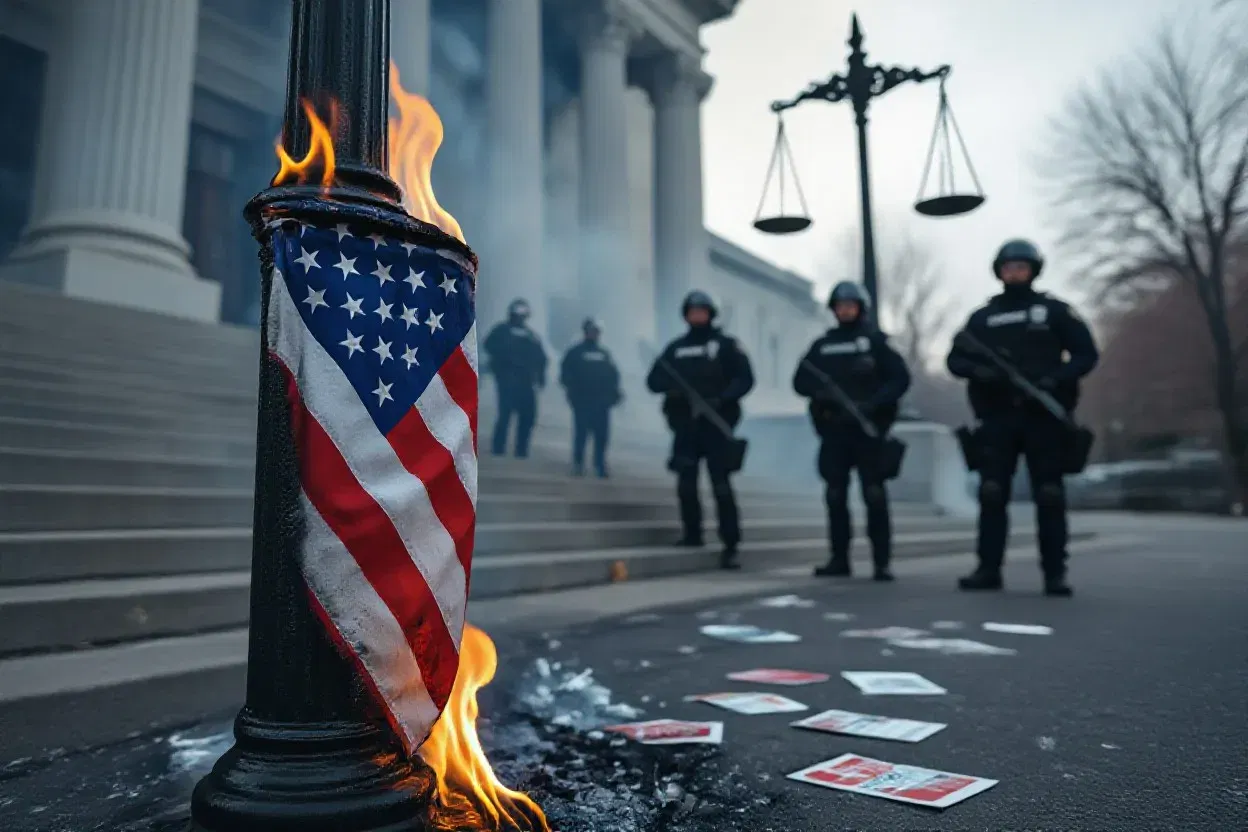
Patriotism or Forced Loyalty? The Ethical Mess We’re In
This isn’t about loving your country; it’s about whether the government can force you to. You’re navigating a minefield when the state dictates how you show respect. It’s a slippery slope toward controlling what you think, not just what you do.
Is it real love for the country or just compulsory obedience to a symbol?
Consider what true affection means. Is it genuine if it’s coerced? Forcing respect for a symbol feels more like compulsory obedience than heartfelt patriotism.
The serious danger of the government telling us how to be “respectful”
Imagine a government that prescribes your feelings. When the state defines “respectful” behavior, it starts defining your thoughts. This creates a terrifying precedent, eroding your personal autonomy.
Think about it: if the government can tell you how to treat a flag, what else can it control? This isn’t just about a piece of cloth. It’s about the state’s power to dictate your expressions, your beliefs, and ultimately, your very identity. This sets a dangerous precedent for controlling dissent.
Does forcing people to respect a symbol actually ruin what it stands for?
You might wonder if forced reverence destroys meaning. A symbol’s power comes from voluntary respect, not from legal compulsion. Criminalizing disrespect hollows out its true value.
When respect becomes a legal requirement, its sincerity vanishes. The flag, meant to represent freedom, becomes a tool for government control. This undermines the very ideals you hold dear, twisting a symbol of liberty into an instrument of coercion. It’s a profound loss.
The Slippery Slope: What’s the Future of Our Freedom?
Could these laws be used to silence you next? (It’s closer than you think)
Consider the implications: If the government can ban symbolic acts like flag burning, what stops them from targeting your online posts or protest signs? This sets a dangerous precedent for all dissent.
What happens if that flag desecration amendment actually passes one day?
Imagine a future where a flag desecration amendment becomes real. Your right to express strong opinions could vanish. This amendment would legitimize censoring inconvenient truths, making free speech conditional.
A constitutional amendment on flag desecration would fundamentally rewrite First Amendment protections. It wouldn’t just ban one specific act; it would establish that the government can dictate what symbols you must respect and how you must treat them. This changes free speech from an individual right to a government-approved privilege, where your expression is only allowed if it aligns with official narratives. It would be a permanent blow to individual liberty.
Are you ready to live in a place where you only protest when it’s “allowed”?
Think about it: Will you only be able to protest if authorities approve your message? This path leads to a society where free expression is not a right, but a permission granted by the state.
Living in a society where protest is only “allowed” means your voice loses its power. If the government can define acceptable forms of dissent, then true opposition becomes impossible. You would be forced to conform, to soften your message, or risk punishment. This strips away the very essence of a free society, where the people hold power, not the other way around. It’s a surrender of your fundamental ability to challenge authority, leading to a chilling effect on all forms of public discourse.
To wrap up
Following this, you’ve seen the undeniable legal precedents. The Supreme Court has consistently affirmed flag burning as protected speech. You can’t ignore these facts. So, when anyone tries to criminalize this act, they’re directly challenging established constitutional principles. This isn’t just about a flag; it’s about the very foundation of your expressive freedoms.
Q: Is criminalizing flag burning a direct attack on free speech?
A: Millions of Americans who understand the true weight of the First Amendment are now asking this very question because they sense something dangerous unfolding: an aggressive push to control symbolic speech. If the government can criminalize burning a flag, what form of dissent can’t it criminalize next?
Q: Is flag burning protected under freedom of speech?
A: Yes. The Supreme Court has said so repeatedly. Texas v. Johnson (1989) and United States v. Eichman (1990) both declared that burning the American flag is protected symbolic speech. This is true even when it sparks outrage or deep emotional discomfort.
Q: Do flag burning laws conflict with free speech rights?
A: Absolutely-and profoundly. Flag burning is political expression, not a threat or incitement to violence. When the government can punish you for how you treat a symbol, it controls not your actions, but your thoughts. That is the core danger.
Q: Why does the Supreme Court protect symbolic speech like flag burning?
A: The Court has consistently categorized flag burning as expressive conduct. This is the same category as wearing protest armbands or kneeling during the anthem. Symbolic speech is often more powerful than spoken words. And that power is exactly why governments attempt to ban it.
Q: What is the slippery slope argument against flag burning bans?
A: Most Americans assume flag burning bans are harmless. But these laws establish a legal precedent far more dangerous than the act they claim to prevent. If the state can ban symbolic expression because it is offensive, then the state can ban any expression for being offensive. This is how erosion begins.
Q: What is the real danger of a government controlling symbolism?
A: The real danger isn’t the law itself-it’s the power it grants. When a government can criminalize protest against national symbols, it gains the authority to define patriotism and dictate acceptable viewpoints. This is the historical pattern of every society that slowly replaces liberty with obedience.
Q: Why does this matter now more than ever?
A: Because political censorship is rising. States continue introducing flag desecration bills. Political leaders keep calling for criminal penalties. Free speech-once presumed untouchable-is becoming negotiable. Either the First Amendment protects all political expression, or it protects none of it.


About the author


Understanding Allodial Titles, Land Patents, and Their Legal Implications
In property rights and land ownership, the concepts of allodial titles and land patents hold significant legal weight. These terms are often used in discussions related to the protection of property rights, land ownership, and the interplay between various areas of law such as the Uniform Commercial Code, contract law, constitutional law, and statutory law. In this in-depth blog post, we will explore into the intricacies of allodial titles and land patents, exploring their definitions, legal implications, and dispelling common myths and misconceptions associated with them. Key Takeaways: Allodial Titles Explained: An allodial title represents the highest form of land ownership, granting the owner absolute and unburdened ownership of the property, free from any encumbrances, liens, or taxes imposed by external parties. Land Patents and Their Legal Implications: A land patent is a legal document issued by the government that […]

Outsmart the System: Top Legal Strategies You Need to Know
Understanding the Legal Landscape While the legal system may seem intimidating, grasping its core concepts can empower you to navigate its complexities effectively. Understanding this landscape is vital for anyone looking to outsmart the system and optimize their legal strategies. Whether you’re seeking legal hacks for small businesses or tips on how to use legal loopholes to your advantage, recognizing the different legal frameworks at play can be crucial in making informed decisions. Overview of Legal Systems An understanding of the various legal systems is pivotal for recognizing your rights and obligations. Legal frameworks can vary significantly from one country to another, with common systems including civil law, common law, and religious law. Each system has its own structure, offering unique legal strategies and challenges. For example, in a common law system, previous judicial decisions can influence future cases, allowing […]
Ilataza Ban Yasharahla EL’s Public Records Request for Elyria Board of Education
24-0001492: Ilataza Ban Yasharahla EL's Public Records Request for Elyria Board of Education. All Rights Expressly Reserved and Retained. https://nationalnoticerecord.com/elyria-boe-members-required-to-follow-rulings https://nationalnoticerecord.com/is-elyria-school-board-bound-by-ohio-courts https://nationalnoticerecord.com/understanding-the-oath-of-office-legal-obligations-and-consequences

Ohio Legalizing Recreation Marijuana Use May Hurt Dispensaries in Monroe, Michigan
In recent years, the movement to legalize marijuana for adult recreational use has gained significant momentum across the United States. Ohio, a state long synonymous with conservative values, has also embraced this shift in public opinion. With the passing of Ohio Issue 2 and the Ohio Home Grow Bill, the state has joined the ranks of those allowing the recreational use of marijuana. This blog post will delve into the pros and cons of Ohio's legalization, as well as the potential implications for marijuana dispensaries in Monroe, Michigan, which previously benefited from Ohio buyers crossing state lines. https://www.youtube.com/watch?v=0KRzqZ8dUwc Pros of Ohio's Recreational Marijuana Legalization 1. Economic Boost: Legalizing recreational marijuana in Ohio has the potential to generate substantial economic benefits for the state. The marijuana industry has proven to be a lucrative market, with tax revenue and job creation being […]
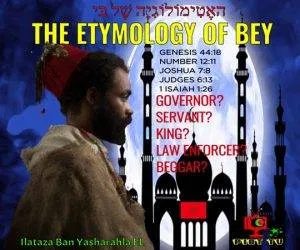
The Etymology of “Bey” EXPOSED
TURN UP YOUR VOLUME & PRESS PLAY Have you ever wondered what the true origin and meaning of "Bey" is? We've been told that it means "Governor", "Law Enforcer", Chief, etc. But, what if that's incorrect? What if we've been using the "title", "Bey", incorrectly? FILL OUT THE FORM TO GET STARTED First Name: Last Name: Phone Number: Email: I agree to receive email updates and promotions. Submit
Are You A “Colored Person”?
Tune in as we dissect the term "person of color", exposing how its PURPOSELY steeped in plausibility, DECEPTION, and used as a weapon.

We’ve Been FORCED to Make Some Changes
Due to receiving so many tasks that our work has become more tedious, we've been forced to make some changes at National Notice Record.
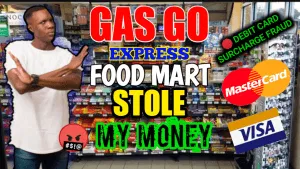
Gas Go Express Food Mart Unjust Enrichment Via Debit Card Surcharge Fees
https://www.youtube.com/watch?v=eJknhtE9JEI In this video, I talk about a consumer experience I had while shopping at Gas Go Express Food Mart Gas Station, located at 237 Lake Avenue, Elyria, Ohio. On November 24, 2021, I made a purchase for 4 taxable items at the location. Each item was $0.99 per. With taxes, it came up to $4.26. As I got ready to place my debit card into the card reader, the Gas Go Express Food Mart clerk immediately added a $.50 debit card surcharge fee. As a common practice, some merchants/stores add a surcharge to your total purchase amount when you spend less than $5 or $10 when using a credit/debit card to process the payment. Being a merchant myself, I know that Master Card, Visa, Discover, and some of the other financial institutions have a strict policy that states that […]

Is Your Signature a Trap? The UCC Truth
Just a quick question for you: Are you sure about what your signature really means? Your signature, under the Uniform Commercial Code (UCC), isn't just an autograph. It can be a legal trap, binding you to terms you never fully understood. Learn to protect yourself from these hidden dangers in commercial transactions. Seriously, is your signature actually a legal trap or just a silent endorsement? You probably think your signature is just a formality, right? But under the Uniform Commercial Code (UCC), it's much more. Your signature acts as a binding endorsement, fueling the financial system, often at your personal expense. Why we're conditioned to sign stuff without looking and the bad news that follows Ever feel rushed to sign? This conditioning makes you enter "contracts of adhesion." You're then seen as a "debtor" or "representative", not a living person […]

The Merchant’s Bible: Decoding UCC Article 1
Many entrepreneurs overlook the bedrock of commercial law. You must understand UCC Article 1. This article governs your business transactions, from agreements to definitions. Ignoring these foundational provisions can lead to costly disputes. Master this crucial legal framework to protect your interests and achieve success. Key Takeaways: * UCC Article 1 forms the foundational rules of US commercial law. It defines core concepts, distinguishing an "agreement" from a binding "contract."* Merchants must recognize that UCC Article 1 rules often supersede common law in business dealings. This shift dictates different legal obligations and expectations.* Certain mandates cannot be disclaimed, including good faith, diligence, reasonableness, and care. These duties always govern commercial transactions.* Past actions, such as course of dealing and course of performance, can redefine written contracts. Documenting reservations of rights protects legal leverage.* UCC Article 1 is adapting to the […]

Hidden in Plain Sight: The UCC 1-308 Shield
You probably feel something is off. You sign documents daily, but do you truly understand their hidden implications? This little-known shield can protect your inherent rights. It's a secret many miss, but you don't have to be one of them. Key Takeaways: You know, there's this growing buzz online about reclaiming personal sovereignty, and a lot of folks are looking into how the Uniform Commercial Code fits into that. It feels like we're all just waking up to how much of our lives are governed by unspoken rules. * Signing documents "without prejudice UCC 1-308" isn't just legal jargon; it's a profound declaration. This simple act communicates you are performing an action, but you aren't consenting to hidden contract terms. * Many everyday agreements, like your driver's license application, are "adhesion contracts." You typically accept their terms completely, or you […]

UCC Secrets: The Code That Owns Your Daily Life
UCC is everywhere, shaping your financial reality. You might not realize it, but the Uniform Commercial Code governs your daily life. This code dictates how your assets are handled, often without your explicit understanding. You need to know these secrets. Key Takeaways: You know, most folks think they're playing by "Civil Law" rules, but the truth is, the Uniform Commercial Code (UCC) is the real silent puppet master pulling the strings of daily life. It's not just some obscure legal jargon; it's the very foundation of our commercial world. That "Corporate Personhood" stuff in the UCC isn't just for big companies; it's about the "Strawman" created with your birth certificate. This legal fiction might be the key to understanding why your identity feels like a perfected security interest. UCC 1-308, that "without prejudice" phrase, it's not a magic spell, but […]

What If Traffic Tickets Are Just Municipal Profit Schemes?
The Great Harvesting: Why Traffic Tickets are Municipal Profit Schemes I. What If Traffic Tickets Were Never About Safety? What if everything you’ve been told about traffic tickets is wrong? What if traffic enforcement has quietly shifted from “public safety” to public revenue? This shift transforms ordinary citizens into municipal ATMs. You are not being “protected” on the road. Instead, you are being harvested. This is happening algorithmically, administratively, and unconstitutionally. For decades, Americans accepted traffic tickets as routine. But here is the question almost no one asks. Are traffic tickets unconstitutional? Is this a cleverly disguised municipal profit scheme? These municipal corporations depend on fines. They need them like businesses depend on sales. There is a massive rise in public distrust today. People ask: “Are traffic tickets unconstitutional revenue streams?” This is an explosive search trend across all major […]

Service Providers Are Hiding Fees-and It’s NOT Legal
Many of you have likely felt the sting of unexpected charges on your bills. You signed a contract, yet the total is higher than expected. This isn't just annoying; it's often illegal. You deserve to know every cost upfront. Are you tired of feeling cheated by hidden fees? Key Takeaways: * Does that bill make your stomach drop? Hidden fees are a sneaky strategy, not an accident, making your monthly charges mysteriously higher than expected.* Are they playing fair with your money? Companies often use vague terms like “service fees” or “administrative costs” to mask charges you never agreed to.* Is this even legal? No, concealing fees violates consumer protection laws, making it deceptive and unfair to you.* Why did they hide it from you? Businesses exploit emotions, getting you to commit before revealing the costly details in fine print.* […]
Related
Is Your Signature a Trap? The UCC Truth
Just a quick question for you: Are you sure about what your signature really means? Your signature, under the Uniform Commercial Code (UCC), isn't just an autograph. It can be a legal trap, binding you to terms you never fully understood. Learn to protect yourself from these hidden dangers in commercial transactions. Seriously, is your signature actually a legal trap or just a silent endorsement? You probably think your signature is just a formality, right? But under the Uniform Commercial Code (UCC), it's much more. Your signature acts as a binding endorsement, fueling the financial system, often at your personal expense. Why we're conditioned to sign stuff without looking and the bad news that follows Ever feel rushed to sign? This conditioning makes you enter "contracts of adhesion." You're then seen as a "debtor" or "representative", not a living person […]
The Merchant’s Bible: Decoding UCC Article 1
Many entrepreneurs overlook the bedrock of commercial law. You must understand UCC Article 1. This article governs your business transactions, from agreements to definitions. Ignoring these foundational provisions can lead to costly disputes. Master this crucial legal framework to protect your interests and achieve success. Key Takeaways: * UCC Article 1 forms the foundational rules of US commercial law. It defines core concepts, distinguishing an "agreement" from a binding "contract."* Merchants must recognize that UCC Article 1 rules often supersede common law in business dealings. This shift dictates different legal obligations and expectations.* Certain mandates cannot be disclaimed, including good faith, diligence, reasonableness, and care. These duties always govern commercial transactions.* Past actions, such as course of dealing and course of performance, can redefine written contracts. Documenting reservations of rights protects legal leverage.* UCC Article 1 is adapting to the […]
Hidden in Plain Sight: The UCC 1-308 Shield
You probably feel something is off. You sign documents daily, but do you truly understand their hidden implications? This little-known shield can protect your inherent rights. It's a secret many miss, but you don't have to be one of them. Key Takeaways: You know, there's this growing buzz online about reclaiming personal sovereignty, and a lot of folks are looking into how the Uniform Commercial Code fits into that. It feels like we're all just waking up to how much of our lives are governed by unspoken rules. * Signing documents "without prejudice UCC 1-308" isn't just legal jargon; it's a profound declaration. This simple act communicates you are performing an action, but you aren't consenting to hidden contract terms. * Many everyday agreements, like your driver's license application, are "adhesion contracts." You typically accept their terms completely, or you […]
UCC Secrets: The Code That Owns Your Daily Life
UCC is everywhere, shaping your financial reality. You might not realize it, but the Uniform Commercial Code governs your daily life. This code dictates how your assets are handled, often without your explicit understanding. You need to know these secrets. Key Takeaways: You know, most folks think they're playing by "Civil Law" rules, but the truth is, the Uniform Commercial Code (UCC) is the real silent puppet master pulling the strings of daily life. It's not just some obscure legal jargon; it's the very foundation of our commercial world. That "Corporate Personhood" stuff in the UCC isn't just for big companies; it's about the "Strawman" created with your birth certificate. This legal fiction might be the key to understanding why your identity feels like a perfected security interest. UCC 1-308, that "without prejudice" phrase, it's not a magic spell, but […]
What If Traffic Tickets Are Just Municipal Profit Schemes?
The Great Harvesting: Why Traffic Tickets are Municipal Profit Schemes I. What If Traffic Tickets Were Never About Safety? What if everything you’ve been told about traffic tickets is wrong? What if traffic enforcement has quietly shifted from “public safety” to public revenue? This shift transforms ordinary citizens into municipal ATMs. You are not being “protected” on the road. Instead, you are being harvested. This is happening algorithmically, administratively, and unconstitutionally. For decades, Americans accepted traffic tickets as routine. But here is the question almost no one asks. Are traffic tickets unconstitutional? Is this a cleverly disguised municipal profit scheme? These municipal corporations depend on fines. They need them like businesses depend on sales. There is a massive rise in public distrust today. People ask: “Are traffic tickets unconstitutional revenue streams?” This is an explosive search trend across all major […]
Service Providers Are Hiding Fees-and It’s NOT Legal
Many of you have likely felt the sting of unexpected charges on your bills. You signed a contract, yet the total is higher than expected. This isn't just annoying; it's often illegal. You deserve to know every cost upfront. Are you tired of feeling cheated by hidden fees? Key Takeaways: * Does that bill make your stomach drop? Hidden fees are a sneaky strategy, not an accident, making your monthly charges mysteriously higher than expected.* Are they playing fair with your money? Companies often use vague terms like “service fees” or “administrative costs” to mask charges you never agreed to.* Is this even legal? No, concealing fees violates consumer protection laws, making it deceptive and unfair to you.* Why did they hide it from you? Businesses exploit emotions, getting you to commit before revealing the costly details in fine print.* […]