



With thousands of retaliation claims filed each year, you face a brutal choice between silence and exposure. You risk career-ending retaliation, sudden reassignments, or social exile. It’s scary, and it’s real – you might lose your clearance, benefits, or future. Why stay silent? Why speak up? Consider this parallel Why didn’t the US military in A Quiet Place lure a large …
Key Takeaways:
- Like an oath turned upside down, the system punishes truth-tellers instead of protecting them. You feel betrayed, and it stings deep.
- Compared to civilian whistleblowers, military ones vanish quietly – careers erased without fanfare. Who gets punished? The brave ones who speak up.
- Like a silent switch, evaluations and assignments flip to exile. Promotions vanish, referrals disappear, and life derails. Feels like career gaslighting, doesn’t it?
- Where law promises protection, practice often delivers punishment. The MWPA reads like hope on paper, but it’s thin armor. Who enforces it when the fox guards the henhouse?
- Like a club protecting its own, the machine defends power more than people. Abuse, fraud, assault – they bury it, and you pay. That’s gutting.
- Compared to fair probes, military investigations answer to commanders and impartiality dies on the vine. Even when wrongdoing’s proven, corrective action rarely follows. So what’s left? A cleared name and a ruined career.
- Like a fork in the road, speak up and you risk everything – silence buys survival. But if truth’s punished, what kind of honor do we wear? Change means real oversight and teeth, not paper promises.
What’s Really Going On? The Dark Side of Military Whistleblowing
Like a shield on paper but a guillotine in practice. MWPA promises protection, yet your reality often looks different. You file a protected disclosure and your next evaluation tanks.
DoD IG logs thousands of retaliation claims every year, and only a small fraction are substantiated. That gap isn’t accidental; it’s built into a system where proving causation is almost impossible.
The Truth About Whistleblowers in the Military
Like a decorated sailor who becomes a pariah overnight. You report fraud, abuse, or cover-ups and suddenly you’re labeled the problem, not the solution.
Performance reports drop, promotions vanish, and reassignments to nowhere appear. Fitness-for-duty exams, revoked clearances, and career-ending evaluations are common tools used against you.
Why It’s Scarier Than It Sounds
Like a slow leak that ruins an engine over months. The harm isn’t always loud legal action – it’s steady professional erosion.
Investigators answer to commanders. Commands control records. Lawyers often wear two hats. So the process meant to protect you can be the very thing that buries your case.
DoD IG delays, dismissed complaints, and buried evidence are routine complaints from whistleblowers. When supervisors control the facts, you rarely get a fair shot.
The Crazy Things People Say When They’re Outed
Like gossip at the barracks, rumors spread fast and stick. You get called “disloyal,” “attention seeking,” or “unprofessional” in whispers and official notes.
Those casual phrases end up in your OER or evaluation narrative. Once they’re on paper, boards, managers, and security panels repeat them and your career pays the price.
Words like “broke the chain of command” or “poor judgment” become justification for punishment, even when they have no basis. That narrative kills promotions, blocks clearances, and isolates you.
Retaliation: More Than Just Bad Breath – It Can Ruin Lives
The DoD IG receives thousands of whistleblower reprisal complaints every year.
Yet only a small fraction get substantiated, and your career can still be wrecked. You watch promotions vanish, clearances revoked, and friendships evaporate.
The Sneaky Tactics They Use Against Whistleblowers
You face tactics that seem mundane but cut deep: sudden reassignments, informal ostracism, and bogus fitness evaluations.
They weaponize process: denied security clearance, late negative evaluations, or phantom misconduct files. One lieutenant who flagged procurement fraud was moved to a backwater posting and lost his promotion board slot.
It’s Not Just a ‘Bad Review’ – The Real Cost of Speaking Up
Security clearances are often revoked after disclosures, costing you thousands in lost income.
Your civilian job prospects crater when contractors ask about clearance history. One former officer couldn’t land contractor work despite a cleared IG report.
Even when complaints are substantiated, corrective action is rare and your timeline for promotion, pension, or contract eligibility rarely recovers.
The Fallout: Lives, Careers, and Mental Health
Whistleblowers report higher rates of anxiety, depression, and social isolation after reprisals.
Families suffer when pay drops, moves happen, or trust breaks; marriages fray and savings vanish. The practical fallout hits your wallet and your mind: denied benefits, stalled VA claims, and long unemployment spells.
Many cleared whistleblowers still face stigma for years, and that stigma blocks housing, hiring, and the simple dignity of steady work.
Is the Military Whistleblower Protection Act Actually Useful?
You file a complaint about missing funds and safety violations, then your eval nose-dives. You watch a reassignment appear overnight, and you know who lost the most that day.
News stories flash on your phone, like Iran regime opened fire with live ammunition on protesters …, and you realize institutions hide violence differently, but hide it all the same.
What It Was Meant to Do vs. What It Actually Does
On paper, the MWPA bans reprisals for lawful disclosures. In practice, it often works as a paper shield, thin and torn. The DoD IG handles thousands of retaliation claims each year, yet it substantiates only a small fraction of them.
Why? Because to win you must prove cause and effect, and your chain of command controls the records. So promotions stall, clearances vanish, and the system points to paperwork as the reason.
Navigating the Bureaucracy – Don’t Get Trapped
You must document everything. Dates, emails, witnesses, orders – every tiny scrap matters. If you don’t, the record will be shaped without you.
And get legal help early; don’t assume the inspector general will protect you. Investigators often answer to the same commanders who engineered the problem, so independent counsel can be the only neutral voice.
Also know your channels: service IG, DoD IG, and congressional contacts each have pros and cons. Many complainants see delays of months or longer, and delays equal lost evidence and stalled careers.
Can You Really Trust the System?
Trust is earned, and the system rarely makes you feel safe. Investigators, lawyers, and records often sit inside the same command that faces exposure.
Even when reprisals are substantiated, correction is uncommon and your career usually doesn’t recover. You may get a finding in your favor, but your promotion board will still have moved on.
So weigh your risks before you act. Going public, involving Congress, or leaking are options, but they carry real fallout – loss of security clearance, formal investigations, or being labeled disloyal. Decide with eyes open.
Why’s Everyone So Afraid? The Military’s Culture of Silence
You should care because this culture changes what happens to your career and your life when you speak up. The DoD Inspector General handles thousands of retaliation claims each year, yet only a small fraction get substantiated, and that gap matters to you in real ways.
When truth becomes a threat, you learn fast that reporting wrongdoing can mean sudden reassignments, crushed evaluations, or lost clearances. That pattern isn’t random; it’s the retaliation machine at work, quietly rewiring incentives across units so silence feels safer than integrity.
The Chain of Command: More Like a Chain of Fear
This matters to you because your boss writes your evals, controls duty stations, and can freeze your clearance. When a commander feels threatened, administrative moves happen fast: evaluations get downgraded, training slots vanish, and promotion packages disappear.
You see it all the time in complaints: investigators answer to the same chain you reported into, and evidence lives where your chain of command controls it. That creates a system where the appearance of procedure masks punitive intent, and you end up punished for obeying duty.
Loyalty or Integrity: What’s the Real Choice?
You were taught loyalty, but you also swore an oath to lawful conduct, so which wins when they clash? Most service members feel that split personally-do you keep quiet to preserve rank, or file a report and risk everything?
Cases show the consequences. Reports of fraud or assault often lead to sudden fitness-for-duty evaluations or security clearance denials, outcomes that effectively end careers. That hard calculus forces you to ask: is speaking up worth the price?
More detail: many whistleblowers file through MWPA channels, thinking the law will protect them, and then watch timelines stretch, evidence disappear, and supervisors reframe their actions as misconduct. You end up proving not just the original wrongdoing, but that retaliation caused your harm-a heavy burden when the institution controls the records.
Unpacking the Fear Behind Whistleblower Reprisals
This matters because fear isn’t just emotional-it’s tactical. Commanders and gatekeepers protect reputations, budgets, and careers, and they use administrative levers to neutralize threats without public spectacle. You feel that pressure in daily interactions and career decisions.
Data and testimony point to tactics: reassignment to dead-end billets, stalled promotions, negative counseling, and selective use of mental health referrals. Those moves carry minimal paperwork yet deliver maximal career damage, which keeps most people from ever testing the system.
More detail: the fear spreads fast. Once one person is quietly sidelined, peers watch and adjust behavior-applications for IG channels drop, informal reporting becomes the norm, and institutional blind spots grow. For you, that means fewer allies and a higher personal risk if you decide to break the silence.
Real People, Real Stories: Whistleblower Case Studies You Won’t Hear About
- Case 1: 2014 Navy cryptologic analyst exposed procurement fraud. They lost a security clearance for 12 months. Their promotion chances dropped through three selection cycles. The DoD IG later substantiated portions of the claim.
- Case 2: 2016 Army medic reported sexual assault cover-up. Within six weeks they were reassigned to a remote post with no duties. Their fitness reports fell from top tier to non-competitive. No corrective action followed the IG finding.
- Case 3: 2018 Air Force logistics NCO flagged contract overbilling. Command initiated a mental health evaluation within two months. They lost access to key systems for eight months. A settlement closed the case after 30 months.
- Case 4: 2019 Marine Corps officer documented favoritism in promotions. Their evaluation score dropped by 18 points in one cycle. Board review denied their promotion three times thereafter. Administrative discipline appeared, then quietly withdrew.
- Case 5: 2020 DoD contractor reported equipment safety failures. Clearance revocation lasted 14 months. They lost three contractor positions because of suspension. An internal audit confirmed the 2019 findings.
- Case 6: 2021 Navy civilian disclosed discrimination in hiring. They faced workplace ostracism and lost two leadership roles. The IG substantiated discrimination after 22 months. Monetary relief covered less than a year of lost wages.
Lived Experiences of Whistleblowers
The strangest punishment is quiet. One day your team greets you, the next they avoid you like bad news. You feel the chill in every passing glance.
You watch your record rewrite itself. Performance marks slide, awards vanish, and mentors stop returning your calls. That slow erasure kills trust and career momentum.
The Hidden Emotional Toll of Speaking Out
You expect bureaucracy. You don’t expect isolation that feels personal. Friends become cautious, and every interaction carries risk.
Nightmares, anxiety, and depressive episodes follow many who speak up. Medical records show repeated mental health visits in several case files.
Family life fractures too. Spouses report lost income, relocation fights, and social stigma. You end up carrying consequences that belong to the system.
Where Are They Now? The Stories That Matter
Some people claw their careers back. They find civilian work, advocacy roles, or teach what they learned. A few win modest settlements that never replace lost years.
Others leave service quietly, their records stamped with a thin line of unexplained gaps. You still see their names in quiet alumni groups and watchdog forums.
A minority become public advocates, filing suit or testifying before oversight bodies. You notice these rare wins, but they don’t erase the many private losses.
How Retaliation Feels: Psychological Warfare in Uniform
The Emotional Strain of Being Targeted
The most surprising pain isn’t the formal punishment – it’s how quickly your whole network evaporates.
You told the truth and suddenly coworkers avoid you, commanders cut you out, and promotions vanish. DoD IG receives thousands of reprisal claims each year, yet only a small fraction are substantiated. You may lose your security clearance, your job, or your career.
Sleep disappears. Anxiety takes root. Relationships fray, bills pile up, and your reputation feels burned. One Navy lieutenant who reported procurement fraud watched evaluations tank and promotion slips vanish, and his family moved cities chasing legal filings. You carry shame, anger, and a constant sense of being watched.
The Hidden Battles: PTSD and Mental Health
Surprising to many, whistleblower trauma often looks like classic PTSD but with a twist – the enemy is the institution. VA studies estimate PTSD in post-9/11 veterans at roughly 11 to 20 percent, and for those who face command retaliation the risk climbs because of sustained betrayal and stress.
Forced mental health evaluations get weaponized as tools to strip responsibilities or justify separation. You avoid care for fear of being labeled unfit, and that avoidance deepens isolation, substance use, depression, and sometimes suicidal thoughts.
Studies show delayed treatment increases chronic PTSD risk. Service members report being flagged for fitness for duty evaluations after filing complaints in at least dozens of documented cases, which creates a chilling effect on disclosure and on seeking help.
Why You Should Care About Their Stories
This isn’t just one ruined career – it hits unit safety and public resources. Whistleblowers have exposed waste and fraud that saved programs millions, and their revelations have sparked congressional hearings and policy changes.
You should care because their silence costs you directly – weaker units, lower morale, and poorer outcomes. Broken trust reduces readiness, harms recruitment, and eats into budgets. When truth is punished, everyone pays through weaker units and wasted budgets.
If you want change, start by listening to names and cases, support independent oversight, and push for transparency; those steps make retaliation less effective and accountability more likely.
Loopholes Galore: Why Protection Is More About Paperwork
You file a report about stolen training funds and then watch your next evaluation tank for no stated reason. Promotions evaporate, you get a meaningless reassignment, and the only explanation is a terse administrative memo. It feels personal because it is personal – the system nudged your career off a cliff.
On paper the Military Whistleblower Protection Act shields you, but in practice the rules bend to procedure. The DoD IG logs thousands of reprisal claims annually while substantiating only a small fraction, and that gap is where careers die. You learn fast that paperwork can be used as both shield and sword.
The Delays, Denials, and Dismissals
You wait months for an investigation to start, and then it stalls. Interviews get rescheduled again and again, evidence goes missing, and the case closes for “lack of evidence” before you even see the file.
Adjudicators lean on procedural technicalities to dismiss claims as non-actionable or not timely. They reframe clear disclosures as personal grievances, and you watch protections evaporate under the weight of forms and timelines.
What’s Broken in the System?
You read the IG report that clears command but staff emails tell a different story. Investigators often answer to the same commanders tied to the complaint, creating a direct conflict where the investigator and the subject share the same chain of command.
The result is predictable: evidence handled by the very people who control your records, legal advisors who wear two hats, and oversight that rarely has teeth. With limited independent review, the machine favors institutional preservation over individual justice.
More than procedural failings, the system lacks meaningful avenues for timely, independent review; corrective actions are rare even when retaliation is proven. That gap lets those who abuse power stay in place while you absorb the damage.
Feeling Stuck: The Frustration of Failed Investigations
You get the “unsubstantiated” letter and yet your career is still stalled. Security clearances remain in limbo, peers avoid you, and those punitive evaluations stick like tar – no one seems willing to fix what was broken.
Appeals are slow and narrow; boards like the BCMR take years and often only clear records on paper. Meanwhile your livelihood and mental health pay the price, and legal remedies feel limited and expensive.
Even when investigations find wrongdoing, remedies are often symbolic: an apology, a changed memo, but rarely reinstatement or lost pay recovered. You end up carrying the consequences while the system shields the institution.
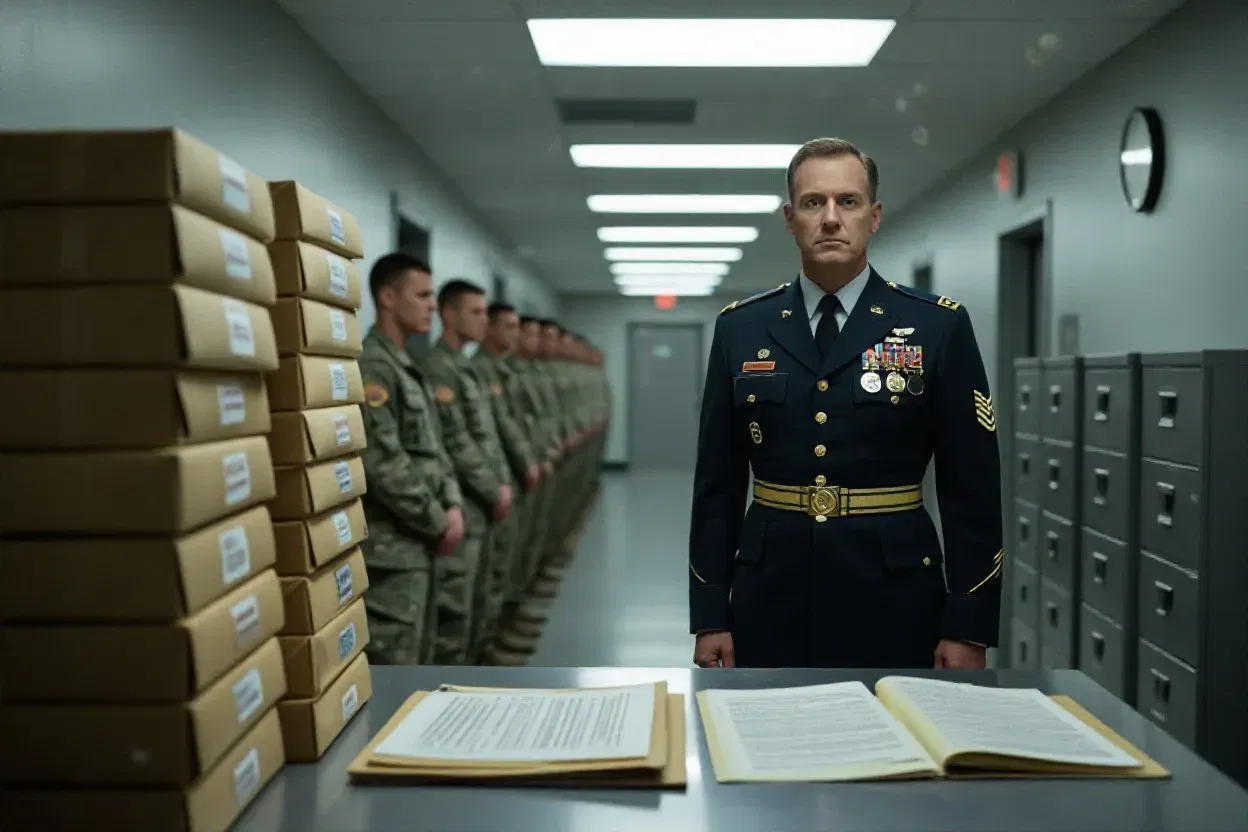
Double Standards: Why Officers Can Get Away with More
The Glaring Differences in Treatment
DoD IG substantiates fewer than 10% of retaliation complaints, despite thousands filed each year.
You often see officers’ misconduct labeled as “handled internally”, with no public record. Command channels seal reports, scrub files, and reclassify incidents as leadership issues not crimes. Meanwhile you, a junior reporter, get an OER that tanks your promotion board standing. One bad evaluation can undo years of service in a single stroke.
Why Rank Can Protect You (and Keep You Silent)
Senior officers control billets, evaluations, and access to sensitive work, and that power shapes outcomes. They can reassign people to dead-end posts, stall IG inquiries for months, or influence who reviews findings.
You face a system where legal advisors and investigators answer to the same chain that created the problem. That creates a conflict of interest that quietly shields the powerful while exposing you to risk.
More detail: the Board for Correction of Military Records and promotion boards rely on official records you don’t control, so a single negative note from the wrong boss can block your civilian prospects and your security clearance.
The Human Cost: What It Means for Everyone
Thousands of careers get dented by administrative actions that never reach courts. You and your family can lose income, benefits, and professional identity when clearances vanish or civilian contractors refuse to hire you.
Mental health suffers too; PTSD, anxiety, and isolation are common after reprisal. Colleagues watch and learn the lesson: silence keeps your career intact, truth ruins it.
Truth spoken can cost you everything – your job, your trust, your future.
Who’s Fighting Back? The Friends and Allies of Whistleblowers
Surprising as it sounds, the people most likely to protect a whistleblower usually sit outside the chain of command. You’ll find allies in watchdog groups, investigative reporters, and pro bono lawyers who press cases public and legal. The DoD IG fields thousands of retaliation claims annually, yet it substantiates only a small fraction of them, so outside pressure often makes the difference.
Sometimes that pressure wins real results. The Navy’s Fat Leonard scandal produced more than 30 convictions after reporters and watchdogs pushed investigations. You can see the pattern: when official channels stall, external actors break the logjam and force accountability.
The Unsung Heroes: Organizations Taking a Stand
Most people don’t expect NGOs to move mountains, but groups like the Government Accountability Project, Project On Government Oversight, and the National Whistleblower Center do exactly that. They file amicus briefs, provide legal aid, and lobby Congress for policy fixes, and they often represent service members who’d otherwise have no recourse.
You can point to clear wins. Those groups helped bring the Fat Leonard misconduct into the open and pushed for prosecutions. They also fund legal clinics and maintain tip lines that let you submit evidence safely, which means more cases reach investigators and reporters.
The Role of Investigative Journalism – It Matters!
What’s counterintuitive is how often journalism becomes the whistleblower’s last, best shield. Reporters turn buried complaints into national stories, force hearings, and create public pressure that agencies can’t ignore. Outlets like ProPublica, The New York Times, and The Washington Post have repeatedly exposed waste, fraud, and abuse tied to military programs.
Investigative pieces often trigger oversight. Media coverage of sexual assault and procurement scandals led to congressional inquiries and policy shifts in the last decade. When evidence is airtight and public outrage grows, institutions act – sometimes finally, sometimes grudgingly.
To help journalism actually protect sources, you can support secure tip platforms like SecureDrop and donate to nonprofit newsrooms. Your subscriptions and donations fund long investigations that cost time and money, and that coverage often saves careers or forces prosecutions.
How You Can Help Bring Awareness
You might think awareness is passive, but your actions matter. Share verified reporting, sign petitions tied to oversight, and donate to watchdogs that litigate on behalf of whistleblowers. Even small donations help fund FOIA requests and legal fees.
Another powerful move is amplifying secure tips and official records. When you highlight a well-sourced story on social channels, you make it harder for institutions to bury it and easier for lawmakers to act.
Be smart about amplification: verify facts, link to original reporting, and avoid speculation. Encourage sources to use secure channels and legal counsel before going public, and focus your energy on proven organizations and reputable journalists.

What’s the Future Gonna Look Like? Reform or Stagnation?
The Changes We Need to See
The first fix isn’t more training or another memo. You need independent investigators with subpoena power who answer to law, not to command. Thousands of reprisal claims hit the DoD IG annually, yet only a single-digit percentage are substantiated.
So you want real teeth? Implement binding timelines for investigations, bar commanders from controlling evidence, and create career protections that prevent punitive reassignments. The SEC’s whistleblower program paid more than $1 billion and shows independent incentives actually work.
Can We Count on Congress to Step Up?
Congress created the Military Whistleblower Protection Act in 1988, but laws alone haven’t fixed the machine. You see periodic patches, but the chain-of-command problem persists.
Political will matters more than intent. Oversight budgets, explicit authority for independent offices, and enforcement teeth all require lawmakers to push back against service resistance.
Watch for specific reforms: proposals to fund an independent military whistleblower ombudsman, expanded IG independence, mandatory timelines for findings, and clearer protections for security clearances. If Congress adds subpoena authority and direct funding, the balance of power shifts toward you.
Hope for Tomorrow: Making a Difference
Change often starts with a single case that won’t be buried. You can amplify it by documenting everything, preserving messages, and using outside watchdogs. Groups like the Government Accountability Project and the National Whistleblower Center often help navigate IG channels and public exposure.
And culture can shift from the bottom up. When veterans’ groups, lawyers, and journalists join one case, institutions sometimes act to avoid public fallout. That pressure has forced corrective actions in multiple units over the last decade.
Practical steps you can take now: save emails, note dates and witnesses, file IG complaints promptly, get independent counsel, and contact advocacy groups. Those moves increase your odds and protect your future while the larger reforms slowly grind forward.
Conclusion
Drawing together, what will you do when exposing truth costs you everything? You’ve seen how the retaliation machine works, it chews careers and spits out people. It’s angry, quiet, and bureaucratic – and it’ll make you think twice about speaking up.
You can push for reform, push for independent oversight, or you can stay silent and survive. History shows you what’s at stake, like the panic around Able Archer 83, where misread signals almost fried everyone.
You can be the one who breaks the chain.
FAQ
Q: What is the “retaliation machine”?
A: I once saw a captain silence a signals analyst after a fraud report.
It’s a system that punishes truth while protecting power.
It’s more culture than policy, subtle and brutal – built on paperwork, favors, and fear.
The machine hides reprisals behind routine procedures and friendly smiles.
Promotions die quietly.
Who would risk that?
Q: Are service members legally protected when they report wrongdoing?
A: A Marine filed under the MWPA and waited years for relief.
On paper the law shields reporters.
In practice protection often fails.
Investigations stall and commanders control evidence.
So yes, there’s legal language, but no guaranteed safety.
Q: Why are whistleblowers often branded as traitors?
A: A sailor who exposed a sexual assault cover-up was called disloyal.
Command sees exposure as betrayal of unit cohesion.
Power protects itself first.
Have you seen how quickly allies turn away?
Q: How does retaliation actually show up in a career?
A: A friend lost her clearance the week after she reported fraud.
Sudden fitness-for-duty exams, reassignments, bogus misconduct charges.
Evaluations tank.
Promotions evaporate.
Sometimes it’s quiet – a desk with no work, a stalled career.
Q: Why do investigations rarely fix things for whistleblowers?
A: An IG probe cleared a commander but the whistleblower was never made whole.
Investigators answer to the same chain that can retaliate.
Burden of proof is nearly impossible inside closed ranks.
So cases get dismissed or buried in technicalities.
Q: What reforms could actually protect truth-tellers?
A: I talked to a colonel who urged independent oversight and transparency.
Independent investigators with subpoena power could change outcomes.
Protections must include career security, benefits, and whistleblower confidentiality.
Real consequences for commanders who retaliate would shift the balance.
Q: How can a service member protect themselves before reporting?
A: A former NCO kept meticulous notes and saved emails; it helped.
Document everything – date, time, witnesses, context.
Talk to an independent lawyer or trusted external watchdog.
Be ready for personal cost – plan employment and mental health support.


About the author


Understanding Allodial Titles, Land Patents, and Their Legal Implications
In property rights and land ownership, the concepts of allodial titles and land patents hold significant legal weight. These terms are often used in discussions related to the protection of property rights, land ownership, and the interplay between various areas of law such as the Uniform Commercial Code, contract law, constitutional law, and statutory law. In this in-depth blog post, we will explore into the intricacies of allodial titles and land patents, exploring their definitions, legal implications, and dispelling common myths and misconceptions associated with them. Key Takeaways: Allodial Titles Explained: An allodial title represents the highest form of land ownership, granting the owner absolute and unburdened ownership of the property, free from any encumbrances, liens, or taxes imposed by external parties. Land Patents and Their Legal Implications: A land patent is a legal document issued by the government that […]

Outsmart the System: Top Legal Strategies You Need to Know
Understanding the Legal Landscape While the legal system may seem intimidating, grasping its core concepts can empower you to navigate its complexities effectively. Understanding this landscape is vital for anyone looking to outsmart the system and optimize their legal strategies. Whether you’re seeking legal hacks for small businesses or tips on how to use legal loopholes to your advantage, recognizing the different legal frameworks at play can be crucial in making informed decisions. Overview of Legal Systems An understanding of the various legal systems is pivotal for recognizing your rights and obligations. Legal frameworks can vary significantly from one country to another, with common systems including civil law, common law, and religious law. Each system has its own structure, offering unique legal strategies and challenges. For example, in a common law system, previous judicial decisions can influence future cases, allowing […]

Ilataza Ban Yasharahla EL’s Public Records Request for Elyria Board of Education
24-0001492: Ilataza Ban Yasharahla EL's Public Records Request for Elyria Board of Education. All Rights Expressly Reserved and Retained. https://nationalnoticerecord.com/elyria-boe-members-required-to-follow-rulings https://nationalnoticerecord.com/is-elyria-school-board-bound-by-ohio-courts https://nationalnoticerecord.com/understanding-the-oath-of-office-legal-obligations-and-consequences

Ohio Legalizing Recreation Marijuana Use May Hurt Dispensaries in Monroe, Michigan
In recent years, the movement to legalize marijuana for adult recreational use has gained significant momentum across the United States. Ohio, a state long synonymous with conservative values, has also embraced this shift in public opinion. With the passing of Ohio Issue 2 and the Ohio Home Grow Bill, the state has joined the ranks of those allowing the recreational use of marijuana. This blog post will delve into the pros and cons of Ohio's legalization, as well as the potential implications for marijuana dispensaries in Monroe, Michigan, which previously benefited from Ohio buyers crossing state lines. https://www.youtube.com/watch?v=0KRzqZ8dUwc Pros of Ohio's Recreational Marijuana Legalization 1. Economic Boost: Legalizing recreational marijuana in Ohio has the potential to generate substantial economic benefits for the state. The marijuana industry has proven to be a lucrative market, with tax revenue and job creation being […]

The Etymology of “Bey” EXPOSED
TURN UP YOUR VOLUME & PRESS PLAY Have you ever wondered what the true origin and meaning of "Bey" is? We've been told that it means "Governor", "Law Enforcer", Chief, etc. But, what if that's incorrect? What if we've been using the "title", "Bey", incorrectly? FILL OUT THE FORM TO GET STARTED First Name: Last Name: Phone Number: Email: I agree to receive email updates and promotions. Submit

Are You A “Colored Person”?
Tune in as we dissect the term "person of color", exposing how its PURPOSELY steeped in plausibility, DECEPTION, and used as a weapon.

We’ve Been FORCED to Make Some Changes
Due to receiving so many tasks that our work has become more tedious, we've been forced to make some changes at National Notice Record.

Gas Go Express Food Mart Unjust Enrichment Via Debit Card Surcharge Fees
https://www.youtube.com/watch?v=eJknhtE9JEI In this video, I talk about a consumer experience I had while shopping at Gas Go Express Food Mart Gas Station, located at 237 Lake Avenue, Elyria, Ohio. On November 24, 2021, I made a purchase for 4 taxable items at the location. Each item was $0.99 per. With taxes, it came up to $4.26. As I got ready to place my debit card into the card reader, the Gas Go Express Food Mart clerk immediately added a $.50 debit card surcharge fee. As a common practice, some merchants/stores add a surcharge to your total purchase amount when you spend less than $5 or $10 when using a credit/debit card to process the payment. Being a merchant myself, I know that Master Card, Visa, Discover, and some of the other financial institutions have a strict policy that states that […]

Is Your Signature a Trap? The UCC Truth
Just a quick question for you: Are you sure about what your signature really means? Your signature, under the Uniform Commercial Code (UCC), isn't just an autograph. It can be a legal trap, binding you to terms you never fully understood. Learn to protect yourself from these hidden dangers in commercial transactions. Seriously, is your signature actually a legal trap or just a silent endorsement? You probably think your signature is just a formality, right? But under the Uniform Commercial Code (UCC), it's much more. Your signature acts as a binding endorsement, fueling the financial system, often at your personal expense. Why we're conditioned to sign stuff without looking and the bad news that follows Ever feel rushed to sign? This conditioning makes you enter "contracts of adhesion." You're then seen as a "debtor" or "representative", not a living person […]

The Merchant’s Bible: Decoding UCC Article 1
Many entrepreneurs overlook the bedrock of commercial law. You must understand UCC Article 1. This article governs your business transactions, from agreements to definitions. Ignoring these foundational provisions can lead to costly disputes. Master this crucial legal framework to protect your interests and achieve success. Key Takeaways: * UCC Article 1 forms the foundational rules of US commercial law. It defines core concepts, distinguishing an "agreement" from a binding "contract."* Merchants must recognize that UCC Article 1 rules often supersede common law in business dealings. This shift dictates different legal obligations and expectations.* Certain mandates cannot be disclaimed, including good faith, diligence, reasonableness, and care. These duties always govern commercial transactions.* Past actions, such as course of dealing and course of performance, can redefine written contracts. Documenting reservations of rights protects legal leverage.* UCC Article 1 is adapting to the […]

Hidden in Plain Sight: The UCC 1-308 Shield
You probably feel something is off. You sign documents daily, but do you truly understand their hidden implications? This little-known shield can protect your inherent rights. It's a secret many miss, but you don't have to be one of them. Key Takeaways: You know, there's this growing buzz online about reclaiming personal sovereignty, and a lot of folks are looking into how the Uniform Commercial Code fits into that. It feels like we're all just waking up to how much of our lives are governed by unspoken rules. * Signing documents "without prejudice UCC 1-308" isn't just legal jargon; it's a profound declaration. This simple act communicates you are performing an action, but you aren't consenting to hidden contract terms. * Many everyday agreements, like your driver's license application, are "adhesion contracts." You typically accept their terms completely, or you […]

UCC Secrets: The Code That Owns Your Daily Life
UCC is everywhere, shaping your financial reality. You might not realize it, but the Uniform Commercial Code governs your daily life. This code dictates how your assets are handled, often without your explicit understanding. You need to know these secrets. Key Takeaways: You know, most folks think they're playing by "Civil Law" rules, but the truth is, the Uniform Commercial Code (UCC) is the real silent puppet master pulling the strings of daily life. It's not just some obscure legal jargon; it's the very foundation of our commercial world. That "Corporate Personhood" stuff in the UCC isn't just for big companies; it's about the "Strawman" created with your birth certificate. This legal fiction might be the key to understanding why your identity feels like a perfected security interest. UCC 1-308, that "without prejudice" phrase, it's not a magic spell, but […]

What If Traffic Tickets Are Just Municipal Profit Schemes?
The Great Harvesting: Why Traffic Tickets are Municipal Profit Schemes I. What If Traffic Tickets Were Never About Safety? What if everything you’ve been told about traffic tickets is wrong? What if traffic enforcement has quietly shifted from “public safety” to public revenue? This shift transforms ordinary citizens into municipal ATMs. You are not being “protected” on the road. Instead, you are being harvested. This is happening algorithmically, administratively, and unconstitutionally. For decades, Americans accepted traffic tickets as routine. But here is the question almost no one asks. Are traffic tickets unconstitutional? Is this a cleverly disguised municipal profit scheme? These municipal corporations depend on fines. They need them like businesses depend on sales. There is a massive rise in public distrust today. People ask: “Are traffic tickets unconstitutional revenue streams?” This is an explosive search trend across all major […]

Service Providers Are Hiding Fees-and It’s NOT Legal
Many of you have likely felt the sting of unexpected charges on your bills. You signed a contract, yet the total is higher than expected. This isn't just annoying; it's often illegal. You deserve to know every cost upfront. Are you tired of feeling cheated by hidden fees? Key Takeaways: * Does that bill make your stomach drop? Hidden fees are a sneaky strategy, not an accident, making your monthly charges mysteriously higher than expected.* Are they playing fair with your money? Companies often use vague terms like “service fees” or “administrative costs” to mask charges you never agreed to.* Is this even legal? No, concealing fees violates consumer protection laws, making it deceptive and unfair to you.* Why did they hide it from you? Businesses exploit emotions, getting you to commit before revealing the costly details in fine print.* […]
Related
Is Your Signature a Trap? The UCC Truth
Just a quick question for you: Are you sure about what your signature really means? Your signature, under the Uniform Commercial Code (UCC), isn't just an autograph. It can be a legal trap, binding you to terms you never fully understood. Learn to protect yourself from these hidden dangers in commercial transactions. Seriously, is your signature actually a legal trap or just a silent endorsement? You probably think your signature is just a formality, right? But under the Uniform Commercial Code (UCC), it's much more. Your signature acts as a binding endorsement, fueling the financial system, often at your personal expense. Why we're conditioned to sign stuff without looking and the bad news that follows Ever feel rushed to sign? This conditioning makes you enter "contracts of adhesion." You're then seen as a "debtor" or "representative", not a living person […]
The Merchant’s Bible: Decoding UCC Article 1
Many entrepreneurs overlook the bedrock of commercial law. You must understand UCC Article 1. This article governs your business transactions, from agreements to definitions. Ignoring these foundational provisions can lead to costly disputes. Master this crucial legal framework to protect your interests and achieve success. Key Takeaways: * UCC Article 1 forms the foundational rules of US commercial law. It defines core concepts, distinguishing an "agreement" from a binding "contract."* Merchants must recognize that UCC Article 1 rules often supersede common law in business dealings. This shift dictates different legal obligations and expectations.* Certain mandates cannot be disclaimed, including good faith, diligence, reasonableness, and care. These duties always govern commercial transactions.* Past actions, such as course of dealing and course of performance, can redefine written contracts. Documenting reservations of rights protects legal leverage.* UCC Article 1 is adapting to the […]
Hidden in Plain Sight: The UCC 1-308 Shield
You probably feel something is off. You sign documents daily, but do you truly understand their hidden implications? This little-known shield can protect your inherent rights. It's a secret many miss, but you don't have to be one of them. Key Takeaways: You know, there's this growing buzz online about reclaiming personal sovereignty, and a lot of folks are looking into how the Uniform Commercial Code fits into that. It feels like we're all just waking up to how much of our lives are governed by unspoken rules. * Signing documents "without prejudice UCC 1-308" isn't just legal jargon; it's a profound declaration. This simple act communicates you are performing an action, but you aren't consenting to hidden contract terms. * Many everyday agreements, like your driver's license application, are "adhesion contracts." You typically accept their terms completely, or you […]
UCC Secrets: The Code That Owns Your Daily Life
UCC is everywhere, shaping your financial reality. You might not realize it, but the Uniform Commercial Code governs your daily life. This code dictates how your assets are handled, often without your explicit understanding. You need to know these secrets. Key Takeaways: You know, most folks think they're playing by "Civil Law" rules, but the truth is, the Uniform Commercial Code (UCC) is the real silent puppet master pulling the strings of daily life. It's not just some obscure legal jargon; it's the very foundation of our commercial world. That "Corporate Personhood" stuff in the UCC isn't just for big companies; it's about the "Strawman" created with your birth certificate. This legal fiction might be the key to understanding why your identity feels like a perfected security interest. UCC 1-308, that "without prejudice" phrase, it's not a magic spell, but […]
What If Traffic Tickets Are Just Municipal Profit Schemes?
The Great Harvesting: Why Traffic Tickets are Municipal Profit Schemes I. What If Traffic Tickets Were Never About Safety? What if everything you’ve been told about traffic tickets is wrong? What if traffic enforcement has quietly shifted from “public safety” to public revenue? This shift transforms ordinary citizens into municipal ATMs. You are not being “protected” on the road. Instead, you are being harvested. This is happening algorithmically, administratively, and unconstitutionally. For decades, Americans accepted traffic tickets as routine. But here is the question almost no one asks. Are traffic tickets unconstitutional? Is this a cleverly disguised municipal profit scheme? These municipal corporations depend on fines. They need them like businesses depend on sales. There is a massive rise in public distrust today. People ask: “Are traffic tickets unconstitutional revenue streams?” This is an explosive search trend across all major […]
Service Providers Are Hiding Fees-and It’s NOT Legal
Many of you have likely felt the sting of unexpected charges on your bills. You signed a contract, yet the total is higher than expected. This isn't just annoying; it's often illegal. You deserve to know every cost upfront. Are you tired of feeling cheated by hidden fees? Key Takeaways: * Does that bill make your stomach drop? Hidden fees are a sneaky strategy, not an accident, making your monthly charges mysteriously higher than expected.* Are they playing fair with your money? Companies often use vague terms like “service fees” or “administrative costs” to mask charges you never agreed to.* Is this even legal? No, concealing fees violates consumer protection laws, making it deceptive and unfair to you.* Why did they hide it from you? Businesses exploit emotions, getting you to commit before revealing the costly details in fine print.* […]