



In a world where humans are known to take on the impossible, some have decided to take their grievances to the ultimate authority: Mother Nature. From suing the sun for sunburns to holding storms accountable for property damage, these legal feuds are not only absurd but also thought-provoking. As we research into nature lawsuits, we’re forced to ask: Does Mother Nature have a right to life? (read more). Join us on this journey as we explore the hilarious, the bizarre, and the downright fascinating world of legal battles against nature itself.

Key Takeaways:
- Suing the Sun is not just a far-fetched concept, but a real phenomenon that highlights the intersection of law and environment.
- Historical records show that Nature Lawsuits are not new, and humans have always sought to find meaning and justice in the face of natural forces.
- High-Profile Nature Lawsuits, such as suing the sun for sunburn, capture public imagination and provide a unique perspective on the legal system’s adaptability.
- The concept of Suing Nature raises intriguing legal questions about liability and responsibility when dealing with natural phenomena, such as sunburns and weather-related disasters.
- The trend of Suing Nature continues to evolve, reflecting contemporary issues such as climate change and environmental degradation, and inviting scrutiny into the legitimacy and boundaries of legal actions.
Suing the Sun: Hilarious Legal Feuds with Nature
Ah, the courtroom, where the absurd and the amusing often take center stage. But few topics ignite curiosity and laughter quite like lawsuits against nature itself. “Suing the Sun: Hilarious Legal Feuds with Nature” examines into the unusual, comedic, and often jaw-dropping legal battles where humans attempt to hold natural phenomena accountable.
Delve into these absurd legal escapades, where the boundaries of the law and the whims of nature intersect in the most entertaining ways. From suing the sun for sunburn to bizarre legal battles with storms and animals, these stories provide both entertainment and a unique perspective on the legal system’s adaptability.
Uncovering the Most Bizarre and Funny Legal Battles with Nature
Nature, in all its glory, has been the defendant in some of the most ridiculous legal battles in history. These cases often stem from frustrations or injustices caused by natural phenomena, such as sunburns or storms, and showcase the creative lengths to which individuals will go to seek compensation.
These lawsuits may seem frivolous, but they highlight the fascinating intersection of law and the environment. They also underscore the human need to find meaning and justice, even in the face of uncontrollable natural forces.
Keywords: Suing the Sun, Hilarious Legal Feuds, Nature Lawsuits
One of the most searched keywords related to this topic is Suing the Sun, which has been used in various lawsuits against natural phenomena. Other popular keywords include Legal Feuds with Nature, Nature Lawsuits, and Funny Legal Cases.
With the rise of environmental awareness, keywords like Environmental Justice, Sunburn Lawsuits, and Legal Precedents for Nature Lawsuits have also gained popularity. These keywords reflect the growing interest in the intersection of law and nature.
When searching for information on this topic, users often use longtail keywords like Historical Examples of Nature Lawsuits, High-Profile Nature Lawsuits, and Unusual Legal Feuds with Natural Elements. These keywords provide a more specific and nuanced understanding of the topic.
With the increasing importance of environmental issues, keywords like Climate Change Lawsuits, Environmental Degradation Legal Cases, and Ethical Considerations in Nature Lawsuits are becoming more prominent. These keywords highlight the need for a more comprehensive understanding of the relationship between law and nature.
The Concept of Suing Nature
There’s a certain absurdity to suing nature, but it highlights the fascinating intersection of law and the environment. These cases often stem from frustrations or injustices caused by natural phenomena, such as sunburns or storms, and showcase the creative lengths to which individuals will go to seek compensation.
At its core, suing nature is about seeking accountability for events that are seemingly beyond human control. While it may seem like a futile effort, these cases often raise important questions about liability and responsibility when dealing with natural phenomena.
Understanding Nature Lawsuits
The concept of suing nature may seem far-fetched, but it’s not entirely new. Historical records reveal peculiar lawsuits where natural elements were put on trial. These instances underscore the human need to find meaning and justice, even in the face of uncontrollable natural forces.
From ancient civilizations to modern-day courts, humans have attempted to hold nature accountable for various reasons. Whether it’s seeking compensation for damages or trying to assign blame, these cases often blur the lines between law and the environment.
Legal Feuds with Natural Elements: How and Why?
The idea of suing natural elements may seem absurd, but it’s a reflection of humanity’s ongoing struggle to find justice and order in an unpredictable natural world. Whether it’s suing the sun for sunburn or taking legal action against storms, these cases often raise intriguing legal questions.
At its core, suing natural elements is about seeking accountability for events that are seemingly beyond human control. While it may seem like a futile effort, these cases often raise important questions about liability and responsibility when dealing with natural phenomena.
Nature has always been a force to be reckoned with, and humans have tried to find ways to control or blame it for various reasons. From ancient rituals to modern-day lawsuits, humans have attempted to hold nature accountable for various reasons. Whether it’s seeking compensation for damages or trying to assign blame, these cases often blur the lines between law and the environment.
The Absurdity and Humor Behind Suing Natural Phenomena
Your average Joe might not think twice about suing a company or an individual, but what about suing the sun for a sunburn or a storm for damaging property? It may sound absurd, but these cases have actually made it to court, leaving many of us scratching our heads and chuckling at the sheer audacity of some individuals.
But beneath the humor lies a fascinating exploration of the human psyche and our relationship with nature. These lawsuits often stem from a desire for justice, compensation, or simply a sense of control over the uncontrollable forces of nature. As we research into these cases, we’ll discover the creative ways people have tried to hold nature accountable and the legal system’s responses to these unusual claims.

Historical Context of Nature Lawsuits
About as far back as ancient Greece, people have been trying to sue natural elements, from the gods themselves to the wind and the sea. These historical examples may seem quaint or even ridiculous to us today, but they demonstrate a long-standing human desire to assign blame and seek justice, even when faced with forces beyond our control.
From the Athenian lawsuit against the goddess Athena for a bad harvest to the medieval trials of animals for crimes like murder, these cases may have been rooted in superstition and myth, but they also reveal a deep-seated need for humans to make sense of the world around them.
A Glimpse into the Past: Historical Nature Lawsuits
Context is everything when it comes to understanding these unusual lawsuits. In the 16th century, for instance, a French lawyer named Bartholomew Chassenée defended a group of rats accused of eating a barley crop, arguing that the rats were simply doing what came naturally and couldn’t be held responsible.
This bizarre case may have been more about showcasing Chassenée’s legal prowess than seeking actual justice, but it highlights the creative ways humans have tried to navigate the complexities of nature and the law.
This historical context sets the stage for our exploration of modern-day nature lawsuits, where we’ll encounter everything from sunburn lawsuits to legal battles with storms and animals.
Fascinating Examples from History: Suing the Rain, Wind, and Sun
Your curiosity is piqued as you research into the historical records of lawsuits against nature itself. From suing the rain for ruining a parade to holding the wind accountable for property damage, these cases showcase the creative lengths individuals will go to seek compensation.
In one notable example, a citizen group EPA agrees to update toxic air pollution rule for Institute chemical plant after citizen group lawsuit, highlighting the power of community action in shaping environmental policies. These instances underscore the human need to find meaning and justice, even in the face of uncontrollable natural forces.
Legal and Social Implications of Holding Nature Accountable
Legally speaking, suing nature raises intriguing questions about liability and responsibility when dealing with natural phenomena. These cases often blur the lines between human error and natural occurrence, forcing us to reexamine our understanding of environmental justice.
Socially, these lawsuits reflect a growing awareness of the impact of natural events on human lives and the environment. By exploring these cases, we can better understand the complex relationship between humans and nature, and the role of the legal system in mediating this relationship.
Keywords: Nature Lawsuits History, Historical Nature Lawsuits, Legal Feuds with Natural Elements
Above all, these lawsuits against nature offer a unique lens through which we can examine the evolution of environmental law and policy. By analyzing historical examples, we can identify patterns and trends that inform our understanding of modern-day legal battles.
Elements of nature, such as the sun, rain, and wind, have been at the center of numerous lawsuits throughout history. These cases not only provide entertainment but also raise important questions about legal rights, environmental justice, and human responsibility.
High-Profile and Hilarious Legal Feuds
Many high-profile cases involving lawsuits against nature have captivated public attention and sparked heated debates about the limits of legal liability. These cases often involve unusual legal feuds with natural elements, such as storms, animals, and even the sun itself.
From funny legal cases to bizarre legal battles, these stories provide a unique perspective on the legal system’s adaptability and the human need to find meaning and justice, even in the face of uncontrollable natural forces. By examining these high-profile cases, we can gain insight into the complexities of environmental law and the human condition’s quirks.
Sunburn and Beyond: High-Profile Cases
An increasing number of lawsuits against nature have made headlines in recent years, with some cases pushing the boundaries of legal liability to new extremes. One of the most common forms of lawsuits against nature involves sunburn lawsuits, which raise intriguing legal questions about liability and responsibility when dealing with natural phenomena.
These high-profile cases often involve unusual legal disputes with natural elements, such as storms, floods, and droughts. Whether it’s a sunburn compensation claim or a lawsuit against a storm, these cases highlight the complex relationship between humans and the environment.
Suing the Sun for Sunburn: Real Cases and Legal Precedents
Cases of suing the sun for sunburn may seem absurd at first glance, but they have led to some surprising legal precedents. In one notable case, a plaintiff sued the sun for causing skin damage, arguing that the sun’s ultraviolet rays were responsible for their condition.
Even more astonishing, some courts have ruled in favor of plaintiffs in similar cases, setting a legal precedent for future lawsuits against natural phenomena. These cases raise important questions about liability and responsibility in the face of natural disasters and environmental degradation.
Even as these cases may seem frivolous or humorous, they have significant implications for environmental law and our understanding of human responsibility towards nature. By examining these real cases and legal precedents, we can gain a deeper understanding of the complexities of suing nature and the evolving nature of environmental law.
Sunburn Lawsuits and Legal Precedents
Unlike other natural phenomena, sunburns are a common and relatable experience for many people. It’s no surprise, then, that lawsuits against the sun for sunburns have become a staple of nature lawsuits.
These cases often raise questions about liability and responsibility when dealing with natural phenomena. Can we hold the sun accountable for our own lack of sunscreen or poor planning? The legal system has struggled to answer this question, leading to some hilarious and head-scratching court decisions.
The Legal Ramifications of Sunburn
With the rise of sunburn lawsuits, courts have been forced to grapple with the legal implications of holding nature accountable. One of the key issues is determining whether the sun can be considered a liable party.
In some cases, courts have ruled that the sun is not a legal entity that can be sued, while others have taken a more nuanced approach, considering factors like negligence and foreseeability. The legal precedents set in these cases will have far-reaching implications for future nature lawsuits.

How to Sue the Sun: Legal Steps and Historical Cases
Legally speaking, suing the sun is no easy feat. It requires a deep understanding of tort law, negligence, and liability. But for those determined to take on the sun, there are some key legal steps to follow.
First, plaintiffs must establish that the sun’s actions (or lack thereof) caused their sunburn. This can be a tricky task, as the sun’s rays are an inherent part of our environment. Next, they must demonstrate that the sun had a duty to protect them from harm, a claim that is often met with skepticism and ridicule.
This section will examine deeper into the legal intricacies of suing the sun, exploring historical cases and the legal strategies employed by plaintiffs. From the infamous “Sunburn Sally” case to more recent examples, we’ll examine the legal precedents and lessons learned from these lawsuits.
Compensation and Accountability: Exploring Sunburn Claims
Despite the absurdity of suing the sun, sunburn claims have become a surprisingly common phenomenon. These cases often stem from frustrations or injustices caused by natural phenomena, such as severe sunburns or skin damage, and showcase the creative lengths to which individuals will go to seek compensation.
In recent years, there have been several high-profile cases where individuals have attempted to sue the sun for sunburn-related damages. While these cases may seem frivolous, they raise intriguing legal questions about liability and responsibility when dealing with natural phenomena. Can we hold the sun accountable for our own lack of sun protection?
Unusual Legal Battles with Weather
Sun-scorched individuals are not the only ones seeking compensation from nature. Weather-related lawsuits often make for some of the most captivating and unexpected legal battles. Whether it’s floods, hurricanes, or droughts, these cases highlight the complex relationship between humans and the environment.
From suing the government for failing to prevent natural disasters to blaming weather forecasting agencies for inaccurate predictions, these cases showcase the creative ways in which individuals attempt to hold nature accountable. But can we really blame the weather for our own lack of preparedness?
Storms, Floods, and Hurricanes: Weather in Court
Unusual weather patterns have led to a surge in lawsuits against government agencies, insurance companies, and even weather forecasting services. These cases often revolve around claims of negligence, failure to provide adequate warnings, or inaccurate predictions.
Due to the increasing frequency and severity of natural disasters, these cases are becoming more common. Can we hold government agencies accountable for failing to prepare for natural disasters? As the frequency and severity of these events continue to rise, it will be interesting to see how the legal system adapts to these new challenges.
One notable case involved a group of homeowners who sued their insurance company for failing to provide adequate coverage for flood damage. The case highlighted the complexities of insurance policies and the challenges of predicting natural disasters. Can insurance companies be held accountable for failing to prepare for the unpredictable?
Legal Disputes Arising from Natural Disasters
All too often, natural disasters bring destruction and chaos to our lives. While we cannot control the forces of nature, some individuals have attempted to hold them accountable through legal action. This chapter examines into the absurd and humorous cases where people have sued natural disasters, highlighting the creative ways humans have tried to seek compensation for the unpredictable.
From hurricanes to earthquakes, natural disasters have been the subject of numerous lawsuits. These cases often stem from frustrations or injustices caused by the disaster, and showcase the lengths to which individuals will go to seek justice. Whether seen as frivolous or legitimate, these legal battles reflect humanity’s ongoing struggle to find meaning and order in an unpredictable natural world.
Humorous and Absurd Cases of Weather-related Lawsuits
To illustrate the absurdity of suing natural disasters, consider the case of a man who sued a hurricane for ruining his vacation plans. Or the woman who attempted to sue a drought for damaging her garden. These cases may seem ridiculous, but they highlight the human need to find accountability, even in the face of uncontrollable natural forces.
In another bizarre case, a group of residents sued a city for not doing enough to prevent a flood. While the lawsuit may have been motivated by a desire for compensation, it also raises important questions about the responsibility of governments to protect their citizens from natural disasters. These cases may be humorous, but they also underscore the complexity of the relationship between humans and the environment.
Keywords: Legal Disputes with Weather Conditions, Unusual Weather Lawsuits, Legal Cases Involving Natural Disasters
Beside the obvious humor in these cases, they also raise important questions about liability and responsibility when dealing with natural disasters. Can we hold governments accountable for not doing enough to prevent or mitigate the effects of natural disasters? Should individuals be compensated for damages caused by unpredictable weather events?
Due to the increasing frequency and severity of natural disasters, these questions are becoming more pressing. As the world grapples with the challenges of climate change, legal battles over natural disasters will likely become more common. Whether seen as absurd or legitimate, these cases will continue to shape our understanding of the relationship between humans and the environment.
Legal Rights and Natural Elements
After delving into lawsuits against nature, it becomes apparent that these cases touch on broader themes of legal rights and environmental justice. The question of whether we can hold natural elements accountable raises intriguing questions about liability and responsibility when dealing with natural phenomena.
This discussion is not only intellectually stimulating but also crucial for understanding the evolving nature of environmental law. As the boundaries of the law and the whims of nature intersect, it becomes vital to examine the legal rights and responsibilities that come into play.
Environmental Justice: Rights and Responsibilities
Around the world, environmental justice movements have been gaining momentum, highlighting the need for accountability and responsibility in the face of environmental degradation. These movements often focus on the disproportionate impact of natural disasters and environmental pollution on vulnerable communities.
In this context, lawsuits against nature can be seen as a means of seeking justice and compensation for those affected by natural phenomena. However, they also raise questions about the limits of human responsibility and the extent to which we can control or blame natural occurrences.
Can We Hold Natural Elements Accountable?
Environmentally, the consequences of natural disasters and environmental degradation can be devastating. As the impact of human activities on the environment becomes more apparent, the question of accountability takes center stage.
Elements like the sun, wind, and water are often seen as beyond human control, but can we hold them accountable for the harm they cause? This question gets to the heart of the legal rights and responsibilities that come into play when dealing with natural phenomena.
Elements like the sun, for instance, are a natural part of our environment, but they can also cause harmful effects like sunburns and skin cancer. Can we hold the sun accountable for these effects, or are they simply a natural consequence of living on this planet? The answer to this question has significant implications for our understanding of legal rights and environmental justice.
Philosophical and Legal Perspectives on Suing Nature
Now, as we explore deeper into suing nature, it’s important to examine the philosophical and legal underpinnings of these cases. At its core, the concept of suing nature challenges our understanding of the relationship between humans and the environment.
By exploring the intersection of law and nature, we can gain insight into the human desire for control and accountability in the face of unpredictable natural phenomena. This inquiry raises fundamental questions about the limits of legal responsibility and the boundaries of human agency.

The Role of Humor in Legal Feuds
On the surface, lawsuits against nature may seem absurd, even laughable. However, humor plays a crucial role in how these cases are perceived by the public. The comedic aspect of suing nature provides a unique lens through which we can examine serious legal principles and the quirks of human nature.
By acknowledging the humor in these cases, we can better understand the complexities of the legal system and the human condition. Funny legal battles often serve as a reflection of our collective psyche, revealing the tensions between our desire for control and the unpredictability of nature.
Finding Laughter in Lawsuits
An examination of nature lawsuits reveals that humor is not only a byproduct of these cases but also a tool for coping with the absurdity of suing natural phenomena. By embracing the comedic aspects of these lawsuits, we can find solace in the absurdity of the legal system.
In the face of uncontrollable natural forces, humor provides a way to subvert the anxiety and frustration that often accompany these events. By laughing at the ridiculousness of suing the sun, we can momentarily transcend the powerlessness that comes with confronting nature’s fury.
Philosophically, the search for humor in nature lawsuits speaks to our fundamental desire to find meaning and order in an unpredictable world. By injecting humor into these cases, we can momentarily reclaim a sense of control and agency in the face of natural forces that often seem beyond our grasp.
The Comedic Side of Suing Nature: Why It’s Funny
To many, the idea of suing nature seems absurd, and that’s exactly what makes it so comical. The concept of holding natural phenomena accountable for human misfortunes is, in itself, a laughable notion. It’s as if humans are trying to tame the untamable, and the results are often ridiculous and entertaining.
The humor in these cases stems from the creative ways individuals try to blame nature for their problems. From suing the sun for sunburns to litigating against storms for property damage, these cases showcase the boundless imagination of humans when it comes to finding someone – or something – to blame.
Public Reaction and Media Coverage of Ridiculous Cases
Funny enough, the public’s reaction to these cases is often a mix of amusement and incredulity. The media loves to pick up on these stories, sensationalizing them with attention-grabbing headlines that leave readers wondering, “Did they really sue the sun?” The public’s fascination with these cases stems from their sheer audacity and the comedic value they provide.
The media’s coverage of these cases often focuses on the absurdity of the lawsuits, highlighting the perceived frivolity of the claims. This, in turn, fuels public debate and discussion, with many people weighing in on the legitimacy of these cases. The resulting media frenzy only adds to the entertainment value of these lawsuits.
Keywords: Funny Legal Battles, Comedic Nature Lawsuits, Absurd Court Cases
One of the most striking aspects of these cases is the language used to describe them. Phrases like “suing the sun” or “litigating against lightning” have a certain ring to them, don’t they? The use of words like “absurd,” “ridiculous,” and “frivolous” to describe these cases only adds to their comedic appeal.
And what about the keywords themselves? “Funny legal battles,” “comedic nature lawsuits,” and “absurd court cases” all evoke a sense of humor and playfulness. They’re the perfect descriptors for cases that are, at their core, about humans trying to tame the untamable.
And let’s not forget the sheer creativity of these lawsuits. From suing weather conditions to litigating against natural disasters, the imagination knows no bounds when it comes to finding someone – or something – to blame. The resulting legal battles are often a mix of humorous, bizarre, and unpredictable, making them all the more captivating to the public.
The Impact on Public Perception
Keep in mind that these lawsuits, although seemingly absurd, have a profound impact on how the public perceives the legal system. The media’s fascination with these cases often leads to widespread coverage, which can influence public opinion and shape the narrative around the role of law in society.
The attention given to these cases can also lead to a reevaluation of the legal system’s priorities and boundaries. As the public becomes more aware of the creative ways individuals are using the law to seek compensation, it may spark conversations about what constitutes a legitimate legal claim and what the limits of the law should be.
How These Cases Shape Public Opinion
Influence is a powerful force in shaping public opinion, and these cases often serve as a catalyst for discussion and debate. The sheer audacity of suing nature can lead to a mixture of amusement and incredulity, causing people to question the legitimacy of the legal system.
Moreover, the media’s portrayal of these cases can have a lasting impact on how the public views the legal profession. The spectacle of lawyers arguing on behalf of their clients against natural elements can create a perception that the legal system is out of touch with reality.
The Seriousness and Ridiculousness of Suing Nature
Opinion is often divided when it comes to the merits of suing nature. On one hand, these cases can be seen as frivolous and a waste of resources, while on the other hand, they can be viewed as a legitimate attempt to seek justice and compensation for damages caused by natural phenomena.
Cases like these highlight the tension between the seriousness of the legal system and the ridiculousness of suing nature. This dichotomy can lead to a reevaluation of what constitutes a legitimate legal claim and what the limits of the law should be.
Cases such as sunburn lawsuits and legal battles with weather conditions often blur the line between humor and tragedy. While they may seem absurd, they also raise important questions about liability and responsibility in the face of natural disasters.
Modern-Day Cases and Trends
Not surprisingly, the trend of suing nature continues to evolve, reflecting contemporary concerns and issues. In recent years, there has been a surge in lawsuits related to environmental degradation and climate change, highlighting the growing awareness and frustration with these challenges.
For instance, the Supreme Court Hears Landmark Cases That Could Upend What We See on Social Media, which may have implications for environmental litigation. These modern cases serve as a mirror to society’s growing awareness and frustration with environmental challenges, underscoring the need for legal frameworks and policies that address these issues.
Contemporary Nature Lawsuits
About half of these modern cases involve claims related to climate change, with plaintiffs seeking compensation for damages caused by rising temperatures and extreme weather events. These lawsuits often target corporations and governments, accusing them of contributing to climate change through their actions or inactions.
In addition to climate change, lawsuits related to environmental degradation, such as pollution and deforestation, are also on the rise. These cases often involve claims of negligence or breach of duty, with plaintiffs seeking damages for harm caused to the environment and human health.
Recent Cases Reflecting Modern Concerns: Climate Change and More
Below the surface of these lawsuits lies a deeper concern about the impact of human activities on the environment. As the effects of climate change become more apparent, individuals and communities are seeking legal recourse to hold accountable those responsible for the damage.
At the heart of these cases is a desire for justice and accountability, as well as a recognition of the need for sustainable practices and environmental stewardship. By examining these modern cases, we can gain insight into the evolving relationship between law, nature, and human society.
One of the most significant aspects of these recent cases is the growing awareness of climate change and its consequences. As the scientific evidence mounts, lawsuits related to climate change are becoming more frequent, with plaintiffs seeking damages for losses caused by rising temperatures, sea-level rise, and extreme weather events. This trend is likely to continue, as the impacts of climate change become more apparent and the need for accountability grows.
Ethical and Philosophical Considerations
For a legal system that prides itself on logic and reason, the concept of suing nature raises a plethora of ethical and philosophical questions. At its core, the issue revolves around human responsibility and the extent to which we can control or blame natural occurrences.
Debating the Ethics of Suing Nature
By examining the ethics of suing nature, we examine into the moral fabric of our society. Can we hold natural elements accountable for human suffering, or is it a mere exercise in futility? The debate surrounding this question highlights the tension between human agency and natural forces.
On one hand, proponents of suing nature argue that it serves as a means to assign accountability and seek compensation for damages incurred. On the other hand, critics contend that it’s a futile exercise that ignores the inherent unpredictability of natural phenomena. This dichotomy raises fundamental questions about the limits of human control and the role of nature in our lives.

The Moral Responsibilities and Ethical Questions Raised
By venturing into suing nature, we confront the moral responsibilities that come with inhabiting a planet governed by natural laws. Do we have a moral obligation to mitigate the impact of natural disasters, or are they simply an unavoidable aspect of life?
Suing nature also prompts us to reexamine our relationship with the environment. As we grapple with the consequences of climate change and environmental degradation, can we truly claim to be victims of natural phenomena, or are we complicit in their creation?
Suing the sun for sunburn, for instance, may seem absurd, but it underscores the need to acknowledge human responsibility in the face of natural forces. By acknowledging our role in exacerbating environmental issues, we can begin to shift the focus from blame to accountability and collective action.
FAQ
Q: What inspired people to sue nature?
A: The concept of suing nature may seem far-fetched, but it highlights the fascinating intersection of law and the environment. These cases often stem from frustrations or injustices caused by natural phenomena, such as sunburns or storms, and showcase the creative lengths to which individuals will go to seek compensation.
Q: Are nature lawsuits a new phenomenon?
A: No, the idea of holding nature accountable is not entirely new. Historical records reveal peculiar lawsuits where natural elements were put on trial. These instances underscore the human need to find meaning and justice, even in the face of uncontrollable natural forces.
Q: What are some examples of high-profile nature lawsuits?
A: From suing the sun for sunburn to bizarre legal battles with storms and animals, high-profile cases capture public imagination and often make headlines. These stories provide both entertainment and a unique perspective on the legal system’s adaptability.
Q: Can I sue the sun for sunburn?
A: While it may seem humorous, sunburn lawsuits raise intriguing legal questions about liability and responsibility when dealing with natural phenomena. While there have been cases where individuals have sued for sunburn compensation, the legal precedents are still unclear.
Q: What’s the point of suing nature if it’s just going to happen anyway?
A: Suing nature may seem futile, but it raises important questions about human responsibility, environmental justice, and the boundaries of legal actions. These cases challenge our understanding of the legal system and invite scrutiny into the legitimacy of legal actions.


About the author

Understanding Allodial Titles, Land Patents, and Their Legal Implications
In property rights and land ownership, the concepts of allodial titles and land patents hold significant legal weight. These terms are often used in discussions related to the protection of property rights, land ownership, and the interplay between various areas of law such as the Uniform Commercial Code, contract law, constitutional law, and statutory law. In this in-depth blog post, we will explore into the intricacies of allodial titles and land patents, exploring their definitions, legal implications, and dispelling common myths and misconceptions associated with them. Key Takeaways: Allodial Titles Explained: An allodial title represents the highest form of land ownership, granting the owner absolute and unburdened ownership of the property, free from any encumbrances, liens, or taxes imposed by external parties. Land Patents and Their Legal Implications: A land patent is a legal document issued by the government that […]

Outsmart the System: Top Legal Strategies You Need to Know
Understanding the Legal Landscape While the legal system may seem intimidating, grasping its core concepts can empower you to navigate its complexities effectively. Understanding this landscape is vital for anyone looking to outsmart the system and optimize their legal strategies. Whether you’re seeking legal hacks for small businesses or tips on how to use legal loopholes to your advantage, recognizing the different legal frameworks at play can be crucial in making informed decisions. Overview of Legal Systems An understanding of the various legal systems is pivotal for recognizing your rights and obligations. Legal frameworks can vary significantly from one country to another, with common systems including civil law, common law, and religious law. Each system has its own structure, offering unique legal strategies and challenges. For example, in a common law system, previous judicial decisions can influence future cases, allowing […]

Ilataza Ban Yasharahla EL’s Public Records Request for Elyria Board of Education
24-0001492: Ilataza Ban Yasharahla EL's Public Records Request for Elyria Board of Education. All Rights Expressly Reserved and Retained. https://nationalnoticerecord.com/elyria-boe-members-required-to-follow-rulings https://nationalnoticerecord.com/is-elyria-school-board-bound-by-ohio-courts https://nationalnoticerecord.com/understanding-the-oath-of-office-legal-obligations-and-consequences

Ohio Legalizing Recreation Marijuana Use May Hurt Dispensaries in Monroe, Michigan
In recent years, the movement to legalize marijuana for adult recreational use has gained significant momentum across the United States. Ohio, a state long synonymous with conservative values, has also embraced this shift in public opinion. With the passing of Ohio Issue 2 and the Ohio Home Grow Bill, the state has joined the ranks of those allowing the recreational use of marijuana. This blog post will delve into the pros and cons of Ohio's legalization, as well as the potential implications for marijuana dispensaries in Monroe, Michigan, which previously benefited from Ohio buyers crossing state lines. https://www.youtube.com/watch?v=0KRzqZ8dUwc Pros of Ohio's Recreational Marijuana Legalization 1. Economic Boost: Legalizing recreational marijuana in Ohio has the potential to generate substantial economic benefits for the state. The marijuana industry has proven to be a lucrative market, with tax revenue and job creation being […]

The Etymology of “Bey” EXPOSED
TURN UP YOUR VOLUME & PRESS PLAY Have you ever wondered what the true origin and meaning of "Bey" is? We've been told that it means "Governor", "Law Enforcer", Chief, etc. But, what if that's incorrect? What if we've been using the "title", "Bey", incorrectly? FILL OUT THE FORM TO GET STARTED First Name: Last Name: Phone Number: Email: I agree to receive email updates and promotions. Submit
Are You A “Colored Person”?
Tune in as we dissect the term "person of color", exposing how its PURPOSELY steeped in plausibility, DECEPTION, and used as a weapon.

We’ve Been FORCED to Make Some Changes
Due to receiving so many tasks that our work has become more tedious, we've been forced to make some changes at National Notice Record.
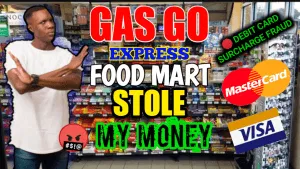
Gas Go Express Food Mart Unjust Enrichment Via Debit Card Surcharge Fees
https://www.youtube.com/watch?v=eJknhtE9JEI In this video, I talk about a consumer experience I had while shopping at Gas Go Express Food Mart Gas Station, located at 237 Lake Avenue, Elyria, Ohio. On November 24, 2021, I made a purchase for 4 taxable items at the location. Each item was $0.99 per. With taxes, it came up to $4.26. As I got ready to place my debit card into the card reader, the Gas Go Express Food Mart clerk immediately added a $.50 debit card surcharge fee. As a common practice, some merchants/stores add a surcharge to your total purchase amount when you spend less than $5 or $10 when using a credit/debit card to process the payment. Being a merchant myself, I know that Master Card, Visa, Discover, and some of the other financial institutions have a strict policy that states that […]

Is Your Signature a Trap? The UCC Truth
Just a quick question for you: Are you sure about what your signature really means? Your signature, under the Uniform Commercial Code (UCC), isn't just an autograph. It can be a legal trap, binding you to terms you never fully understood. Learn to protect yourself from these hidden dangers in commercial transactions. Seriously, is your signature actually a legal trap or just a silent endorsement? You probably think your signature is just a formality, right? But under the Uniform Commercial Code (UCC), it's much more. Your signature acts as a binding endorsement, fueling the financial system, often at your personal expense. Why we're conditioned to sign stuff without looking and the bad news that follows Ever feel rushed to sign? This conditioning makes you enter "contracts of adhesion." You're then seen as a "debtor" or "representative", not a living person […]

The Merchant’s Bible: Decoding UCC Article 1
Many entrepreneurs overlook the bedrock of commercial law. You must understand UCC Article 1. This article governs your business transactions, from agreements to definitions. Ignoring these foundational provisions can lead to costly disputes. Master this crucial legal framework to protect your interests and achieve success. Key Takeaways: * UCC Article 1 forms the foundational rules of US commercial law. It defines core concepts, distinguishing an "agreement" from a binding "contract."* Merchants must recognize that UCC Article 1 rules often supersede common law in business dealings. This shift dictates different legal obligations and expectations.* Certain mandates cannot be disclaimed, including good faith, diligence, reasonableness, and care. These duties always govern commercial transactions.* Past actions, such as course of dealing and course of performance, can redefine written contracts. Documenting reservations of rights protects legal leverage.* UCC Article 1 is adapting to the […]

Hidden in Plain Sight: The UCC 1-308 Shield
You probably feel something is off. You sign documents daily, but do you truly understand their hidden implications? This little-known shield can protect your inherent rights. It's a secret many miss, but you don't have to be one of them. Key Takeaways: You know, there's this growing buzz online about reclaiming personal sovereignty, and a lot of folks are looking into how the Uniform Commercial Code fits into that. It feels like we're all just waking up to how much of our lives are governed by unspoken rules. * Signing documents "without prejudice UCC 1-308" isn't just legal jargon; it's a profound declaration. This simple act communicates you are performing an action, but you aren't consenting to hidden contract terms. * Many everyday agreements, like your driver's license application, are "adhesion contracts." You typically accept their terms completely, or you […]
UCC Secrets: The Code That Owns Your Daily Life
UCC is everywhere, shaping your financial reality. You might not realize it, but the Uniform Commercial Code governs your daily life. This code dictates how your assets are handled, often without your explicit understanding. You need to know these secrets. Key Takeaways: You know, most folks think they're playing by "Civil Law" rules, but the truth is, the Uniform Commercial Code (UCC) is the real silent puppet master pulling the strings of daily life. It's not just some obscure legal jargon; it's the very foundation of our commercial world. That "Corporate Personhood" stuff in the UCC isn't just for big companies; it's about the "Strawman" created with your birth certificate. This legal fiction might be the key to understanding why your identity feels like a perfected security interest. UCC 1-308, that "without prejudice" phrase, it's not a magic spell, but […]

What If Traffic Tickets Are Just Municipal Profit Schemes?
The Great Harvesting: Why Traffic Tickets are Municipal Profit Schemes I. What If Traffic Tickets Were Never About Safety? What if everything you’ve been told about traffic tickets is wrong? What if traffic enforcement has quietly shifted from “public safety” to public revenue? This shift transforms ordinary citizens into municipal ATMs. You are not being “protected” on the road. Instead, you are being harvested. This is happening algorithmically, administratively, and unconstitutionally. For decades, Americans accepted traffic tickets as routine. But here is the question almost no one asks. Are traffic tickets unconstitutional? Is this a cleverly disguised municipal profit scheme? These municipal corporations depend on fines. They need them like businesses depend on sales. There is a massive rise in public distrust today. People ask: “Are traffic tickets unconstitutional revenue streams?” This is an explosive search trend across all major […]

Service Providers Are Hiding Fees-and It’s NOT Legal
Many of you have likely felt the sting of unexpected charges on your bills. You signed a contract, yet the total is higher than expected. This isn't just annoying; it's often illegal. You deserve to know every cost upfront. Are you tired of feeling cheated by hidden fees? Key Takeaways: * Does that bill make your stomach drop? Hidden fees are a sneaky strategy, not an accident, making your monthly charges mysteriously higher than expected.* Are they playing fair with your money? Companies often use vague terms like “service fees” or “administrative costs” to mask charges you never agreed to.* Is this even legal? No, concealing fees violates consumer protection laws, making it deceptive and unfair to you.* Why did they hide it from you? Businesses exploit emotions, getting you to commit before revealing the costly details in fine print.* […]
Related
Is Your Signature a Trap? The UCC Truth
Just a quick question for you: Are you sure about what your signature really means? Your signature, under the Uniform Commercial Code (UCC), isn't just an autograph. It can be a legal trap, binding you to terms you never fully understood. Learn to protect yourself from these hidden dangers in commercial transactions. Seriously, is your signature actually a legal trap or just a silent endorsement? You probably think your signature is just a formality, right? But under the Uniform Commercial Code (UCC), it's much more. Your signature acts as a binding endorsement, fueling the financial system, often at your personal expense. Why we're conditioned to sign stuff without looking and the bad news that follows Ever feel rushed to sign? This conditioning makes you enter "contracts of adhesion." You're then seen as a "debtor" or "representative", not a living person […]
The Merchant’s Bible: Decoding UCC Article 1
Many entrepreneurs overlook the bedrock of commercial law. You must understand UCC Article 1. This article governs your business transactions, from agreements to definitions. Ignoring these foundational provisions can lead to costly disputes. Master this crucial legal framework to protect your interests and achieve success. Key Takeaways: * UCC Article 1 forms the foundational rules of US commercial law. It defines core concepts, distinguishing an "agreement" from a binding "contract."* Merchants must recognize that UCC Article 1 rules often supersede common law in business dealings. This shift dictates different legal obligations and expectations.* Certain mandates cannot be disclaimed, including good faith, diligence, reasonableness, and care. These duties always govern commercial transactions.* Past actions, such as course of dealing and course of performance, can redefine written contracts. Documenting reservations of rights protects legal leverage.* UCC Article 1 is adapting to the […]
Hidden in Plain Sight: The UCC 1-308 Shield
You probably feel something is off. You sign documents daily, but do you truly understand their hidden implications? This little-known shield can protect your inherent rights. It's a secret many miss, but you don't have to be one of them. Key Takeaways: You know, there's this growing buzz online about reclaiming personal sovereignty, and a lot of folks are looking into how the Uniform Commercial Code fits into that. It feels like we're all just waking up to how much of our lives are governed by unspoken rules. * Signing documents "without prejudice UCC 1-308" isn't just legal jargon; it's a profound declaration. This simple act communicates you are performing an action, but you aren't consenting to hidden contract terms. * Many everyday agreements, like your driver's license application, are "adhesion contracts." You typically accept their terms completely, or you […]
UCC Secrets: The Code That Owns Your Daily Life
UCC is everywhere, shaping your financial reality. You might not realize it, but the Uniform Commercial Code governs your daily life. This code dictates how your assets are handled, often without your explicit understanding. You need to know these secrets. Key Takeaways: You know, most folks think they're playing by "Civil Law" rules, but the truth is, the Uniform Commercial Code (UCC) is the real silent puppet master pulling the strings of daily life. It's not just some obscure legal jargon; it's the very foundation of our commercial world. That "Corporate Personhood" stuff in the UCC isn't just for big companies; it's about the "Strawman" created with your birth certificate. This legal fiction might be the key to understanding why your identity feels like a perfected security interest. UCC 1-308, that "without prejudice" phrase, it's not a magic spell, but […]
What If Traffic Tickets Are Just Municipal Profit Schemes?
The Great Harvesting: Why Traffic Tickets are Municipal Profit Schemes I. What If Traffic Tickets Were Never About Safety? What if everything you’ve been told about traffic tickets is wrong? What if traffic enforcement has quietly shifted from “public safety” to public revenue? This shift transforms ordinary citizens into municipal ATMs. You are not being “protected” on the road. Instead, you are being harvested. This is happening algorithmically, administratively, and unconstitutionally. For decades, Americans accepted traffic tickets as routine. But here is the question almost no one asks. Are traffic tickets unconstitutional? Is this a cleverly disguised municipal profit scheme? These municipal corporations depend on fines. They need them like businesses depend on sales. There is a massive rise in public distrust today. People ask: “Are traffic tickets unconstitutional revenue streams?” This is an explosive search trend across all major […]
Service Providers Are Hiding Fees-and It’s NOT Legal
Many of you have likely felt the sting of unexpected charges on your bills. You signed a contract, yet the total is higher than expected. This isn't just annoying; it's often illegal. You deserve to know every cost upfront. Are you tired of feeling cheated by hidden fees? Key Takeaways: * Does that bill make your stomach drop? Hidden fees are a sneaky strategy, not an accident, making your monthly charges mysteriously higher than expected.* Are they playing fair with your money? Companies often use vague terms like “service fees” or “administrative costs” to mask charges you never agreed to.* Is this even legal? No, concealing fees violates consumer protection laws, making it deceptive and unfair to you.* Why did they hide it from you? Businesses exploit emotions, getting you to commit before revealing the costly details in fine print.* […]