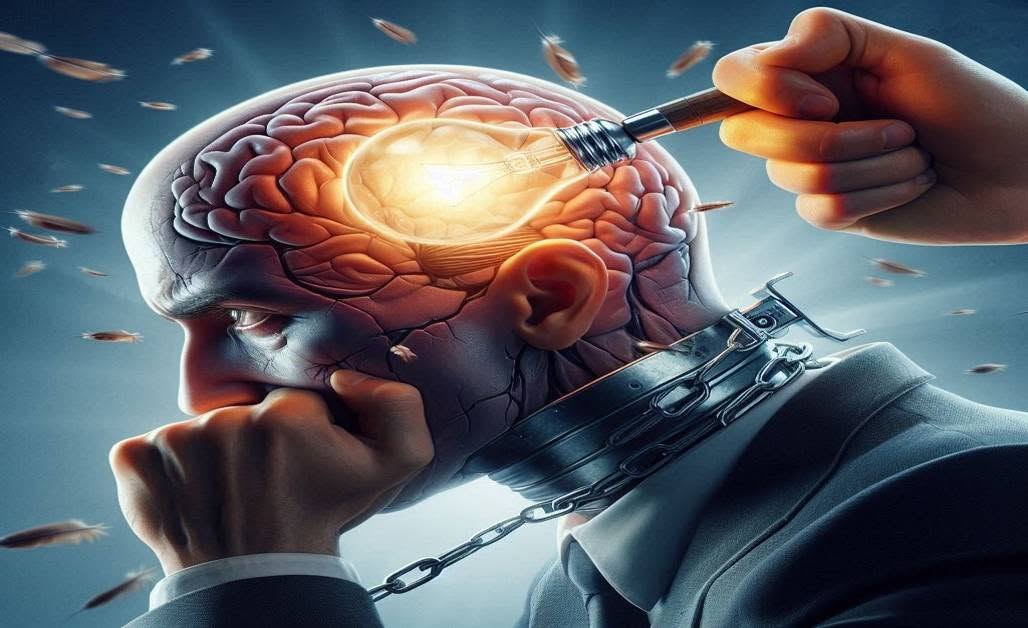
Intellectual Property (IP) theft is a silent epidemic that costs the global economy billions of dollars annually. From counterfeit goods to pirated software, the impact of IP theft is far-reaching and often underestimated. Here are some surprising facts about intellectual property theft that will leave you shocked and more aware of this pervasive issue.
The Staggering Cost of IP Theft
Did you know that intellectual property theft costs the U.S. economy between $225 billion to $600 billion each year1? This staggering figure includes losses from counterfeit goods, pirated software, and trade secret theft. The financial impact is not just limited to large corporations; small businesses and individual creators are also significantly affected.
IP theft is not just a financial issue; it also has a profound impact on innovation and creativity. When companies and individuals lose their intellectual property, they lose the incentive to innovate. This stifles creativity and slows down technological advancements, which are crucial for economic growth.
Types of Intellectual Property Theft
IP theft can take many forms, including:
- Copyright Infringement: Unauthorized use or reproduction of copyrighted material, such as music, films, and books. This is one of the most common forms of IP theft and can have devastating effects on creators and the entertainment industry.
- Trademark Infringement: Using someone else’s trademark or logo without permission, leading to consumer confusion and brand damage. This type of IP theft can erode brand value and consumer trust.
- Patent Infringement: Unauthorized use or manufacture of a patented invention, including processes, machines, or technologies. This can hinder technological progress and innovation.
- Trade Secret Theft: Stealing confidential business information or proprietary technology. This type of IP theft is particularly damaging as it can give competitors an unfair advantage.
Real-Life Examples of IP Theft
One of the most famous cases of IP theft involves the Chinese company Huawei, which was accused of stealing trade secrets from U.S. companies like Cisco and T-Mobile2. Another shocking example is the case of Waymo vs. Uber, where Waymo accused Uber of stealing its self-driving car technology2.
In the case of Huawei, the company was accused of copying Cisco’s router software and incorporating it into their own products. This not only gave Huawei an unfair advantage in the market but also damaged Cisco’s reputation and financial standing. Similarly, in the Waymo vs. Uber case, the theft of self-driving car technology led to a lengthy legal battle and significant financial losses for Waymo.
The Global Impact
Countries with the highest rates of IP theft include China, Russia, and India1. These countries are often cited for their lax enforcement of IP laws, making them hotspots for counterfeit goods and pirated software. The global nature of IP theft means that it affects economies worldwide, disrupting markets and stifling innovation.
In China, for example, the government has been criticized for not doing enough to protect intellectual property rights. This has led to a proliferation of counterfeit goods, from luxury handbags to electronics, flooding the market. These counterfeit products not only hurt the original manufacturers but also pose safety risks to consumers.
Consequences of IP Theft
The consequences of IP theft are severe and multifaceted:
- Financial Losses: Companies lose revenue, and the economy suffers. The financial impact of IP theft can be devastating, leading to business closures and job losses.
- Job Losses: IP-intensive industries provide millions of jobs. IP theft threatens these jobs, leading to unemployment. When companies lose their intellectual property, they may be forced to downsize or shut down entirely.
- Legal Battles: Companies spend millions on legal fees to protect their IP. These legal battles can be lengthy and costly, draining resources that could be better spent on innovation and growth.
- Reputation Damage: Brands suffer when counterfeit goods flood the market. Consumers may lose trust in a brand if they unknowingly purchase counterfeit products that are of inferior quality.
Can You Go to Jail for IP Theft?
Yes, individuals can face severe penalties for violating intellectual property laws. Punishments can include hefty fines and imprisonment. For example, in the U.S., copyright infringement can lead to fines of up to $150,000 per work infringed and up to five years in prison2.
In addition to fines and imprisonment, individuals convicted of IP theft may also face civil penalties, such as being ordered to pay damages to the rightful owner of the intellectual property. These penalties serve as a deterrent to would-be infringers and help to protect the rights of creators and innovators.
How to Protect Your Intellectual Property
Protecting your intellectual property is crucial. Here are some steps you can take:
- Register Your IP: Ensure your copyrights, trademarks, and patents are registered. This provides legal protection and makes it easier to enforce your rights if someone infringes on your IP.
- Use Non-Disclosure Agreements (NDAs): Protect trade secrets by having employees and partners sign NDAs. This helps to prevent unauthorized disclosure of confidential information.
- Monitor the Market: Regularly check for unauthorized use of your IP. This can involve monitoring online marketplaces, social media, and other platforms where counterfeit goods may be sold.
- Educate Your Team: Make sure your employees understand the importance of IP and how to protect it. This includes training on how to recognize and report potential IP theft.

Surprising Facts About Trade Secret Theft
Trade secret theft is one of the most insidious forms of IP theft. It often goes unnoticed until significant damage has been done. Surprisingly, a large percentage of trade secret theft is committed by insiders—employees or business partners who have access to sensitive information3.
In many cases, employees who steal trade secrets do so out of a desire for personal gain or revenge. They may sell the stolen information to competitors or use it to start their own competing business. This type of IP theft can be particularly damaging because it often involves highly sensitive and valuable information.
The Impact on Small Businesses
Small businesses are particularly vulnerable to IP theft. They often lack the resources to fight legal battles or recover from financial losses. IP theft can be devastating, leading to business closures and significant economic impact1.
For small businesses, the loss of intellectual property can mean the difference between success and failure. Without the resources to protect their IP, small businesses may find themselves unable to compete with larger, more established companies. This can lead to a loss of market share and ultimately, business closure.
Unintentional IP Theft
Not all IP theft is intentional. Sometimes, businesses or individuals may unknowingly infringe on someone else’s IP. This can happen due to a lack of understanding of IP laws or inadequate research before launching a product or service3.
For example, a small business owner may create a logo for their company without realizing that it closely resembles an existing trademark. If the owner is unaware of the trademark, they may unintentionally infringe on the rights of the trademark owner. This can lead to legal disputes and financial penalties.
Famous Cases of IP Theft
- Apple vs. Samsung: One of the most high-profile IP theft cases, where Apple accused Samsung of copying its iPhone design2. The legal battle between these two tech giants lasted for years and resulted in significant financial penalties for Samsung.
- Nike vs. Adidas: Nike accused Adidas of stealing its Flyknit technology, leading to a lengthy legal battle2. This case highlighted the importance of protecting innovative technologies and the potential consequences of IP theft.
- Other Notable Cases: Other high-profile IP theft cases include the dispute between Mattel and MGA Entertainment over the Bratz dolls, and the case of S. Victor Whitmill vs. Warner Bros. Entertainment over the use of a tattoo design in the movie “The Hangover Part II”4.
Protecting Intellectual Property Online
In the digital age, protecting IP online is more critical than ever. Here are some tips:
- Use Digital Rights Management (DRM): Protect digital content from unauthorized use. DRM technologies can help to prevent copying and distribution of digital media.
- Monitor Online Platforms: Regularly check for unauthorized use of your IP on websites and social media. This can involve using automated tools to scan the internet for potential infringements.
- Educate Your Audience: Inform your customers about the importance of buying genuine products. This can help to reduce the demand for counterfeit goods and protect your brand.
Additional Insights
IP theft is not just a legal issue; it is also a moral and ethical one. When someone steals intellectual property, they are not just taking a product or idea; they are taking the hard work, creativity, and innovation of the original creator. This can have a profound impact on the creator’s motivation and willingness to continue innovating.

Moreover, IP theft can have a ripple effect on the economy. When companies lose their intellectual property, they may be forced to cut back on research and development, leading to fewer innovations and slower technological progress. This can have long-term consequences for economic growth and competitiveness.
The Role of Technology in IP Theft
The rise of digital technology has made it easier than ever to steal intellectual property. With just a few clicks, a thief can copy and distribute copyrighted material, steal trade secrets, or infringe on patents. This has led to a significant increase in IP theft cases in recent years.
For example, cybercriminals can use phishing attacks to gain access to confidential information, or they can hack into company databases to steal trade secrets. The anonymity of the internet also makes it difficult to track down and prosecute IP thieves.
The Importance of International Cooperation
IP theft is a global issue that requires international cooperation to address effectively. Many countries have different laws and regulations regarding intellectual property, making it challenging to enforce IP rights across borders.
International organizations, such as the World Intellectual Property Organization (WIPO), play a crucial role in promoting and protecting IP rights worldwide. By working together, countries can develop stronger IP laws and improve enforcement mechanisms to combat IP theft.
The Future of IP Protection
As technology continues to evolve, so too will the methods used to steal intellectual property. It is essential for businesses and governments to stay ahead of these threats by investing in advanced security measures and staying informed about the latest trends in IP theft.
Emerging technologies, such as blockchain, offer promising solutions for protecting intellectual property. Blockchain can provide a secure and transparent way to track and verify the ownership of IP assets, making it more difficult for thieves to steal or counterfeit intellectual property.
The Human Element of IP Theft
While technology plays a significant role in IP theft, it is essential not to overlook the human element. Many cases of IP theft involve insiders—employees or business partners who have access to sensitive information. These individuals may steal intellectual property for personal gain, revenge, or other motives.
To prevent insider threats, companies should implement robust security policies and conduct regular training sessions to educate employees about the importance of protecting intellectual property. Background checks and monitoring of employee activities can also help identify potential threats before they cause significant damage.
The Role of Education in Preventing IP Theft
Education is a critical component in the fight against IP theft. By raising awareness about the importance of intellectual property and the consequences of IP theft, we can help create a culture of respect for IP rights.
Educational programs should be implemented at all levels, from schools to universities to professional training programs. By teaching individuals about IP laws and the value of intellectual property, we can help reduce the incidence of IP theft and promote a more innovative and creative society.
The Impact of IP Theft on Innovation
IP theft can have a chilling effect on innovation. When creators and inventors fear that their work will be stolen, they may be less likely to invest time and resources into developing new ideas. This can stifle creativity and slow down technological progress.
To foster a culture of innovation, it is essential to protect intellectual property and ensure that creators receive the recognition and compensation they deserve. By doing so, we can encourage more individuals to pursue their creative and innovative endeavors, leading to a more vibrant and dynamic economy.
The Role of Governments in Combating IP Theft
Governments play a crucial role in combating IP theft. By enacting and enforcing strong IP laws, governments can help protect the rights of creators and innovators. This includes providing resources for law enforcement agencies to investigate and prosecute IP theft cases, as well as working with international partners to address cross-border IP theft.
Governments can also support public awareness campaigns to educate individuals and businesses about the importance of protecting intellectual property. By promoting a culture of respect for IP rights, governments can help reduce the incidence of IP theft and support a more innovative and creative economy.
The Economic Impact of IP Theft
The economic impact of IP theft is significant. In addition to the direct financial losses suffered by companies, IP theft can also lead to job losses, reduced tax revenues, and decreased investment in research and development. This can have long-term consequences for economic growth and competitiveness.
For example, a study by the U.S. Chamber of Commerce found that IP-intensive industries accounted for nearly 40% of U.S. GDP and employed over 45 million workers1. When these industries are affected by IP theft, the entire economy suffers.
The Role of Businesses in Protecting IP
Businesses have a responsibility to protect their intellectual property and take proactive measures to prevent IP theft. This includes implementing robust security policies, conducting regular audits, and investing in advanced technologies to protect IP assets.
Businesses should also work closely with law enforcement agencies and industry partners to share information about IP theft threats and best practices for protecting intellectual property. By working together, businesses can create a more secure environment for innovation and creativity.
The Importance of Public Awareness
Public awareness is a critical component in the fight against IP theft. By educating consumers about the importance of buying genuine products and the risks associated with counterfeit goods, we can help reduce the demand for stolen intellectual property.
Public awareness campaigns should highlight the negative consequences of IP theft, including the financial losses suffered by creators and the potential safety risks associated with counterfeit products. By raising awareness, we can help create a culture of respect for IP rights and support a more innovative and creative economy.
Conclusion
Intellectual property theft is a complex and pervasive issue that affects individuals, businesses, and economies worldwide. By understanding the different types of IP theft, the consequences, and how to protect your IP, you can better safeguard your creations and contribute to a more innovative and fair marketplace.
These surprising facts about intellectual property theft highlight the importance of vigilance and proactive measures in protecting intellectual property. Stay informed, stay protected, and help combat IP theft.
2: Powerhouse Forensics 1: Legal Jobs 3: UpCounsel


About the author


Understanding Allodial Titles, Land Patents, and Their Legal Implications
In property rights and land ownership, the concepts of allodial titles and land patents hold significant legal weight. These terms are often used in discussions related to the protection of property rights, land ownership, and the interplay between various areas of law such as the Uniform Commercial Code, contract law, constitutional law, and statutory law. In this in-depth blog post, we will explore into the intricacies of allodial titles and land patents, exploring their definitions, legal implications, and dispelling common myths and misconceptions associated with them. Key Takeaways: Allodial Titles Explained: An allodial title represents the highest form of land ownership, granting the owner absolute and unburdened ownership of the property, free from any encumbrances, liens, or taxes imposed by external parties. Land Patents and Their Legal Implications: A land patent is a legal document issued by the government that […]

Outsmart the System: Top Legal Strategies You Need to Know
Understanding the Legal Landscape While the legal system may seem intimidating, grasping its core concepts can empower you to navigate its complexities effectively. Understanding this landscape is vital for anyone looking to outsmart the system and optimize their legal strategies. Whether you’re seeking legal hacks for small businesses or tips on how to use legal loopholes to your advantage, recognizing the different legal frameworks at play can be crucial in making informed decisions. Overview of Legal Systems An understanding of the various legal systems is pivotal for recognizing your rights and obligations. Legal frameworks can vary significantly from one country to another, with common systems including civil law, common law, and religious law. Each system has its own structure, offering unique legal strategies and challenges. For example, in a common law system, previous judicial decisions can influence future cases, allowing […]

Ilataza Ban Yasharahla EL’s Public Records Request for Elyria Board of Education
24-0001492: Ilataza Ban Yasharahla EL's Public Records Request for Elyria Board of Education. All Rights Expressly Reserved and Retained. https://nationalnoticerecord.com/elyria-boe-members-required-to-follow-rulings https://nationalnoticerecord.com/is-elyria-school-board-bound-by-ohio-courts https://nationalnoticerecord.com/understanding-the-oath-of-office-legal-obligations-and-consequences

Ohio Legalizing Recreation Marijuana Use May Hurt Dispensaries in Monroe, Michigan
In recent years, the movement to legalize marijuana for adult recreational use has gained significant momentum across the United States. Ohio, a state long synonymous with conservative values, has also embraced this shift in public opinion. With the passing of Ohio Issue 2 and the Ohio Home Grow Bill, the state has joined the ranks of those allowing the recreational use of marijuana. This blog post will delve into the pros and cons of Ohio's legalization, as well as the potential implications for marijuana dispensaries in Monroe, Michigan, which previously benefited from Ohio buyers crossing state lines. https://www.youtube.com/watch?v=0KRzqZ8dUwc Pros of Ohio's Recreational Marijuana Legalization 1. Economic Boost: Legalizing recreational marijuana in Ohio has the potential to generate substantial economic benefits for the state. The marijuana industry has proven to be a lucrative market, with tax revenue and job creation being […]

The Etymology of “Bey” EXPOSED
TURN UP YOUR VOLUME & PRESS PLAY Have you ever wondered what the true origin and meaning of "Bey" is? We've been told that it means "Governor", "Law Enforcer", Chief, etc. But, what if that's incorrect? What if we've been using the "title", "Bey", incorrectly? FILL OUT THE FORM TO GET STARTED First Name: Last Name: Phone Number: Email: I agree to receive email updates and promotions. Submit

Are You A “Colored Person”?
Tune in as we dissect the term "person of color", exposing how its PURPOSELY steeped in plausibility, DECEPTION, and used as a weapon.

We’ve Been FORCED to Make Some Changes
Due to receiving so many tasks that our work has become more tedious, we've been forced to make some changes at National Notice Record.

Gas Go Express Food Mart Unjust Enrichment Via Debit Card Surcharge Fees
https://www.youtube.com/watch?v=eJknhtE9JEI In this video, I talk about a consumer experience I had while shopping at Gas Go Express Food Mart Gas Station, located at 237 Lake Avenue, Elyria, Ohio. On November 24, 2021, I made a purchase for 4 taxable items at the location. Each item was $0.99 per. With taxes, it came up to $4.26. As I got ready to place my debit card into the card reader, the Gas Go Express Food Mart clerk immediately added a $.50 debit card surcharge fee. As a common practice, some merchants/stores add a surcharge to your total purchase amount when you spend less than $5 or $10 when using a credit/debit card to process the payment. Being a merchant myself, I know that Master Card, Visa, Discover, and some of the other financial institutions have a strict policy that states that […]

Is Your Signature a Trap? The UCC Truth
Just a quick question for you: Are you sure about what your signature really means? Your signature, under the Uniform Commercial Code (UCC), isn't just an autograph. It can be a legal trap, binding you to terms you never fully understood. Learn to protect yourself from these hidden dangers in commercial transactions. Seriously, is your signature actually a legal trap or just a silent endorsement? You probably think your signature is just a formality, right? But under the Uniform Commercial Code (UCC), it's much more. Your signature acts as a binding endorsement, fueling the financial system, often at your personal expense. Why we're conditioned to sign stuff without looking and the bad news that follows Ever feel rushed to sign? This conditioning makes you enter "contracts of adhesion." You're then seen as a "debtor" or "representative", not a living person […]

The Merchant’s Bible: Decoding UCC Article 1
Many entrepreneurs overlook the bedrock of commercial law. You must understand UCC Article 1. This article governs your business transactions, from agreements to definitions. Ignoring these foundational provisions can lead to costly disputes. Master this crucial legal framework to protect your interests and achieve success. Key Takeaways: * UCC Article 1 forms the foundational rules of US commercial law. It defines core concepts, distinguishing an "agreement" from a binding "contract."* Merchants must recognize that UCC Article 1 rules often supersede common law in business dealings. This shift dictates different legal obligations and expectations.* Certain mandates cannot be disclaimed, including good faith, diligence, reasonableness, and care. These duties always govern commercial transactions.* Past actions, such as course of dealing and course of performance, can redefine written contracts. Documenting reservations of rights protects legal leverage.* UCC Article 1 is adapting to the […]

Hidden in Plain Sight: The UCC 1-308 Shield
You probably feel something is off. You sign documents daily, but do you truly understand their hidden implications? This little-known shield can protect your inherent rights. It's a secret many miss, but you don't have to be one of them. Key Takeaways: You know, there's this growing buzz online about reclaiming personal sovereignty, and a lot of folks are looking into how the Uniform Commercial Code fits into that. It feels like we're all just waking up to how much of our lives are governed by unspoken rules. * Signing documents "without prejudice UCC 1-308" isn't just legal jargon; it's a profound declaration. This simple act communicates you are performing an action, but you aren't consenting to hidden contract terms. * Many everyday agreements, like your driver's license application, are "adhesion contracts." You typically accept their terms completely, or you […]

UCC Secrets: The Code That Owns Your Daily Life
UCC is everywhere, shaping your financial reality. You might not realize it, but the Uniform Commercial Code governs your daily life. This code dictates how your assets are handled, often without your explicit understanding. You need to know these secrets. Key Takeaways: You know, most folks think they're playing by "Civil Law" rules, but the truth is, the Uniform Commercial Code (UCC) is the real silent puppet master pulling the strings of daily life. It's not just some obscure legal jargon; it's the very foundation of our commercial world. That "Corporate Personhood" stuff in the UCC isn't just for big companies; it's about the "Strawman" created with your birth certificate. This legal fiction might be the key to understanding why your identity feels like a perfected security interest. UCC 1-308, that "without prejudice" phrase, it's not a magic spell, but […]

What If Traffic Tickets Are Just Municipal Profit Schemes?
The Great Harvesting: Why Traffic Tickets are Municipal Profit Schemes I. What If Traffic Tickets Were Never About Safety? What if everything you’ve been told about traffic tickets is wrong? What if traffic enforcement has quietly shifted from “public safety” to public revenue? This shift transforms ordinary citizens into municipal ATMs. You are not being “protected” on the road. Instead, you are being harvested. This is happening algorithmically, administratively, and unconstitutionally. For decades, Americans accepted traffic tickets as routine. But here is the question almost no one asks. Are traffic tickets unconstitutional? Is this a cleverly disguised municipal profit scheme? These municipal corporations depend on fines. They need them like businesses depend on sales. There is a massive rise in public distrust today. People ask: “Are traffic tickets unconstitutional revenue streams?” This is an explosive search trend across all major […]

Service Providers Are Hiding Fees-and It’s NOT Legal
Many of you have likely felt the sting of unexpected charges on your bills. You signed a contract, yet the total is higher than expected. This isn't just annoying; it's often illegal. You deserve to know every cost upfront. Are you tired of feeling cheated by hidden fees? Key Takeaways: * Does that bill make your stomach drop? Hidden fees are a sneaky strategy, not an accident, making your monthly charges mysteriously higher than expected.* Are they playing fair with your money? Companies often use vague terms like “service fees” or “administrative costs” to mask charges you never agreed to.* Is this even legal? No, concealing fees violates consumer protection laws, making it deceptive and unfair to you.* Why did they hide it from you? Businesses exploit emotions, getting you to commit before revealing the costly details in fine print.* […]
Related
Is Your Signature a Trap? The UCC Truth
Just a quick question for you: Are you sure about what your signature really means? Your signature, under the Uniform Commercial Code (UCC), isn't just an autograph. It can be a legal trap, binding you to terms you never fully understood. Learn to protect yourself from these hidden dangers in commercial transactions. Seriously, is your signature actually a legal trap or just a silent endorsement? You probably think your signature is just a formality, right? But under the Uniform Commercial Code (UCC), it's much more. Your signature acts as a binding endorsement, fueling the financial system, often at your personal expense. Why we're conditioned to sign stuff without looking and the bad news that follows Ever feel rushed to sign? This conditioning makes you enter "contracts of adhesion." You're then seen as a "debtor" or "representative", not a living person […]
The Merchant’s Bible: Decoding UCC Article 1
Many entrepreneurs overlook the bedrock of commercial law. You must understand UCC Article 1. This article governs your business transactions, from agreements to definitions. Ignoring these foundational provisions can lead to costly disputes. Master this crucial legal framework to protect your interests and achieve success. Key Takeaways: * UCC Article 1 forms the foundational rules of US commercial law. It defines core concepts, distinguishing an "agreement" from a binding "contract."* Merchants must recognize that UCC Article 1 rules often supersede common law in business dealings. This shift dictates different legal obligations and expectations.* Certain mandates cannot be disclaimed, including good faith, diligence, reasonableness, and care. These duties always govern commercial transactions.* Past actions, such as course of dealing and course of performance, can redefine written contracts. Documenting reservations of rights protects legal leverage.* UCC Article 1 is adapting to the […]
Hidden in Plain Sight: The UCC 1-308 Shield
You probably feel something is off. You sign documents daily, but do you truly understand their hidden implications? This little-known shield can protect your inherent rights. It's a secret many miss, but you don't have to be one of them. Key Takeaways: You know, there's this growing buzz online about reclaiming personal sovereignty, and a lot of folks are looking into how the Uniform Commercial Code fits into that. It feels like we're all just waking up to how much of our lives are governed by unspoken rules. * Signing documents "without prejudice UCC 1-308" isn't just legal jargon; it's a profound declaration. This simple act communicates you are performing an action, but you aren't consenting to hidden contract terms. * Many everyday agreements, like your driver's license application, are "adhesion contracts." You typically accept their terms completely, or you […]
UCC Secrets: The Code That Owns Your Daily Life
UCC is everywhere, shaping your financial reality. You might not realize it, but the Uniform Commercial Code governs your daily life. This code dictates how your assets are handled, often without your explicit understanding. You need to know these secrets. Key Takeaways: You know, most folks think they're playing by "Civil Law" rules, but the truth is, the Uniform Commercial Code (UCC) is the real silent puppet master pulling the strings of daily life. It's not just some obscure legal jargon; it's the very foundation of our commercial world. That "Corporate Personhood" stuff in the UCC isn't just for big companies; it's about the "Strawman" created with your birth certificate. This legal fiction might be the key to understanding why your identity feels like a perfected security interest. UCC 1-308, that "without prejudice" phrase, it's not a magic spell, but […]
What If Traffic Tickets Are Just Municipal Profit Schemes?
The Great Harvesting: Why Traffic Tickets are Municipal Profit Schemes I. What If Traffic Tickets Were Never About Safety? What if everything you’ve been told about traffic tickets is wrong? What if traffic enforcement has quietly shifted from “public safety” to public revenue? This shift transforms ordinary citizens into municipal ATMs. You are not being “protected” on the road. Instead, you are being harvested. This is happening algorithmically, administratively, and unconstitutionally. For decades, Americans accepted traffic tickets as routine. But here is the question almost no one asks. Are traffic tickets unconstitutional? Is this a cleverly disguised municipal profit scheme? These municipal corporations depend on fines. They need them like businesses depend on sales. There is a massive rise in public distrust today. People ask: “Are traffic tickets unconstitutional revenue streams?” This is an explosive search trend across all major […]
Service Providers Are Hiding Fees-and It’s NOT Legal
Many of you have likely felt the sting of unexpected charges on your bills. You signed a contract, yet the total is higher than expected. This isn't just annoying; it's often illegal. You deserve to know every cost upfront. Are you tired of feeling cheated by hidden fees? Key Takeaways: * Does that bill make your stomach drop? Hidden fees are a sneaky strategy, not an accident, making your monthly charges mysteriously higher than expected.* Are they playing fair with your money? Companies often use vague terms like “service fees” or “administrative costs” to mask charges you never agreed to.* Is this even legal? No, concealing fees violates consumer protection laws, making it deceptive and unfair to you.* Why did they hide it from you? Businesses exploit emotions, getting you to commit before revealing the costly details in fine print.* […]